How to get rid of dark circles under eyes

This article provides tips and information on how to effectively get rid of dark circles under the eyes. It covers various causes of dark circles, such as genetics, lack of sleep, and allergies, and offers solutions to address each of these causes. The article also discusses different treatments and remedies that can help reduce the appearance of dark circles, including topical creams, eye masks, and lifestyle changes.
Why Dark Circles Are Four Different Problems
Here is something the beauty industry would rather you not notice: “dark circles” is not one thing. It is four different things that happen to look similar in a bathroom mirror — and they need four different solutions. Treating them all the same way is exactly why most people have a drawer full of eye creams that did absolutely nothing.
This guide is about what actually works — sorted by type, by skin tone, and by what you can do at home versus what genuinely requires clinical help. We’ll also cross-link to our full dark circles concern hub if you want to go deeper on anatomy, causes, and candidacy for each treatment type.
Dark Circles at a Glance
- 4 Types
- Pigmented (melanin, sun, genetics) · Vascular (blood vessels, allergies) · Hollow / tear trough (volume loss) · Lifestyle (sleep, dehydration)
- At-Home Options
- Vitamin C + niacinamide (pigment) · Retinol (skin thickness) · Peptides (collagen) · Daily SPF · Sleep + allergy management
- In-Clinic Options
- Photo Facial IPL (Fitz I–III, vascular) · PRX-T33 / peels (Fitz IV–VI, pigment) · Tear trough filler (hollow) · RF Microneedling (skin thickness)
- What Won't Work
- Random eye creams without actives · Laser pigment treatments on darker skin · Fillers for purely pigmented circles · One-size-fits-all approaches
Four Different Problems, Not One
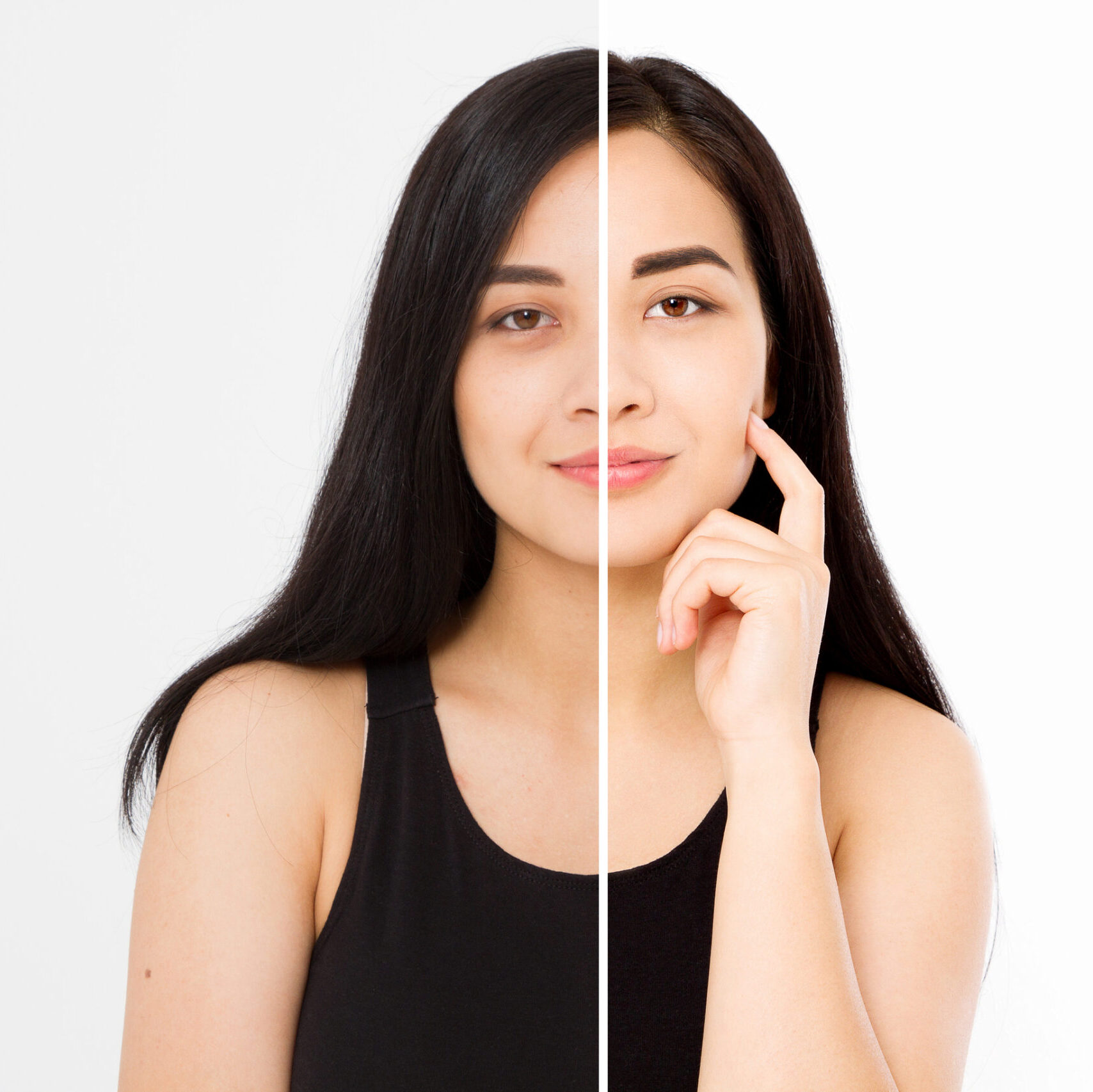
The periorbital area — the skin directly under and around the eye — is the thinnest skin on the face. It has minimal fat, a high density of blood vessels close to the surface, and fewer collagen and elastin fibers than anywhere else. That anatomy alone explains why this area shows so many different kinds of darkness, and why the wrong treatment makes no difference at all.
Pigmented circles are driven by melanin — genetics, sun exposure, post-inflammatory pigmentation. They tend to look brownish, are often symmetrical, and run in families. They are most common in darker Fitzpatrick skin types (IV–VI) and in people of South Asian, Middle Eastern, and East African descent. Vascular circles have a bluish or purplish tint from blood vessels visible through thin skin — often made worse by allergies, nasal congestion, or poor sleep. Hollow or structural circles are not pigment at all: they are shadows created by volume loss in the tear trough and mid-face, which creates a concave groove that casts darkness. And lifestyle circles — fatigue, dehydration, high sodium, alcohol — overlay any of the above and amplify whatever is already there. Most people have a combination. The art is knowing which type dominates.
What You Can Actually Do at Home
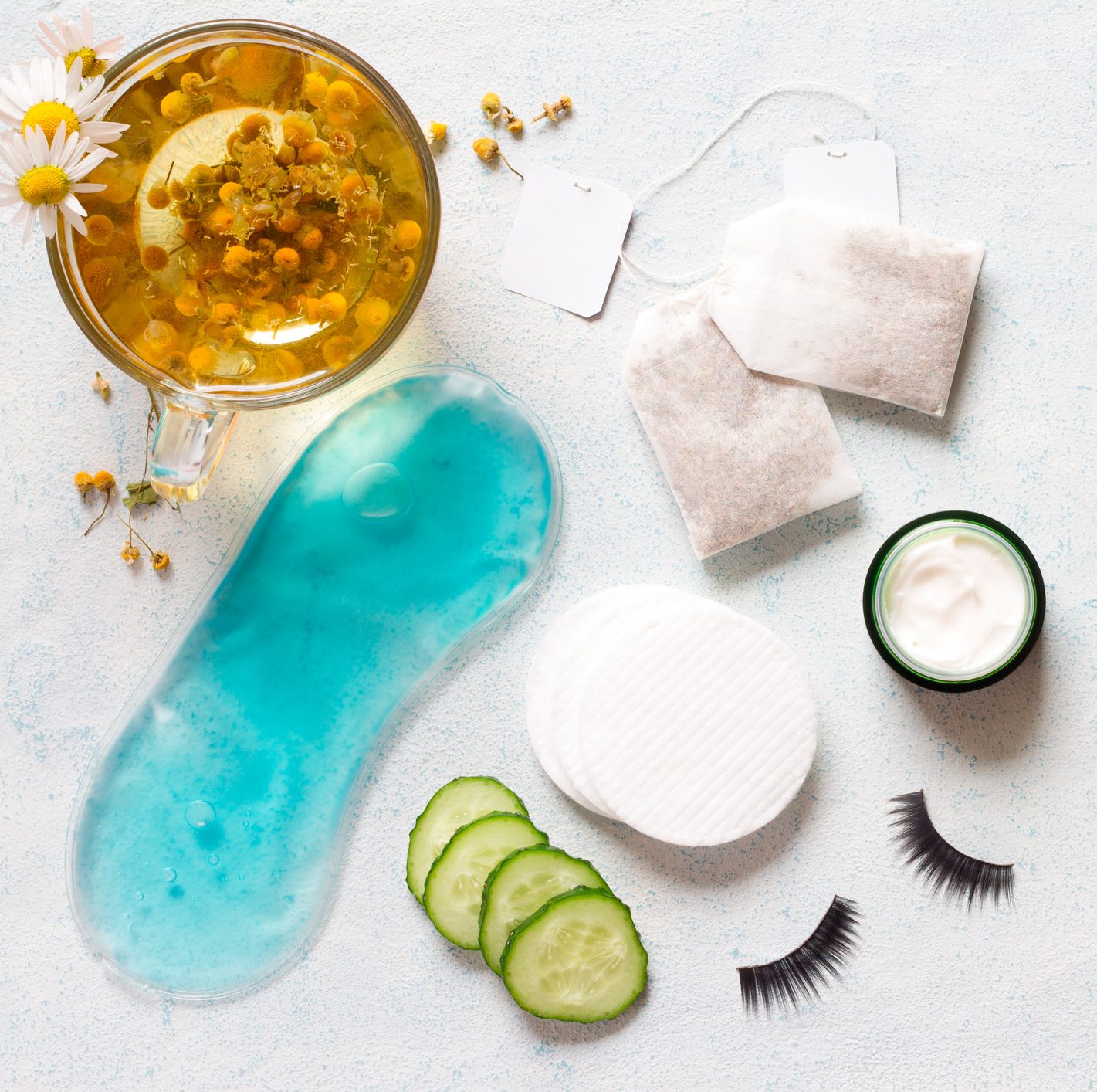
Let’s be honest about what topicals can and can’t do. For lifestyle-driven and mildly pigmented circles, the right skincare routine genuinely moves the needle over weeks to months — not days, not overnight. For hollow tear trough circles caused by volume loss, no serum in the world replaces what anatomy took. That’s just the truth. With that framing in place: here’s what works.
Vitamin C (L-ascorbic acid, 10–20%) addresses melanin production and brightens existing pigmentation — it’s one of the best-studied actives for hyperpigmentation around the eye. Pair it with niacinamide (5%), which inhibits melanin transfer to skin cells and also reduces vascular redness. Retinol (start low — 0.025% under the eye, skin there can’t handle what your cheek can) gradually thickens the dermis, making blood vessels less visible. Peptides — particularly palmitoyl tripeptide-38 and matrixyl variants — support collagen and may improve skin firmness over time. SPF daily is not optional if you’re treating pigmented circles: sun exposure will undo every other intervention. Beyond products, managing allergies (antihistamines, nasal rinse) addresses a real cause of vascular circles that most eye creams ignore entirely. And sleep — the boring answer — does actually reduce blood vessel dilation and fluid accumulation. Aim for 7–8 hours. Not 5, with a good eye cream.
In-Clinic Options by Type and Tone
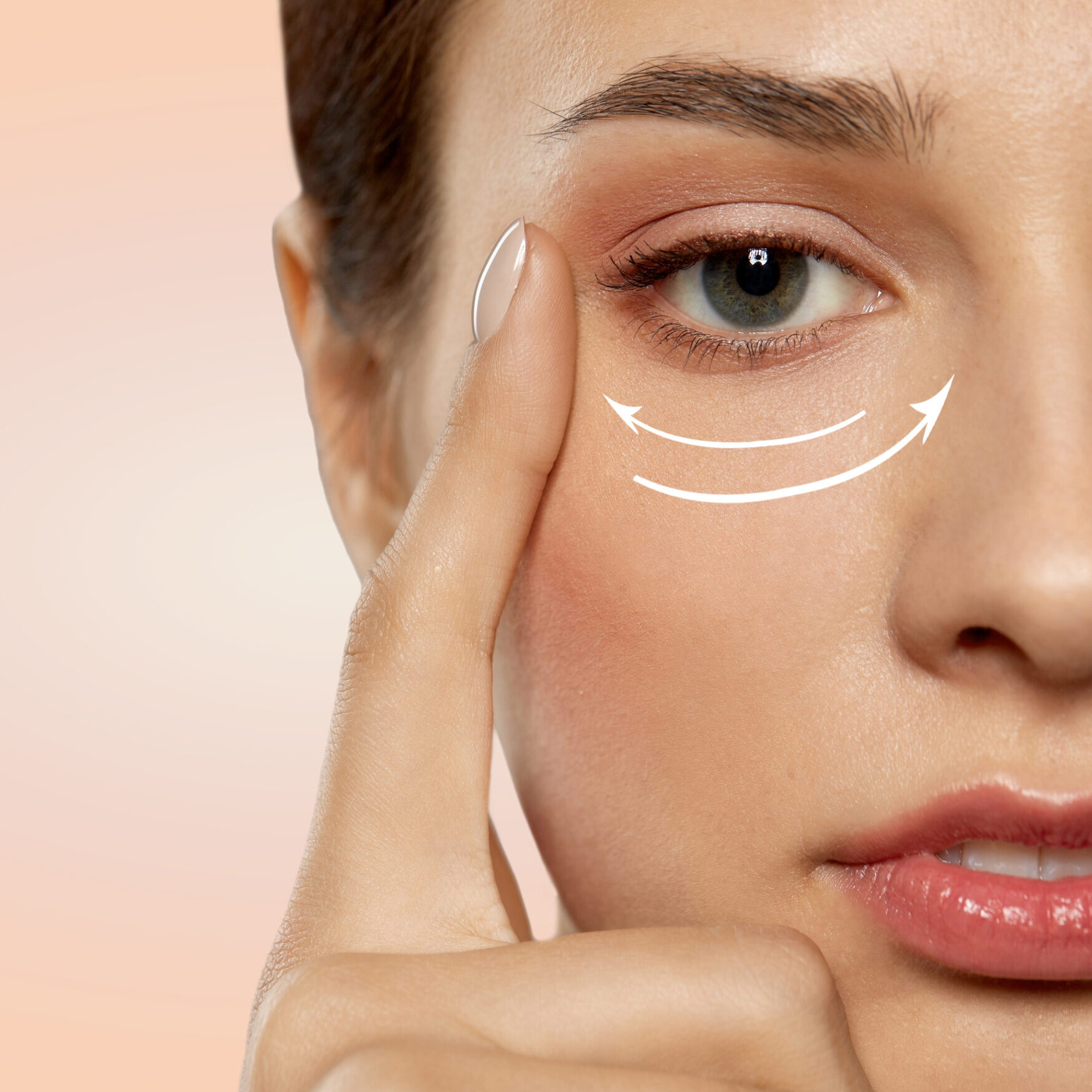
This is where type-matching matters most — and where the guidance for darker skin tones is often completely wrong in generic guides online. Photo Facial (IPL) is effective for vascular circles and superficial pigment in lighter skin tones (Fitzpatrick I–III). IPL targets hemoglobin in blood vessels and melanin near the surface — for the right candidate, it can meaningfully reduce the purplish or brownish hue in 2–3 sessions. It is not appropriate for Fitz IV–VI skin: the risk of post-inflammatory hyperpigmentation is significant and can make things worse. For darker skin tones with pigment circles, the correct path is PRX-T33 (a no-peel chemical treatment that biostimulates without causing surface inflammation), Dermaquest brightening peels formulated for melanin-rich skin, and iontophoresis for targeted ingredient delivery. No laser pigment treatments. That route causes harm, not improvement.
Tear Trough Filler is the most transformative option for structural, hollow circles — but only for that type. Restylane Eyelight and RHA 2 are the appropriate products for this area: they are soft, low-swelling formulations designed for the delicate periorbital anatomy. When the depression is filled correctly, the shadow disappears. It doesn’t “fix” pigment. It doesn’t address vascular circles. It addresses the structural cause specifically. RF Microneedling (we use Virtue RF) is a gradual option that improves skin thickness and collagen density in the periorbital area — it won’t produce overnight results, but over 3 sessions it can measurably reduce the transparency that makes vascular and structural circles visible. Learn more about tear trough filler or visit our dark circles hub.
At-Home vs In-Clinic: What to Expect
| Approach | At-Home Actives | Photo Facial (IPL) | Tear Trough Filler | PRX-T33 / Peels |
|---|---|---|---|---|
| Best for | Pigment (mild), vascular (mild), lifestyle | Vascular + pigment, Fitz I–III only | Hollow / structural shadows | Pigment, Fitz IV–VI safe |
| Mechanism | Inhibit melanin, thicken dermis, reduce vascular redness | IPL targets hemoglobin + surface melanin | HA filler restores tear trough volume | Biostimulation, no surface trauma |
| Timeline | 6–12 weeks to see shift | 2–3 sessions, 4–6 weeks apart | Visible same day, settles 2 weeks | 4–6 sessions, gradual improvement |
| Skin tone | All skin tones | Fitz I–III only | All skin tones | Fitz III–VI especially |
| Realistic outcome | Moderate improvement; won’t fix hollow circles | Clear reduction in vascular + surface pigment | High-impact for the right candidate | Steady brightening without risk of PIH |
At-Home Actives
- Best for
- Pigment (mild), vascular (mild), lifestyle
- Mechanism
- Inhibit melanin, thicken dermis, reduce vascular redness
- Timeline
- 6–12 weeks to see shift
- Skin tone
- All skin tones
- Realistic outcome
- Moderate improvement; won’t fix hollow circles
Photo Facial (IPL)
- Best for
- Vascular + pigment, Fitz I–III only
- Mechanism
- IPL targets hemoglobin + surface melanin
- Timeline
- 2–3 sessions, 4–6 weeks apart
- Skin tone
- Fitz I–III only
- Realistic outcome
- Clear reduction in vascular + surface pigment
Tear Trough Filler
- Best for
- Hollow / structural shadows
- Mechanism
- HA filler restores tear trough volume
- Timeline
- Visible same day, settles 2 weeks
- Skin tone
- All skin tones
- Realistic outcome
- High-impact for the right candidate
PRX-T33 / Peels
- Best for
- Pigment, Fitz IV–VI safe
- Mechanism
- Biostimulation, no surface trauma
- Timeline
- 4–6 sessions, gradual improvement
- Skin tone
- Fitz III–VI especially
- Realistic outcome
- Steady brightening without risk of PIH
Typical Resolution Timeline
Week 1–2
Lifestyle Baseline
Address sleep, hydration, and allergies first. These contribute to every circle type and removing them clarifies what’s structural vs. fixable by habit.
Week 4–8
Topical Actives Show Early Effect
With consistent Vitamin C, niacinamide, and retinol use, mild pigmented and vascular circles begin to lighten. SPF is non-negotiable during this phase.
Month 2–3
Topical Plateau Assessment
If improvement has stalled or circles are structural in nature, this is the right moment to assess clinical options. A consultation maps the dominant type and the correct pathway.
Month 3–6
In-Clinic Results Mature
IPL series or PRX-T33 sessions are complete. Tear trough filler has fully settled. RF Microneedling collagen response is visible. Most patients see their best outcome at the 3-month follow-up.
Frequently Asked Questions
Can I actually get rid of dark circles — or just manage them?
Does the cold spoon trick work?
I have darker skin. Why does laser not work for my pigmented circles?
Will tear trough filler fix my dark circles?
What filler do you use for tear trough?
How long until I see results from eye creams?
I’ve tried everything. What’s actually worth a consultation?
Go deeper
Related Reads
For the full clinical breakdown of dark circle types, candidacy assessment, and treatment protocols, start with the concern hub — then explore the specific treatments and related eye-area concerns.
I want the full clinical breakdown
→Dark Circles hub — Anatomy, causes, and candidacy by type
My circles are hollow shadows
→Tear Trough Filler — Restylane Eyelight & RHA 2 for the tear trough
Mine look bluish or pigmented
→Photo Facial — IPL for vascular and surface pigment (Fitz I–III)
It’s more puffiness and bags
→Eye Bags & Puffiness — When the issue is swelling, not darkness
“Dark circles are one of those concerns where I spend the most time at consultation just asking questions and looking — because treating the wrong type with the wrong tool is how people end up with a drawer full of products and no results. Once you know what you’re actually dealing with, the path forward is usually much clearer.”

Individual results vary. Content is for informational purposes only and does not constitute medical advice. Clinical content reviewed by Dr. Natalya Borakowski, NMD. Last updated April 2026.