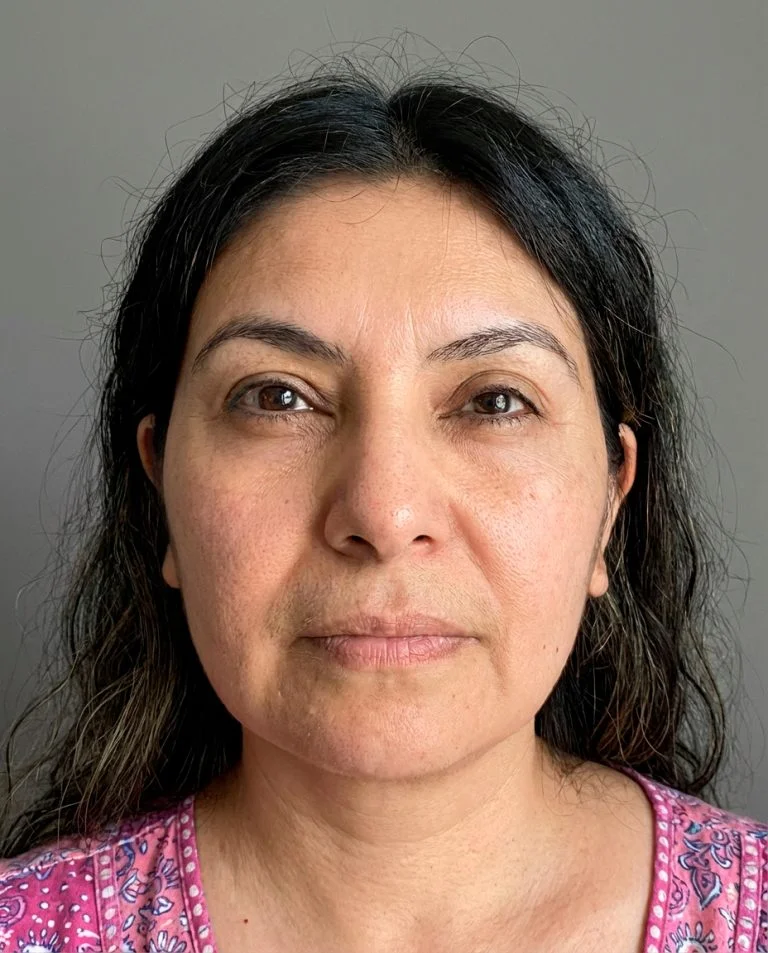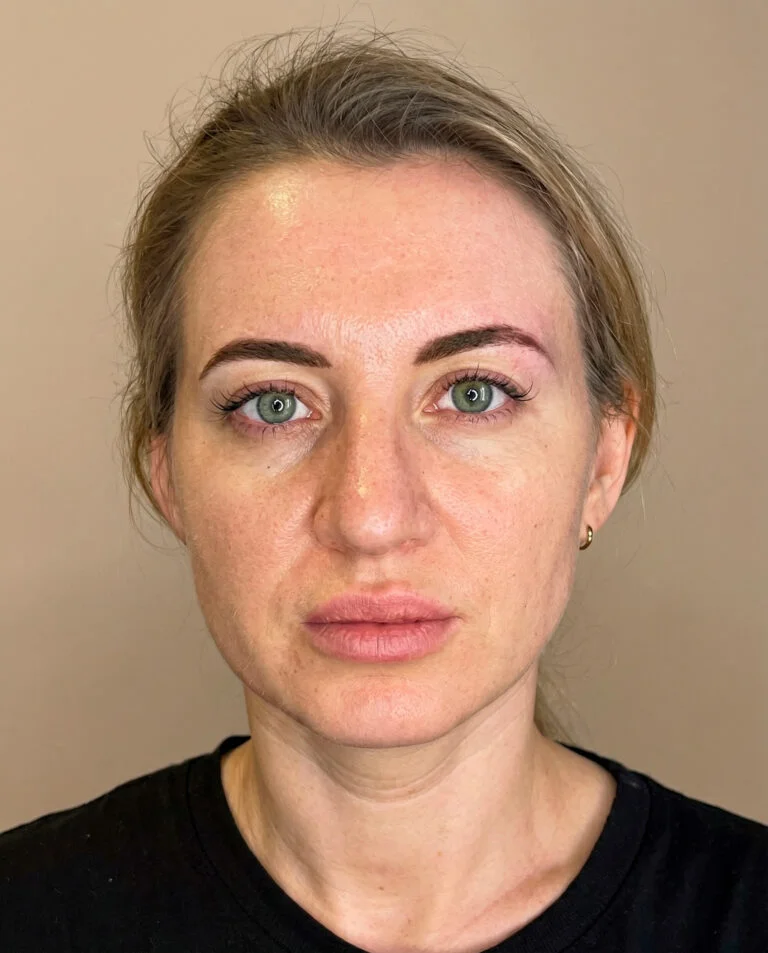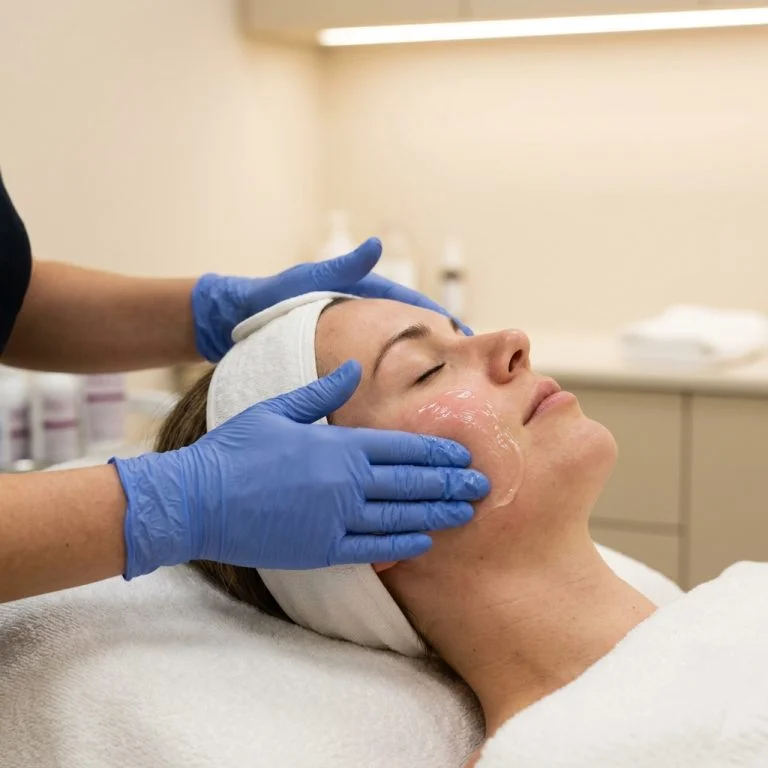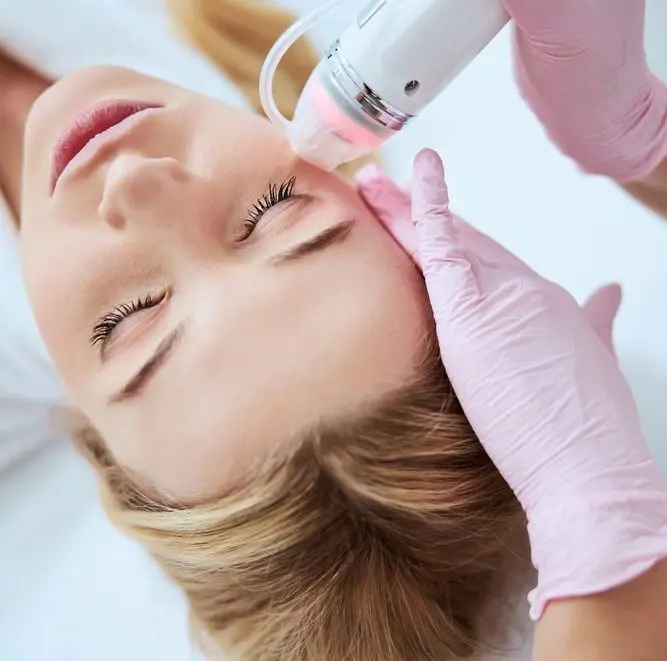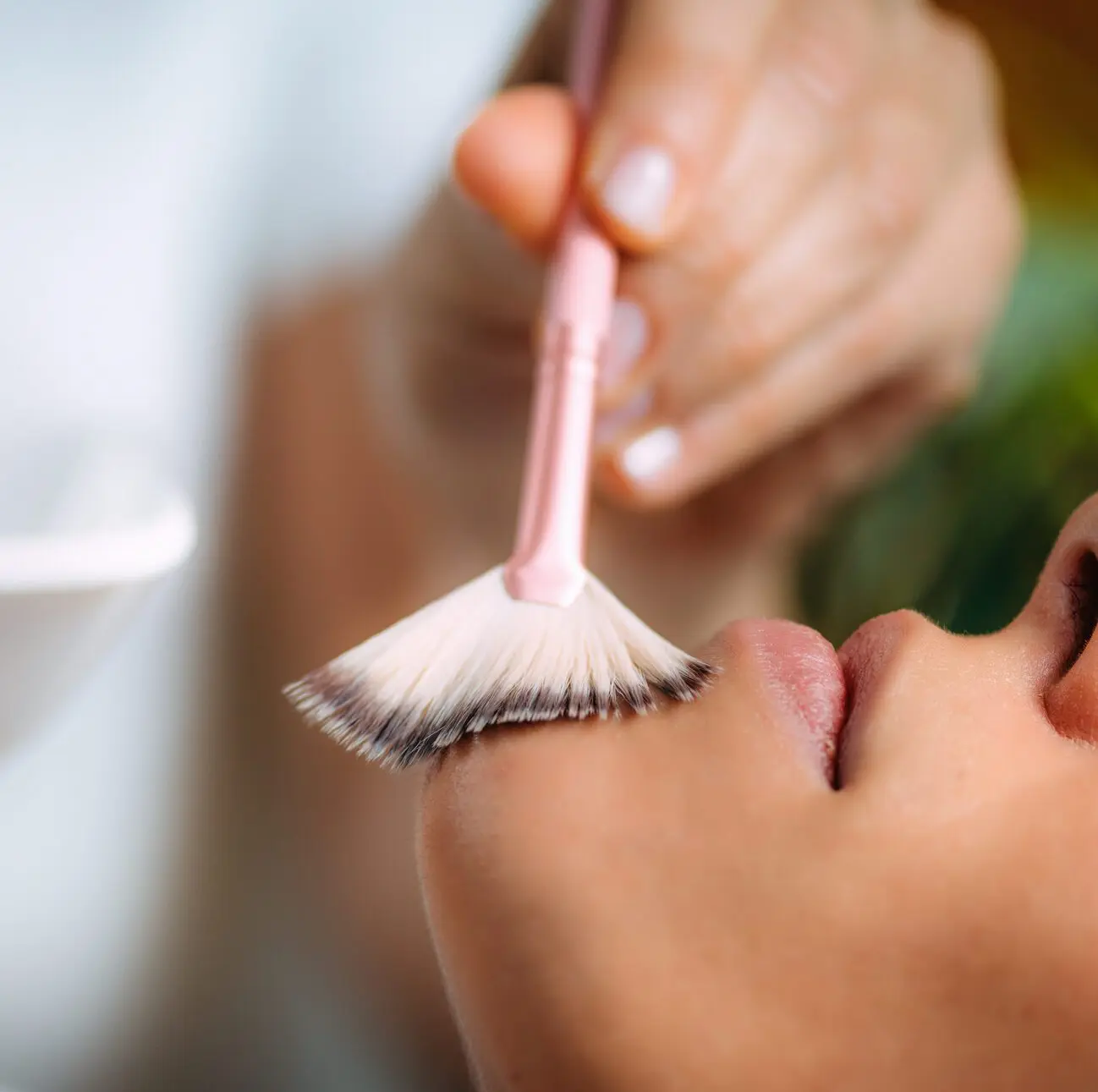
Sometimes the mirror just confirms what you already know — the texture has changed, the tone is uneven, and the serums you trusted aren’t keeping up anymore. A chemical peel works beneath the surface: a carefully selected acid solution dissolves damaged outer layers, supporting the skin’s own renewal process so the surface can appear smoother, clearer, and more even as it heals.
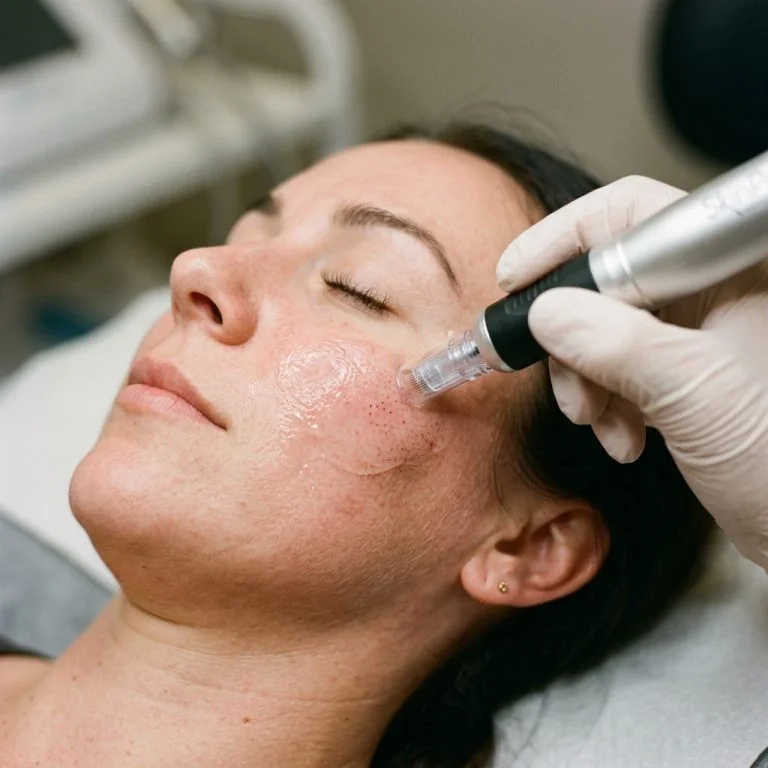
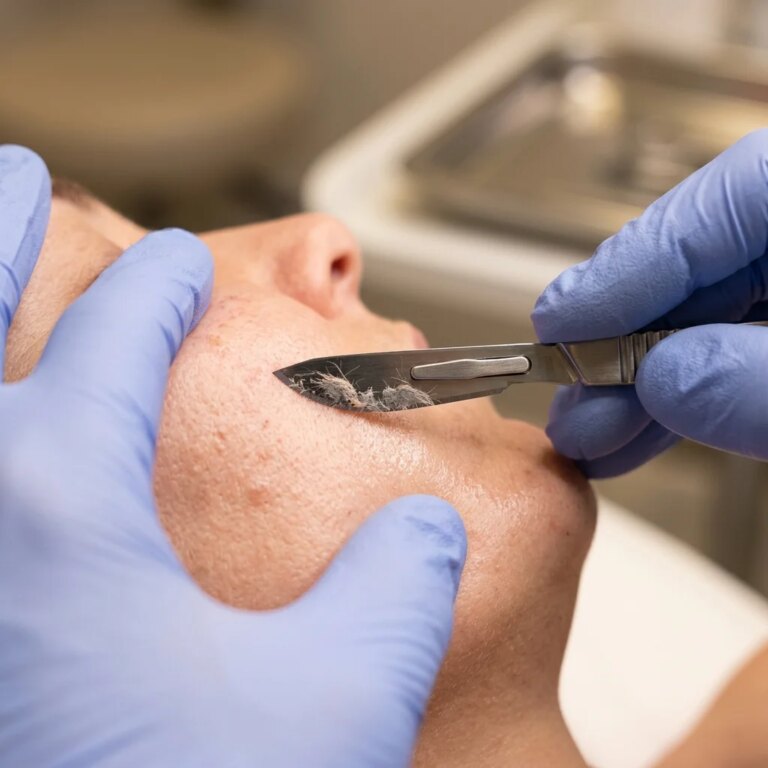
A peel is one piece of a larger skin-resurfacing toolkit. If you’re comparing options, see our full menu of facial treatments, or explore dermaplaning for a mechanical alternative and microneedling for collagen-stimulating resurfacing without a peel.
Scope. Procedure: Custom chemical peel (superficial to medium depth). Provider: Sadie Luna Kearns, Licensed Aesthetician.
Provider & candidacy. Time: 45 minutes. Price: $125 flat rate per session.
Downtime & how to start. Downtime: Minimal to 10 days depending on depth. Results: Brighter tone and smoother texture; medium-depth results may last 6–12 months with sun protection.
A chemical peel is a controlled skin-resurfacing procedure that applies an acid solution — glycolic, salicylic, lactic, trichloroacetic (TCA), or a blended formulation — to the face. The solution breaks down the bonds between damaged skin cells, allowing the provider to exfoliate the outer layers in a measured, uniform way.

As the treated layers shed, the skin’s natural renewal process brings fresher surface cells forward; with deeper medium-depth peels, this healing response may also support some dermal remodeling over time.
Peels are classified by depth. Superficial peels reach only the epidermis and address dullness, mild discoloration, and rough texture. Medium-depth peels penetrate into the upper papillary dermis and may improve the appearance of superficial pigmentation, rough texture, mild acne scarring, and visible signs of sun exposure. Deep phenol peels reach the reticular dermis and are used in some medical settings for advanced signs of photoaging or severe sun-related skin changes — these are not offered at Desert Bloom (more on that below). Peel depth depends on the acid blend, concentration, number of layers, and contact time. That depth determines what the peel can realistically improve.
At Desert Bloom, Sadie selects from two professional-grade peel systems: PCA Skin and Dermaquest. These are not single-ingredient peels — they are carefully engineered blends designed to deliver visible results with minimal downtime when matched to the right patient. When selected appropriately, blended peel systems can be more controlled than relying on one high-concentration acid alone, because each ingredient contributes differently to exfoliation and renewal.
Not all peels do the same thing. The right choice depends on what your skin actually needs and how much downtime your life can accommodate. Lighter peels are often used on the face to refresh dull tone and support smoother texture without the recovery associated with deeper resurfacing.
| Type | Depth | Best For | Typical Downtime |
|---|---|---|---|
| Glycolic Acid (PCA) | Superficial | Dullness, mild discoloration, rough texture | 0–2 days |
| Salicylic Acid / Clarifying Blend | Superficial | Acne-prone skin, oily congestion, clogged pores | 0–3 days |
| Lactic / Enzyme Blend | Superficial | Sensitive skin, hydration, mild pigment | 0–2 days |
| Medium-Depth TCA Blend | Medium | Sun exposure signs, acne scars, moderate wrinkles | 7–10 days |
| Multi-Acid Clarifying Blend | Superficial–Medium | Acne-prone skin, aging concerns, prep for deeper peel | 3–7 days |
Superficial peels are effective for maintaining texture, brightening, and addressing mild dyschromia — they are the workhorses of a skin-care plan you can return to every 4–8 weeks. Medium-depth peels produce more pronounced improvement in epidermal pigmentation, superficial scarring, and actinic changes, but require a 7–10 day healing window and real sun avoidance. Desert Bloom uses PCA Skin and Dermaquest formulations exclusively, chosen for their clinical track record and their flexibility across skin types.
Deep phenol peels (Baker-Gordon formula) are not performed at Desert Bloom. Those peels carry significant risks — permanent hypopigmentation, cardiac monitoring requirements, multi-week recovery. Desert Bloom focuses on peel depths and resurfacing options that fit the patient’s skin, lifestyle, and risk profile rather than pursuing the most aggressive option available. For many patients, a well-sequenced medium-depth protocol, RF microneedling, or laser resurfacing can offer meaningful improvement with a more manageable recovery and safety profile.
Results depend on the peel’s depth and how consistently you protect your skin afterward.

Superficial peels. Most patients notice a smoother, brighter appearance within a few days: improved complexion, more even tone, a clearer overall look. For sustained change, a series of 3–6 sessions spaced 4–8 weeks apart is typical. A single superficial peel is a refresh — a series is what moves the needle on pigment, texture, and long-term skin health.
Medium-depth peels. Expect 3–5 days of visible peeling, followed by 1–2 weeks of steady improvement as the new skin surfaces. Patients undergoing medium-depth TCA blends typically see a meaningful improvement in tone, pigmentation, and texture within two weeks. These results can last 6–12 months with disciplined sun protection.
One factor outweighs everything else in how long results last: sun exposure. UV drives melanin re-stimulation and accelerates collagen breakdown. Daily SPF is part of the treatment, not an afterthought — it is the single biggest predictor of whether your peel delivers a lasting improvement or fades within weeks. For Scottsdale patients, that means mineral SPF 30+ every morning, broad-brimmed hats on outdoor days, and realistic seasonal planning: many patients prefer to plan more intensive resurfacing during cooler months, when strict sun avoidance is easier to maintain.
You may be a good candidate for a chemical peel if you have:
Not every concern responds optimally to chemical peels alone — deep atrophic scarring, dermal melasma, and textured acne scars may benefit more from microneedling or RF microneedling, sometimes in sequence with peels rather than instead of them. Patients with mixed concerns — acne scarring plus pigment, for example, or aging skin plus ongoing breakouts — often benefit from a tailored plan that stacks treatments over time rather than chasing a single-session fix.
Honesty about candidacy is part of responsible care. If a chemical peel isn’t the best option for your skin right now, Sadie will tell you — and point you to microneedling, RF microneedling, or a different resurfacing approach that fits.
Good peel outcomes start before the peel. Most patients will be asked to do some combination of the following, depending on skin type and peel depth planned:
Hydroquinone pre-treatment (conditional). For patients with Fitzpatrick IV–VI skin or active melasma, Sadie may recommend a hydroquinone-based brightening regimen for 2–4 weeks before a medium-depth peel. This may help calm melanocyte activity before treatment and reduce the risk of post-inflammatory hyperpigmentation. Hydroquinone prep is optional — it’s offered specifically to patients whose biology makes PIH more likely, not used as a default.
Antiviral prophylaxis (conditional). Patients with a history of cold sores (HSV) are started on a short course of oral antiviral medication 2 days before a medium-depth peel and for a few days after, to prevent HSV reactivation in the freshly resurfaced skin.
Sun exposure. No significant sun exposure or active tanning for at least 4 weeks before a medium peel.
Use only a gentle cleanser and a hydrating barrier cream — no active ingredients, no exfoliants, no retinoids. Avoid sweating, heat, sauna, and gym for 72 hours. Mineral SPF 30+ every morning, reapplied throughout the day.
This is normal and expected. Do not pick, peel, or scrub — let it happen naturally. Picking can increase the risk of post-inflammatory hyperpigmentation and, rarely, scarring.
Smoother, brighter, more even. Gradually reintroduce vitamin C and mild actives. By the end of week 2, most patients tolerate their regular routine. Retinoids typically resume at week 2–3 for superficial peels, later for medium-depth.
At Desert Bloom, a custom chemical peel is $125 per session — a flat rate regardless of the formulation used. Sadie selects the appropriate peel type based on your skin assessment; the price is the same whether a superficial glycolic refresh or a medium-depth TCA blend is the right fit for your skin that day. The skin assessment and 45-minute appointment are included in the $125 flat rate.
For context, chemical peels across the Scottsdale area typically range from $100 to $300+ per session depending on the provider, brand, and peel depth. Single-ingredient peels at high-volume spas tend to sit at the lower end; branded medium-depth systems often run $200–$350. Our flat-rate model is intentional: it removes the pressure to “upgrade” into a deeper peel than your skin actually needs.
A 2025 systematic review found that combining chemical peels with microneedling showed higher efficacy for acne scar reduction than either monotherapy. Typical sequence: peel first, microneedling 4–6 weeks later.
Learn more →Light peels can serve as preparation for RF microneedling sessions — the peel improves penetration of the follow-on treatment.
Learn more →For congested or acne-prone skin, peels pair well with our detox acne treatment protocol for a more comprehensive, multi-modal approach.
Learn more →Alternate sessions combine the exfoliation of a peel with the deep hydration of a HydraFacial for patients wanting both resurfacing and barrier support.
Learn more →Every peel at Desert Bloom begins with a skin assessment — your concern, your Fitzpatrick type, your current routine, your tolerance, what you actually want to achieve. Sadie customizes your peel from the PCA Skin and Dermaquest lines, using professional-only blends with a proven clinical track record rather than a single-formula approach.
That means sometimes the answer is a light glycolic refresh. Sometimes it’s a medium-depth TCA blend. And sometimes — honestly — it’s not a peel at all, it’s a different procedure. The willingness to say “this is not the right treatment for you today” is part of practicing conservatively — and part of keeping the plan centered on your skin, not the menu.

“A chemical peel should match the skin it’s treating — not the other way around. I’d rather adjust the formulation to what your skin can actually handle than push a deeper peel that creates unnecessary risk. The right peel today is worth more than the impressive one that sets you back six weeks.”
All treatments at Desert Bloom are provided under the medical oversight of Dr. Natalya Borakowski, NMD, founder and naturopathic physician. Content medically reviewed by Dr. Borakowski. Last updated: April 2026.
When you book a chemical peel at Desert Bloom, Sadie assesses your skin type, evaluates your concerns, and selects a peel formulation designed specifically for you — from the PCA Skin and Dermaquest lines.
Desert Bloom Skincare
10752 N 89th Place, Suite 122B, Scottsdale, AZ 85260
(480) 567-8180
Individual results vary. Chemical peels are cosmetic procedures performed under the supervision of a licensed provider. Results depend on skin type, peel depth, and post-treatment care. Book an appointment with Sadie to determine if a chemical peel is appropriate for your skin concerns.
Desert Bloom Skincare Center offers personalized skincare consultation to help you achieve a flawless and radiant complexion. Book your appointment today and let our expert team of skincare professionals address your specific concerns and help you reach your skincare goals.
Phone:(480) 567-8180
E-mail:info@desertbloomskincare.com
Get Directions →Desert Bloom Skincare is conveniently located in the Shea Corridor of North Scottsdale, within Edwards Professional Park I — minutes from HonorHealth Scottsdale Shea Medical Center and the Mayo Clinic Scottsdale Campus.
We proudly provide expert non-surgical rhinoplasty and PDO thread lifts to patients across the Southwest: