Fuller Shape, Defined Edges — Still You
Maybe it is a gradual loss of fullness — thinning you have noticed more each year. Maybe your lips have always been thin, or the fine lines around your mouth have softened what used to be a clean vermilion border. Age affects everyone differently, and for many women and men in Scottsdale and the greater Phoenix area, the lips are one of the first features to show that shift.
Lip augmentation using injectable hyaluronic acid filler adds volume, definition, and symmetry to the lips — without surgery, without incisions, and without general anesthesia. The procedure takes 15 to 30 minutes with minimal downtime. Most patients return to normal activities the same day.
At Desert Bloom Skincare in Scottsdale, your lip augmentation starts with a complimentary consultation. No pressure — just an honest assessment of your face, anatomy, and goals.
At a Glance
- What it is
- Injectable HA filler that adds volume, definition, and symmetry to the lips — non-surgical, adjustable, no general anesthesia
- Procedure time
- 15–30 minutes; topical numbing applied 45 minutes prior; lidocaine is included in the filler
- Products in use
- Revanesse Versa · RHA 2 · RHA 3 (HA only — Juvederm Volbella/Ultra and Restylane Kysse are no longer used at Desert Bloom)
- Volume per session
- One syringe max — Dr. Borakowski never adds more than one syringe in a single session
- Results
- Visible immediately; final shape settles by week 2 as swelling resolves
- Duration
- Typically 6–12 months depending on product, anatomy, and metabolism
- Recovery
- Same-day return; swelling peaks days 2–3 and substantially resolves by end of week one
- Cost
- Per syringe — see price list for current rates; complimentary consultation
What Is Lip Augmentation?
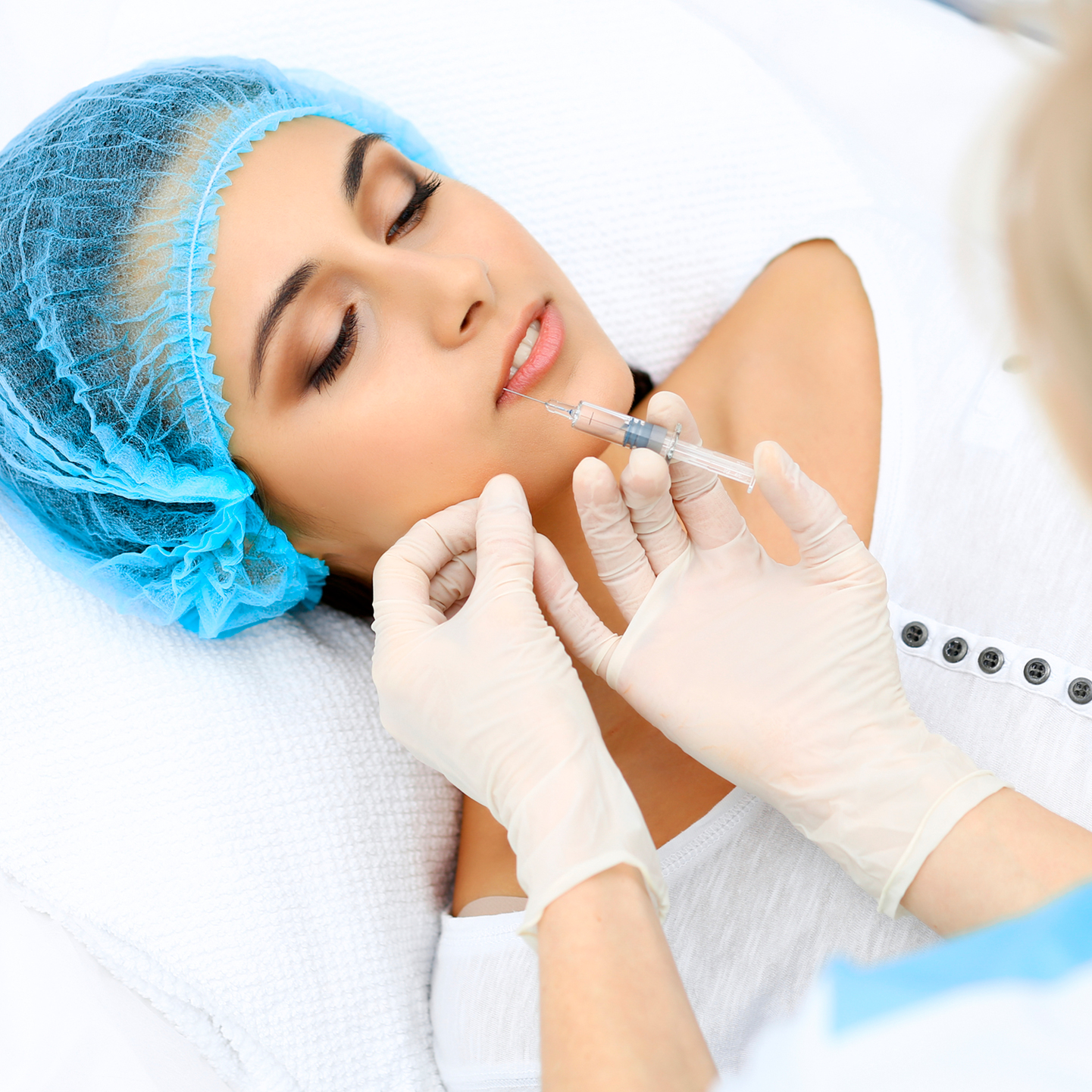
Lip augmentation is an umbrella term for all treatments that enhance lip volume, shape, definition, and symmetry. Augmentation procedures fall into two broad categories: surgical and non-surgical options. At Desert Bloom, the approach is non-surgical only — injectable hyaluronic acid dermal fillers that add volume, shape the vermilion border, and enhance the lip corners and cupid’s bow without incisions.
Surgical lip augmentation includes procedures performed by a plastic surgeon — lip implants (silicone or Alloderm), fat grafting, direct and indirect lip lifts, and subnasal lip lift techniques. These options require incisions, local or general anesthesia, longer recovery, and carry visible scar risk. A direct lip lift permanently shortens the space between the upper lip and the nose. Patients seeking a permanent option should consult a plastic surgeon about which approach fits their goals.
Non-surgical lip augmentation — the approach offered at Desert Bloom — uses injectable hyaluronic acid dermal fillers to add volume, shape the vermilion border, and enhance the lip corners and cupid’s bow. Benefits include restored fullness, smoother fine lines, improved symmetry, and a more youthful appearance. Both women and men seek these results, particularly as the natural aging process causes thinning in the soft tissues around the mouth.
Hyaluronic acid (HA) is a natural substance found in the body’s soft tissue that binds water. When used in the lips, HA gel creates smooth, plump volume that feels soft to the touch. HA filler can often be dissolved or adjusted with hyaluronidase when clinically appropriate — a key benefit over surgical or permanent options. Lip augmentation is one of the most commonly requested cosmetic procedures in the United States, with over 1.58 million HA filler lip augmentation procedures performed in 2024 (ASPS 2024 Plastic Surgery Statistics Report).
Surgical vs. Non-Surgical Lip Augmentation: What's the Difference?
Desert Bloom offers non-surgical HA filler only. Surgical procedures are summarized here for education and informed comparison.
| Factor | Non-Surgical (HA Filler) | Surgical (Implant · Fat Grafting · Lip Lift) |
|---|---|---|
| Provider | Qualified medical injector | Plastic surgeon |
| Anesthesia | Topical + lidocaine in filler | Local or general |
| Incisions | None | Yes — small (filler) to larger (lift) |
| Recovery | Same-day return | Several weeks |
| Duration | 6–12 months | Permanent (implant / lift) or semi-permanent (fat transfer) |
| Reversible | HA can be dissolved with hyaluronidase | No |
| Visible scars | None | Possible |
Non-Surgical (HA Filler)
- Provider
- Qualified medical injector
- Anesthesia
- Topical + lidocaine in filler
- Incisions
- None
- Recovery
- Same-day return
- Duration
- 6–12 months
- Reversible
- HA can be dissolved with hyaluronidase
- Visible scars
- None
Surgical (Implant · Fat Grafting · Lip Lift)
- Provider
- Plastic surgeon
- Anesthesia
- Local or general
- Incisions
- Yes — small (filler) to larger (lift)
- Recovery
- Several weeks
- Duration
- Permanent (implant / lift) or semi-permanent (fat transfer)
- Reversible
- No
- Visible scars
- Possible
Which Lip Filler Is Right for You? FDA-Approved Options

All options at Desert Bloom use FDA-approved hyaluronic acid injectable fillers with lidocaine. Dr. Natalya Borakowski, NMD recommends a product based on anatomy, goals, and desired outcome — discussed at your initial consultation. Each product offers a different gel consistency and injection experience, making personalized selection important.
| Product | Best For | Feel | Typical Duration |
|---|---|---|---|
| Revanesse Versa | Most patients — moderate volume, balanced gel density | Soft, natural | 8–12 months |
| RHA 2 | Fine-line softening around the perioral area, subtle volume | Lightest, most adaptive | 6–9 months |
| RHA 3 | More definition along the vermilion border, structured volume | Firmer, holds contour | 9–12 months |
Best For
- Revanesse Versa
- Most patients — moderate volume, balanced gel density
- RHA 2
- Fine-line softening around the perioral area, subtle volume
- RHA 3
- More definition along the vermilion border, structured volume
Feel
- Revanesse Versa
- Soft, natural
- RHA 2
- Lightest, most adaptive
- RHA 3
- Firmer, holds contour
Typical Duration
- Revanesse Versa
- 8–12 months
- RHA 2
- 6–9 months
- RHA 3
- 9–12 months
Pricing
- Revanesse Versa (per one syringe)$500
Technique Matters: Fine Needle vs. Cannula
The injection technique used affects both results and comfort. Dr. Borakowski uses a fine needle or cannula technique depending on the anatomy of the injection sites and the goals for each patient.
Fine needle technique allows precise placement at the vermilion border, cupid’s bow, and upper lip area — ideal for definition work and lip corner enhancement.
Cannula technique reduces bruising risk by navigating soft tissue without repeated punctures — often used when adding volume to the body of the lips.
Dr. Borakowski’s anatomy training is central to her approach. The lips are a high-risk zone for vascular occlusion — a rare but serious complication that occurs when filler is inadvertently injected into a blood vessel. Her safety approach includes anatomy-based technique, cautious placement, continuous tissue assessment, and immediate access to hyaluronidase if needed. These are not optional add-ons — they are standard practice at every lip augmentation appointment.
From Consultation to Results: What to Expect
- 1
Initial Consultation
Many patients book treatment directly, though some benefit from a separate consultation first — particularly if filler was placed within the past 6 months, if migration from prior filler may require removal first, or if existing volume suggests adding more could cause unwanted outcomes. Dr. Borakowski assesses lip anatomy, face proportions, and lip shape, then recommends a product and technique.
- 2
Preparation
Extra-strength numbing cream is applied 45 minutes before the procedure, ensuring thorough comfort throughout. If you have a history of cold sores, Dr. Borakowski may recommend a prophylactic antiviral beforehand — please mention this during consultation.
- 3
Treatment
Filler is performed via fine needle or cannula injection into the lip tissue. The procedure takes 15 to 30 minutes. Volume is carefully measured and placed — the goal is natural definition, not an overfilled appearance.
- 4
Immediately After
Lips appear overfull. Swelling and possible bruising are normal side effects of injection into the lip tissue.
- 5
Days 1–7
Peak swelling at days 2–3, then subsides. Bruising resolves. Redness and mild tenderness at injection sites are normal in the first day or two. Most patients return to normal activities during this period.
- 6
Week 2
Optimal results visible. Filler has settled into final shape.
No surgery. No general anesthesia. No incisions. Most patients resume daily activities immediately after the procedure.
Aftercare: What to Do (and Avoid) After Lip Augmentation
Recovery after non-surgical lip augmentation is minimal compared to surgical options — but a few simple steps help ensure the best results.
First 24–48 Hours
- Apply an ice pack (wrapped in cloth) to reduce swelling — 10 minutes on, 10 minutes off
- Stay upright and avoid bending or strenuous exercise — physical activity increases swelling
- Eat soft foods to avoid excessive pressure on the lips
- Avoid alcohol — it increases bruising
- Do not touch or massage the lips unless instructed
First Week
- Avoid fish oil, aspirin, and blood-thinning supplements (ideally stop several days before the procedure)
- Avoid smoking for several days around treatment if possible, as it may interfere with healing and circulation
- Avoid extreme heat (saunas, hot tubs)
- Mild pain or tenderness is normal; acetaminophen is appropriate for discomfort if needed — avoid aspirin or ibuprofen, which increase bruising
- Redness and numb sensation near injection sites typically resolve within a few days
Recovery time is typically 7–14 days for full resolution of bruising and swelling. Most swelling and bruising are substantially improved by the end of week one.
Lip Augmentation Results: How Long Do They Last?

Lip augmentation results typically last 6 to 12 months depending on product, injection volume, and individual metabolism. Published meta-analysis data indicates 74% of patients maintain meaningful improvement at the 6-month mark (Czumbel et al., Frontiers in Surgery 2021). Results are temporary by design — most patients use annual maintenance treatments to keep the look they want.
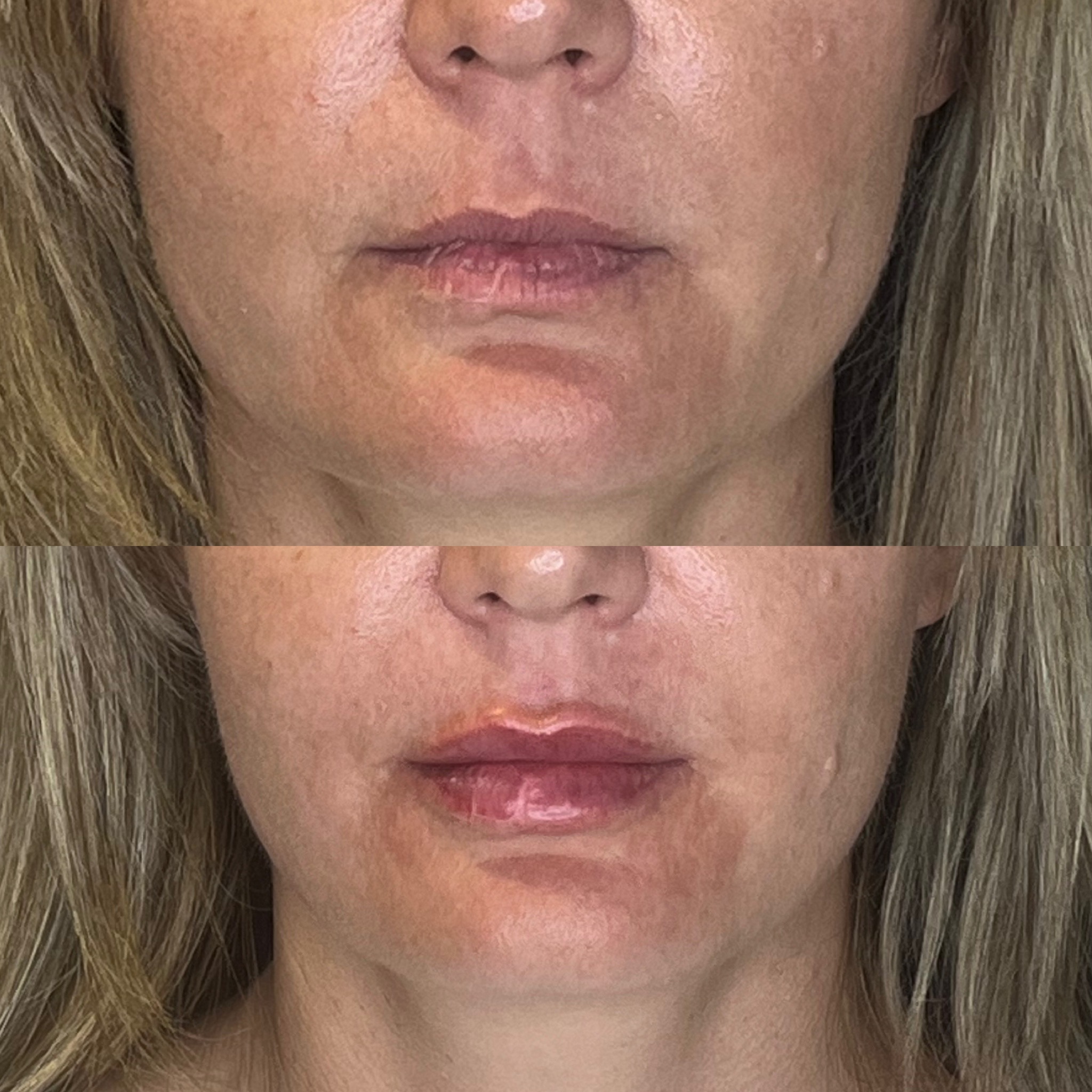
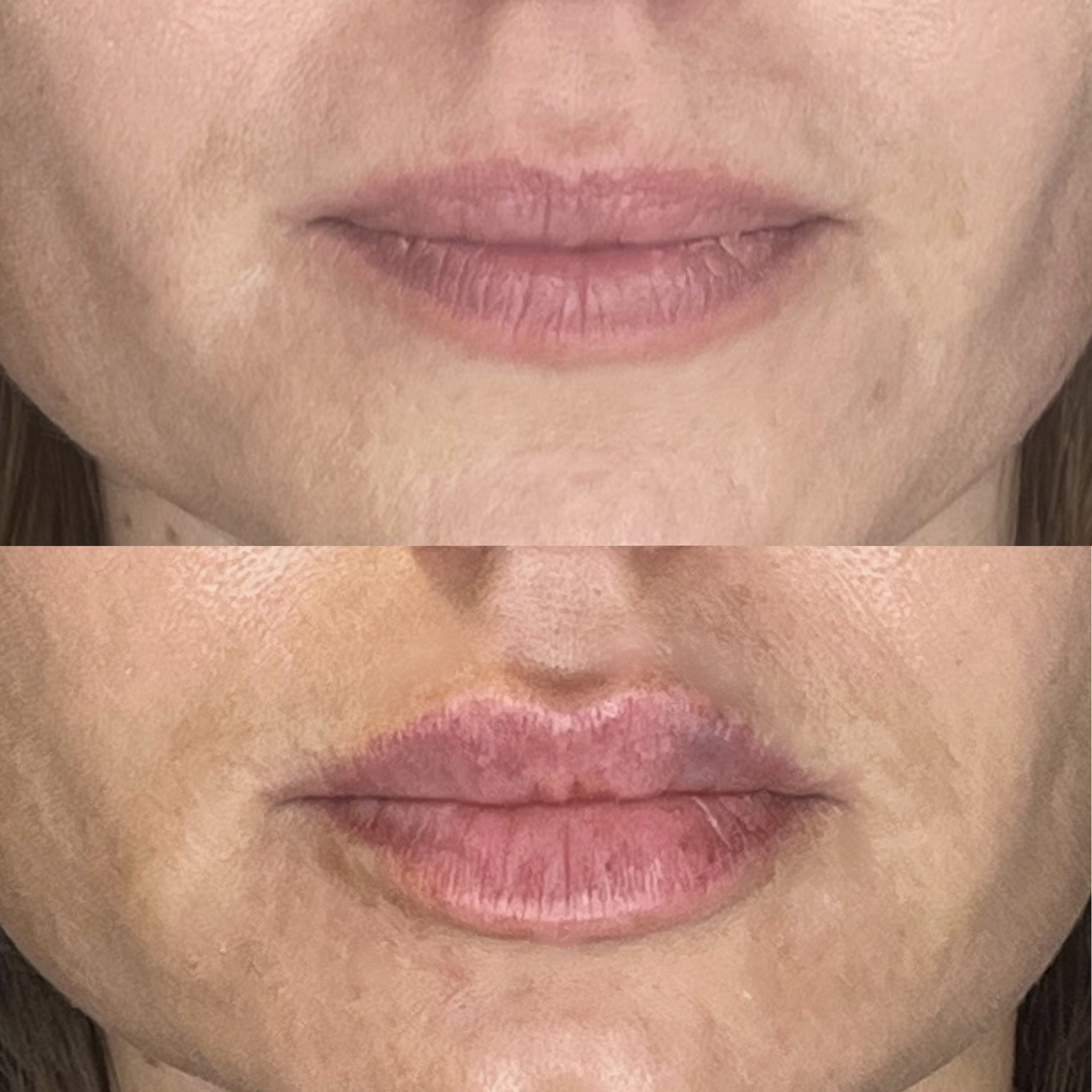
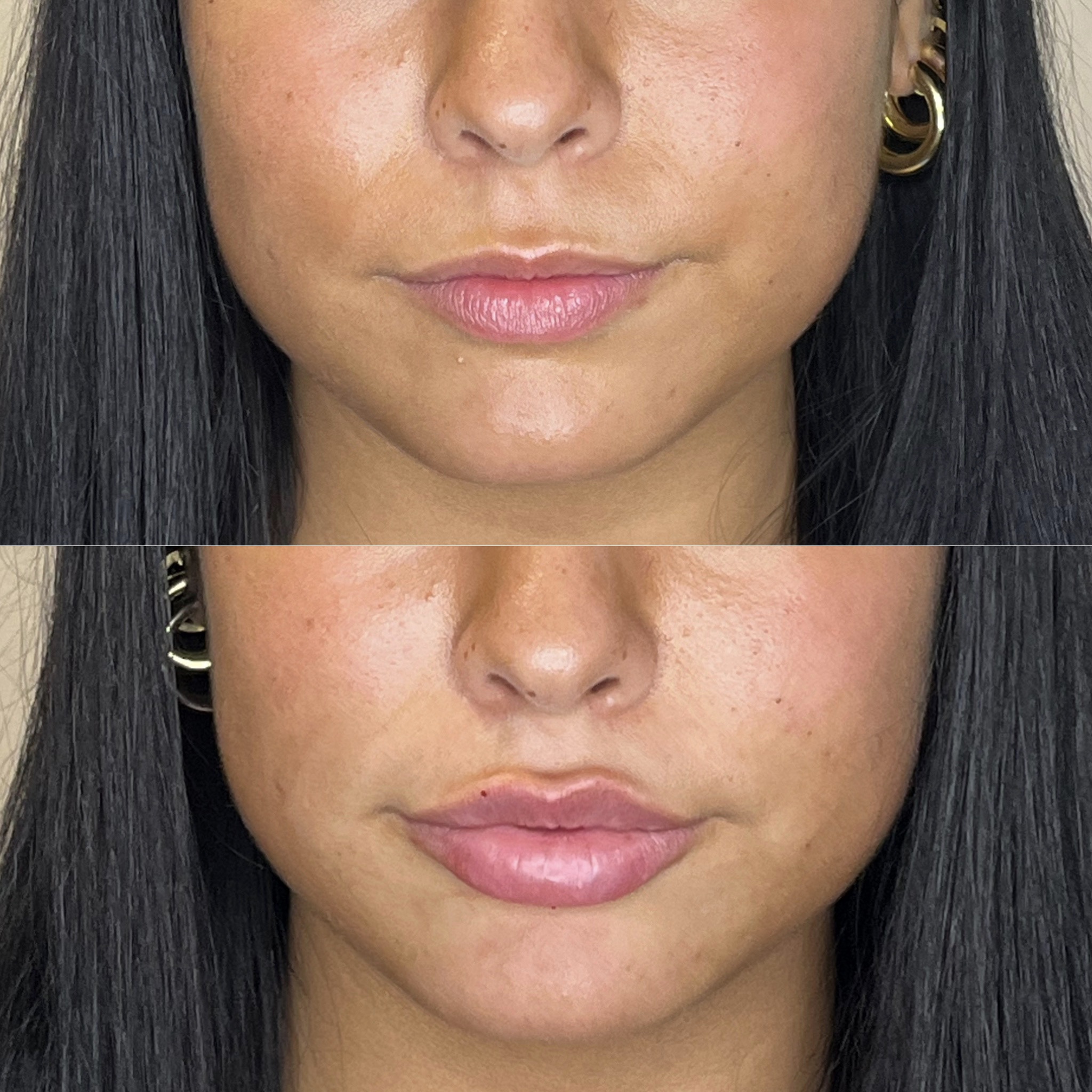
See more lip filler before and after results from Desert Bloom patients.
Before & After Gallery
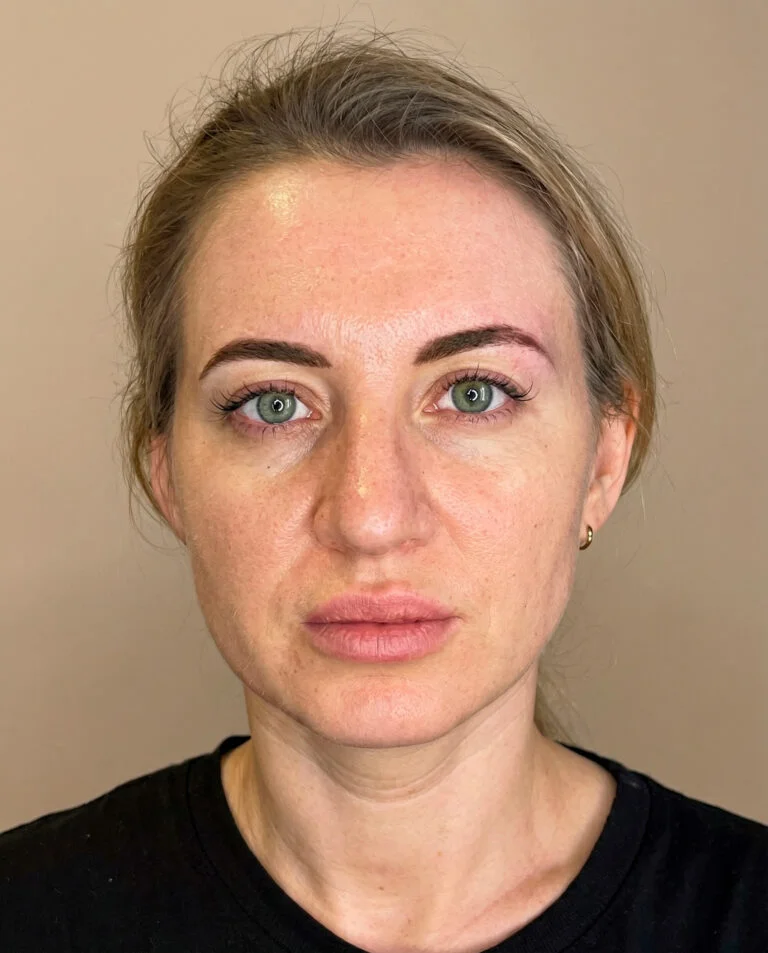
Real lip-filler results from Dr. Borakowski — natural volume, defined border, balanced upper-to-lower ratio.
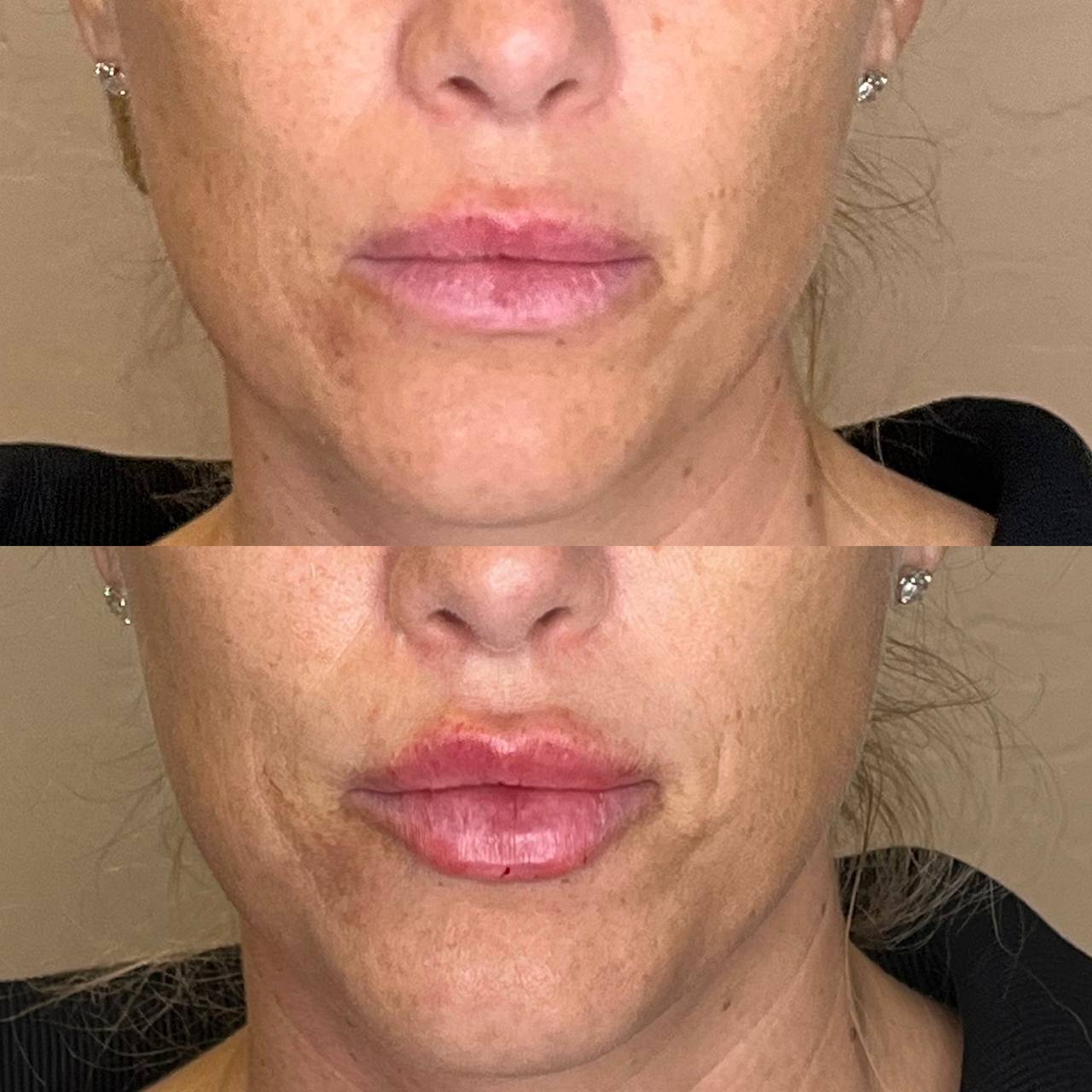 BeforeAfter
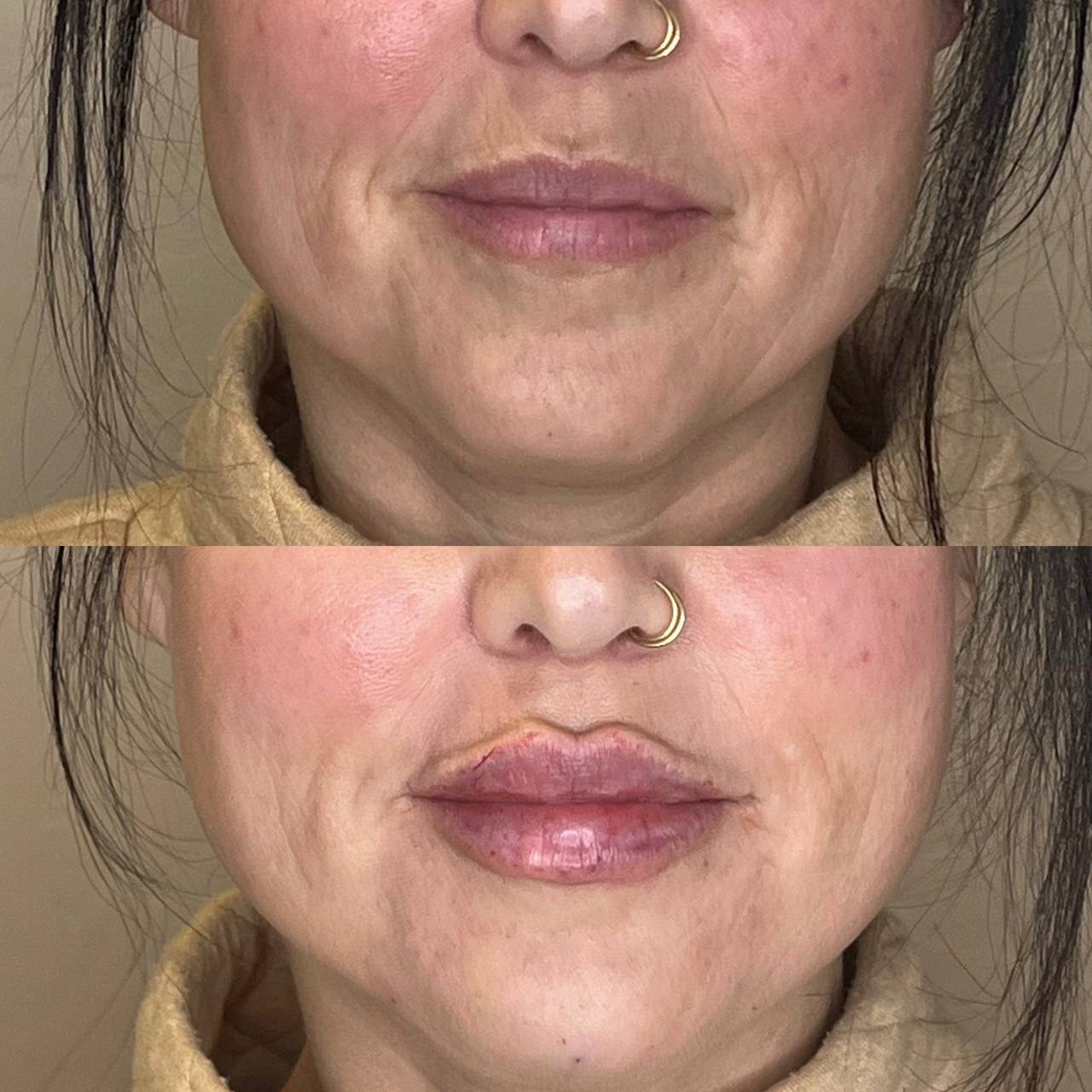 BeforeAfter
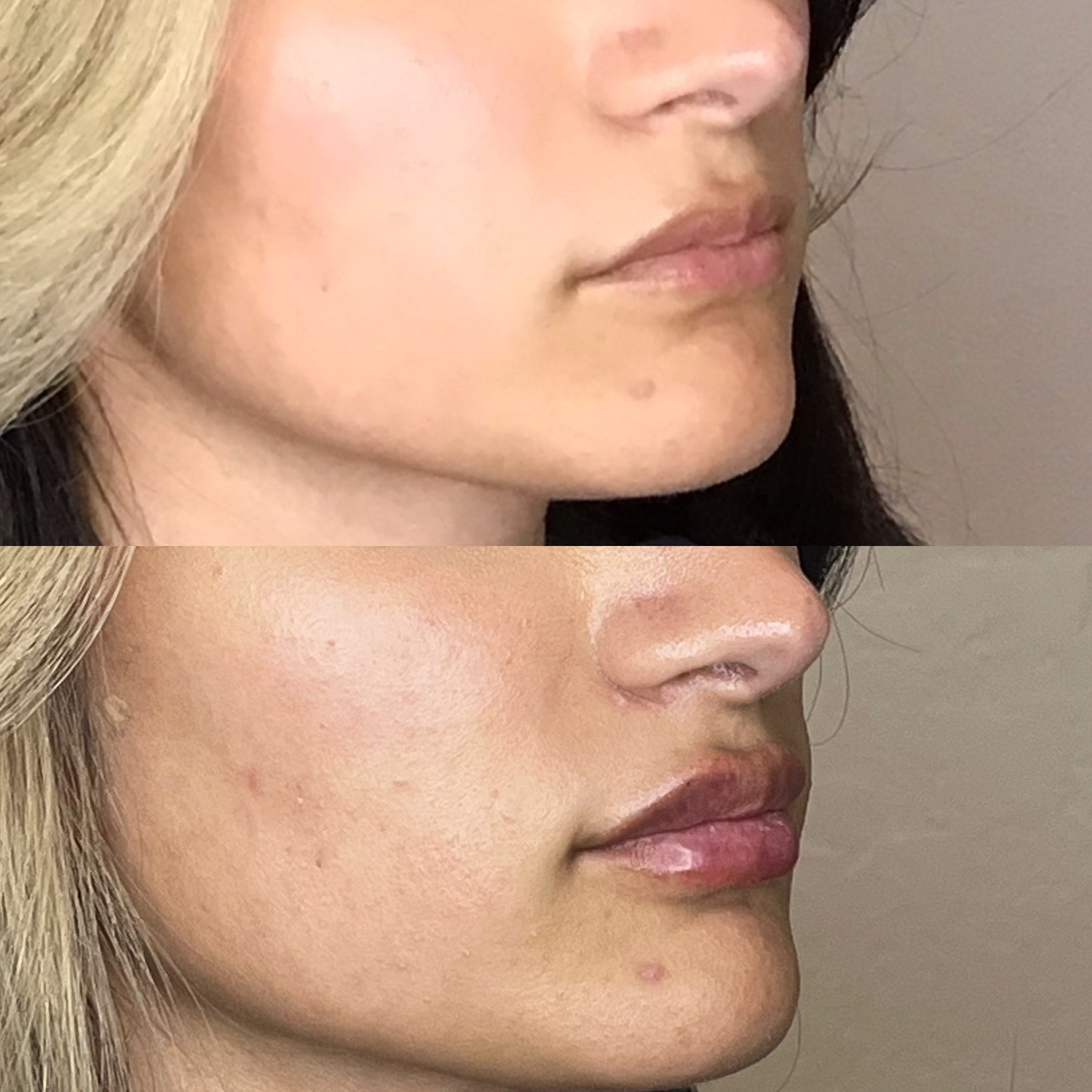 BeforeAfter
 BeforeAfter
 BeforeAfter
 BeforeAfter
Lip Augmentation Cost in Scottsdale
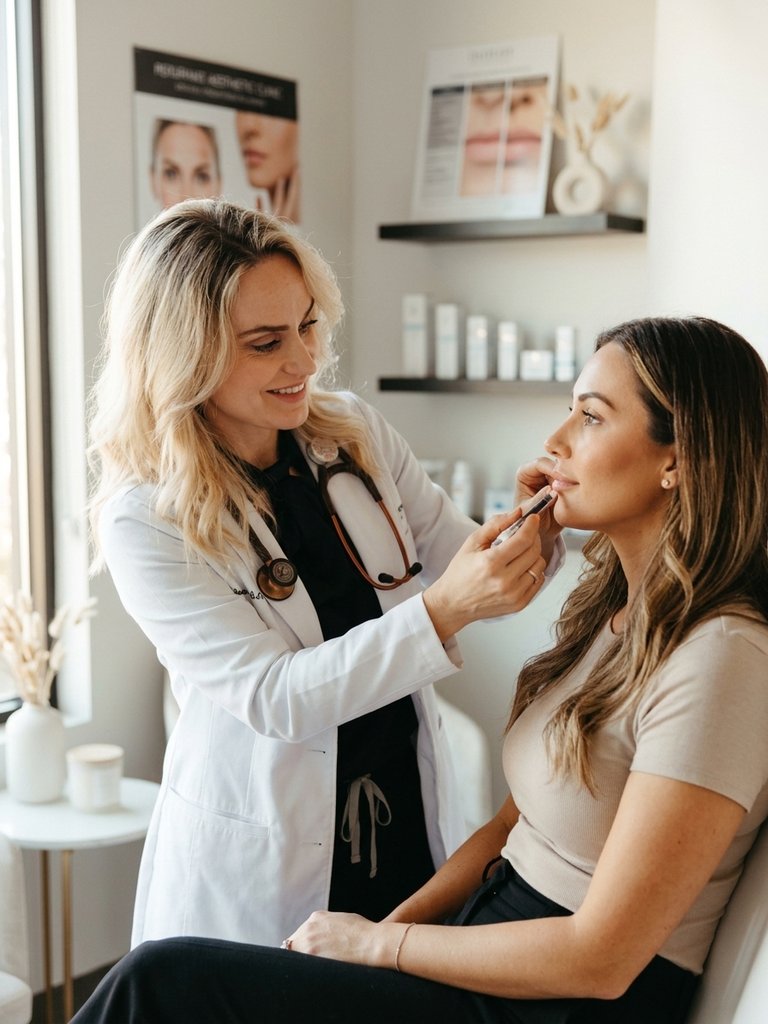
Lip augmentation at Desert Bloom is priced per syringe — current rates for Revanesse Versa, RHA 2, and RHA 3 are listed on the price list. Augmentation patients never receive more than one syringe per session — too much volume in a single session increases the risk of filler migration and an unnatural appearance. Patients who want more fullness achieve it gradually over sessions spaced 6 to 9 months apart.
Desert Bloom serves patients throughout Scottsdale and the Phoenix metro area — including Phoenix, Tempe, Paradise Valley, and Fountain Hills.
Risks and Side Effects of Lip Augmentation
HA fillers have a strong safety profile when performed by a qualified provider. Understanding the risks and potential complications helps patients make an informed decision.
Common Side Effects
Swelling, bruising, and mild tenderness in the treated tissue are the most common side effects. Injection-site swelling occurs in approximately 74–78% of patients; bruising in approximately 34–40% (Czumbel et al., Frontiers in Surgery 2021; Wen et al., Aesthetic Surgery Journal 2026). Most side effects resolve within 7 to 14 days. Fine lines near the mouth may temporarily appear more visible due to swelling.
Uncommon Side Effects
Lumps or bumps (most resolve with gentle massage), cold sore reactivation in approximately 0.6% of HSV-positive patients (Czumbel et al. 2021), redness and numb sensation at injection sites. These effects typically resolve without intervention.
Rare Complications
Allergic reaction is rare with HA fillers, as hyaluronic acid is a natural substance found in the body. The most serious recognized risk in lip filler is vascular occlusion — see the safety note below.
Your Provider: Dr. Natalya Borakowski, NMD

Dr. Natalya Borakowski, NMD is the founder of Desert Bloom Skincare with 17 years of experience in aesthetic medicine. Her training extends beyond injection techniques to holistic patient care — ensuring each individual achieves results that enhance overall facial harmony, not just isolated volume.
Her approach to lip augmentation is natural-first. She helps patients understand realistic outcomes, discusses concerns fully, and is willing to say no when augmentation is not the right fit. Her goal is to provide confidence — not just volume.
A good consultation does not always end with a procedure. Sometimes it ends with clarity about the right timing, the right product, or whether a different approach — including a referral to a plastic surgeon — would serve you better.
“For patients with thin lips, on the very first treatment, we discuss the gradual approach to lip augmentation. Using a thin needle and vertical injection technique, a very small amount of filler is injected aiming to shorten the space between the vermilion border and the tip of the nose. Most patients with thin lips need 2–3 sessions, 6–9 months apart, to achieve the desired result.”
Frequently Asked Questions About Lip Augmentation
How soon can I return to activities after lip augmentation?
Can lip augmentation be reversed?
What lip augmentation results can I expect?
What is the difference between non-surgical lip augmentation and a lip lift?
Who performs lip augmentation at Desert Bloom?
Medically reviewed by
Founder of Desert Bloom Skincare · Adjunct Faculty, University of Bridgeport
References
- 1.
Czumbel LM, Farkasdi S, Gede N, et al.. Hyaluronic Acid Is an Effective Dermal Filler for Lip Augmentation: A Meta-Analysis. Frontiers in Surgery; 2021;8:681028.
DOI: 10.3389/fsurg.2021.681028
PMID 34422892. Effect-size and adverse-event data underlying our duration and side-effect ranges.
- 2.
Colon J, Mirkin S, Hardigan P, et al.. Adverse Events Reported From Hyaluronic Acid Dermal Filler Injections to the Facial Region: A Systematic Review and Meta-Analysis. Cureus; 2023;15(4):e38286.
DOI: 10.7759/cureus.38286
PMID 37261136. Adverse-event profile across HA filler facial procedures.
- 3.
Wen YE, Perez Rivera LR, Wyatt HP, et al.. Efficacy and Safety of Hyaluronic Acid Lip Fillers: A Systematic Review and Meta-Analysis of Randomized Controlled Trials. Aesthetic Surgery Journal; 2026;46(5):NP24-NP32.
DOI: 10.1093/asj/sjaf224
PMID 41186199. RCT-level evidence on lip-specific HA filler outcomes.
- 4.
American Society of Plastic Surgeons.. 2024 Plastic Surgery Statistics Report. plasticsurgery.org; 2024.
Procedure volume figure (1.58M HA lip augmentation procedures, 2024).
Individual results may vary. All procedures carry risks. An assessment with Dr. Borakowski determines whether lip augmentation is appropriate for your anatomy and goals. All products are FDA-approved and administered as indicated. This content does not constitute medical advice. Last updated: April 2026.