Non-Surgical Facial Masculinization in Scottsdale, AZ 85260
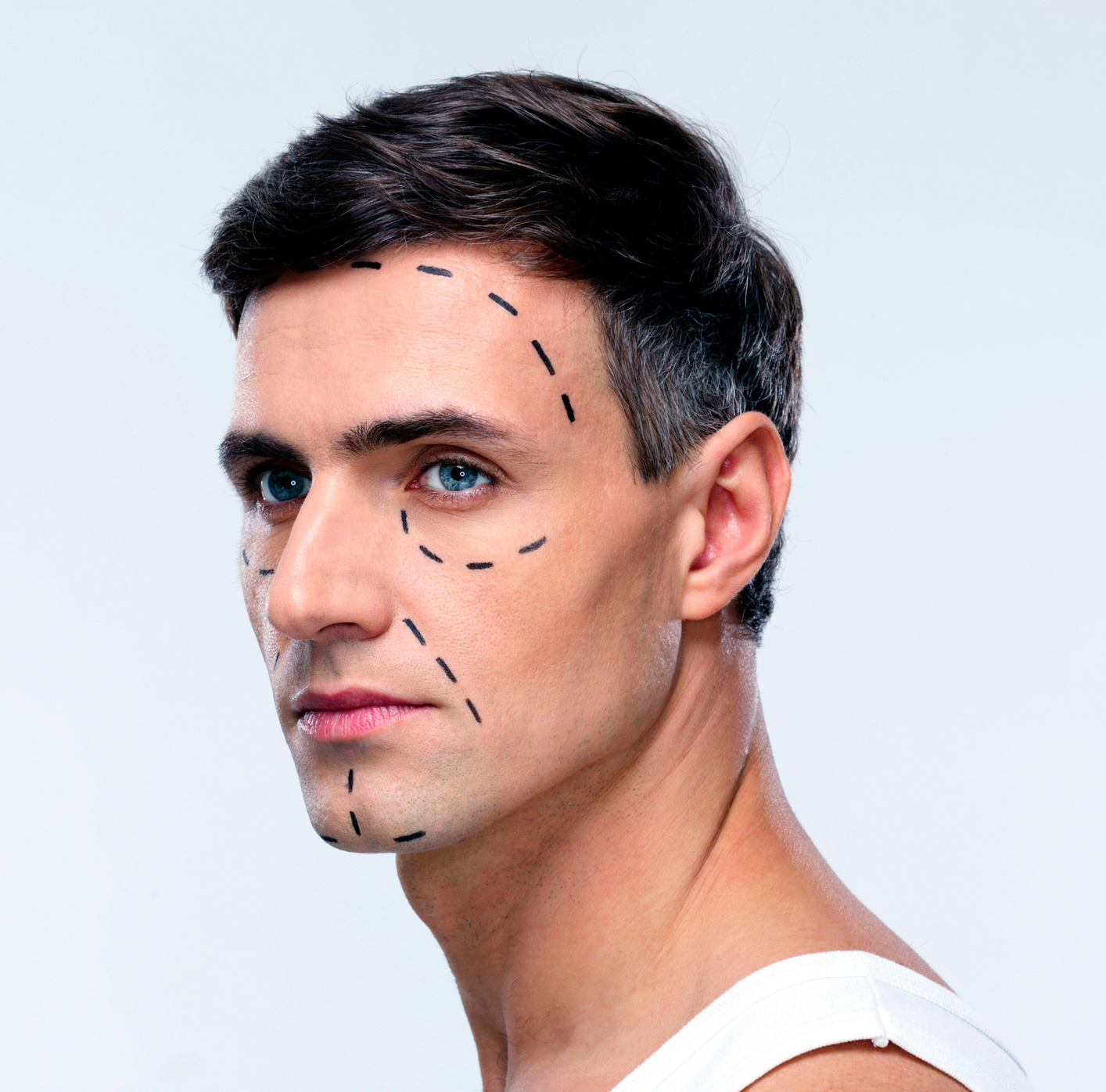
Stronger Jawline. More Defined Chin. No Surgery.
You have been thinking about it — the jawline that used to be sharper, or the chin that never quite matched the rest of your face. Non-surgical facial masculinization uses dermal fillers to enhance masculine facial features — jawline width, chin projection, cheekbone definition — without implants or extended recovery. This procedure is the most popular option for men who desire a more angular look.
At a Glance
Procedure time: 45–60 minutes
Results visible: Immediately, settling over 2–4 weeks
Duration: 12–18 months typical
Downtime: Minimal — 1–3 days mild swelling
Consultation: Complimentary
Non-surgical facial masculinization is one of several dermal filler treatments at Desert Bloom, alongside facial feminization, aesthetic facial balancing, and facial sculpting.
What Is Non-Surgical Facial Masculinization?
Non-surgical facial masculinization is a cosmetic procedure that uses injectable fillers to enhance masculine facial structure without surgery. Strategic filler placement along the jawline, chin, and cheekbones creates angular definition — wider jaw, stronger chin projection, more prominent cheekbone architecture — reinforcing masculine appearance and overall masculinity.

The same fillers used in feminine enhancement are applied with different techniques and product firmness to enhance masculine features. Masculine facial procedures target angular, structural results rather than soft curves. Male skin is approximately 25 percent thicker than female skin, making the procedure different from what most individuals expect based on women’s injectables.
At Desert Bloom, Dr. Borakowski evaluates facial proportions, bone structure, and skin thickness to create a masculine enhancement plan specific to your anatomy. The goal is to achieve a look that enhances your natural features. For patients seeking overall harmony, aesthetic facial balancing may also be part of the conversation.
Treatment Areas We Offer
Each facial masculinization procedure targets a specific zone. Dr. Borakowski evaluates your anatomy and goals to determine which areas — jawline, chin, cheeks, or a combination — will create the most balanced masculine result.
Jawline Filler for Men
The jawline is usually the first area men ask about — and the procedure that makes the biggest visual difference. A defined jawline is one of the strongest markers of a masculine face. Jaw contouring techniques target the mandibular angle for width and a sharp jawline sweep, creating the shape many men desire. Dr. Borakowski typically uses 2–3 syringes of Radiesse (a firmer, collagen-stimulating filler) placed deep along the bone to achieve a masculine, angular jaw. Most patients benefit from at least two sessions that build upon each other — with a possible second session of approximately 2 syringes at six or more months for men who desire additional definition. For individuals who want a reversible option, a firm HA filler like Restylane Defyne is used instead. Results last 12–18 months with Radiesse; 9–12 months with HA fillers.
Chin Filler for Men
Many men notice their chin first in photos — especially in profile. A weak chin undermines the face regardless of how strong the jawline is. This chin procedure uses supraperiosteal placement to create square, projected chin structure with horizontal width. The procedure can achieve an average projection increase of approximately 2.26 mm with injectables alone. Typical volume: 1–3 mL total. Duration: 12–24 months depending on product.
Cheek Filler for Men
Cheekbone work is often the finishing procedure that ties jaw and chin results together. Masculine cheekbone enhancement targets the lateral zygomatic arch (cheekbone ridge) for angularity — not the anterior “apple cheek” projection used in feminine procedures. The goal is to create cheekbone definition that adds shape and structure without softness. Typical volume: 0.5–1.5 mL per side, placed laterally. Results look natural and last 12–18 months.
| Area | Goal | Typical Volume | Filler Options | Duration |
|---|---|---|---|---|
| Jawline | Width, angular definition | 2–3 mL/side | Radiesse (primary), Restylane Defyne (HA alternative) | 12–18 mo |
| Chin | Square projection, width | 1–3 mL total | Radiesse | 12–24 mo |
| Cheeks | Lateral arch definition | 0.5–1.5 mL/side | Radiesse, Restylane Contour | 12–18 mo |
Additional areas include brow bone reinforcement, lips (for subtle masculine fullness), and non-surgical rhinoplasty to reshape the nose. For patients with facial asymmetry, filler placement can correct imbalances between sides. Masseter Botox for jaw slimming is a separate option for patients who need it — it is not routinely combined with jawline filler. See results in our before-and-after gallery.
Fillers vs. Facial Masculinization Surgery
| Factor | Non-Surgical (Fillers) | Surgical (Implants / FMS) |
|---|---|---|
| Downtime | 1–3 days (swelling, bruising) | 2–4 weeks recovery |
| Anesthesia | Local / topical | General |
| Reversibility | HA fillers can be dissolved | Permanent implants |
| Results onset | Immediate | After swelling resolves (weeks) |
| Duration | 12–18 months (maintenance) | Permanent |
| Cost per session | Lower upfront | Higher upfront |
| Best for | Mild-to-moderate enhancement; testing goals | Major structural change |
Non-surgical facial masculinization is ideal for men exploring enhancement for the first time or who desire reversible results with minimal downtime. The procedure is safe and does not require general anesthesia. Non-surgical masculinization cannot replicate jaw implants or cheek implants for major structural change — but for mild-to-moderate enhancement, fillers achieve visible results with far less commitment. Of all male cosmetic procedures, 82 percent are non-surgical. Desert Bloom also offers non-surgical facial feminization for patients seeking gender-affirming treatment in the opposite direction.
Who Is a Good Candidate?
Ideal candidates for non-surgical facial masculinization typically:
- Desire more jawline definition, chin projection, or cheekbone structure
- Prefer a non-surgical option with minimal downtime and safe, proven injectables
- Have mild-to-moderate structural concerns (not severe laxity requiring a surgeon)
- Are in good general health with realistic expectations about what the procedure can achieve
- Include cisgender men seeking sharper masculine features, transgender men pursuing gender-affirming enhancement, or any individuals wanting a more angular face shape
This is a gender-affirming procedure as much as it is a cosmetic one — and our gender-inclusive approach means every individual receives the same careful treatment. Whatever your reason for wanting stronger, more defined masculine facial features, Dr. Borakowski determines whether fillers, a combination approach, or a referral to a surgeon is the right next step.
How Much Does Jawline Filler for Men Cost in Scottsdale?
Total cost depends on the treatment areas and volume needed. Most jawline masculinization procedures require 2–3 syringes of Radiesse in the first session. Expect at least two sessions that build upon each other — a second session of approximately 2 syringes at six or more months is typical for men who desire further definition.
With Radiesse, no maintenance is needed once desired correction is achieved — making it an ideal option for individuals who want long-lasting results. For patients who choose HA fillers, touch-ups may be desired around 12 months. A complimentary consultation includes facial assessment and personalized cost estimate. Visit our current pricing page for per-syringe rates and facial sculpting options.
Why Choose Desert Bloom Skincare
Dr. Natalya Borakowski, NMD brings 17 years in aesthetic medicine and a naturopathic background that shapes every masculinization procedure. She evaluates the full picture — skin quality, bone structure, body proportions — before recommending a single syringe.
If fillers alone cannot achieve your desired look, she will refer you to a surgeon. The aim is enhancement that looks completely natural — a sharper version of your own face. Desert Bloom’s clinical aesthetics approach means treatment decisions are driven by anatomy, not sales targets.

“Every masculinization plan starts with understanding your bone structure and what fillers can realistically achieve. I would rather set honest expectations than overpromise.”
Frequently asked questions
Is the masculinization procedure safe?
Yes. Non-surgical facial masculinization uses FDA-cleared fillers and safe, well-established injection techniques. The procedure is performed in-office and serious complications are rare with an experienced provider.Is filler for men different from filler for women?
Same products, different techniques. Male facial filler uses firmer products placed at deeper planes to create angular definition. Lip fillers for men, for example, focus on increasing definition rather than volume.How long do jawline fillers last?
Most jawline fillers last 12–18 months depending on product and individual metabolism. With Radiesse, no maintenance is needed once desired correction is achieved. With HA fillers, patients may request additional volume around 12 months.How many syringes will I need?
Most jawline procedures require 2–3 syringes of Radiesse in the first session, with a possible second session of approximately 2 syringes at six or more months. Dr. Borakowski determines volume during your consultation based on your face, anatomy, and goals.What is the recovery like?
Most men return to work the same day. Mild swelling for 1–3 days. Avoid exercise, heavy sweating, hats or masks over treated areas, and makeup on the injection sites for at least 24 hours. Recovery and downtime are minimal compared to facial masculinization surgery, which requires 2–4 weeks.Can I combine jawline, chin, and cheek filler in one procedure?
Yes — treating multiple areas in one session is common. Full-face masculinization procedures address jaw, chin, and cheekbones together, making it ideal for men who desire a complete look.Will the results look natural?
When performed by a provider who understands masculine facial anatomy, the procedure creates definition that looks natural. The goal is to enhance your existing facial features into a sharper shape, not create a different face.Can fillers be reversed?
HA fillers (Restylane Defyne, Restylane Contour) can be dissolved. Radiesse cannot be reversed, which is why Dr. Borakowski discusses product options carefully during consultation.How do I prepare?
Avoid blood-thinning medications (aspirin, fish oil, vitamin E) for one week before the procedure. Arrive with a clean face — a full shave is not required, as jaw filler can be performed with short stubble. Temporary swelling is normal and resolves quickly.Book Your Consultation
Schedule a complimentary consultation with Dr. Borakowski to discuss your facial masculinization goals — assessment, treatment plan, and cost estimate, with no obligation.
Desert Bloom Skincare
10752 N 89th Place, Suite 122, Scottsdale, AZ 85260
← Explore all dermal filler treatments at Desert Bloom
References
- “Optimizing Dermal Filler for Chin and Jawline Definition.” Plastic and Reconstructive Surgery. 2024. (PMC12811921 — volumes, technique, satisfaction data)
- “Reshaping the Lower Face Using Injectable Fillers.” Plastic and Reconstructive Surgery. 2020. (PMC7458843 — anatomy, injection protocols)
- “Male versus Female Skin — What Dermatologists and Cosmeticians Should Know.” International Journal of Women's Dermatology. 2018. (PMC6116811 — 25% thickness difference, vascularity)
- “Preferences and Barriers of Male Patients Seeking Aesthetic Procedures.” Aesthetic Surgery Journal. 2023. (PubMed 37750951 — patient psychology, 82% non-surgical statistic)
This content is provided for informational purposes and does not constitute medical advice. Individual results vary. A consultation with a qualified provider is required to determine candidacy and develop a personalized treatment plan. Desert Bloom Skincare, 10752 N 89th Place, Suite 122, Scottsdale, AZ 85260.
Content reviewed by Dr. Natalya Borakowski, NMD. Last updated: April 2026.
Non-Surgical Facial Masculinization price
- Non-Surgical Facial MasculinizationPrice on demand60 min
Consultation in skin care clinic
Desert Bloom Skincare Center offers personalized skincare consultation to help you achieve a flawless and radiant complexion. Book your appointment today and let our expert team of skincare professionals address your specific concerns and help you reach your skincare goals.
Similar treatments

Visit Our Scottsdale Aesthetic Center
Address
10752 N 89th Place, Suite 122,Scottsdale, AZ 85260.
Phone:(480) 567-8180
E-mail:info@desertbloomskincare.com
Get Directions →Location & Directions
Desert Bloom Skincare is conveniently located in the Shea Corridor of North Scottsdale, within Edwards Professional Park I — minutes from HonorHealth Scottsdale Shea Medical Center and the Mayo Clinic Scottsdale Campus.
Areas We Serve
We proudly provide expert non-surgical rhinoplasty and PDO thread lifts to patients across the Southwest:
- ScottsdaleNorth Scottsdale · McCormick Ranch · Gainey Ranch
- Paradise Valley
- PhoenixArcadia · Biltmore · North Phoenix
- Fountain Hills
- Cave Creek & Carefree