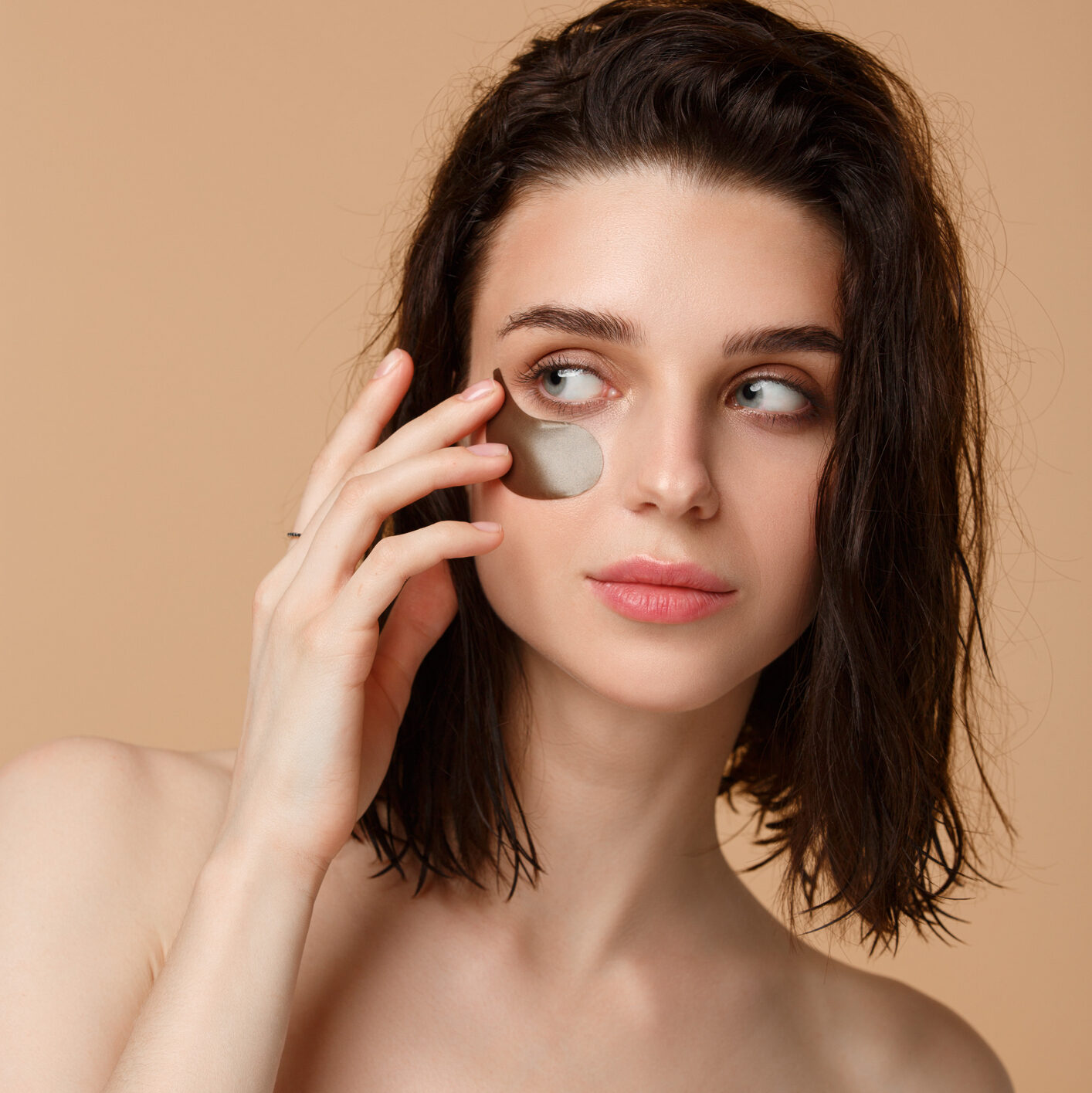
Dark circles are a symptom, not a condition
Dark circles under the eyes are a symptom — not a single condition. The same shadowed appearance can come from four very different causes: melanin-driven pigmentation, dilated blood vessels showing through thin periorbital skin, volume loss in the tear trough that casts a structural shadow, or naturally thin under-eye skin amplified by fatigue, allergies, and dehydration. Most people have one dominant cause and one secondary. This is why a single brightening cream helps some patients meaningfully and does nothing for others — the product may simply be treating the wrong problem.
At Desert Bloom, Dr. Natalya Borakowski, NMD starts every dark circles consultation with the same diagnostic question: brown or blue-purple? Hollow or flat? Structural or lifestyle? The answer determines the plan. Pigmented circles route to gentle topicals and chemical peels. Vascular circles in fair to medium skin can be calmed with KTP; in darker skin, with a tear trough cushion. Hollow tear troughs route to Restylane or RHA filler. Naturally thin under-eye skin responds to PRP biofiller, iontophoresis, and gentle collagen stimulation. Related: Eye Bags (puffiness and fat herniation) and Puffiness Under Eyes (fluid and lifestyle swelling).
Four different causes — four different fixes
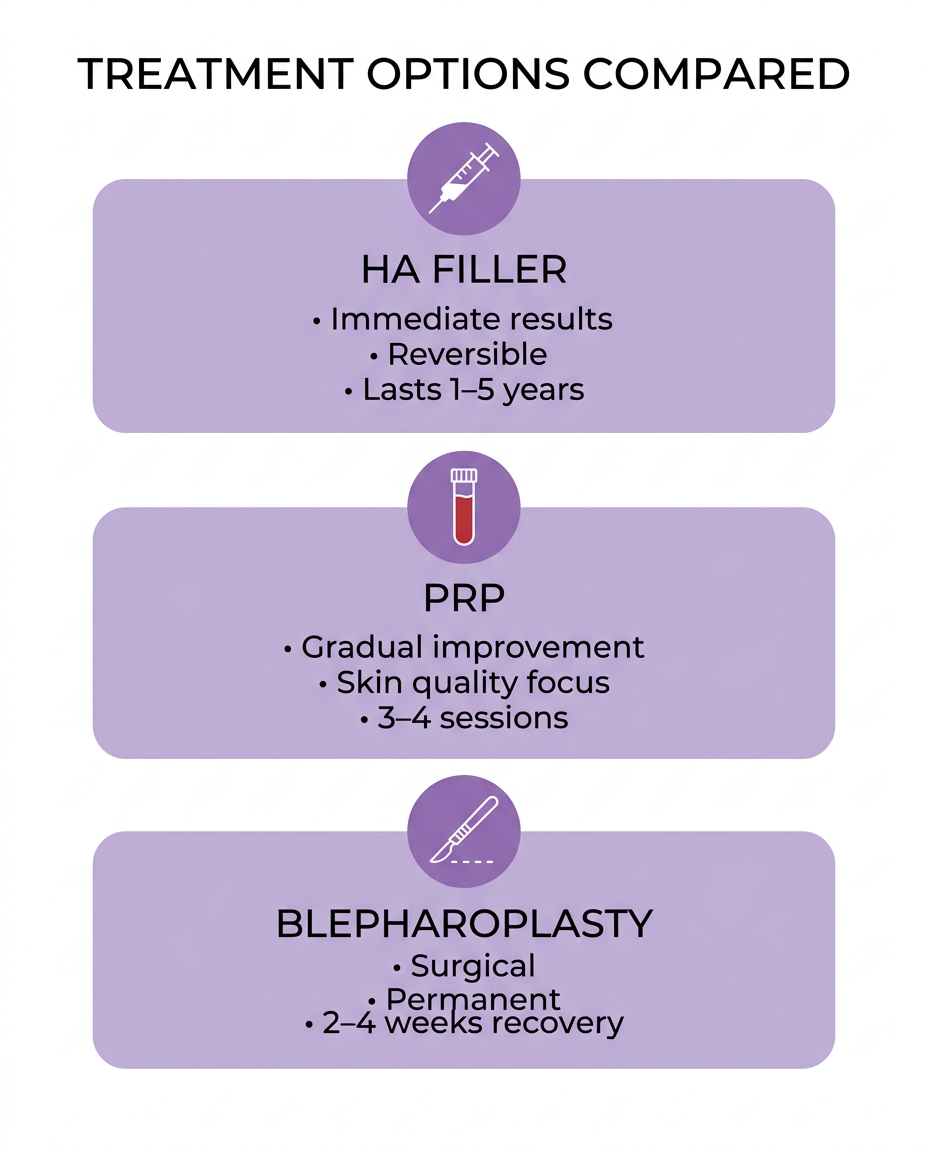
Dark circles fall into four clinical categories. Identifying the dominant cause is the only way to choose the right treatment — which is why the consultation comes before any plan. Below, each card pairs the visible sign with the path Dr. Borakowski typically takes at Desert Bloom.
- Pigmentation (brown / tan) — melanin in the periorbital skin; constitutional or sun-driven
- Vascular (blue / purple) — dilated vessels visible through thin lower-eyelid skin
- Hollowness (shadow) — tear trough concavity casts a shadow under the rim
- Skin thinness — naturally fine periorbital skin that lets everything underneath show through
Treatments we offer
Procedures for dark circles

Hollowness · vascular cushion
Tear Trough Treatment
Restylane or RHA filler restores tear trough volume, lifting the shadow and adding a soft cushion that masks visible vessels. Results 12–18 months.

Skin laxity · crepiness
Under-Eye PDO
Fine PDO threads stimulate collagen in the lower-lid skin, tightening crepey texture and reducing the depth of the shadow over 3–6 months.
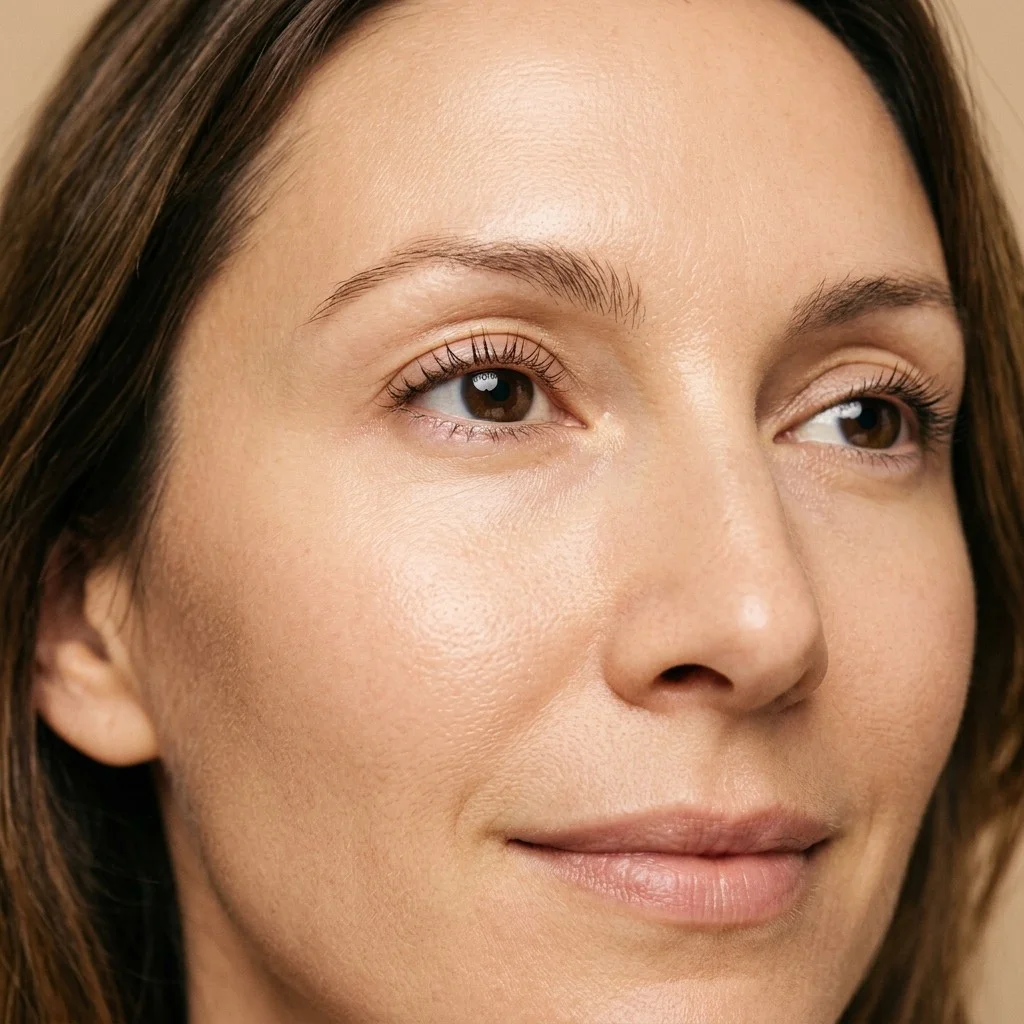
Thin skin · volume
PRP Biofiller
Velora HA-PRP combines autologous growth factors with hyaluronic acid to thicken thin under-eye skin and gently fill mild hollowness without product migration risk.
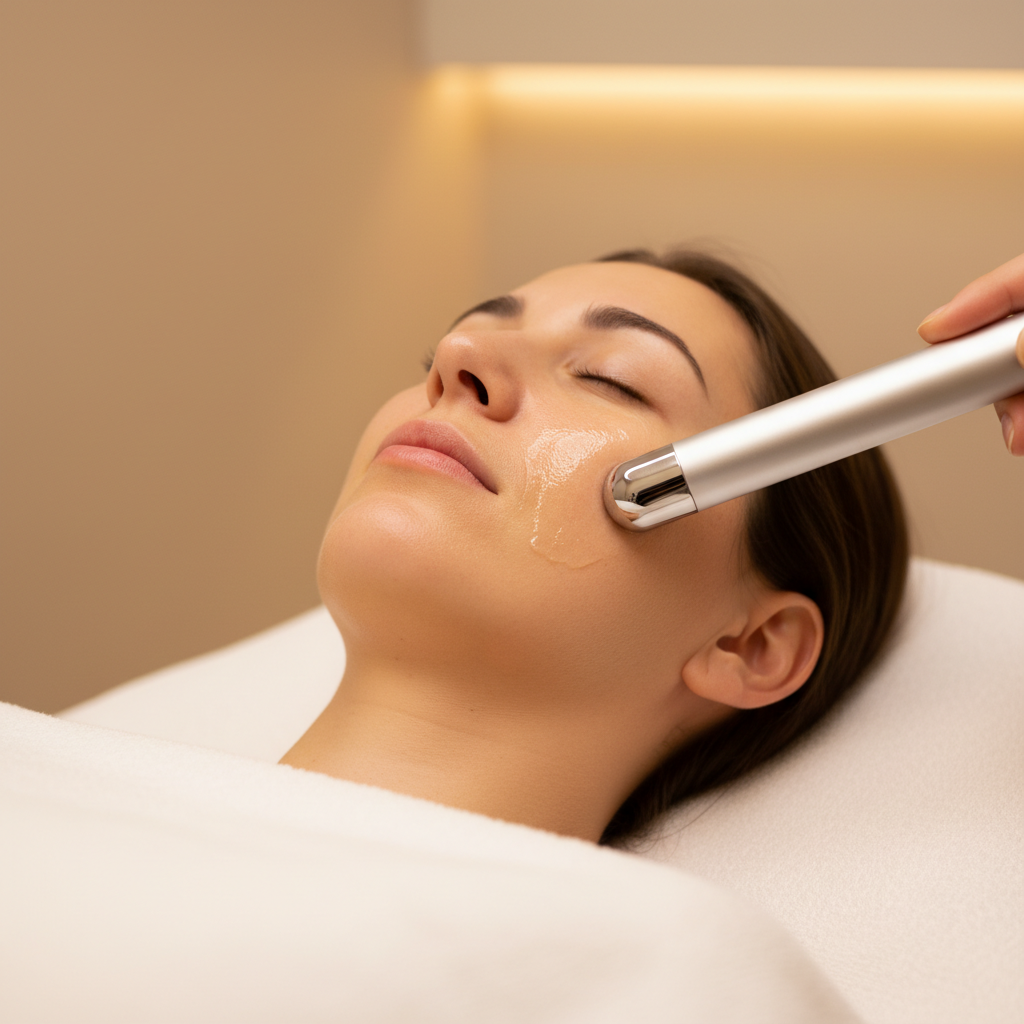
Pigmentation · brightening
Iontophoresis Facial
Electrophoretic delivery of vitamin C, kojic acid, and antioxidants into the periorbital skin. No heat, no melanin affinity — safe across all Fitzpatrick types.
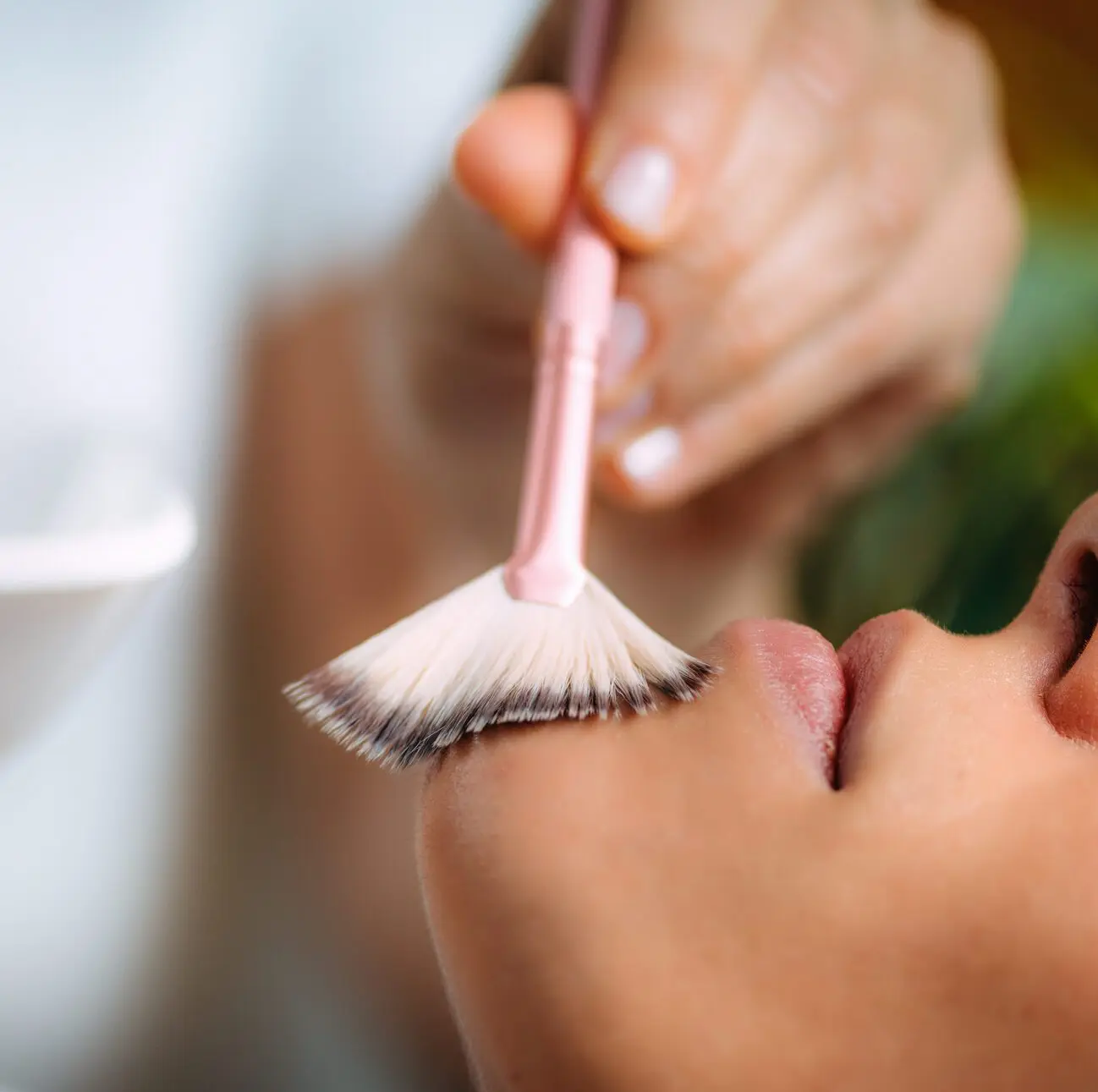
Pigmentation · resurfacing
Custom Chemical Peel
Mandelic acid, PRX-T33, or Dermaquest peels tailored to skin tone. First-line for periorbital hyperpigmentation in Fitzpatrick IV–VI where laser is contraindicated.
Start with what you see
Which path fits your circles
Match the visible sign to the typical next step. Dr. B confirms the route at consultation — sometimes two paths overlap and a combined plan works best.
They look brown or tan — even when I'm well-rested.
→Pigmentation route — pigmentation path — topicals, iontophoresis, and gentle peels (PRX-T33 / mandelic) for darker skin tones
VascularThey look blue or purple, with visible little veins.
→Vascular route — vascular path — a Restylane or RHA cushion in the tear trough, or KTP vein treatment in lighter skin tones
HollownessThe whole area looks sunken or hollow.
→Hollowness route — volume path — tear trough filler with Restylane or RHA restores the contour and erases the shadow
Thin skinMy under-eye skin is just very thin and delicate.
→Thin-skin route — thickening path — PRP biofiller plus iontophoresis to build skin density without injectable migration risk
Frequently asked questions
Why do I have dark circles even when I get enough sleep?
Can eye cream actually fix dark circles?
Are dark circles permanent?
Is tear trough filler safe for thin under-eye skin?
I have darker skin — what is safe for me?
How many sessions will I need?
How much does dark circle treatment cost in Scottsdale?

Medically reviewed by
Founder, Desert Bloom Skincare · 17 Years Experience
References
- 1.
Ranu H, Thng S, Goh BK, Burger A, Goh CL. Periorbital hyperpigmentation in Asians: an epidemiologic study and a proposed classification. Dermatol Surg; 2011;37(9):1297-1303.
- 2.
Sheth PB, Shah HA, Dave JN. Periorbital hyperpigmentation: a study of its prevalence, common causative factors and its association with personal habits and other disorders. Indian J Dermatol; 2014;59(2):151-157.
- 3.
Roberts WE. Periorbital hyperpigmentation: review of etiology, medical evaluation, and aesthetic treatment. J Drugs Dermatol; 2014;13(4):472-482.
- 4.
Sharad J. Dermal fillers for the treatment of tear trough deformity: a review of anatomy, treatment techniques, and their outcomes. J Cutan Aesthet Surg; 2012;5(4):229-238.
- 5.
Funt DK, Pavicic T. Dermal fillers in aesthetics: an overview of adverse events and treatment approaches. Clin Cosmet Investig Dermatol; 2013;6:295-316.
DOI: 10.2147/CCID.S50546
- 6.
Beleznay K, Carruthers JDA, Humphrey S, Jones D. Avoiding and Treating Blindness From Fillers: A Review of the World Literature. Dermatol Surg; 2015;41(10):1097-1117.