Teenage SkinProfessional treatments for teenage skin
A parent-and-teen guide to age-appropriate facials, acne care, and professional skin assessment supervised by Dr. Natalya Borakowski, NMD.
When your teen’s skin needs more than a good cleanser
Most teen skin questions don’t need a clinic. A fragrance-free gentle cleanser, a non-comedogenic moisturizer, and daily broad-spectrum SPF 30 handle the basics for most developing skin. But when breakouts keep returning despite a consistent home routine, when picking has started, or when post-inflammatory dark marks and early scarring are forming — a professional skin assessment gives you answers that a shelf of products cannot. At Desert Bloom Skincare in Scottsdale, every teen treatment is supervised by Dr. Natalya Borakowski, NMD, with facials performed by Licensed Aesthetician Sadie Luna Kearns.
This page is a routing map, not a sales pitch. Teen skin is not adult skin with less mileage — it is a developing system in the middle of a hormonal shift, with a thinner skin barrier, fluctuating oil production, and a genuine sensitivity to over-treatment. The treatments appropriate for teens are narrower than the adult menu: no injectables, no aggressive peels, no anti-aging protocols. What teens need is age-calibrated professional care applied at the right moment — and honest guidance about when the right answer is a dermatology referral instead.
Related hubs: Acne (condition-first routing for all ages), Oily Skin (oiliness and enlarged pore management), and Teen Facial (the dedicated spoke page for first-visit teen skincare).
At a Glance
Scope. Four primary treatment paths for teen skin at Desert Bloom: Teen Facial (mild-to-moderate acne, ages 12+, first professional visit), Detox Acne Treatment (persistent moderate acne after home care has failed), Custom Chemical Peel — teen-safe BHA formulation (surface texture, clogged pores, blackheads), and Back Facial (body acne on back, shoulders, chest). Age threshold for all professional facial services is 12. For clients under 16, a parent is recommended at the first visit. No injectables, no fillers, no Botox — those are not appropriate for this age group, and we will tell you so directly.
What makes teen skin different. Puberty-driven androgen elevation signals sebaceous glands to produce more oil. When excess sebum mixes with dead skin cells, pores clog. Add C. acnes bacteria and the result is inflammatory acne. Teen skin also has a thinner, still-developing skin barrier — more reactive to harsh actives, more prone to rebound oil production when stripped. The most common mistake is treating teen skin with an adult acne protocol: high-percentage acids, retinoids at adult strengths, multiple actives layered together. Over-treating makes acne worse, not better. A professional assessment identifies which driver is dominant before any treatment plan is set.
When to see a professional vs. when to wait. If a consistent, simple four-step home routine — gentle cleanser, targeted treatment, oil-free moisturizer, broad-spectrum SPF — has not improved breakouts meaningfully after six to eight weeks, professional care is the right next step. If acne is severe, cystic, or accompanied by significant nodular involvement, a dermatology referral is the right step. We make that call at the first visit if needed. There is no obligation to book a treatment before understanding what the skin actually requires.
What’s Driving Your Teen’s Skin Concern?
Teen skin problems fall into four overlapping categories. Most patients have one dominant driver and one secondary. Identifying the correct driver is the only way to choose the right professional treatment — and the right home routine to support it. Treating oily-rebound acne the same way you treat hormonal cystic acne produces worse results for both.
Hormonal Acne
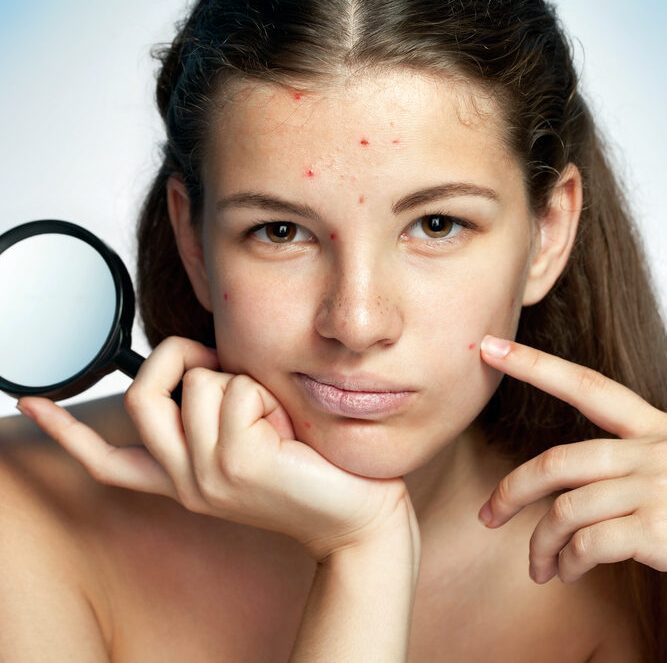
Puberty-driven androgen elevation increases sebum production. Excess oil mixes with dead skin cells to clog pores, which become blackheads, whiteheads, and — when C. acnes bacteria are involved — inflamed pimples, pustules, and cystic nodules. Hormonal acne is the most common teen skin concern and the primary driver of in-clinic treatment need. The skin is often oily in the T-zone and normal or dry on the cheeks simultaneously, reflecting hormonal fluctuation across the cycle or month. Breakouts tend to be cyclical or tied to stress.
Route: Teen Facial (first visit) · Detox Acne Treatment (persistent) · Derm referral (cystic/severe)Oily Skin and Enlarged Pores
Excess sebum production from androgen stimulation makes the T-zone visibly shiny, enlarges pores, and creates a backdrop for repeated blackhead formation even when active acne is controlled. Oily skin in teens is often worsened by harsh product use: stripping the skin triggers a rebound overproduction of oil that leaves the skin oilier than before treatment. The correct approach is gentle cleansing, non-comedogenic moisturizing, and targeted salicylic acid application — not astringents or alcohol-based toners that strip the skin barrier further.
Route: Teen Facial (regular maintenance) · Custom Chemical Peel (surface texture, blackheads) · /oily-skin/ hubSensitive or Reactive Skin
Teen skin’s still-developing barrier is inherently more reactive than adult skin. Fragrance, synthetic dyes, high-percentage actives, and physical scrubs all trigger redness, stinging, and barrier disruption at concentrations that adult skin tolerates. Some teens also have early rosacea signs or eczema-adjacent reactivity that requires an ingredient-conscious approach. The organic and botanical facial protocol is built specifically for this driver: no synthetic fragrances, no retinoids, no adult anti-aging actives. Mineral sunscreen (zinc oxide-based) is the gentlest SPF choice for reactive skin types.
Route: Organic Desert Bloom Signature Facial · Detox Acne Treatment (modified, no galvanic if sensitive)Picking, PIH, and Early Scarring
Post-inflammatory hyperpigmentation (PIH) — the dark marks left after a pimple resolves — and early atrophic scarring from picked or cystic acne are the most preventable long-term outcomes of teen acne. PIH is not permanent for most skin types but takes months to fade without intervention. Early atrophic pitting requires treatment after acne has been controlled. Professional extractions inside the teen facial and detox treatment remove congestion without the bacterial spread and tissue damage that picking causes. For existing texture and pitting in older teens, the conversation routes to a separate consultation.
Route: Detox Acne Treatment (active PIH prevention) · Professional consultation (existing scarring, 16+)Why Teenage Skin Requires a Different Approach
Three things make teen skin different from adult skin in a way that changes the entire treatment logic. First, the skin barrier is thinner and still developing — more reactive to harsh actives, more easily irritated by fragrance, and more vulnerable to the over-treatment cycle. Second, sebum production is hormonally elevated and fluctuates unpredictably: a teen can have an oily T-zone and dry cheeks in the same week. Third, adult anti-aging ingredients — retinoids at adult concentrations, glycolic acid peels, high-percentage vitamin C serums — are a poor fit. Teen skin does not need anti-aging protocols, and applying them typically causes irritation, barrier disruption, and a worsening of breakouts rather than improvement.
The home routine that works for most teens is genuinely simple: a fragrance-free gentle cleanser twice daily, a targeted treatment for active breakouts (benzoyl peroxide 2.5–5% or salicylic acid spot treatment), an oil-free non-comedogenic moisturizer, and broad-spectrum SPF 30 every morning. That is four steps. More than four steps is usually over-treating — and over-treating a developing skin barrier is the fastest path to rebound oiliness and more breakouts, not fewer. When six to eight weeks of this routine is not enough, professional assessment identifies what the home routine cannot address.
Teen-Appropriate Treatments at Desert Bloom
Desert Bloom offers four professional treatments appropriate for teen skin. Each is calibrated for developing skin — not an adult protocol with the intensity dialed down. Every treatment is supervised by Dr. Natalya Borakowski, NMD, with facials performed by Licensed Aesthetician Sadie Luna Kearns. Each spoke has a dedicated page with full protocol and pricing detail.
Two Routing Paths: Acne vs. General Teen Skin
Most teens arrive with one of two primary concerns. The first is active acne — breakouts that are not resolving with home care. The second is general teen skin management: oiliness, blackheads, reactive skin, maintenance, and sometimes early texture concerns after acne has calmed. The spoke pages are different; the starting question is the same.
Active Acne Path
Teen has active breakouts. Home care has been tried and is not enough. The goal is clinical clearing, reduction of bacterial load, and prevention of PIH and scarring.
General Teen Skin Path
Teen has oily skin, blackheads, reactive skin, or wants a well-calibrated maintenance routine. Active inflammatory acne is controlled or absent.
Compare Teen Treatment Options
| Feature | Teen Facial | Detox Acne Tx | Chemical Peel | Back Facial |
|---|---|---|---|---|
| Primary concern | First-visit teens, mild-mod acne | Persistent moderate acne | Blackheads, surface texture | Body acne (back/chest) |
| Minimum age | 12+ | 12+ | 12+ (professional assessment) | 12+ |
| Duration | 30 min | 60 min | Varies by peel depth | 60 min |
| Typical series | 1 or ongoing 2–4 wk | 4–6 sessions | 2–4 sessions | Monthly or as needed |
| Downtime | None | None | Mild flaking 2–3 days | None |
| Starting price | $55 | $100 | See /price-list/ | See /price-list/ |
Minimum age for professional facials at Desert Bloom is 12. Below age 12, pediatric dermatology is the appropriate referral — we do not offer services for younger children. For clients under 16, a parent or guardian is recommended at the first visit so that the home-care guidance and treatment plan make sense to both the teen and the adult supervising the routine.
Treatment restrictions by age and medical history. Laser treatments (where applicable in future visits) are typically reserved for ages 16+. Injectables — fillers, Botox, neurotoxins — are not offered to patients under 18 and are not part of any teen treatment at Desert Bloom. If your teen has recently completed a course of isotretinoin (Accutane), facial treatments require a 6-month wait; laser requires a 12-month wait. Contraindications include active skin infections, recent sunburn, known allergy to botanical or nut-based oils (organic facial), pacemakers or metal implants (detox treatment uses low-level current), and certain active medications. Dr. Borakowski reviews the full history at the first assessment.
Severe or cystic acne: when a dermatology referral is the right step. If your teen’s acne is severe, deeply cystic, nodular, or accompanied by significant scarring that is actively forming — prescription-level care (topical antibiotics, oral antibiotics, or isotretinoin) may be appropriate before or instead of professional aesthetics. We will tell you this at the first visit if it applies. Desert Bloom coordinates with dermatology rather than replacing it when the clinical presentation calls for prescription intervention.
Frequently asked questions
At what age can a teen start professional skincare treatments?
The minimum age for professional facial services at Desert Bloom is 12. Below age 12, we recommend pediatric dermatology. For clients under 16, we recommend a parent or guardian attend the first visit — the home-care guidance will make more sense when both the teen and the parent hear it together. After the first visit, parental presence is at family discretion.Does my teen need a parent with them for the appointment?
For clients under 16, we recommend a parent attend the first visit. After that, ongoing appointments are at your family’s discretion. For clients 16 and over, parental accompaniment is not required. If you have concerns about what to expect, calling ahead to ask specific questions is always welcome.What about severe or cystic acne — can you treat that?
Severe cystic or nodular acne often requires prescription-level intervention: oral or topical antibiotics, or isotretinoin (Accutane), prescribed by a dermatologist or physician. At Desert Bloom, Dr. Borakowski will assess whether a teen’s acne is at the professional-skincare threshold or at the prescription-care threshold. If the assessment determines that isotretinoin or antibiotics are the right first step, she will say so directly and coordinate with dermatology. We treat what we can treat well; we refer what needs a different kind of care.Can teens use retinol or retinoids at home?
Adult-strength retinoids usually irritate teen skin and worsen acne rather than helping it. Gentle teen-appropriate retinol formulations exist and are sometimes used inside the detox acne treatment protocol — but only under professional guidance, not as a home self-experiment. If your teen is using adult retinol from a parent’s bathroom shelf, that is a common cause of redness, peeling, and rebound breakouts. One OTC active at a time — benzoyl peroxide or salicylic acid, not both simultaneously — is the safer starting point.My teen’s acne cleared up but the dark marks and texture remain — what now?
Post-inflammatory hyperpigmentation (PIH) — the dark marks after breakouts resolve — typically fades over weeks to months with daily broad-spectrum SPF and a consistent routine. Professional chemical peels can accelerate the process for surface-level marks. Early atrophic scarring (pitting or texture) from more severe acne is assessed at a separate consultation once the active acne has been controlled for several months. Dr. Borakowski will recommend the appropriate approach based on skin type, Fitzpatrick type, and scar depth.What is the difference between the teen facial and the detox acne treatment?
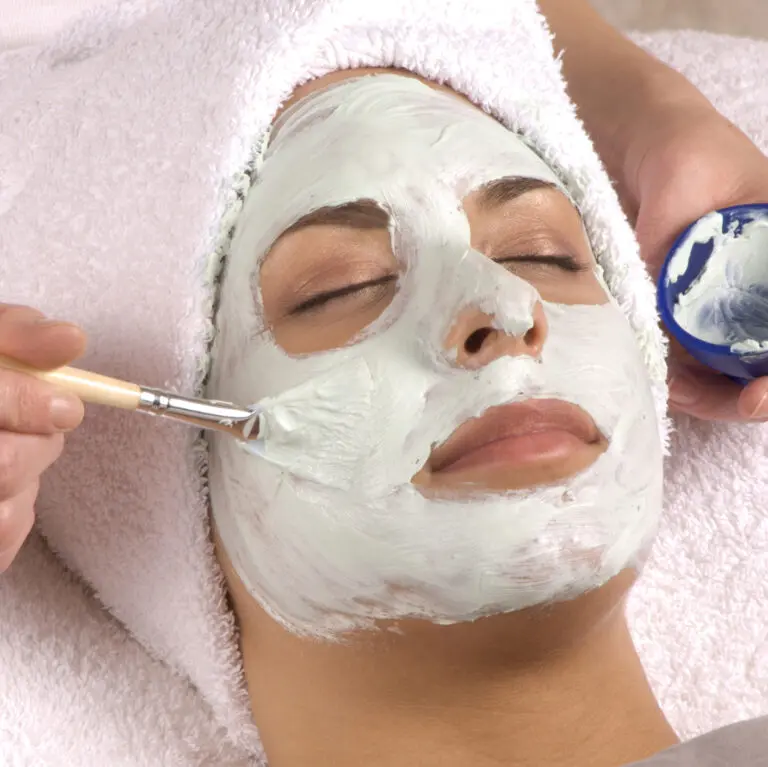
The teen facial is the right starting point for most teens — a 30-minute, gentle, age-calibrated facial with safe manual extractions and high-frequency antibacterial treatment. The detox acne treatment goes deeper: 60 minutes, six steps including galvanic desincrustation, professional extractions, LED light therapy (blue and red wavelengths), and a finishing mask with targeted actives like salicylic acid, niacinamide, or azelaic acid. If a teen has tried the teen facial or a consistent home routine for 6–8 weeks without meaningful improvement, the detox treatment is the next step.
“I’d rather send a teen home with three good habits and a follow-up appointment in four weeks than recommend a treatment they don’t need. Teen acne is almost always hormonal at its root — my job is to understand the driver, not just clear the surface. And if prescription-level care is what the situation calls for, I’ll say that at the first visit.”
Teen Skin, Professionally Supervised
A teen skin assessment at Desert Bloom starts with understanding what is actually driving the problem — hormonal acne, oily skin, sensitive or reactive skin, or PIH — before any treatment is recommended. Dr. Borakowski maps your teen’s specific presentation and routes to the right option, or tells you directly if a dermatology referral is the better first step.
No obligation to book a session. If the situation calls for prescription care rather than professional aesthetics, we will say so at the first visit.
Desert Bloom Skincare
10752 N 89th Place, Suite 122B, Scottsdale, AZ 85260
References
- “Guidelines of care for the management of acne vulgaris.” J Am Acad Dermatol. 2016. DOI
- “Epidemiology of acne vulgaris.” Br J Dermatol. 2013. DOI
- “Evidence-based recommendations for the diagnosis and treatment of pediatric acne.” Pediatrics. 2013. DOI
- “Cutibacterium acnes (Propionibacterium acnes) and acne vulgaris: a brief look at the latest updates.” J Eur Acad Dermatol Venereol. 2018. DOI
Individual results vary. This page is for educational purposes and does not replace professional medical advice. A skin assessment with Dr. Borakowski determines the appropriate treatment for your teen’s specific skin type and concern.
Teenage Skin
- Detox acne treatment$10060 minutes
- Erbium Laser Resurfacing$275-$67545 minutes and up
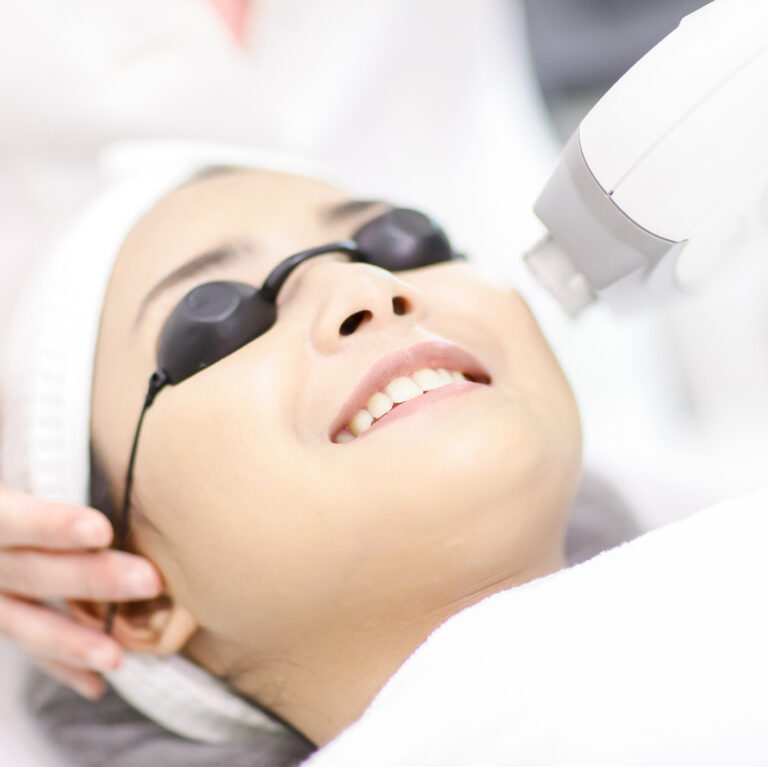
- Laser facial$27560 minutes
- Organic Desert Bloom Signature Facial$100-$13560 minutes and up
- Teen facial$5530 minutes
- Unicorn Facial | PRX-T33$1350 / 4 treatments
Consultation in skin care clinic
Desert Bloom Skincare Center offers personalized skincare consultation to help you achieve a flawless and radiant complexion. Book your appointment today and let our expert team of skincare professionals address your specific concerns and help you reach your skincare goals.
Visit Our Scottsdale Aesthetic Center
Address
10752 N 89th Place, Suite 122B,Scottsdale, AZ 85260.
Phone:(480) 567-8180
E-mail:info@desertbloomskincare.com
Get Directions →Location & Directions
Desert Bloom Skincare is conveniently located in the Shea Corridor of North Scottsdale, within Edwards Professional Park I — minutes from HonorHealth Scottsdale Shea Medical Center and the Mayo Clinic Scottsdale Campus.
Areas We Serve
We proudly provide expert non-surgical rhinoplasty and PDO thread lifts to patients across the Southwest:
- ScottsdaleNorth Scottsdale · McCormick Ranch · Gainey Ranch
- Paradise Valley
- PhoenixArcadia · Biltmore · North Phoenix
- Fountain Hills
- Cave Creek & Carefree