When Your Skin Says No to Almost Everything
Sensitive skin is a skin type, not a temporary state. It describes skin that reacts to almost everything — products, temperature swings, friction, stress, even water that is too hot — more readily than skin without the same vulnerability. Underneath highly sensitive skin is a thinner, more permeable barrier: lower ceramide content, less filaggrin to hold the surface together, sometimes a slow-burn inflammation already running underneath. The result is the patient who knows the cleansers they cannot use, the moisturizers that sting, and the sunscreen brand that turns their cheeks bright pink.
This page covers sensitive skin as a skin type — patients who have always had reactive skin, plus those managing situational redness, cosmetic reactions, or mild rosacea overlap. If chronic redness and visible capillaries are the central concern, our dedicated rosacea hub is the better routing entry. Many patients have overlap — the distinction is which is the primary constraint driving treatment choice.
Sibling skin-type hubs: Dry Skin · Oily Skin · Normal & Combination. Condition overlap: Rosacea.
At a Glance
- Scope
- Five gentle-protocol treatments for sensitive, reactive, and barrier-compromised skin. Zero ablative risk — no aggressive peels, no resurfacing lasers, no fragrance.
- Pricing
- From $100 (Organic Signature Facial) to $249 (Flawless Skin Environ iontophoresis).
- Provider & candidacy
- Dr. Natalya Borakowski, NMD oversees treatment planning. All Fitzpatrick types served. Best candidates: persistent skin reactivity, post-procedure barrier compromise, allergy-history-heavy patients.
- Not for
- Active rosacea vascular treatment, eczema, or psoriasis (refer dermatology).
- Downtime
- Zero downtime for every treatment listed here.
- How to start
- A complimentary 30-minute skin assessment identifies your barrier's specific compromise pattern before a treatment is selected.
Why Some Skin Reacts to Almost Everything
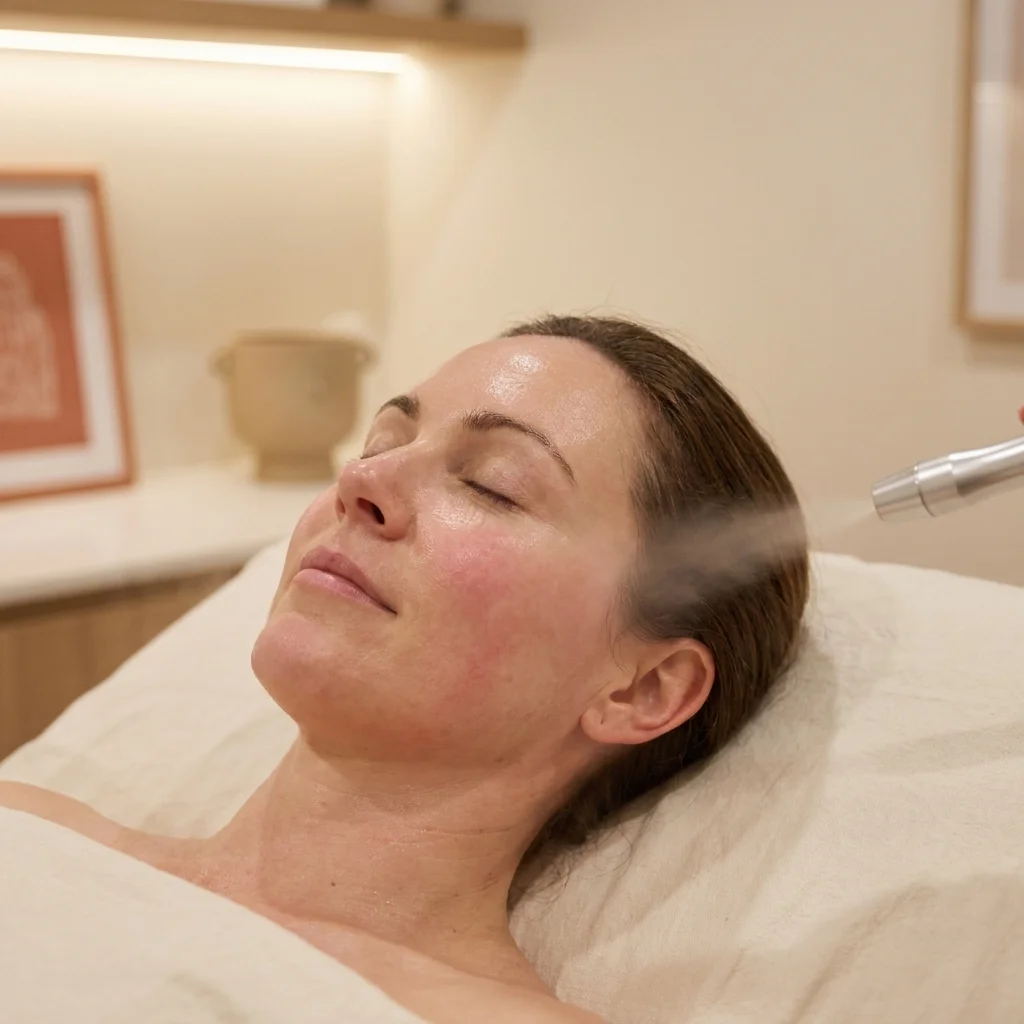
Sensitive skin is not a diagnosis — it is a physiological variant with four well-documented mechanisms. Understanding which one applies determines which treatment approach will actually help. Most patients have at least two operating at the same time.
Four mechanisms
What Drives Sensitive Skin
Genetic Barrier Dysfunction
The skin barrier is a lipid matrix — ceramides, cholesterol, free fatty acids — controlling what passes through the epidermis. Genetic variants affecting filaggrin expression reduce barrier integrity from birth: skin loses water faster, irritants enter more easily. The most common mechanism in true sensitive-skin patients.
Environmental Triggers & Climate
Scottsdale's environment is hostile to reactive skin. UV exposure degrades surface ceramides; extreme temperature swings (110°F outdoors to 65°F AC indoors) cause vasodilation-constriction cycles that sensitize nerve endings; low desert humidity accelerates water loss.
Product-Induced Sensitization
Fragrance, alcohol, preservatives, surfactants, and high-concentration actives (retinoids, AHAs at 10%+) can damage a previously healthy barrier through repeated sub-clinical irritation. Acquired sensitivity — distinct from genetic. Skin that did not used to be sensitive is now reactive because of cumulative product load.
Post-Procedure Barrier Compromise
Laser resurfacing, aggressive chemical peels, dermaplaning done too frequently, and microneedling can all temporarily deplete the barrier. The most treatment-relevant category at Desert Bloom — many sensitive-skin intakes are patients rebuilding barrier function after procedures performed elsewhere.
Signs That Your Skin Type Is Sensitive (Not Just a Bad Skin Day)
Persistent stinging or burning after applying a cleanser or moisturizer; visible redness that lingers 20+ minutes after contact; skin that flushes noticeably in hot showers, exercise, or cold wind; frequent reaction to sunscreen formulations; tightness or discomfort as a baseline rather than seasonal. The diagnostic signal is consistency — if your skin reacts to most products in its rotation, the barrier is the problem, not the product.
Sensitive skin and rosacea overlap in presentation but differ in mechanism. Rosacea is a vascular condition — chronic flushing, visible capillaries, papules — that responds to targeted laser treatment (see rosacea hub). Sensitive skin involves barrier failure without the chronic vascular remodeling. An allergic reaction (Type IV contact dermatitis) presents in a discrete patch distribution and resolves when the allergen is removed — that is not the same as chronic sensitive skin syndrome. True sensitive skin is diffuse, persistent, and product-agnostic in its reactivity.
Sensitive skin and dry skin frequently coexist but are not the same problem. Dry skin lacks oil; sensitive skin lacks barrier integrity. A patient can have oily-but-sensitive skin, especially after laser or peel procedures elsewhere. The treatment approach differs: dry skin needs lipid replenishment (see Dry Skin hub); sensitive skin needs barrier repair and de-stimulation before any actives are layered back in.
Sensitive-skin menu
Treatment Options at Desert Bloom
Five facial treatments selected specifically for sensitive-skin protocols — no ablative equipment, no aggressive exfoliation, no fragrance. Each is adjusted at intake based on current barrier status and reaction history.
From $100 · No downtime
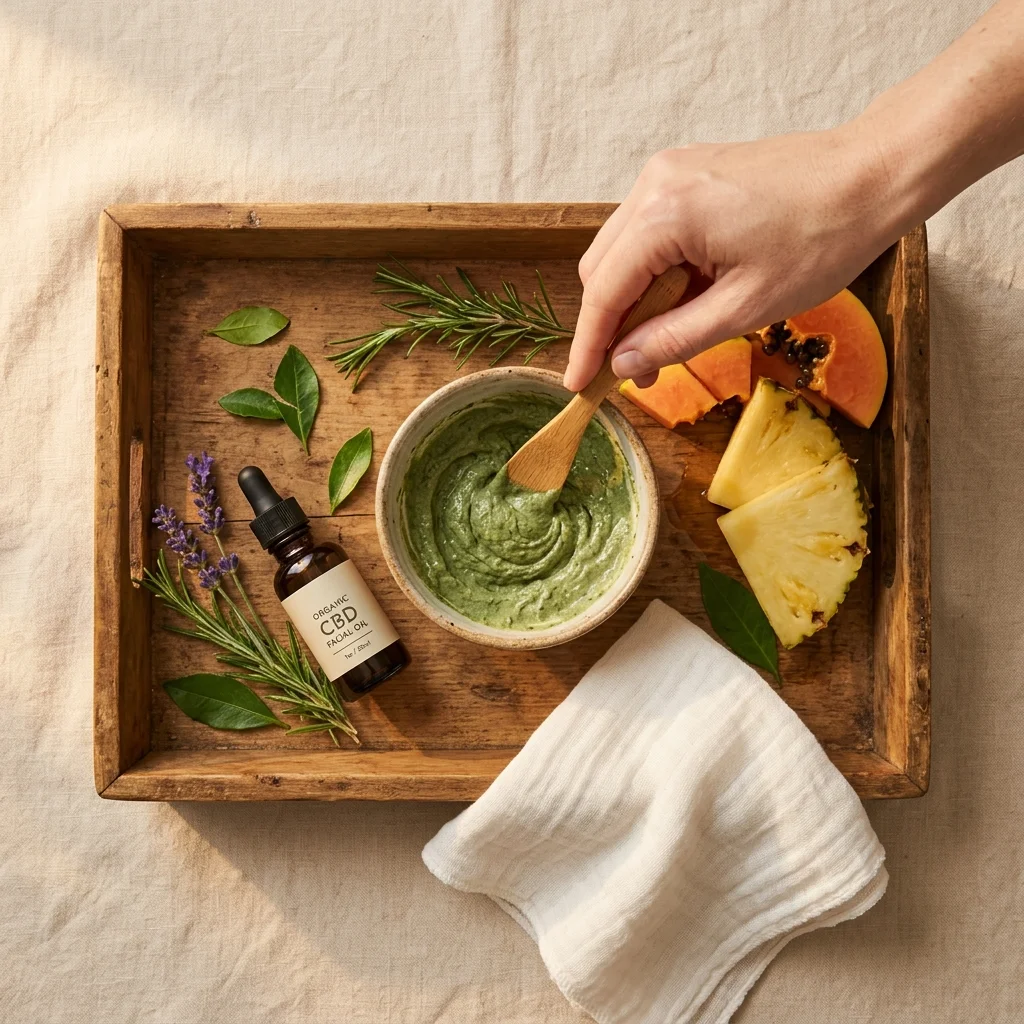
Organic Desert Bloom Signature Facial
Fragrance-free, botanical-only protocol with farm-sourced fruit enzymes (papaya, pineapple, citrus) and a CBD pressure-point massage. No synthetic fragrance, no alcohol-based toners, no aggressive extraction. For sensitive-skin patients who want a full facial experience without synthetic actives.
$249 · 4-6 session series
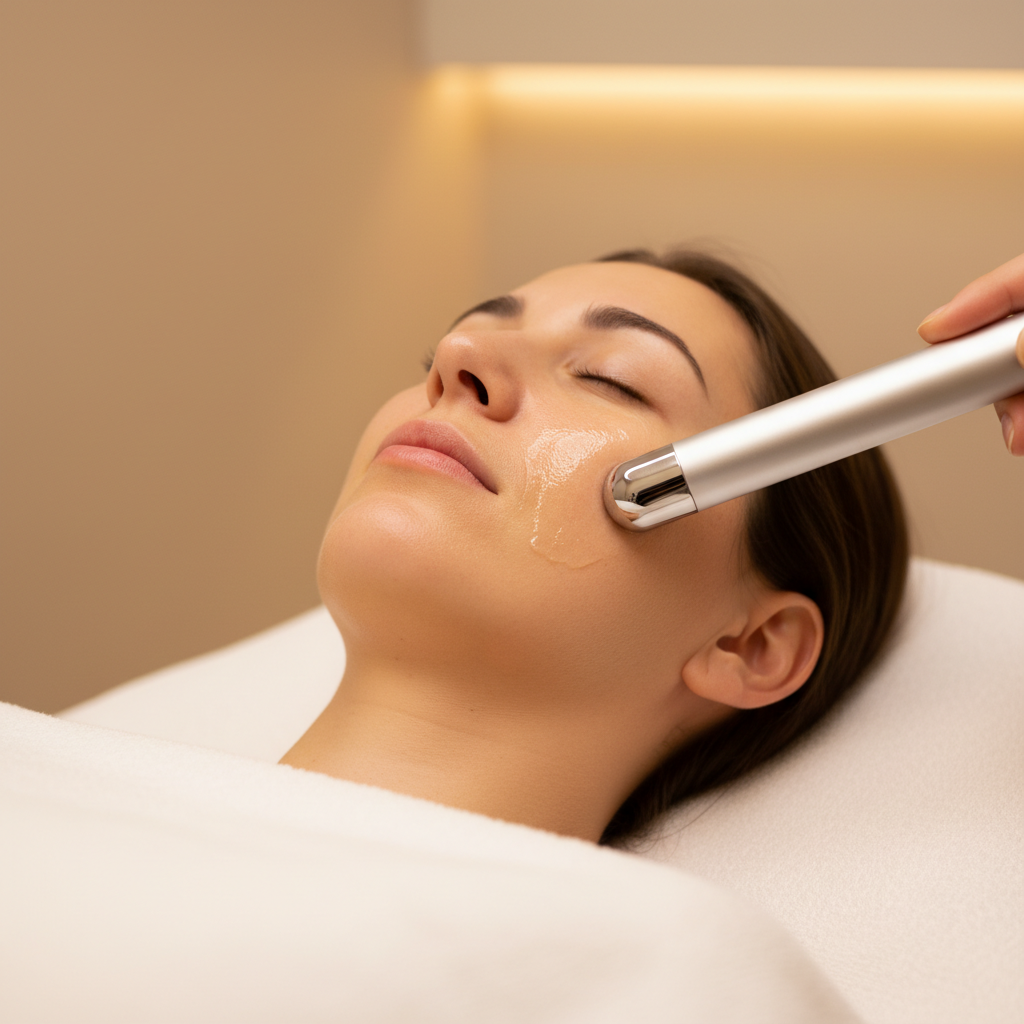
Flawless Skin Facial — Environ DF
Iontophoresis and low-frequency sonophoresis drive Vitamin A, Vitamin C, peptides, and CoQ10 through the barrier without topical friction. Directly rebuilds barrier function at the intercellular level. The most clinically targeted option for barrier repair on this hub.
From $125 · Light flaking
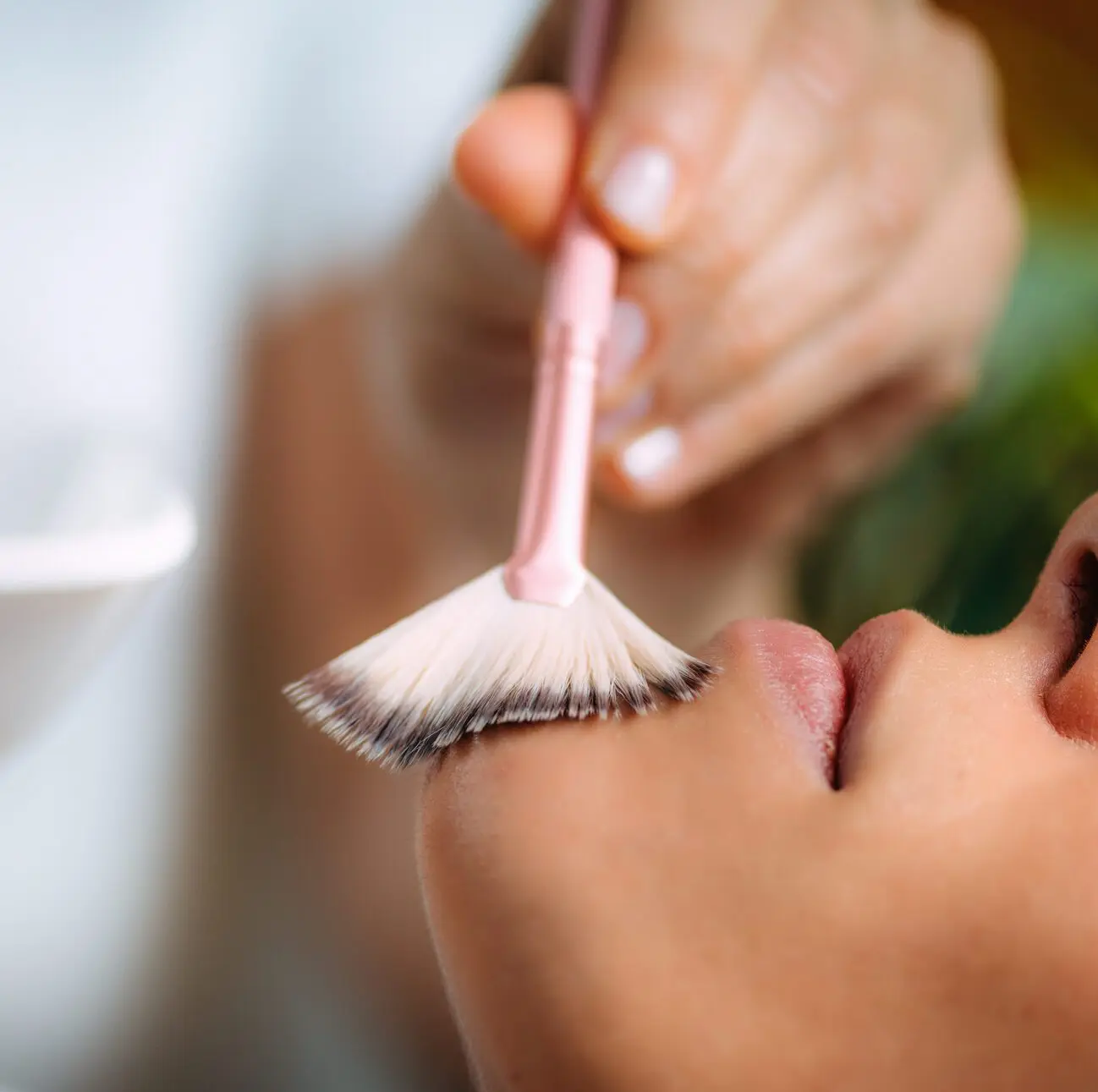
Custom Chemical Peel — Mandelic or Lactic
For sensitive skin with underlying congestion or uneven tone that cannot tolerate salicylic or glycolic acid. Mandelic acid (larger molecule, slower penetration) and lactic acid (gentler AHA with humectant properties) are the only peel options used here. BHA/salicylic peels and TCA are not used on sensitive-skin patients.
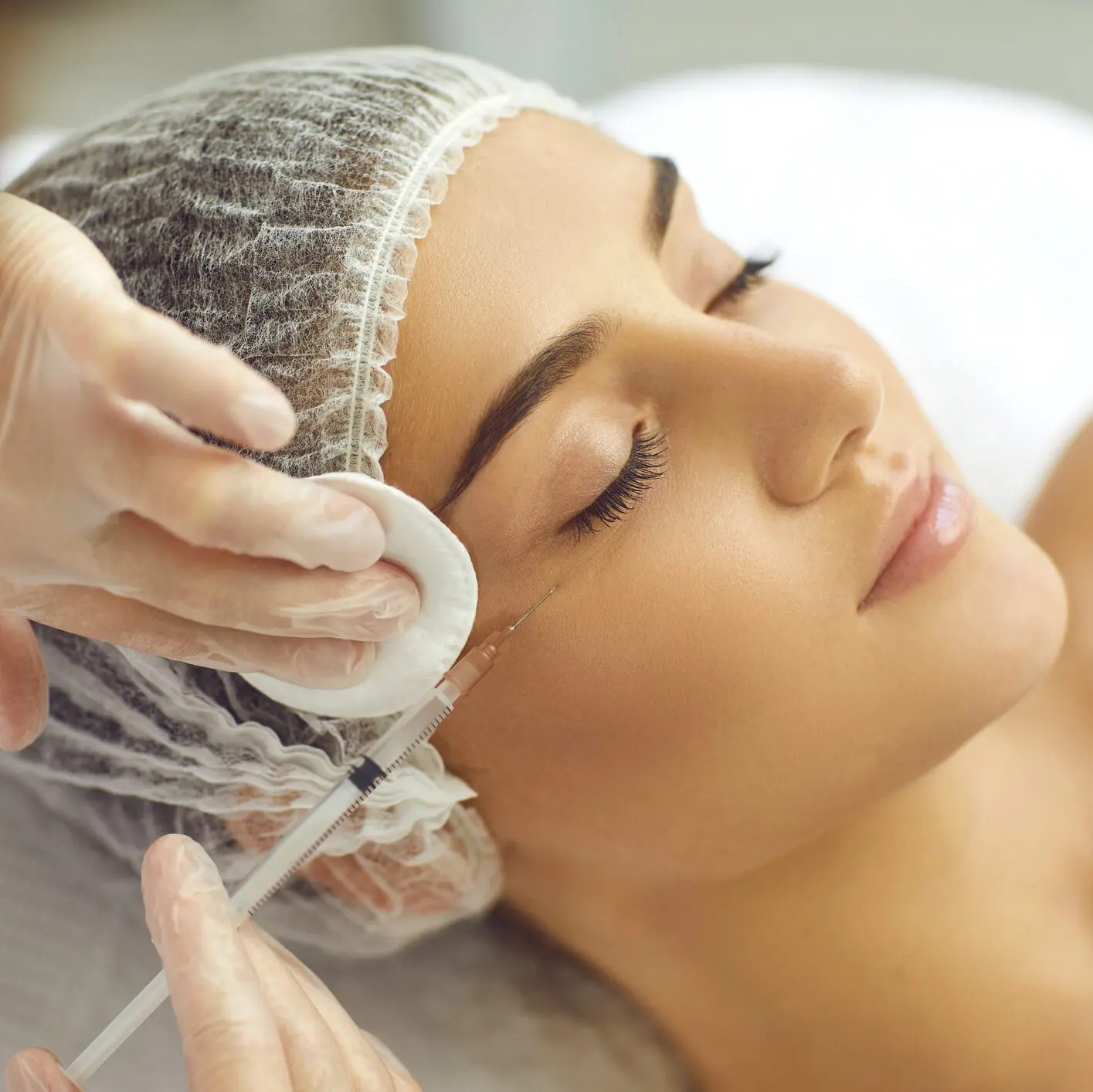
Mesotherapy · Per consult
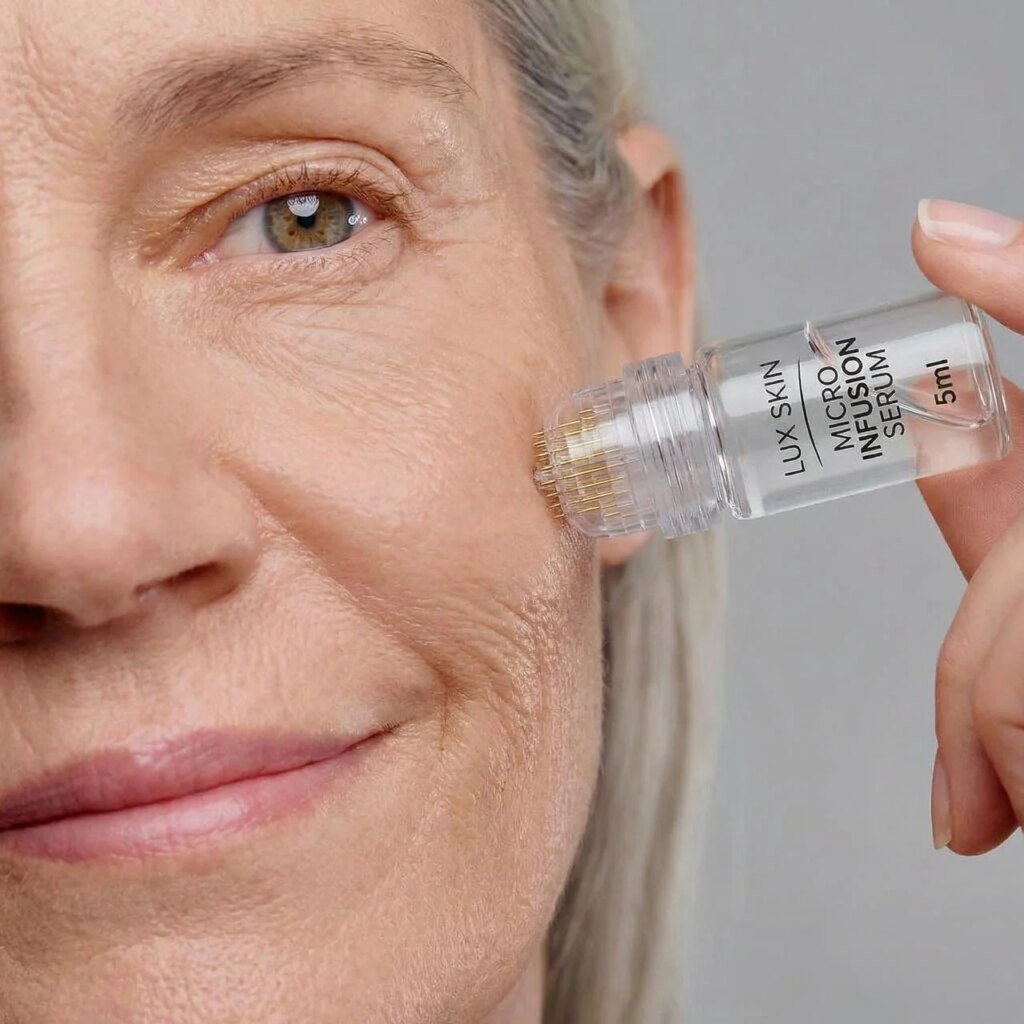
Mesotherapy — Microinfusion
Microinfusion of vitamins, amino acids, hyaluronic acid, and antioxidants directly into the mid-dermis. Bypasses the compromised surface barrier without topical layering. Useful when home routines cannot deliver actives without triggering a flare.
Salmon DNA · Series-based
Salmon DNA Facial (LumEnvy PDRN)
Polydeoxyribonucleotide (PDRN) extracted from salmon DNA promotes tissue regeneration, calms inflammation, and supports barrier rebuild. Newest evidence-based option for chronic sensitivity and post-procedure recovery. Fitzpatrick I-VI safe.
Decision guide
How to Choose Your Sensitive-Skin Treatment
The right starting point for sensitive skin is less about cosmetic goal and more about current barrier status. Two filters narrow the choice — is your skin reactive right now, or is it stable but constitutionally sensitive?
Acute flare or product reaction this week
→Organic Signature Facial — Calming botanical-only protocol when the skin needs to settle before any active treatment is considered. No friction, no synthetic actives.
Post-procedure barrier sensitization
→Flawless Skin (Environ DF) — The most direct path to barrier repair after laser, peel, or microneedling done elsewhere. Typically a 4-6 session series.
Reactive skin needing barrier-safe actives
→Mesotherapy — Microinfusion bypasses the surface barrier to deliver vitamins, peptides, and HA into the mid-dermis without triggering a flare.
Stable sensitive skin, congestion or tone
→Custom Mandelic / Lactic Peel — Slow-penetration AHA chemistry chosen because it irritates less than salicylic or glycolic. Stable barrier only.
Chronic sensitivity or recovery support
→Salmon DNA Facial (PDRN) — PDRN promotes regeneration and calms inflammation. Series-based approach for long-standing reactivity.
Best first stepNot sure where to start
→Complimentary skin assessment — Dr. Borakowski's intake identifies your barrier compromise pattern before any treatment is scheduled.
| Feature | Organic Signature | Flawless Skin | Mandelic Peel | Mesotherapy | Salmon DNA |
|---|---|---|---|---|---|
| Best for | Stable, fragrance-sensitive | Barrier repair, post-procedure | Tone, congestion, stable | Reactive skin, active delivery | Chronic reactivity, recovery |
| Primary actives | Botanical fruit enzymes, CBD | Vitamin A/C, peptides, CoQ10 | Mandelic or lactic acid | Vitamins, amino acids, HA | PDRN (salmon polynucleotides) |
| Mechanism | Topical application | Iontophoresis + sonophoresis | Slow-penetration AHA | Microinfusion to mid-dermis | Microinfusion / regenerative |
| Sessions typical | Monthly maintenance | 4-6 series | 3-6 | Per consult | Series-based |
| Downtime | None | None | None to mild flaking | None | None |
| Fitzpatrick range | I-VI | I-VI | I-VI | I-VI | I-VI |
Organic Signature
- Best for
- Stable, fragrance-sensitive
- Primary actives
- Botanical fruit enzymes, CBD
- Mechanism
- Topical application
- Sessions typical
- Monthly maintenance
- Downtime
- None
- Fitzpatrick range
- I-VI
Flawless Skin
- Best for
- Barrier repair, post-procedure
- Primary actives
- Vitamin A/C, peptides, CoQ10
- Mechanism
- Iontophoresis + sonophoresis
- Sessions typical
- 4-6 series
- Downtime
- None
- Fitzpatrick range
- I-VI
Mandelic Peel
- Best for
- Tone, congestion, stable
- Primary actives
- Mandelic or lactic acid
- Mechanism
- Slow-penetration AHA
- Sessions typical
- 3-6
- Downtime
- None to mild flaking
- Fitzpatrick range
- I-VI
Mesotherapy
- Best for
- Reactive skin, active delivery
- Primary actives
- Vitamins, amino acids, HA
- Mechanism
- Microinfusion to mid-dermis
- Sessions typical
- Per consult
- Downtime
- None
- Fitzpatrick range
- I-VI
Salmon DNA
- Best for
- Chronic reactivity, recovery
- Primary actives
- PDRN (salmon polynucleotides)
- Mechanism
- Microinfusion / regenerative
- Sessions typical
- Series-based
- Downtime
- None
- Fitzpatrick range
- I-VI
What to Tell Us Before Your First Appointment
Sensitive skin benefits from pre-treatment disclosure more than any other skin type. Reactions are unpredictable, and the intake form and in-room skin analysis exist specifically to catch contraindications before they become problems. Mention any of the following at booking — it changes which facial we open with, not whether we treat you.
Frequently Asked Questions
What causes sensitive skin?
How do I know if I have sensitive skin?
What is the difference between sensitive skin and rosacea?
Are facials safe for sensitive skin?
What ingredients should sensitive skin avoid?
Can sensitive skin be treated professionally, or is home care enough?
How often should sensitive skin get a professional facial?
Is sensitive skin the same as dry skin?
“Sensitive skin is the skin type that rewards careful intake and punishes assumption. Once we understand whether we are rebuilding a compromised barrier, calming an acute response, or maintaining a constitutionally reactive baseline, the right treatment almost selects itself.”

Medically reviewed by
Founder, Desert Bloom Skincare · 17 Years Experience
Medically reviewed by Dr. Natalya Borakowski, NMD. Desert Bloom Skincare, Scottsdale, AZ.
References
- 1.
Misery L, Loser K, Ständer S. Sensitive skin. J Eur Acad Dermatol Venereol; 2016;30(S1):2-8.
DOI: 10.1111/jdv.13532
PMID 26805416
- 2.
Berardesca E, Farage M, Maibach H. Sensitive skin: an overview. Int J Cosmet Sci; 2013;35(1):2-8.
DOI: 10.1111/j.1468-2494.2012.00754.x
PMID 22928591
- 3.
Draelos ZD. Sensitive skin: perceptions, evaluation, and treatment. Am J Contact Dermat; 1997.
PMID 9153340
- 4.
Darlenski R, Sassning S, Tsankov N, Fluhr JW. Non-invasive in vivo methods for investigation of the skin barrier physical properties. Eur J Pharm Biopharm; 2009;72:295-303.
DOI: 10.1016/j.ejpb.2008.11.013
PMID 19118626
- 5.
Palmer CN, Irvine AD, Terron-Kwiatkowski A, Zhao Y, Liao H, et al.. Common loss-of-function variants of the epidermal barrier protein filaggrin are a major predisposing factor for atopic dermatitis. Nat Genet; 2006;38:441-6.
DOI: 10.1038/ng1767
PMID 16550169