Restore What Time Has Changed — Without Surgery
You have noticed it. A softening along the jawline, cheeks that sit lower than they used to, a chin that no longer anchors the face the way it once did. Skincare cannot rebuild what volume loss has taken — and no amount of at-home care will restore what has changed. Facial sculpting can help.
At Desert Bloom in Scottsdale, Dr. Natalya Borakowski uses dermal fillers and targeted Botox to restore facial contouring — reshaping and defining the face without a single incision. The goal is a natural look that works with your anatomy, not against it.
At a Glance
- What it is
- Non-surgical facial reshaping with dermal fillers and targeted Botox to restore volume, sharpen contours, and improve facial balance
- Areas treated
- Cheeks · Jawline · Chin · Temples · Nasolabial folds · Under-eyes (often in combination)
- Procedure time
- 15–60 minutes depending on the number of areas; topical numbing applied prior
- Products used
- Restylane Lyft / Contour / Defyne · RHA · Radiesse · Sculptra · Bellafill · Botox (masseter slimming)
- Results
- Immediate for HA filler · 6–12 weeks for masseter Botox · 3–6 months for Sculptra
- Duration
- 9–24 months HA · 12–24 months Radiesse · up to 2 years Sculptra · 4–6 months Botox slimming
- Cost
- $800–$2,400+ per session depending on areas and products; see price list
What Is Facial Sculpting?
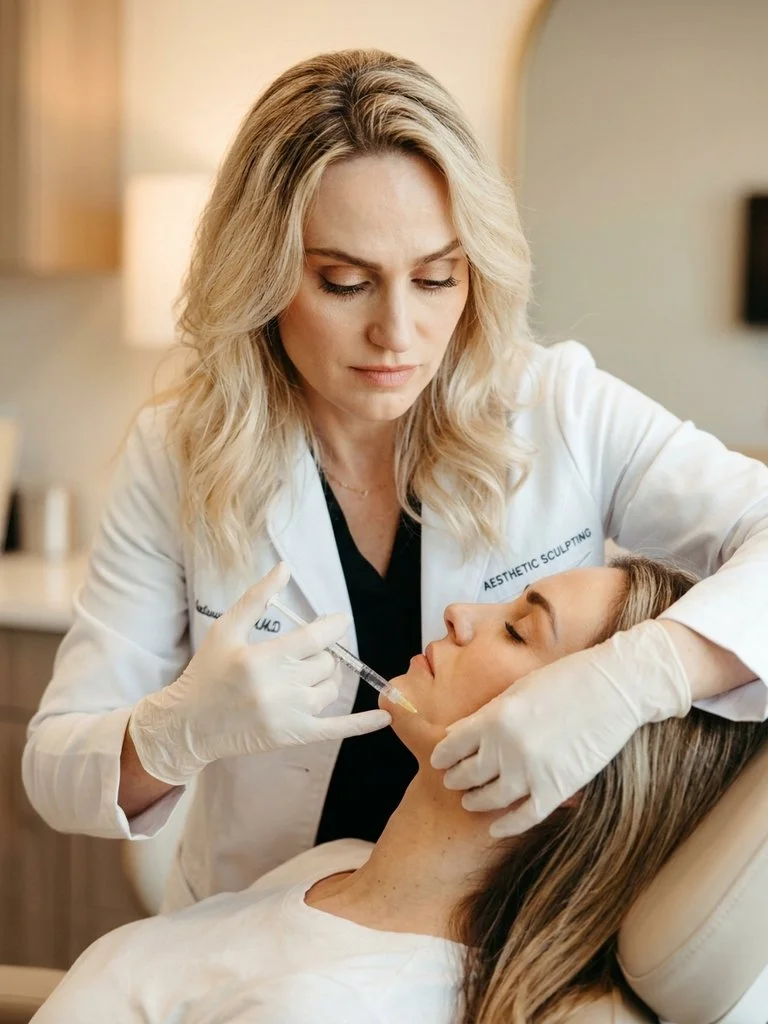
Facial sculpting is a non-invasive, nonsurgical procedure that uses injectable dermal fillers — and, where appropriate, Botox — to reshape and define facial contours. Rather than masking the effects of aging, face sculpting works to restore the structural volume that skin and collagen lose over time, recreating what some practitioners call the “triangle of youth”: fuller cheeks tapering to a defined chin.
This is not a spa sculpting facial involving massage or gua sha tools. It is a medical aesthetic treatment performed by a physician, where the technique of placement matters as much as the product itself. The goal is a refreshed, natural look — not an obvious change that people can spot across the room.
Injectable fillers used for facial sculpting are FDA-cleared for specific facial indications; some uses may be considered off-label depending on the treatment area. Rare but serious complications include vascular occlusion, which can affect blood flow to tissue. Dr. Borakowski follows vascular safety protocols and keeps emergency reversal agents available at all times — though reversal applies only to hyaluronic acid fillers. Non-HA biostimulatory products such as Sculptra and Radiesse cannot be dissolved.
For patients seeking a comprehensive, multi-zone approach to facial proportion, aesthetic facial balancing may also be appropriate. Patients interested in a broader plan can combine facial sculpting with skin-quality treatments during the same visit.
Areas We Can Sculpt
Filler (HA or biostimulator)
Cheeks & Midface
Flat or deflated cheeks, loss of midface volume, flattened cheekbones. Restoring this zone supports the lower face and softens jowls without treating them directly.
Filler or Botox
Jawline
Soft or undefined jaw contour, early jowls, sagging skin along the mandible. Filler defines; Botox slims a wide masseter.
Filler
Chin
Weak chin, short lower face, lack of projection. See chin augmentation and contouring for the full approach.
Filler (advanced anatomy)
Temples
Hollowing, visible bone structure, shadow above the brow. A vascular-sensitive zone — see temple filler.
Filler
Nasolabial Folds
Deep smile lines from nose to mouth, often combined with midface volume. See nasolabial folds.
Most patients find that treating two to three areas together produces balanced, natural-looking results — though we only treat zones the patient is concerned with and that fit within their budget. Treating one area in isolation can sometimes create an imbalance, which is why every sculpting session at Desert Bloom begins with a full-face assessment. The combination of areas and products is agreed upon during that consultation.
Two approaches, opposite directions
Jawline Contouring & Jaw Slimming
There are two distinct procedures for reshaping the jawline, and they work in opposite directions. The right choice depends on the look you want to achieve — and on a thorough consultation that maps the plan to your anatomy.
Direction: Adds structure & projection
Direction: Reduces width & bulk
Filler vs. Botox for the Jaw — Two Different Goals
In Dr. Borakowski’s practice, most patients benefit from one approach or the other — not a combination. Selection is made at consultation based on anatomy and goal.
| Property | Jawline Filler | Masseter Botox |
|---|---|---|
| Goal | Add definition and projection along the mandible | Slim a wide lower face by reducing masseter bulk |
| Best for | Soft, rounded, or undefined jaw contour; early jowls | Strong, prominent masseter muscles creating square lower face |
| Primary products | Radiesse (preferred); Restylane Defyne (reversible HA) | Botox (botulinum toxin type A) |
| Visible result | Immediate projection; collagen build over months (Radiesse) | Gradual softening over 6–12 weeks |
| Duration | 12–24 months (Radiesse); 12–18 months (HA) | 4–6 months, longer with repeated cycles |
| Reversible | HA option (Defyne) is reversible; Radiesse is not | Wears off; cannot be reversed acutely |
Jawline Filler
- Goal
- Add definition and projection along the mandible
- Best for
- Soft, rounded, or undefined jaw contour; early jowls
- Primary products
- Radiesse (preferred); Restylane Defyne (reversible HA)
- Visible result
- Immediate projection; collagen build over months (Radiesse)
- Duration
- 12–24 months (Radiesse); 12–18 months (HA)
- Reversible
- HA option (Defyne) is reversible; Radiesse is not
Masseter Botox
- Goal
- Slim a wide lower face by reducing masseter bulk
- Best for
- Strong, prominent masseter muscles creating square lower face
- Primary products
- Botox (botulinum toxin type A)
- Visible result
- Gradual softening over 6–12 weeks
- Duration
- 4–6 months, longer with repeated cycles
- Reversible
- Wears off; cannot be reversed acutely
Cheek Sculpting & Midface Volume
Cheek volume is one of the first things the face loses with age — and one of the most impactful things to restore. The midface supports the entire lower face: when the cheeks deflate, everything below them follows. Restoring midface volume can improve nasolabial folds, soften jowls, and make the entire face look more rested — without touching those areas directly.
Restylane Lyft and Restylane Contour are the primary HA fillers used for cheek augmentation at Desert Bloom. Both are firm, cohesive gel formulations that lift and volumize the cheek area with immediate, visible results. They hold projection without spreading and are reversible — they can be dissolved with hyaluronidase if needed.
Sculptra (poly-L-lactic acid) is a biostimulatory injectable — not a traditional filler. It works by stimulating collagen production over time, gradually rebuilding facial volume and improving skin quality and firmness. Results are not immediate; they develop over three to six months following a series of sessions. Sculptra can last up to two years and is often preferred by patients who want a gradual, natural-looking improvement rather than an immediate change. It is particularly well-suited for patients with diffuse volume loss across both cheeks and temples, where restoring overall structure matters more than precise contouring. Sculptra is not reversible.
The choice between Restylane HA fillers and Sculptra — or a combination of both — depends on the degree of volume loss, skin thickness, timeline expectations, and whether the patient wants an immediately visible result or a slower build. Dr. Borakowski will outline these options during the consultation, so you start with a clear picture of what each approach can and cannot deliver.
Chin Contouring & Projection

A well-defined chin anchors the lower third of the face. When the chin is recessed, short, or lacks projection, it can make the nose appear larger, the neck look shorter, and the overall facial profile appear unbalanced — even when nothing else has changed. Non-surgical chin augmentation and contouring with filler is one of the most precise, immediately visible procedures in facial sculpting.
Radiesse is the primary product for chin projection and definition at Desert Bloom. Its calcium hydroxylapatite composition integrates into the tissue and provides precise structural projection, while simultaneously stimulating new collagen for continued improvement in skin quality and firmness over the months following injection. Results are immediate and improve further over time. Restylane Defyne is the HA alternative for patients who prefer a reversible option — a firm, flexible gel suited for chin projection that can be dissolved with hyaluronidase if correction is needed.
Chin contouring with filler is not appropriate for patients who need surgical correction — a significantly recessed chin with substantial skeletal discrepancy may require implants or orthognathic work. Dr. Borakowski will confirm whether non-surgical options can achieve your goals before proceeding. When non-surgical treatment is not the right fit, she will say so directly. For patients interested in a masculine chin and lower face, the same products apply with different placement and projection goals — see non-surgical facial masculinization.
Temple Restoration
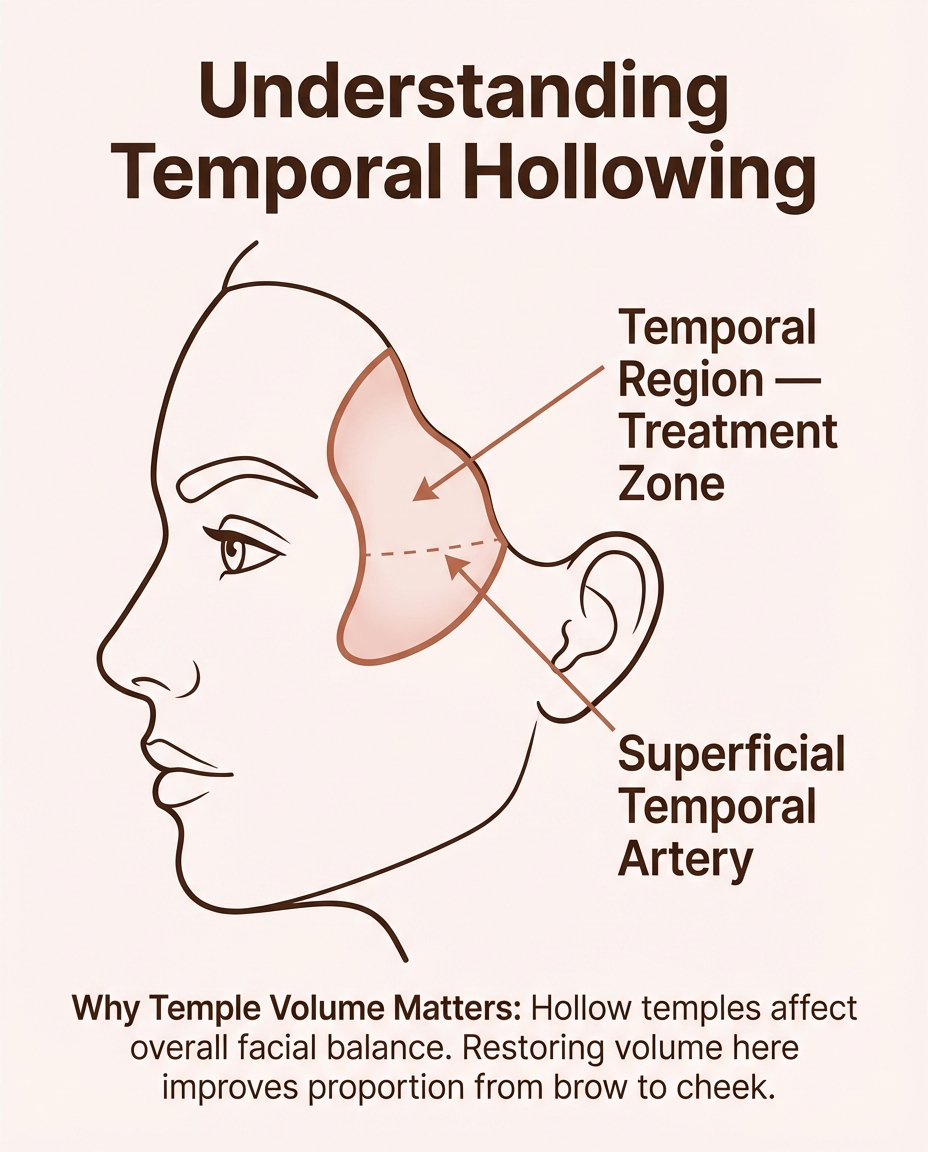
Temples are among the most overlooked areas in facial sculpting — and one of the most transformative when treated. Temple hollowing develops as the temporalis muscle and underlying fat atrophy with age, creating a concave depression above the brow and lateral to the eye. The effect is a gaunt, skeletal look even in patients whose other facial features remain relatively full. Restoring the temples creates a smooth convex arc from the forehead into the cheek, bringing cohesion to the whole face.
Sculptra is frequently preferred for temples because the gradual collagen stimulation mimics the natural tissue structure of the temporal region. The slow buildup over multiple sessions tends to produce the most natural-looking result in this area. RHA 2 or RHA 3 can be used when a more immediate result is preferred or when the degree of hollowing is significant — these HA products are designed to move with facial expression and integrate with dynamic tissue, and they remain reversible if needed. For the full protocol — including the cannula-vs-needle decision in this zone — see temple filler.
What to Expect — From Consult to Final Result
Consultation
Face mapping & plan
Dr. Borakowski assesses bone structure, skin quality, and volume distribution. Goals, products, and the number of areas are agreed before booking the treatment.
Treatment day
15–60 minutes
Topical numbing is applied; most fillers also contain lidocaine. Areas and products are confirmed before injection. Patients typically return to normal activities the same day.
24–48 hours
Mild swelling, possible bruising
Avoid strenuous exercise and active skincare products. Bruising, when it occurs, is typically mild and can be covered with mineral makeup after 24 hours.
1–2 weeks
Results settle
Swelling resolves and filler integrates into the tissue. HA results are largely visible by this point; Botox slimming and Sculptra continue to develop.
6–24 weeks
Full results
2–4 weeks for HA filler · 6–12 weeks for masseter Botox slimming · 3–6 months for Sculptra collagen build.
Maintenance
Plan ahead
HA touch-ups every 9–18 months · Radiesse 12–24 months · Sculptra up to 2 years · masseter Botox every 4–6 months.
Before your session: avoid blood-thinning supplements (fish oil, vitamin E, NSAIDs) for 3 days prior if possible; prescription blood thinners require physician clearance before scheduling. Arrive without heavy makeup to allow thorough skin prep. Let Dr. Borakowski know about any prior filler treatments — knowledge of what was injected and where is important for safe, effective planning. If you are timing your treatment around a social commitment, scheduling at least a week ahead provides comfortable buffer time.
Facial Sculpting Cost in Scottsdale
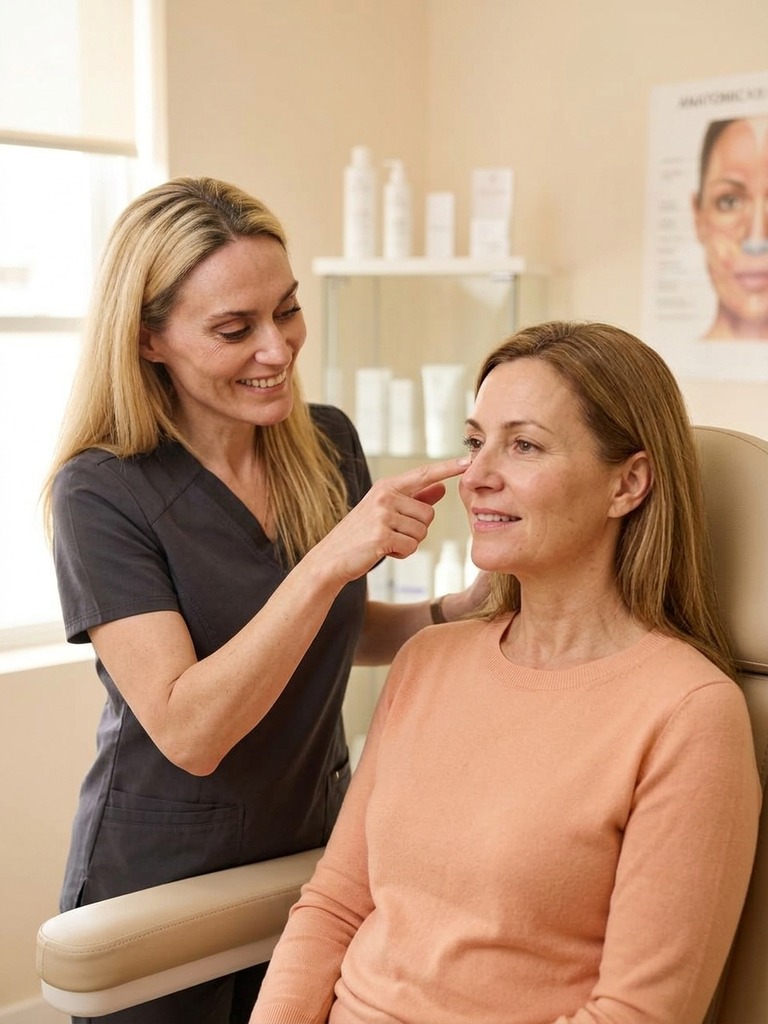
Facial sculpting ranges from $800 to $2,400+ per session at Desert Bloom. Total investment depends on the number of areas treated, the type and volume of product used, and whether Botox is included. Complimentary consultation includes a personalized estimate based on your goals and anatomy.
Some areas — temples and cheeks especially — may require a series of sessions for full correction, particularly when Sculptra is the chosen product. Because Sculptra builds gradually, a common series involves two to three sessions spaced approximately eight weeks apart, in line with the Galderma protocol. This approach spreads both the cost and the change over time, which many patients find preferable. See our full price list for product-level information.
Pricing
- Bellafill$800
- Beloterro Balance$545
- Restylane Defyne$720
- Sculptra$850
- Restylane Lyft$750
- Radiesse$600
- Restylane – L$615
- Restylane Contour$740
- Restylane Lyft$750
Why Choose Desert Bloom for Facial Sculpting

Facial sculpting is a procedure where experience matters directly — to both safety and results. The combination of products available, the depth and zone of placement, and the technique used determine whether the outcome looks balanced or obviously over-corrected. Dr. Borakowski’s practice is built around that distinction.
Dr. Natalya Borakowski, NMD brings 17 years of aesthetic medicine experience to every facial sculpting treatment. An IMCAS speaker and aesthetic medicine educator, her advanced training in injection techniques — including anatomy expertise for high-risk zones like the temples — informs every plan. Her background as a naturopathic physician means she evaluates the whole face: bone structure, skin quality, volume distribution, and the relationship between all three. She does not treat areas in isolation.
Her approach is consultation-first and conservative by design. She selects the appropriate product and technique for each patient’s anatomy, providing honest guidance about what facial sculpting can and cannot achieve. She is willing to recommend against treatment when it is not appropriate, and she will tell you directly when a different approach — including surgery — would serve you better.
“I would rather build gradually and let someone see how their face responds than over-correct in a single session. The best results in face sculpting come from working with the anatomy you have — not trying to create something it was never meant to be.”
Frequently Asked Questions About Facial Sculpting
What is the difference between facial sculpting and a sculpting facial?
Is facial sculpting permanent?
Who is a good candidate for facial sculpting?

Medically reviewed by
Founder, Desert Bloom Skincare · 17 Years Experience
References
- 1.
Fagien S, Carruthers J.. Facial Soft Tissue Augmentation with Injectable Hyaluronic Acid. Clinics in Plastic Surgery; 2019;46(1):1-13.
DOI: 10.1016/j.cps.2018.08.001
Foundational review of HA filler indications, placement, and longevity across facial zones.
- 2.
Sundaram H, Liew S, Signorini M, et al.. Global Aesthetics Consensus: Hyaluronic Acid Fillers and Botulinum Toxin Type A — Recommendations for Combined Treatment. Plastic and Reconstructive Surgery; 2016;137(5):1410-1423.
DOI: 10.1097/PRS.0000000000002119
Consensus framework for combining HA fillers and botulinum toxin in multi-zone facial planning.
- 3.
Sykes JM, Cotofana S, Trevidic P, et al.. Upper Face: Clinical Anatomy and Regional Approaches with Injectable Fillers. Plastic and Reconstructive Surgery; 2015;136(5 Suppl):204S-218S.
DOI: 10.1097/PRS.0000000000001830
Anatomy reference informing temple and upper-face injection planning.
- 4.
Beleznay K, Carruthers JDA, Humphrey S, Jones D.. Avoiding and Treating Blindness From Fillers: A Review of the World Literature. Dermatologic Surgery; 2015;41(10):1097-1117.
DOI: 10.1097/DSS.0000000000000486
Vascular-safety review underlying our ultrasound-screening protocol for periosteal needle placement.
Individual results may vary. FDA-cleared materials used off-label where applicable. Consultation determines individual suitability. All treatments at Desert Bloom Skincare are performed by Dr. Natalya Borakowski, NMD. Last updated: April 2026.

Case studies
Before & after: real patient results
Every face is different, and so is every result. The most meaningful comparison is at the two-week mark, when the full effect has developed. Photos shown with written patient consent.
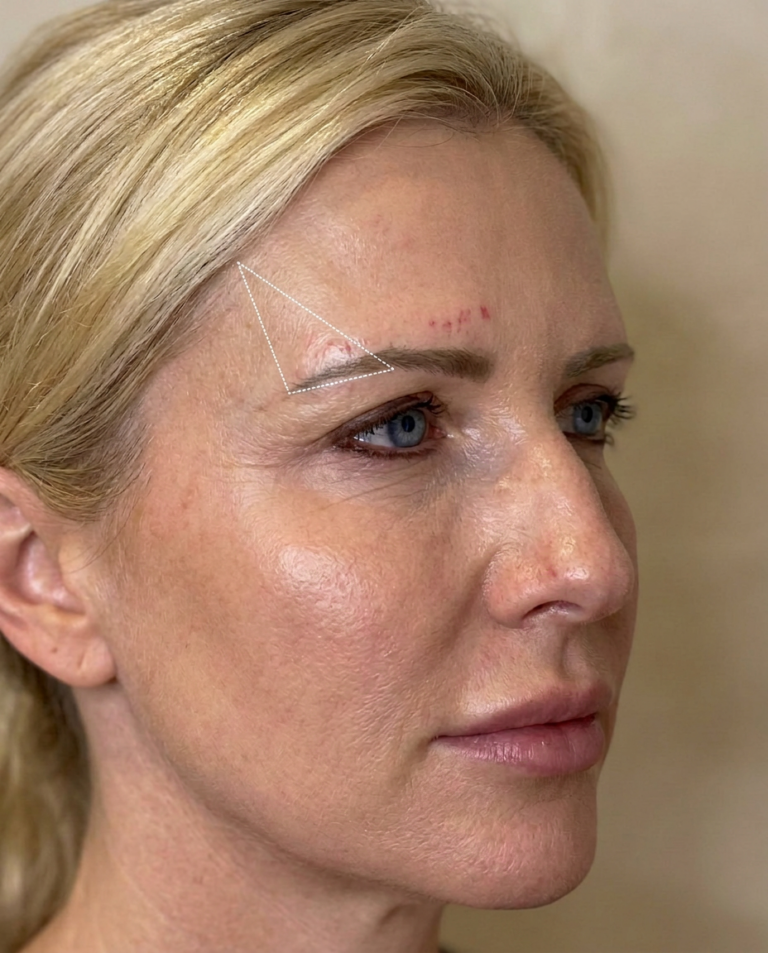
Brow Case Study
A patient in her late 40s presented with lateral brow descent that…
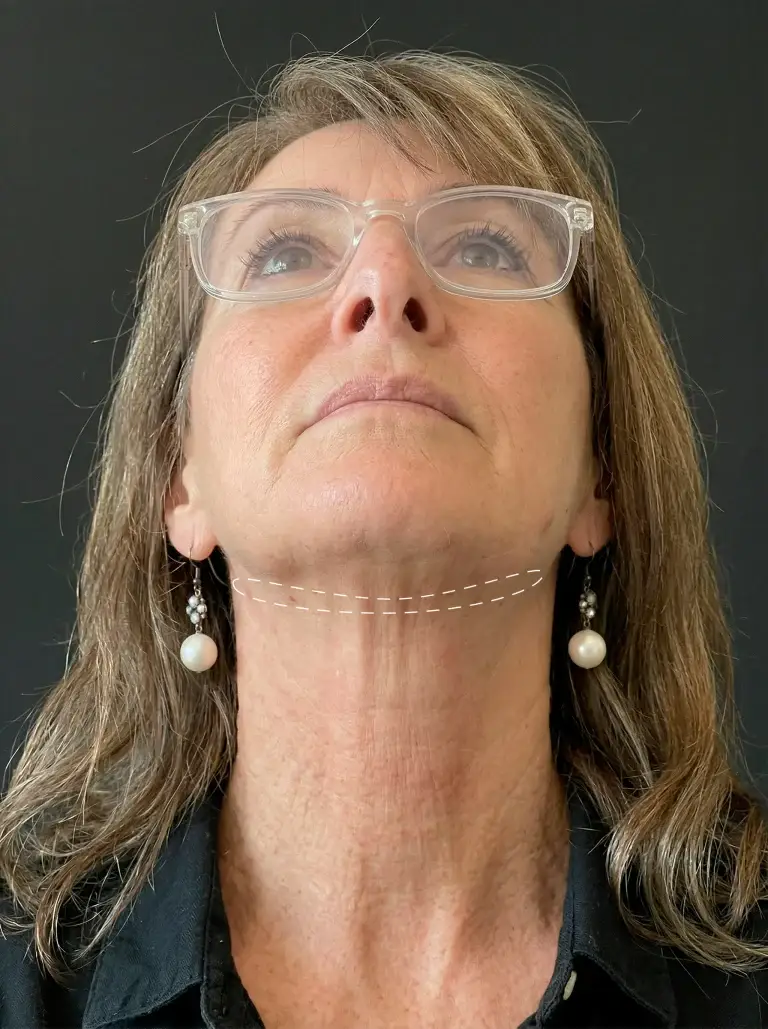
Structural Lower Face Lift: A Case Study in Professional Neck Rejuvenation
Can a non-surgical lower face lift preserve your professional authority? Explore this…
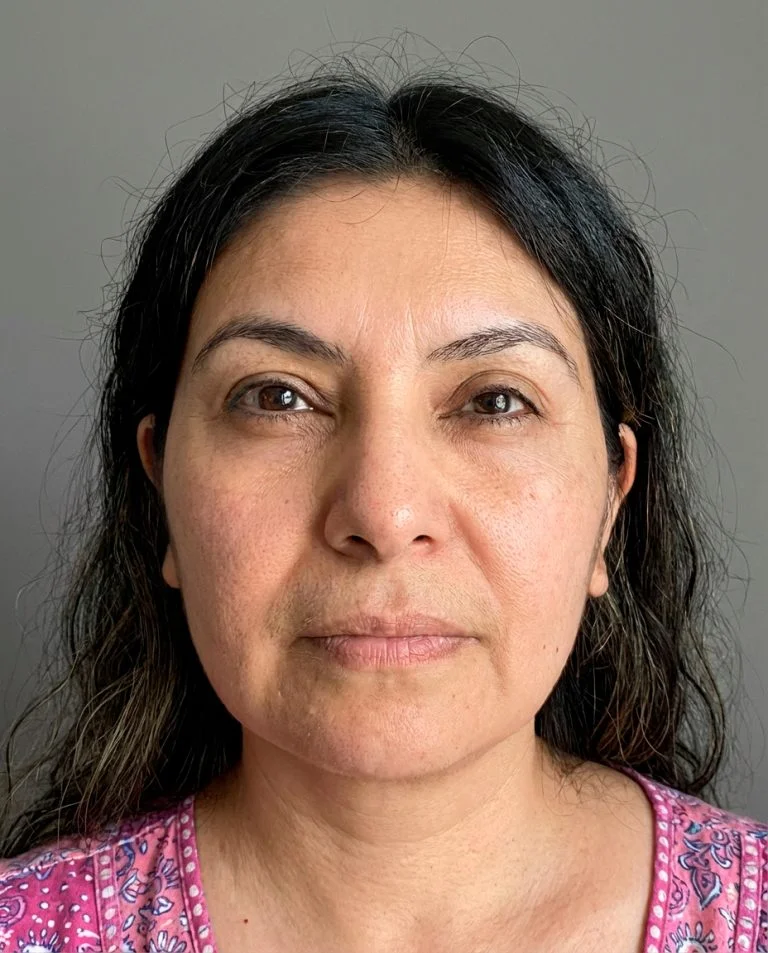
Case Study: Non Surgical Jawline Contouring with Thread Lifting in a 43-Year-Old Woman
This case study explores non-surgical jawline contouring with thread lifting in a…
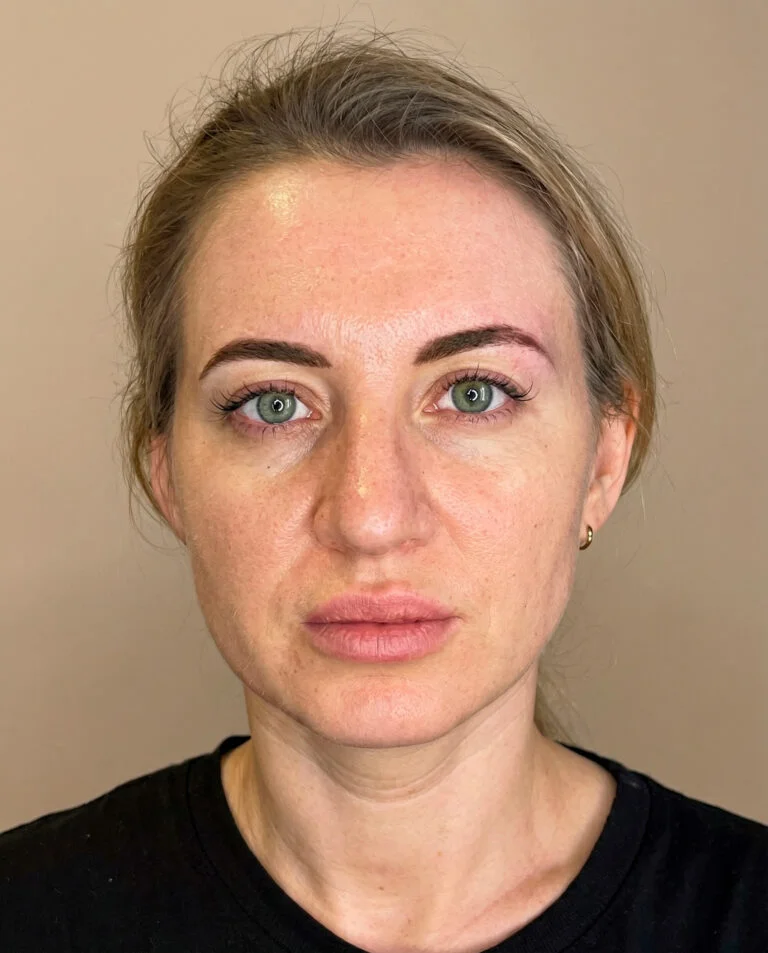
Facial Fatigue
A 37-year-old woman traveled to Scottsdale seeking a non-surgical solution for facial…
Reviews
What our patients say
“Dr. Natalya is very knowledgeable, professional and has excellent patient rapport. She easily explains each procedure and utilizes the latest techniques. I would highly recommend Dr. Natalya.”
“Desert Bloom is great, from the first consultation, to the appointment I booked (laser), they kept me educated and gave me realistic expectations. Natalya was great through the treatment to make sure I was comfortable. I’m excited to be back in soon!”
“Dr. Natalya is amazing, a true professional. I was not familiar at all with the threading procedure when I first called. I was curious about the non-surgical rhinoplasty I read about after deciding full surgery was not what I wanted right now. It seemed to good to be true!! Brian took a good amount of time explaining things to me over the phone when I first called, sent me photos and encouraged me to go to their website and instagram page to learn more. Dr. Natalya then spent another 30+ minutes with me as well during my consultation. I felt so at ease and well informed. A week later, I had the procedure done and the results are incredible! I highly recommend Desert Bloom! (Before and after photos were taken the day of the procedure… I was mid-blink in the one, not sad…haha)”
Similar treatments
You may also be considering
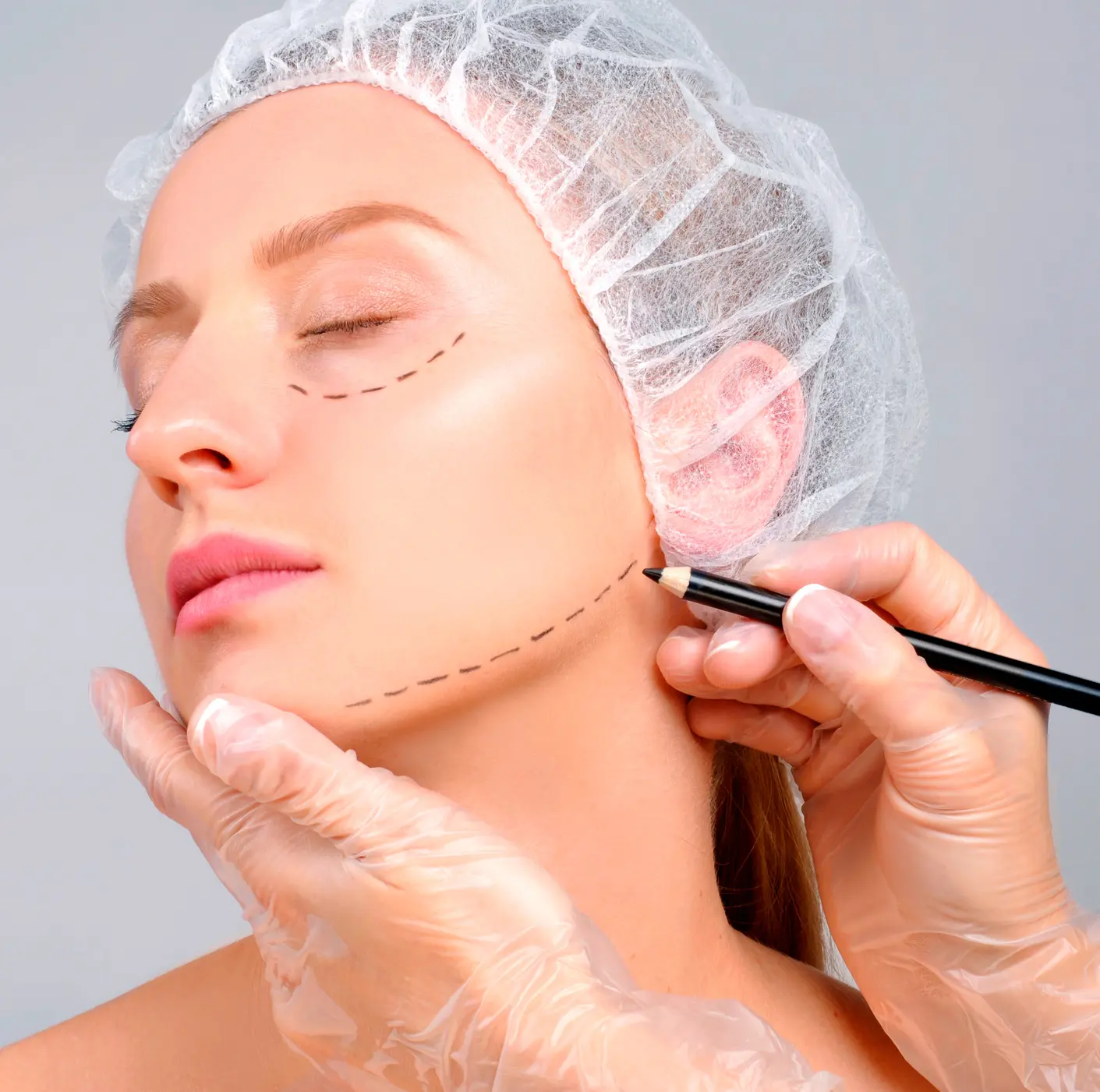
Facial Balancing
Facial balancing with filler in Scottsdale, AZ — see cost, before & after results, and treatment plan. Dr.…
See treatment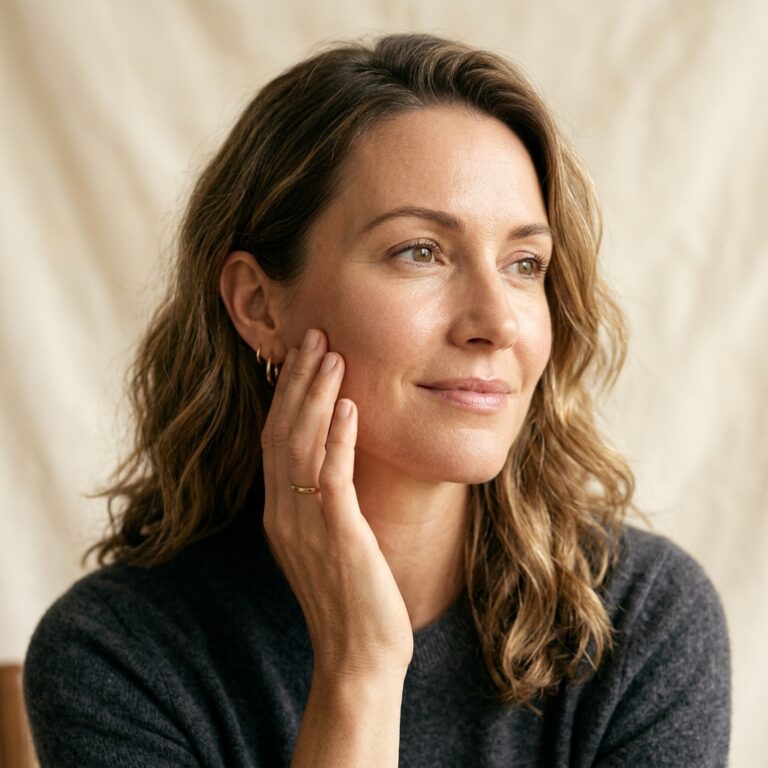
Cheek Filler
Restore Midface Volume in Scottsdale It usually starts with a photograph — something about the midface looks different,…
See treatment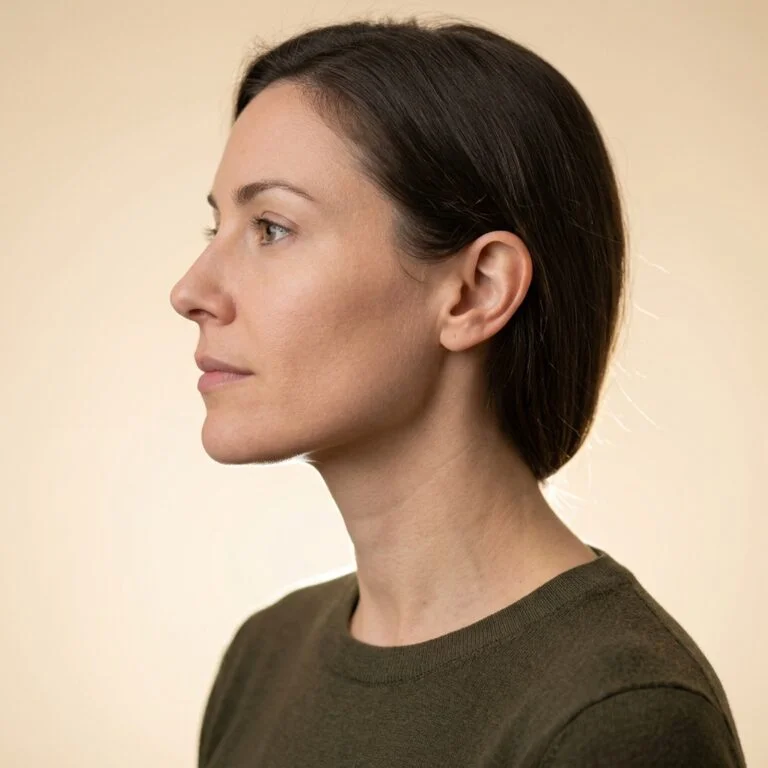
Chin Filler
Better Profile Balance, Without Surgery It usually starts with a photo — a side angle you didn’t expect,…
See treatment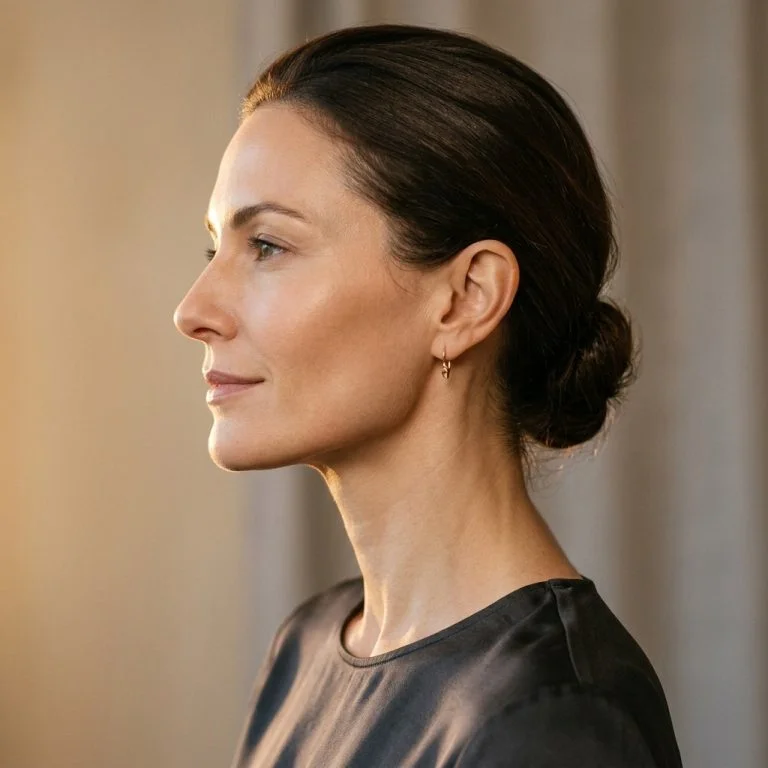
Jawline Filler
Definition Where It Used to Be It usually starts with a photo. Not a dramatic change — just…
See treatmentScottsdale, Arizona
Start with a conversation, not a treatment plan
A consultation with Dr. Borakowski is a screening first. If the treatment you came in asking about isn't the right tool, she'll tell you — and point you toward what is.
Book a consultationContact us
Do you have any questions?
Visit our Scottsdale aesthetic center
Address
10752 N 89th Place,
Ste 122B · Scottsdale, AZ 85260
Phone: (480) 567-8180
E-mail: info@desertbloomskincare.com
Get directionsLocation & directions
Conveniently located in the Shea Corridor of North Scottsdale, within Edwards Professional Park I — minutes from HonorHealth Scottsdale Shea and the Mayo Clinic Scottsdale Campus.
From the North / South: Take Loop 101 and exit at E Shea Blvd, just East of the freeway.
Parking: Ample free parking directly in front of Suite 122B.
Areas we serve
Scottsdale
North Scottsdale · McCormick Ranch · Gainey Ranch
Paradise Valley
Cave Creek & Carefree