Tighten and lift, without the knife
Are you self-conscious about the appearance of your neck but don’t want to go through surgery?
Imagine having a smooth, youthful-looking neck without the downtime and risks associated with surgery. A neck thread lift can give you the confidence boost you need to feel your best.
Book a consultation with Dr Natalya today at our clinic Desert Bloom in Scottsdale and learn more about non-surgical neck lift and achieve the look you’ve always wanted.
About neck thread lift
Neck thread lift is a non-surgical cosmetic procedure that uses special threads to lift and tighten the skin on the neck, improving the appearance of wrinkles and sagging skin.
The cost of thread typically starts at around $1800, but can vary depending on the number of threads used, and the areas being treated. The procedure usually takes around 60-90 minutes. Recovery time is minimal, with most patients returning to their normal activities few days after the procedure.
Common side effects include mild pain, swelling, and redness at the injection site. These side effects usually resolve within a few days.
First signs of neck aging
It’s often said that the neck can give away a person’s age, particularly in women. As we age, the neck skin can become thinner and less elastic, which can cause it to sag and lose its youthful contour. If you’re concerned about the signs of aging, including changes in your neck’s appearance, our qualified healthcare provider can help. We specialize in facial rejuvenation and offer a variety of treatment options. These treatments can address sagging skin, skin laxity, wrinkles, and other signs of aging caused by collagen and elastin loss. Contact us to learn more about our services and to schedule a consultation.
Methods of rejuvenation and neck lift
Facial and neck rejuvenation can be achieved through surgical and non-surgical procedures. Invasive procedure include traditional facelift, neck lift, brow lift, and eyelid surgery. Non-surgical options include botox, dermal fillers, laser skin resurfacing, chemical peels, microdermabrasion, and neck thread lift treatments. The choice of procedure depends on individual needs, goals, and medical history. Thread lift treatment and other options can improve skin texture and provide a more youthful appearance.
What to do before neck thread lift
Please keep in mind, addressing aging neck and getting back to that tight jawline, will likely require multiple treatments with multiple modalities. If you have too much fullness under your chin, for example, we might start with fat minimizing treatments first, before we even think about lifting the skin.
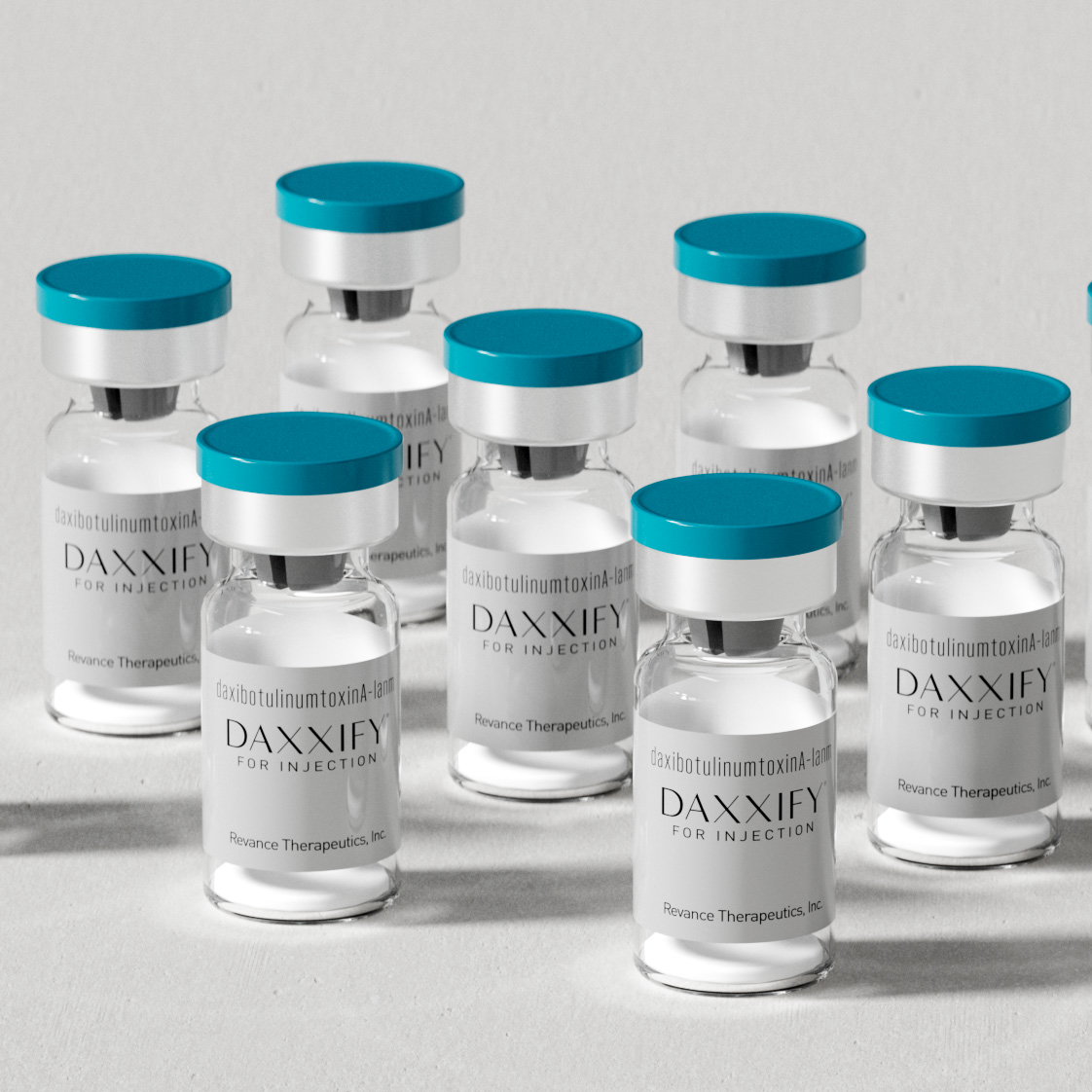
We might consider to start with botulinum toxin, if you have tight neck bands. This procedure called Nefertiti neck lift and typically requires 40-60 units of neurotoxin, such as Botox or Daxxify.
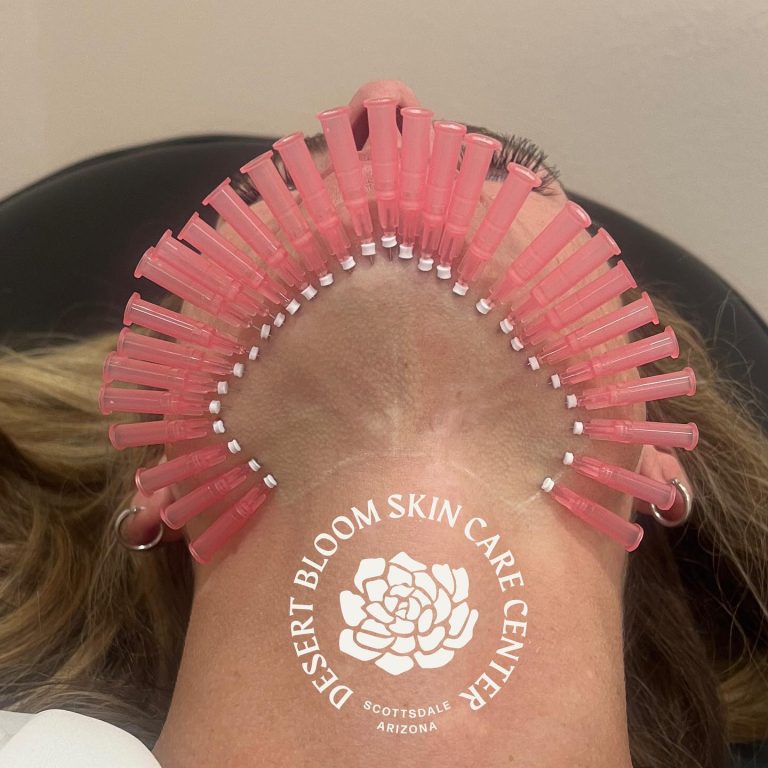
For thin, lax skin, with visible lines and wrinkles, we might consider new collagen building fillers, including Radiesse and Bellafill, or collagen building mono PDO threads. For the individuals with thin skin we require this step before the neck lifting procedure to achieve the best results. Treatment with PDO mono threads for the neck, called neck meshing.
Common side effects include bruising and injection site tenderness, during the appointment 30-50 threads will be placed under your skin creating a mesh. These treads will be absorbed by your body and replaced with your own collagen fibers, resulting in tighter, smoother skin. Procedure cost $600-1000
What threads do we use for a neck lift?
Once we achieved thicker more resilient skin, we can perform skin lifting procedure. Please note, not all patient will need this step, many will achieve satisfactory results after collagen boosting filler or neck meshing. For neck thread lift procedure we use Silhouette Instalift, PLLA threads with cone technology, which catch on to your tissue like suction cups, pulling it up and are inserted using a cannula. InstaLift threads provide superior lift, tightening jowls and loose skin under the chin. These threads are bioabsorbable, however, they last much longer, completely dissolving after 24 months. Like all our thread lifting procedures, this one is also performed under local anesthesia, with used of Pro-Nox and or Zimmer chiller for complete patient comfort. Average cost $1200-3600 depending on how many threads are used.

Features of a neck lift with threads
A neck thread lift with threads is a minimally invasive and non-surgical procedure that can effectively improve the appearance of sagging skin and laxity in the neck area.
Minimally invasive procedure: The procedure requires no incisions or anesthesia and has minimal downtime, making it a great option for patients with mild to moderate concerns.
Stimulates collagen production: The threads used in the procedure stimulate the production of collagen, improving the overall appearance of the skin and providing natural-looking results.
Recommended for good candidate: Patients with good skin elasticity and minimal scar tissue are typically good candidates for this procedure.
Other options for facial rejuvenation: In addition to a neck lift with threads, patients may also consider treatments such as fillers, Botox, or skin resurfacing to address fine lines and contouring of the face.
Benefits of a thread neck lift
Quick and easy: This can typically be performed in under an hour, and it often requires minimal downtime. This can make it a convenient option for patients who want to achieve noticeable results quickly and easily.
Safe and effective: The neck thread lift used in the procedure are made of biocompatible materials, and they are generally well-tolerated by the body.
Natural-looking results: Neck thread lift treatment can deliver natural-looking results that can improve the appearance of the neck without looking “overdone” or artificial. This can help patients to achieve a more youthful and refreshed appearance with minimal recovery time.
No visible scars: PDO thread neck lift does not typically leave any visible scars. This can be an important consideration for patients who want to improve the appearance of their neck without having to worry about any visible evidence of the plastic surgeon intervention.
Long-lasting results: The results are typically long-lasting, but the exact duration will vary depending on individual factors such as skin type, age and health of the patient, and the number of threads used.
Overall, a thread neck lift can be a good option for patients, who want to improve the appearance without undergoing a more invasive surgical procedure. It is important to consult with a qualified medical professional to determine if this treatment is the right option for you.
How long does a thread lift procedure take?
The duration of a skin tightening can vary depending on the extent of treatment and the specific technique used. In general, however, a thread lift procedure typically takes between 30 minutes and 1 hour to complete.
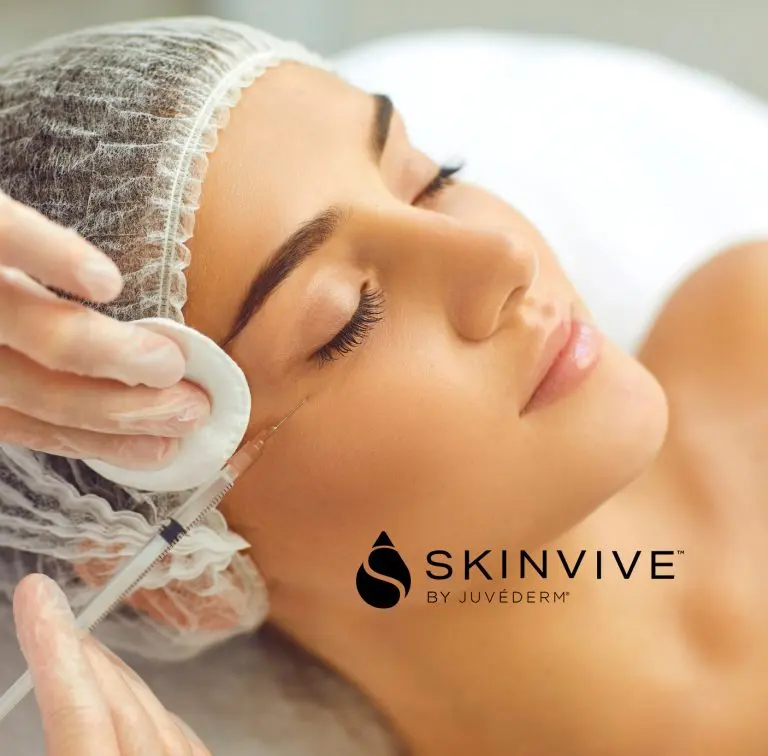
During the procedure, the doctor will use dull needles also called cannulas to insert the threads under the skin, positioning them in strategic locations to provide support and lift the skin. The number of threads used and the specific technique used will depend on the individual’s needs and goals. Once the threads are in place, the doctor will carefully adjust them to lift and tighten the skin. We do recommend to consider lifting your lower face prior or during your neck lifting procedure. The weight of sagging soft tissues of your lower face can significantly affect the appearance of your neck. We do recommend scheduling a complimentary consultation with Dr. Natalya to develop individual treatment plan to address all your anti-aging concerns.
The rehabilitation period after treatment.
Rehabilitation after a thread neck lift is typically short and mild. Most patients can resume normal activities within a few days.
Strenuous activities and exercise should be avoided for a few weeks to allow for proper healing. Patients may experience mild swelling, bruising, and discomfort, which can be managed with cold compresses and pain medication.
To ensure the best possible results, it’s crucial to follow post-treatment instructions provided by your doctor. Avoid rubbing, massaging, or applying pressure to the treated area for a few weeks after the procedure. This allows the threads to fully integrate into the surrounding tissue. Your doctor will monitor the healing process and provide guidance on when to resume normal activities.
Potential risks and complications
Like any surgical procedure, a neck lift with threads carries potential risks and complications. Some of the potential drawbacks of this procedure include:
Bruising and swelling and soreness: Bruising and swelling are common after the procedure. They usually subside on their own within weeks. However, they can be uncomfortable and unsightly in the meantime. Your doctor can advise on how to manage these symptoms.
Infection: There is always a risk of infection with any surgical procedure, including a neck lift with threads. If you develop an infection, it may require treatment with antibiotics.
Nerve damage: Damage to nearby nerves is a rare but possible risk of neck lift with threads. It may cause numbness or tingling in the treated area.
Skin irritation: Some people may experience skin irritation or an allergic reaction to the threads used in the procedure. This can cause redness, itching, and swelling in the treated area.
Scarring: A neck lift with threads may leave behind small scars at the site of each thread insertion. These scars are typically very small and fade over time, but they can be visible in some cases.
Unsatisfactory results: While most people are satisfied with the results of a neck lift with threads, there is always a chance that the procedure may not achieve the desired effects. In some cases, the results may be less noticeable or the skin may not look as youthful as expected. It’s important to discuss your expectations with your doctor and understand the potential risks and limitations of the procedure.
Contraindications for thread installation
Not all patients are great suitable candidates for thread lift procedures. Some contraindications include:
Infection: Undergoing thread installation is not safe if you have an active infection in the area. It’s important to wait until the infection is treated before considering the procedure.
Bleeding disorders: If you have a bleeding disorder or take clotting-affecting medication, you may not be a suitable candidate. To determine your eligibility for thread installation, consult with Dr. Natalya.
Skin conditions: Certain skin conditions, such as eczema or psoriasis, can make thread installation unsafe.
Pregnancy: If you are pregnant and considering thread installation, it’s important to know that this procedure is generally not recommended. The reason for this is that the effects of the procedure on a developing fetus are not well-known.
Previous surgery: Before getting thread installation, discuss any previous surgeries in the area with your doctor. This information is important for your doctor to ensure the safety and effectiveness of the procedure. In some cases, thread installation may not be advisable.

last word about neck thread lift
At Desert Bloom Skin Care Center, you can experience the power of PDO thread lifting with the guidance of expert Dr. Natalia Borakowski. Regardless of your level of experience, PDO thread lifting can help you say goodbye to sagging skin and achieve a more youthful and refreshed appearance. This safe and effective anti-aging solution can provide excellent results. If you’re interested in PDO thread lifting, contact us to learn more about this treatment and to schedule a consultation with Dr. Borakowski.
No need to worry about the unnatural, overfilled look. With PDO threads, the skin is lifted, not altered, resulting in beautiful, natural results. Schedule your consultation today and discover the difference of PDO neck thread lifting.

Video of the neck lift process with PDO threads
This is now we do neck tightening PDO threads for collagen stimulation.
Consultation in skin care clinic
Desert Bloom Skincare Center offers personalized skincare consultation to help you achieve a flawless and radiant complexion. Book your appointment today and let our expert team of skincare professionals address your specific concerns and help you reach your skincare goals.