The Nonsurgical Neck lift: Benefits of PDO thread lift neck
Do you want to get rid of sagging skin on your neck but don’t want to undergo surgery? Consider a PDO thread lift. This non-invasive procedure can effectively lift and tighten the skin on your neck without the need for surgery.
Article's contents
- Understanding PDO Thread Lift for Neck
- What is a PDO Thread Lift?
- How does it Work for Neck Lift?
- What are the benefits of using a pdo thread lift neck?
- 1. Skin Tightening with PDO Thread Lift for the Neck
- 2. Skin Rejuvenation and Texture Improvement
- 3. Safe and Convenient Alternative to Surgery
- Similar Procedures for PDO thread lift neck
- Surgical Neck Lift
- Kybella Injection
- Potential Complications of PDO thread lift neck
- PDO thread lift neck Recovery and Aftercare
- Who is a Candidate for PDO thread lift neck?
- PDO Thread Lift Price for Neck
- Conclusion
Understanding PDO Thread Lift for Neck
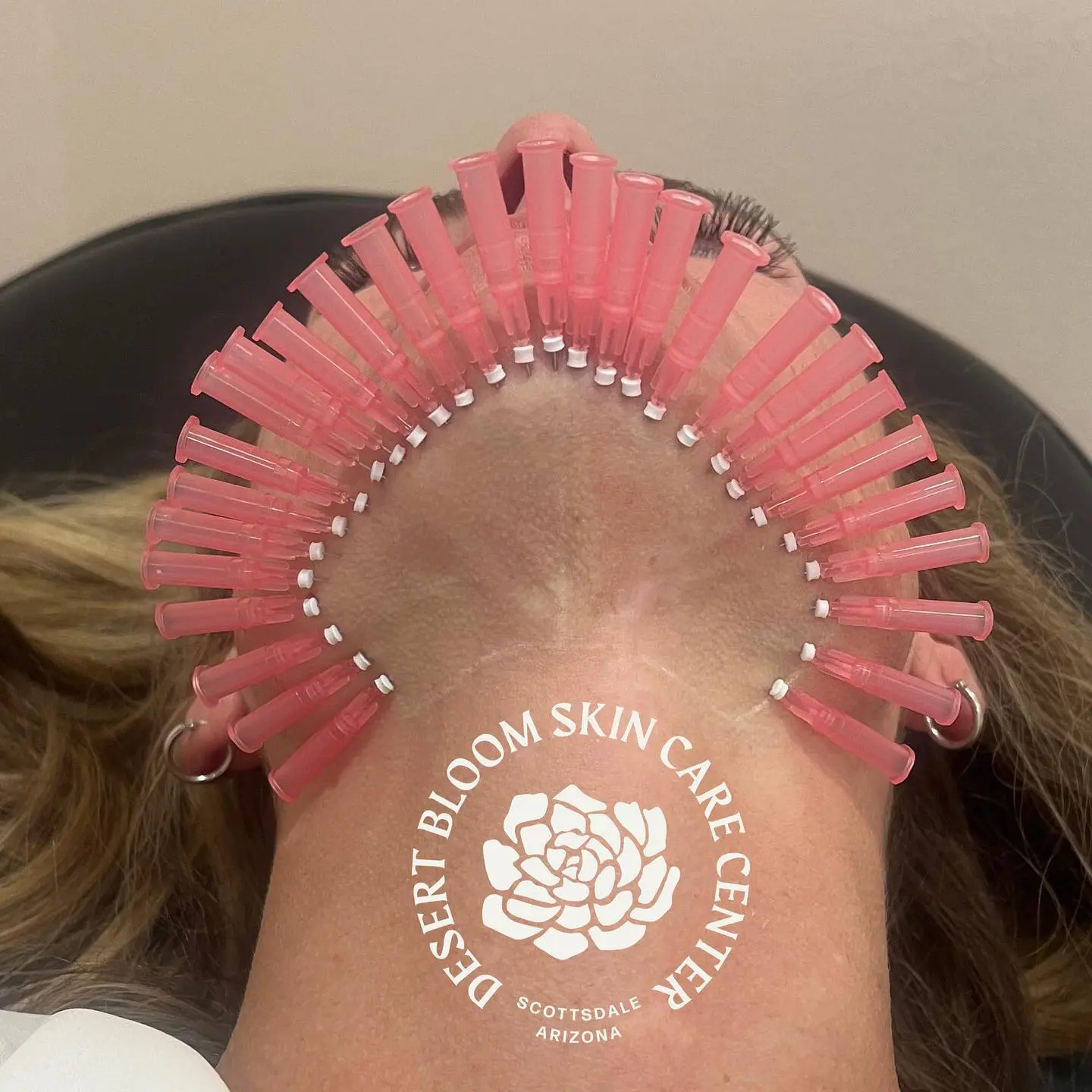
Maintaining a youthful appearance is a priority for many individuals, but as we age, sagging skin on the neck and jowls can be challenging to address. Fortunately, PDO Thread Lift is a nonsurgical treatment that offers a solution. This innovative procedure involves the insertion of dissolvable threads under the skin to lift and tighten it, resulting in firmer and more youthful-looking skin. By stimulating collagen production, PDO Thread Lift provides long-lasting results without requiring general anesthesia or significant downtime.
What is a PDO Thread Lift?
Polydioxanone (PDO) Thread Lift is a minimally invasive alternative to traditional surgical neck lifts, using dissolvable threads inserted under the skin to lift and tighten sagging skin on the neck and jowls. The threads stimulate collagen production, which leads to improved skin elasticity and a more youthful appearance. Unlike surgical options, PDO Thread Lift requires no general anesthesia or lengthy downtime. This customizable procedure can be tailored to individual needs with various types of threads and techniques available.
How does it Work for Neck Lift?
To achieve a lifted and more youthful-looking neck, PDO Thread Lift is an effective and minimally invasive option. The procedure involves inserting dissolvable threads under the skin using a dull hollow needle called cannula, which is then removed and threads are pulled tight to create a lifting effect. Over time, the threads dissolve while stimulating collagen production, improving skin elasticity and firmness. Unlike surgical neck lifts, PDO Thread Lift requires minimal downtime and causes no scarring.
What are the benefits of using a pdo thread lift neck?
1. Skin Tightening with PDO Thread Lift for the Neck
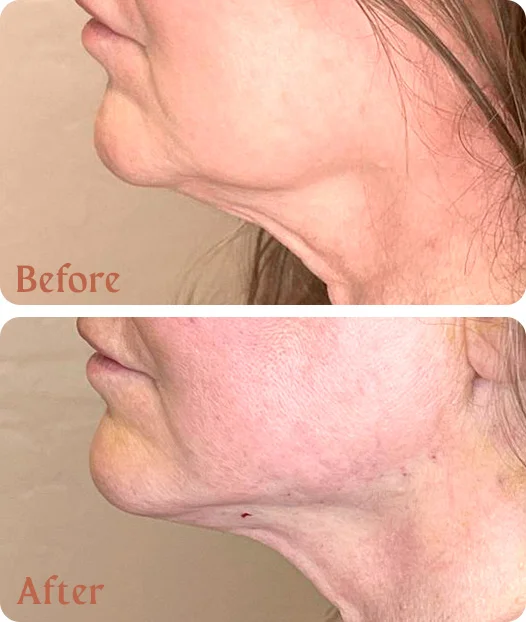
The PDO thread lift is a popular non-surgical procedure designed to tighten and rejuvenate the neck area. It’s a minimally invasive alternative to facelifts and other cosmetic procedures like dermal fillers and Botox. One of the main benefits of a PDO thread lift for the neck is its ability to tighten the skin. Polydioxanone (PDO) threads are inserted into the skin tissue, lifting sagging skin and stimulating new collagen production. This collagen provides greater elasticity and firmness, making the skin appear more youthful and toned.
2. Skin Rejuvenation and Texture Improvement
Another significant benefit of the PDO thread lift is the rejuvenation of the skin’s texture. By reducing fine lines, wrinkles, and age spots, PDO threads smooth the neck’s surface and promote a youthful appearance. When combined with treatments like CO2 lasers or photofacials, the results are even more impressive, enhancing the reduction of wrinkles and age spots. This versatile approach makes PDO thread lifts an excellent option for those seeking non-surgical skin improvement.
3. Safe and Convenient Alternative to Surgery
PDO thread lifting is not only effective but also convenient. Unlike traditional facelifts, which require general anesthesia, this procedure uses only local anesthetic, resulting in less downtime, minimal discomfort, and a quicker recovery. Additionally, the PDO thread lift can be combined with treatments such as Botox or dermal fillers for more comprehensive anti-aging effects. FDA-cleared for soft tissue lifting, the procedure is safe, performed with a cannula to reduce injury risks, and can be done in a medical spa or clinic with little disruption to your daily routine.
Similar Procedures for PDO thread lift neck
When it comes to neck lift procedures, there are several alternatives to traditional surgical options. One is the non-surgical injection of fillers and bio stimulating products that can add skin firmness and smooth out wrinkles. Another is radiofrequency treatment, such as RF microneedling, which uses heat technology to tighten the skin in the neck area by stimulating collagen production. Kybella injections dissolve fat cells under the chin for a more defined jawline. All these treatments can be combined with PDO neck lift for most dramatic results. .
Surgical Neck Lift
For individuals with significant sagging or loose skin in the neck area, surgical neck lift may be a more suitable option than PDO thread lift neck. This procedure involves incisions and removal of excess skin and fat, which result in a longer recovery time compared to PDO thread lift. However, surgical neck lift provides dramatic and lasting results that some patients may prefer over the minimally invasive nature of PDO thread lift neck. It is recommended to discuss both options with your healthcare provider to determine which treatment is best for you.
Kybella Injection
Kybella injection is a non-surgical alternative to traditional neck lift surgery that targets submental fat or the double chin. With its active ingredient, deoxycholic acid, Kybella injections work by destroying fat cells and improving the contour of the jawline. This procedure is relatively quick, requires no downtime, and has minimal side effects compared to invasive surgical procedures. Multiple treatments may be necessary, but with Kybella injections, individuals can enjoy a slimmer and more defined neck without undergoing surgery. Patients also need to be aware, Kybella does not improve skin elasticity so different treatments might be needed to address that.
Potential Complications of PDO thread lift neck
Every medical procedure comes with potential risks and complications, and PDO thread lift neck is no exception. Bruising and swelling are common side effects that can be managed easily. However, patients should also be aware of the risk of infection, nerve damage, and thread migration. While these complications are rare, proper sterilization and aftercare can help minimize the risk. It’s important to discuss any concerns or questions with your doctor before undergoing the procedure to ensure a safe and successful outcome.
PDO thread lift neck Recovery and Aftercare
Proper aftercare is crucial for optimal results after a PDO thread lift neck. To reduce swelling and bruising, apply cold compresses to the treated area for 10-15 minutes at a time, several times a day. Avoid strenuous activities and facial movements for a few days post-treatment. Your doctor will recommend a skincare routine that can help maintain the results. Attend follow-up appointments to ensure proper healing and address any concerns you may have. With proper aftercare, you can enjoy the benefits of your PDO thread lift for up to 18 months.

Who is a Candidate for PDO thread lift neck?
Introducing a key concept, the PDO thread lift is an ideal solution for those looking to improve the appearance of sagging skin and wrinkles in their neck area. With its non-invasive and quick procedure, PDO thread lift neck is a perfect alternative to traditional surgery for people who want minimal downtime and fast results. The procedure also stimulates collagen production, which means that as time goes by, patients can expect natural-looking, long-lasting results. However, it’s important to note that not everyone is a suitable candidate for the procedure – individuals should be in good overall health and have realistic expectations about the outcomes.
PDO Thread Lift Price for Neck
Introducing an affordable and less invasive alternative to traditional surgical neck lifts, the PDO thread lift neck has become increasingly popular due to its long-lasting results and natural-looking outcome. While the cost of the procedure varies depending on the practitioner’s expertise and the number of threads used, it is a worthwhile investment in your appearance and self-confidence. It is important to consider the experience and qualifications of your practitioner over just the price, as it can affect the quality of treatment received. Moreover, PDO thread lift offers a more budget-friendly option for those who want to achieve a youthful look without undergoing surgery.
At Desert Bloom Skin Care Center, the cost of the PDO thread lift neck procedure starts at $1,800, making it an affordable option for those seeking to rejuvenate their neck without undergoing traditional surgical face lifts.
Conclusion
In conclusion, PDO Thread Lift for Neck is a highly effective non-surgical procedure that provides a minimally invasive solution to sagging neck skin. Unlike traditional facelift and surgical face lift, the PDO thread lift neck procedure does not require sutures or leave behind noticeable scars. The treatment uses dissolvable threads to lift and tighten the skin, restoring the neck’s elasticity, and providing immediate results. Additionally, the procedure has become increasingly popular because of its affordability, natural-looking outcomes, and minimal downtime. With the advancement of cosmetic procedures, PDO Thread Lift for Neck is a promising treatment option that can help you regain your confidence without undergoing costly and invasive plastic surgery. If you’re considering this procedure, we recommend seeking a consultation with an experienced professional to determine if it’s right for you.