Facial Masculinization Surgery
Facial masculinization surgery offers both surgical and non-surgical options to enhance masculine facial features. This guide explores key procedures, recovery times, and how to choose the right method to align your appearance with your gender identity or aesthetic goals.
Article's contents
- What is Facial Masculinization Surgery?
- Steps to Achieve a Masculine Appearance Through Surgery
- Enhancing the Brow and size of the Adam’s apple
- Nose Reshaping and Chin/Jaw Definition
- Who May Benefit from Facial Masculinization Surgery?
- Surgical Methods
- The Role of Implants in Achieving Masculine Features
- Balancing Masculinity and Fertility: What You Need to Know
- Risks and Potential Complications of Facial Masculinization Surgery
- Non-Surgical Methods for Masculine Attractiveness
- Dermal Fillers for Jawline and Chin Enhancement
- Botox
- Surgery vs. Non-Surgical Methods for a Masculine Face: Which Is Better?
- Comparing Surgical and Non-Surgical Approaches
- Free Consultation at Desert Bloom

What is Facial Masculinization Surgery?
Facial masculinization surgery modifies masculine facial features and reduces those typically associated with a feminine face to align with a person’s gender identity. This procedure is commonly chosen by individuals experiencing gender dysphoria or those whose gender identity aligns with masculinity. By reshaping key areas such as the jawline and brow ridge, the surgery helps synchronize a person’s outward appearance with their gender identity. Hormone therapy often complements this transformation, promoting the development of masculine traits over time. While the focus is on enhancing masculinity, the surgery may also involve reducing or eliminating features typically associated with femininity, allowing individuals to achieve a look that better reflects their identity.
Steps to Achieve a Masculine Appearance Through Surgery
Facial masculinization surgery involves reshaping key facial structures to create stronger, more angular features. Surgeons focus on reshaping the brow ridge and angle of the jaw, while enhancing muscle mass to create a more defined masculine appearance. By reshaping critical facial structures like the brow ridge and the angle of the jaw, and enhancing muscle mass, surgeons create a more defined and masculine look. Modifying cartilage and soft tissue further improves facial symmetry, resulting in a balanced, masculinized look that aligns with the individual’s aesthetic goals.
Enhancing the Brow and size of the Adam’s apple
A key step in facial masculinization is augmenting the brow and enhancing the Adam’s apple, both essential features of a traditionally masculine appearance. Brow augmentation involves reshaping the brow ridge to make it more prominent and powerful, creating a more assertive and defined look. A well-pronounced brow is a hallmark of masculinity, enhancing the overall facial structure. Similarly, enhancing the Adam’s apple is vital for creating a strong neck profile. This procedure increases its prominence, a recognizable masculine trait, leading to a more distinct and angular neck contour.

Nose Reshaping and Chin/Jaw Definition
Nose reshaping (rhinoplasty) and defining the chin and jawline are critical components in achieving a masculine facial profile. Rhinoplasty focuses on creating a straighter, more angular nose by refining the nasal bridge and eliminating curvature, contributing to facial balance and structure. The chin and jawline, essential to a masculine look, are reshaped to enhance angularity and strength. Surgeons adjust the bone and soft tissues, improving symmetry and harmonizing the overall face. Testosterone-induced muscle growth in the jaw area further accentuates this sculpted, bold appearance.
Who May Benefit from Facial Masculinization Surgery?
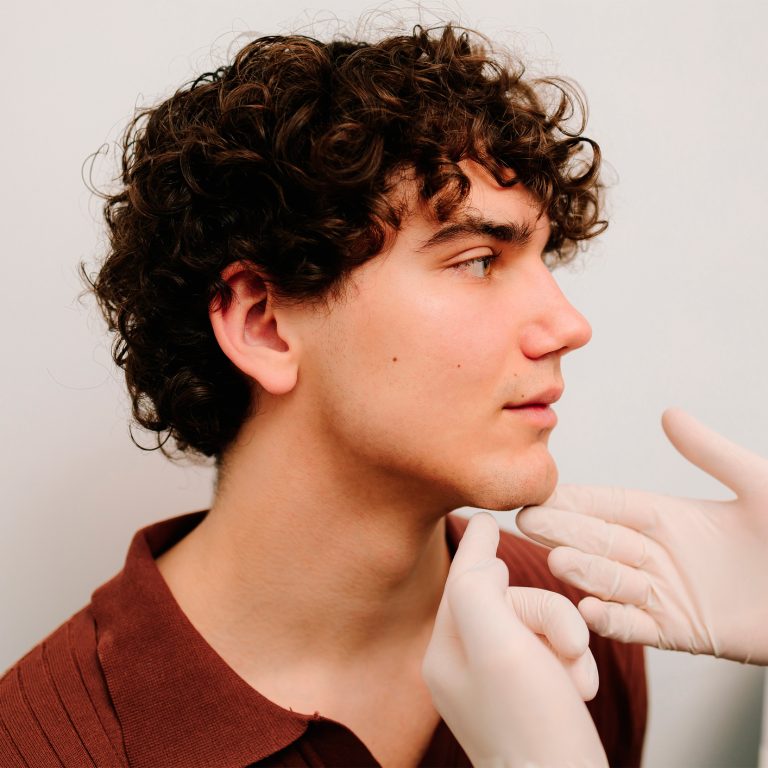
Facial masculinization surgery benefits individuals seeking to align their physical appearance with their gender identity, particularly those transitioning from female to male. It is also beneficial for anyone desiring a more masculine facial structure, whether due to gender dysphoria, personal aesthetic goals, or to enhance features like the jawline, brow ridge, and chin. This surgery provides a solution for those who wish to achieve a more traditionally masculine look, helping them feel more comfortable and confident in their appearance.
Surgical Methods
Facial masculinization surgery encompasses a variety of techniques aimed at reshaping and enhancing facial structures to create a more traditionally masculine appearance. The specific methods used depend on the patient’s individual anatomy and goals, but the focus is on augmenting key features and reducing or modifying others to achieve sharper, more angular contours.
Bone Reshaping: One of the primary methods involves altering the bone structure. For instance, to masculinize the face, surgeons may modify the jaw and chin by removing or adding bone tissue.
Cartilage Augmentation: In areas where a more robust structure is needed, such as the nose or Adam’s apple, cartilage grafts are often used. Surgeons typically harvest cartilage from the patient’s rib or ear and graft it to the necessary areas.
All of these techniques are performed with the utmost precision, often under general anesthesia, to ensure patient comfort and safety.
The Role of Implants in Achieving Masculine Features
Implants are a key tool in facial masculinization, providing long-lasting, structural enhancements to areas like the jawline, chin, and occasionally the cheekbones. These implants help create the angular, defined contours that are characteristic of a traditionally masculine face.
Facial implants are typically made from biocompatible materials such as silicone or porous polyethylene, which integrate well with the body’s tissues. The most common areas for implant placement include:
Jawline Implants. For individuals lacking natural bone structure in this area, implants offer a significant enhancement without the need for extensive bone reshaping.
Chin Implants: Chin augmentation is often combined with jawline implants to create a harmonious and masculine lower face.
Brow Ridge Implants: In cases where the natural brow ridge is insufficient, implants can be inserted to enhance the prominence of this area, creating a stronger and more assertive appearance.
Implants can also be used to enhance the size of the Adam’s apple for the best result in achieving a masculine neck profile.
Balancing Masculinity and Fertility: What You Need to Know
Balancing masculinity and fertility involves careful consideration, especially for those undergoing facial masculinization surgery or hormone therapy. While procedures that enhance masculine features, such as jawline or brow ridge adjustments, do not directly affect fertility, hormone therapy involving testosterone can have a significant impact. Testosterone may reduce sperm production and affect overall fertility, making it crucial for individuals to discuss their reproductive goals with a healthcare provider before starting treatment. Preservation options, such as sperm banking, are available for those who wish to maintain their fertility while pursuing a more masculine appearance.
Risks and Potential Complications of Facial Masculinization Surgery
Facial masculinization surgery, while often successful, carries risks similar to other surgical procedures. It’s important to understand these risks and discuss them with your surgeon before proceeding.
- Infection: Infection can occur at incision sites but can usually be managed with antibiotics. Proper wound care minimizes this risk.
- Scarring: Although incisions are placed discreetly, scarring is possible. Raised scars (keloids) may occur and can sometimes be treated post-surgery.
- Nerve Damage: Surgery near facial nerves can cause temporary or permanent numbness or tingling. While most nerve damage heals over time, some cases may be irreversible.
- Implant Complications: Implants can shift or become infected, potentially requiring removal or replacement.
- Asymmetry: Achieving perfect facial symmetry is difficult. Minor asymmetry may occur, and revision surgery may be needed in rare cases.
- Swelling and Bruising: These are common and typically subside in a few weeks, though swelling can last longer in some cases.
- Breathing or Speech Changes: Rhinoplasty or jawline surgery may affect breathing or speech temporarily during recovery.
- Anesthesia Risks: General anesthesia can carry risks, such as allergic reactions or complications with heart or lung function, though these are rare.
Non-Surgical Methods for Masculine Attractiveness
Achieving a more masculine facial appearance without surgery is possible through non-surgical facial masculinization methods, including dermal fillers, injections Botox, and other non-surgical treatments. These methods offer an effective way to enhance features such as the jawline, chin, and cheekbones, creating a stronger, more defined look. Non-surgical options are ideal for individuals seeking subtle changes, those who prefer to avoid surgery, or those who want to explore temporary solutions before committing to permanent procedures. These treatments are customizable and tailored to each individual’s unique facial structure and goals.
Dermal Fillers for Jawline and Chin Enhancement
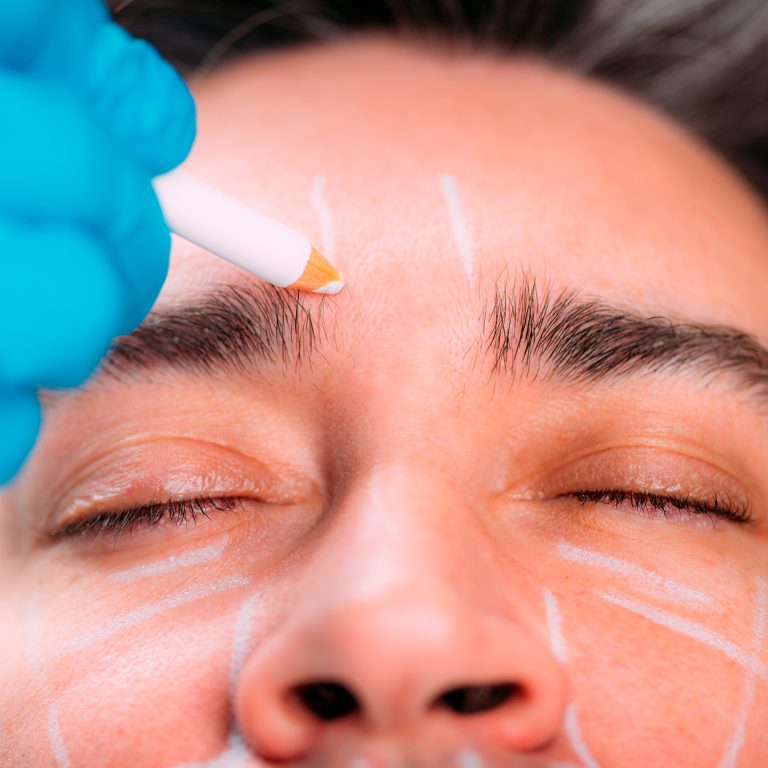
Dermal fillers are a popular choice for individuals looking to enhance the jawline and chin non-surgically. Fillers such as hyaluronic acid (e.g., Juvederm, Restylane) or calcium hydroxylapatite (e.g., Radiesse) are injected to add volume and definition to these areas. Depending on the desired result and natural facial structure, the amount of filler required can vary. Typically, 2-4 syringes (1-2 ml per syringe) are used for the jawline, while the chin may require 1-2 syringes to create a balanced, angular appearance.
Dermal fillers are recommended for individuals with:
- Soft or rounded jawlines who want a sharper, more masculine contour.
- A recessed or under-projected chin.
- Patients seeking temporary, reversible changes.
- Individuals who prefer a non-invasive approach or want to avoid surgery.
Botox
Botox (botulinum toxin) is another non-surgical method used to enhance facial masculinity by relaxing specific facial muscles. While Botox is typically known for reducing wrinkles, it can also be strategically injected to masculinize the face by altering the balance between muscle groups. For example, Botox can reduce the prominence of masseter muscles (jaw muscles), creating a more defined jawline by slimming the lower face and highlighting the angularity of the jaw. Additionally, Botox can be used to soften overly round cheeks by reducing muscle movement, helping to create a more sculpted look.
Botox is most effective for individuals with:
- Overactive or bulky jaw muscles that contribute to a more rounded or soft facial appearance.
- A desire to slim or define the lower face without increasing volume.
- A preference for a non-invasive treatment that can be repeated every few months.
- Those seeking subtle refinements rather than dramatic changes.
Surgery vs. Non-Surgical Methods for a Masculine Face: Which Is Better?
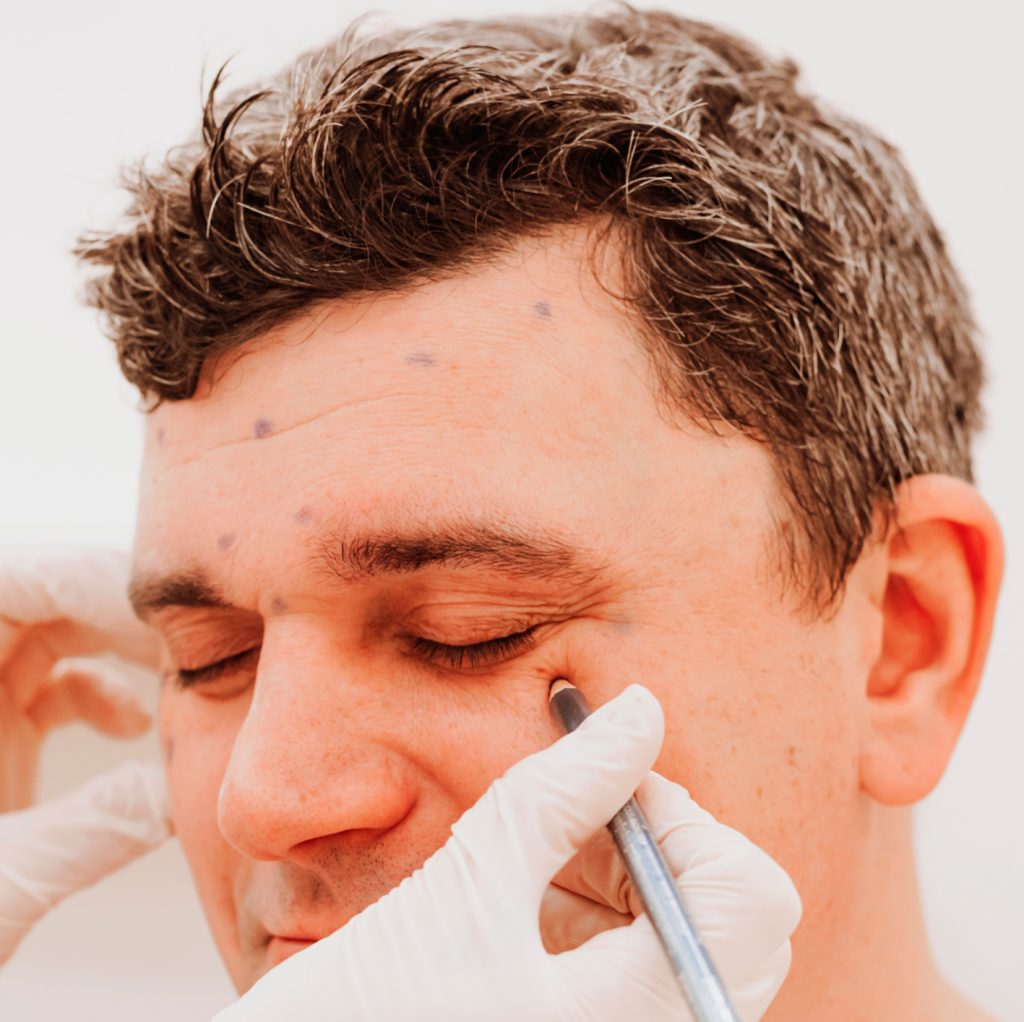
Choosing between surgical and non-surgical methods for facial masculinization depends on several factors, including the desired outcome, recovery time, and personal preferences. Surgical options typically offer permanent and more dramatic changes by altering the facial bones and structures, making them ideal for those seeking a significant transformation,common for people seeking gender change. In contrast, non-surgical methods, such as dermal fillers, provide a less invasive alternative, allowing for subtle enhancements with quicker recovery times, the more common solution for individuals seeking to enhance their features, without need for gender change. However, non-surgical treatments are temporary and require regular maintenance. By weighing the pros and cons of each method, individuals can better determine which option suits their goals.
Comparing Surgical and Non-Surgical Approaches
When deciding between surgical and non-surgical options for facial masculinization, several factors should be considered, including recovery time, effectiveness, longevity, cost, and risks. Below is a detailed comparison of the two approaches:
- Recovery Time:
- Surgical (S): 3-6 months for full recovery, with initial swelling and bruising lasting several weeks.
- Non-Surgical (N): 1-2 weeks, with minimal swelling or bruising and a faster return to normal activities.
- Effectiveness:
- S: Provides significant, permanent changes to facial bone structure (e.g., jaw reshaping, brow ridge enhancement).
- N: Effective for subtle enhancements and contouring, but results are temporary and primarily affect soft tissues.
- Longevity:
- S: Permanent results, with no need for further procedures unless complications arise.
- N: Results last between 6-18 months depending on the type of filler or Botox used, requiring regular maintenance for continued effect.
- Risk of Complications:
- S: Higher risk of complications such as infection, nerve damage, scarring, or asymmetry. Requires thorough preoperative planning and postoperative care.
- N: Lower risk of complications, though side effects like swelling, bruising, or allergic reactions to the fillers can occur.
- Cost:
- S: High upfront cost due to the complexity of the procedure, ranging from $10,000 depending on the number of surgeries required.
- N: Lower initial cost, ranging from $500 to $5,000 per session, but the need for regular maintenance makes long-term costs accumulate.
Free Consultation at Desert Bloom
To choose the right method for facial masculinization, whether surgical or non-surgical, it’s crucial to consult with a qualified specialist. Each approach comes with its own benefits and considerations, from the lasting, transformative results of surgery to the flexibility and less invasive nature of non-surgical treatments. By receiving expert guidance on available options, recovery processes, levels of discomfort, and potential risks, you can make an informed decision that aligns with your personal goals. A professional consultation will ensure that the chosen method best suits your needs, helping you achieve a more masculine and confident appearance.