You Have Tried Enough on Your Own
You changed your diet. You tried every OTC cleanser and spot treatment on the shelf. You spent money on serums that promised clear skin and delivered nothing lasting. And you are still breaking out — possibly in your 30s or 40s, which adds its own layer of frustration.
Acne is a medical skin condition, not a hygiene failure. It is caused by a combination of excess sebum, dead skin-cell buildup, bacteria, and inflammation — and in adults, hormonal fluctuations and stress are frequently the primary drivers. Arizona's heat and heavy daily sunscreen use add their own variables. At Desert Bloom, Dr. Natalya Borakowski, NMD approaches acne as a medical condition with identifiable causes — her naturopathic training means hormones, diet, gut health, and environment are part of the assessment, not afterthoughts.
Concern overlaps: acne scars for textured post-acne skin · post-inflammatory hyperpigmentation · teenage skin hub for adolescents · oily skin for ongoing sebum-control protocols.
At a Glance
Scope. Five professional acne treatments for active breakouts, congested pores, and post-acne scarring — Detox Acne Treatment, Custom Chemical Peel, RF Microneedling, Teen Facial, Back Facial. Adult and adolescent protocols are handled separately, with age-appropriate product selection at every level.
Provider & candidacy. Dr. Natalya Borakowski, NMD oversees medical-grade protocols; Licensed Aestheticians perform facials. All Fitzpatrick types served. Best candidates: persistent active breakouts after 8–12 weeks of consistent home care, painful cystic acne, hormonal acne along the jawline and chin, or acne starting to leave marks. Dr. B will refer to dermatology when prescription topicals or oral antibiotics are the right next step.
Downtime & how to start. Zero downtime for the dedicated facials; mild post-peel redness for 1–2 days; minor pinpoint redness for 24–48 hours after RF microneedling. The first step is always a consultation — most patients see meaningful improvement within 4–8 weeks of starting a professional plan, while hormonal or cystic presentations may take 3–6 months for significant clearing.
What Causes Acne
Acne forms when four factors converge: excess sebum, dead skin cells blocking follicles, bacteria (Cutibacterium acnes) proliferating in the clogged pores, and an inflammatory response. Reduce one of these factors and the acne improves. Different acne types reflect which factor is dominant in your case.
.kd-compare-grid{display:grid!important;grid-template-columns:repeat(2,1fr)!important;gap:24px!important;max-width:1000px!important;margin:32px auto!important;padding:0 20px!important;box-sizing:border-box!important} .kd-card{background:#faf0ec!important;border-radius:8px!important;padding:24px!important;display:flex!important;flex-direction:column!important;gap:12px!important} .kd-card h3{font-size:18px!important;font-weight:600!important;color:#49291b!important;margin:0!important} .kd-card p{font-size:14.5px!important;color:#555!important;line-height:1.6!important;margin:0!important} @media(max-width:768px){.kd-compare-grid{grid-template-columns:1fr!important;max-width:480px!important}}The Four-Factor Model
Excess sebum (skin oil), dead skin cells, C. acnes bacteria, and inflammation. These four factors cause every type of acne, but the dominant one differs by case. Comedonal acne is mostly clogged pores; cystic acne is heavy bacterial and inflammatory load; hormonal acne is sebum driven by androgens and cortisol.
Hormonal Drivers
The most common cause of adult acne. Menstrual cycles, pregnancy, perimenopause, and chronic stress all push androgens and cortisol up — which push sebum up, which feeds breakouts. Hormonal acne typically appears along the jawline and chin in adult women, and it does not respond to surface treatments alone — the hormonal trigger has to be part of the plan.
Arizona Climate
Heat and sweat increase breakouts on the face, back, and chest. Heavy daily sunscreen use can clog pores if the formula is wrong for your skin. Indoor AC dehydrates the surface while glands keep producing oil underneath — a low-grade rebound that turns into congestion if home care is reactive rather than planned. Acne in Scottsdale is meaningfully more active than the same patient would experience in cooler regions.
Diet, Gut Health, and Stress
Where Dr. Borakowski's naturopathic training adds a layer most clinical acne plans skip. High-glycemic foods, dairy, and gut dysbiosis may exacerbate acne in susceptible individuals — research suggests these factors are real, not folklore. Identifying the connections is part of the consultation, not as a substitute for professional treatment but as a way to reduce treatment load over time.
Different Types of Acne
Understanding your acne type helps explain why specific professional treatments produce better results than generalized skincare. The type and cause of your acne determine which approach will be most effective — and why "try this cleanser" is rarely the answer for persistent or cystic breakouts.
Comedonal Acne
Blackheads and whiteheads. Non-inflammatory. Caused by clogged pores. Responds well to chemical peels and BHA (salicylic acid) treatments that penetrate inside the pore rather than just exfoliating the surface.
Inflammatory Acne
Papules and pustules — red, swollen lesions with bacteria present. Requires anti-bacterial and anti-inflammatory approaches, not just exfoliation. Responds to a combination of professional extraction, peels, and barrier-supportive home care.
Cystic / Nodular Acne
Deep, painful lesions under the skin surface. The most difficult type to treat and the most likely to cause acne scarring without professional intervention. Often needs medical management coordinated with dermatology — Dr. B will refer when prescription oral antibiotics or isotretinoin become the right next step.
Hormonal Acne
Typically appears along the jawline and chin in adults. Fluctuates with hormonal cycles. Requires addressing the hormonal trigger alongside topical and procedural treatment — Dr. Borakowski's naturopathic intake catches this where standard protocols miss it.
Back & Body Acne
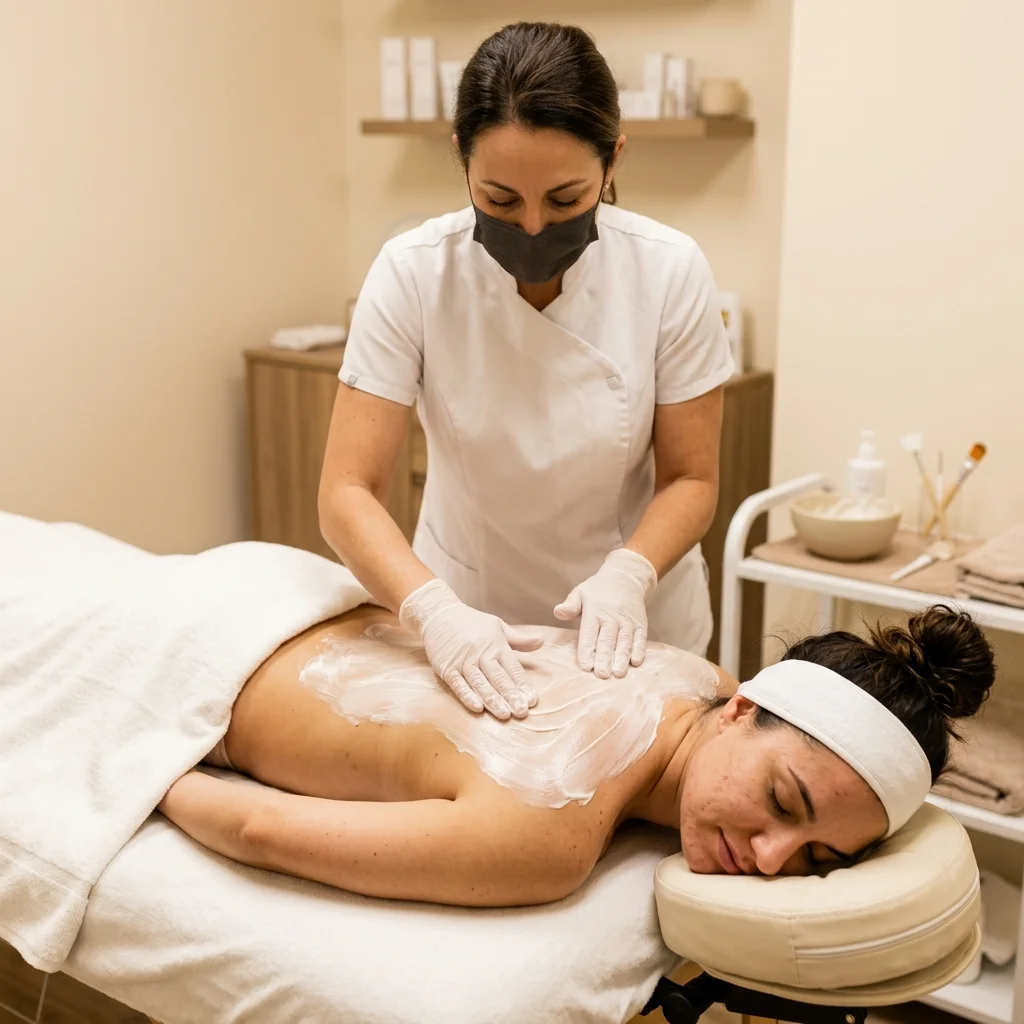
Acne on the back and shoulders is common in Arizona's warm climate, where heat and sweat create ideal conditions for follicular congestion. Body acne requires a different treatment approach than facial acne — larger surface area, thicker skin, different follicular characteristics. The Back Facial is purpose-built for this.
Acne Treatments at Desert Bloom
Professional acne treatments address what OTC products cannot: deep pore congestion, sebaceous-gland activity, bacterial load, and inflammation. Every protocol below is built around the specific acne type and cause, not a one-size-fits-all model.
.tx-zone-list{max-width:800px;margin:24px auto 40px;padding:0 20px;box-sizing:border-box;display:flex;flex-direction:column;gap:12px} .tx-zone-item{display:flex;flex-direction:row;align-items:flex-start;gap:18px;padding:16px 18px;border-radius:8px;background:#faf0ec;text-decoration:none!important;transition:background .2s,box-shadow .2s,transform .15s} .tx-zone-item:hover{background:#f5e0db;box-shadow:0 2px 12px rgba(73,41,27,.1);transform:translateX(4px)} .tx-zone-thumb{flex:0 0 150px;width:150px;height:150px;border-radius:6px;overflow:hidden;background:#fff} .tx-zone-thumb img{display:block;width:100%;height:100%;object-fit:cover} .tx-zone-text{flex:1;min-width:0;display:flex;flex-direction:column} .tx-zone-name{display:block;font-size:16px;font-weight:600;color:#49291b;margin-bottom:4px} .tx-zone-desc{display:block;font-size:14px;color:#666;line-height:1.5} .tx-zone-best{display:block;font-size:11px;font-weight:700;text-transform:uppercase;letter-spacing:.05em;color:#a8654d;margin-top:8px} .tx-zone-item:hover .tx-zone-name{color:#9e4a2a} @media(max-width:600px){.tx-zone-list{padding:0 16px}.tx-zone-item{flex-direction:column;padding:14px 16px;gap:12px}.tx-zone-thumb{flex:none;width:140px;height:140px;align-self:center}}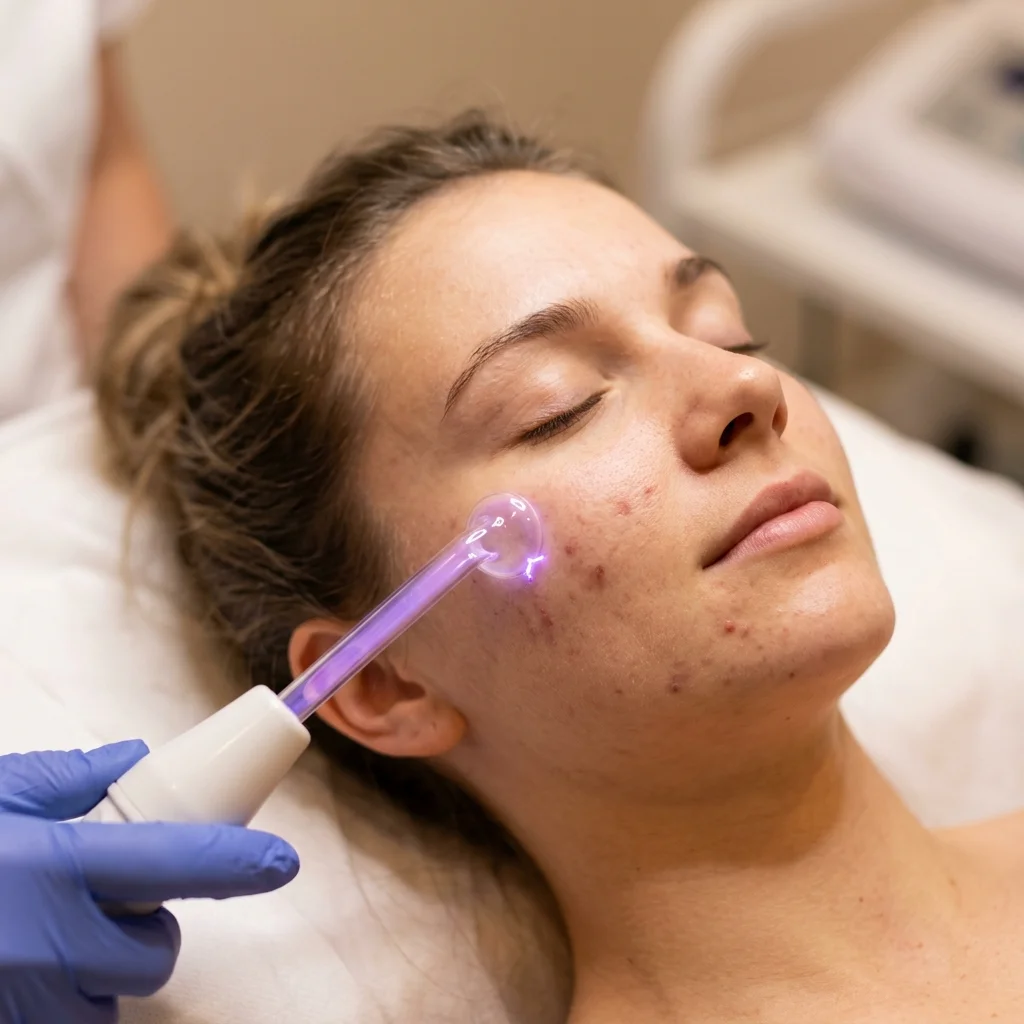
Compare Acne Treatment Options
.dbcb-comparison-table-wrap,.dbcb-comparison-table{max-width:800px!important;margin:32px auto 0!important;padding:0 20px!important;box-sizing:border-box!important} .dbcb-ct-mobile{max-width:800px!important;margin:32px auto 0!important;padding:0 20px!important;box-sizing:border-box!important} @media (max-width:768px){ .dbcb-ct-mobile{padding:0 16px!important} .dbcb-ct-slider{overflow:hidden!important;width:100%!important;max-width:100%!important} .dbcb-ct-track{display:flex!important;transition:transform .3s ease!important} .dbcb-ct-card{flex:0 0 100%!important;width:100%!important;max-width:100%!important;min-width:0!important;box-sizing:border-box!important;padding:0 4px!important} .dbcb-ct-card-row{display:flex!important;justify-content:space-between!important;gap:12px!important;padding:10px 0!important;flex-wrap:wrap!important} .dbcb-ct-card-label{flex:0 0 auto!important;min-width:0!important;font-weight:600!important;word-break:break-word!important;max-width:45%!important} .dbcb-ct-card-value{flex:1 1 auto!important;min-width:0!important;text-align:right!important;word-break:break-word!important} } @media (max-width:480px){ .dbcb-ct-card-row{flex-direction:column!important;gap:4px!important;padding:8px 0!important} .dbcb-ct-card-label{max-width:100%!important} .dbcb-ct-card-value{text-align:left!important} }| Treatment | Best For | Key Benefit |
|---|---|---|
| Detox Acne Treatment | Active breakouts, congested skin | Purpose-built protocol — cleansing + extraction + targeted therapy |
| Chemical Peel (BHA) | Comedonal acne, clogged pores | BHA penetrates inside pores; clears congestion from within |
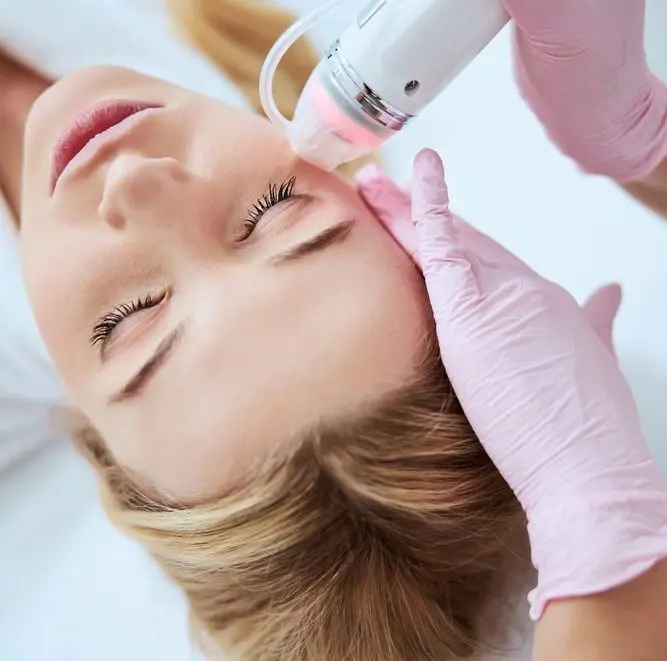
| RF Microneedling | Active acne + early scarring | Targets sebaceous glands and builds collagen simultaneously |
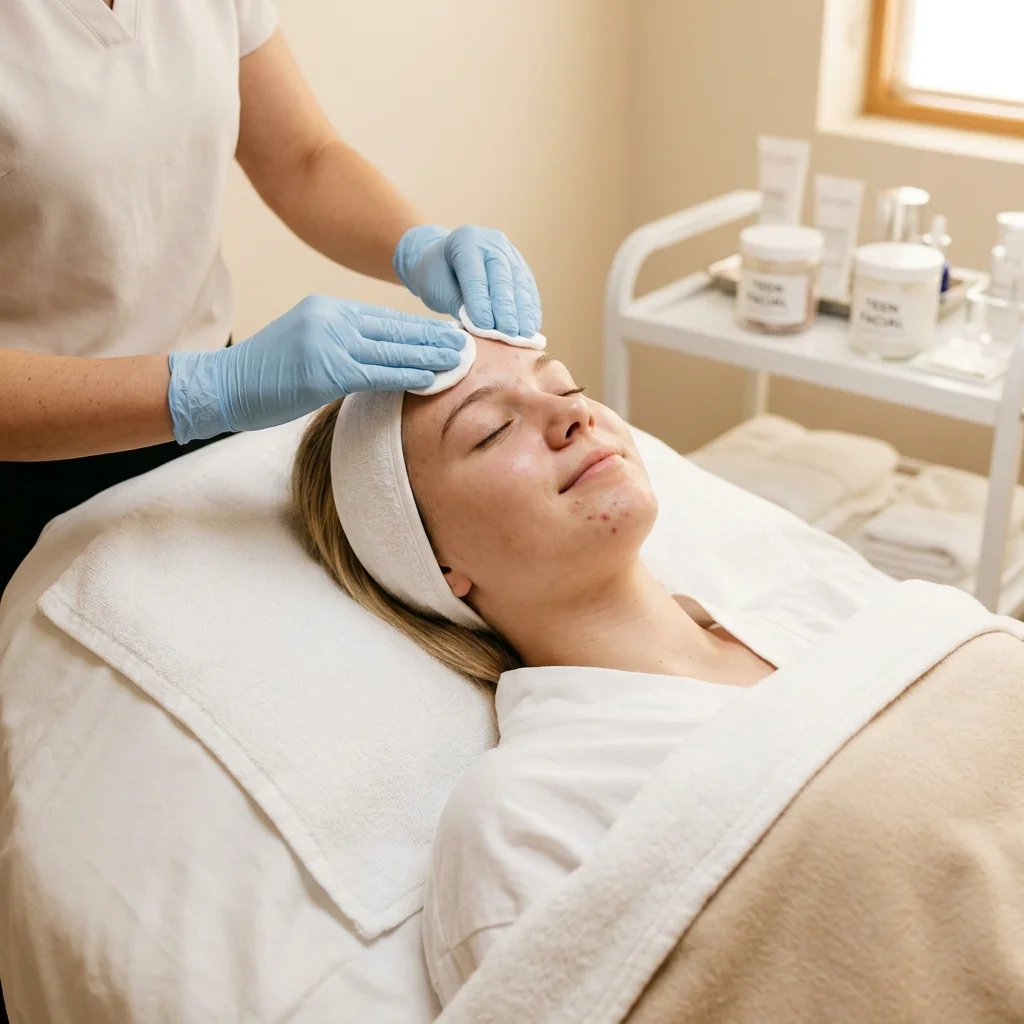
| Teen Facial | Teenage acne | Age-appropriate — gentle enough for developing skin |
| Back Facial | Back and body acne | Designed for body acne and hard-to-reach areas |
Best For
- Detox Acne Treatment
- Active breakouts, congested skin
- Chemical Peel (BHA)
- Comedonal acne, clogged pores
- RF Microneedling
- Active acne + early scarring
- Teen Facial
- Teenage acne
- Back Facial
- Back and body acne
Key Benefit
- Detox Acne Treatment
- Purpose-built protocol — cleansing + extraction + targeted therapy
- Chemical Peel (BHA)
- BHA penetrates inside pores; clears congestion from within
- RF Microneedling
- Targets sebaceous glands and builds collagen simultaneously
- Teen Facial
- Age-appropriate — gentle enough for developing skin
- Back Facial
- Designed for body acne and hard-to-reach areas
See acne treatment pricing for current rates by treatment and series.
When Acne Leaves Scars
Active acne that is not treated promptly can leave permanent scarring — pitting, textural irregularity, or post-inflammatory hyperpigmentation. Acne scar treatment is a separate path from active-acne management. If you have existing acne scars alongside active acne, see our dedicated acne scar treatments page — options include CO2 laser resurfacing, RF microneedling, and dermaplaning for post-acne skin texture. Post-inflammatory hyperpigmentation from healed acne is addressed separately as a pigment concern.
Early treatment of active acne is the single most effective way to prevent scarring.
Home Care for Acne-Prone Skin
A home routine manages mild acne and supports professional treatment results — but it has real limits for cystic, hormonal, or persistent inflammatory presentations.
What Works
- Gentle cleanser twice daily — do not scrub. Over-cleansing triggers more oil production, not less.
- Non-comedogenic moisturizer and SPF — skipping these makes the skin compensate poorly. The right SPF for acne-prone skin matters in Arizona.
- BHA spot treatment (salicylic acid) for active comedones and mild inflammatory breakouts.
- Do not pick or extract at home — this introduces bacteria and is the most common cause of acne scarring.
The Naturopathic Layer
Reducing high-glycemic foods and dairy may help some acne types, particularly hormonal and inflammatory presentations. Dr. Borakowski assesses dietary patterns as part of consultation — not as a substitute for professional treatment, but as a factor that can reduce treatment load over time. Stress management and sleep matter for the same reasons hormones do: cortisol drives sebum.
When Home Care Is Not Enough
If you have used OTC products consistently for 8–12 weeks without meaningful improvement — or if you have cystic acne, painful nodules, or acne that is leaving scars — it is time for professional evaluation. Early intervention prevents scarring and addresses underlying causes that home products cannot reach.
@media (max-width: 900px){ .faq{display:block!important;max-width:100%!important;padding:0 20px!important;box-sizing:border-box!important} .faq h2{width:100%!important;flex:none!important;text-align:center!important;margin-bottom:24px!important;max-width:100%!important} .faq .questions{width:100%!important;flex:none!important;max-width:100%!important} .faq details{width:100%!important;box-sizing:border-box!important} .faq summary{white-space:normal!important;word-break:normal!important;overflow-wrap:break-word!important} } @media (max-width: 600px){ .faq summary{font-size:15px!important;padding-right:12px!important} .faq{padding:0 16px!important} }Working With Dr. Borakowski on Acne
Dr. Natalya Borakowski, NMD has been practicing aesthetic medicine for over twenty years. Her approach to acne is medical, not cosmetic — she treats the condition's drivers (hormones, inflammation, environment, gut, stress) rather than chasing surface symptoms one at a time.
The intake is honest. If your acne has crossed the line where prescription topicals or oral antibiotics belong with a dermatologist, Dr. B will tell you that directly and coordinate the referral. Aesthetic protocols are not a substitute for medical management when medical management is what the case needs.

“Acne is a medical condition with identifiable causes — hormones, inflammation, environment, gut. The patients who get clear are the ones whose plan addresses what is actually driving their breakouts, not the ones who switch products every six weeks. My job is to find the driver.”

Book Your Acne Consultation in Scottsdale
Professional acne treatment starts with understanding the cause — not prescribing another product. The consultation is where Dr. Borakowski assesses hormones, environment, history, and skin condition before any treatment is selected.
Complimentary 30-minute consultations are available. If we think a dermatology visit should precede your aesthetic plan, we will tell you that directly and help coordinate.
- 1.
Zaenglein AL, Pathy AL, Schlosser BJ, et al.. Guidelines of care for the management of acne vulgaris. J Am Acad Dermatol; 2016.
- 2.
Bhate K, Williams HC. Epidemiology of acne vulgaris. Br J Dermatol; 2013.
DOI: 10.1111/bjd.12149
- 3.
Kober MM, Bowe WP. The effect of probiotics on immune regulation, acne, and photoaging. Int J Womens Dermatol; 2015.