3 things to note before getting injections
This article discusses three important things to consider before getting any type of injection, including aesthetic injections. The article provides useful information for individuals considering injections as a cosmetic.
Article's contents
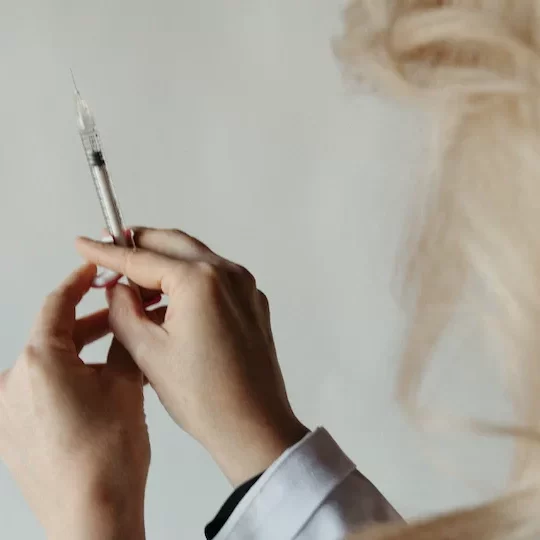
What you do in the week before an injection often matters more than the injection itself. I’ve seen beautifully placed filler bruise more than it needed to — not because of technique, but because the patient didn’t know what to avoid beforehand. I’ve seen swelling that alarmed people turn into a canceled shoot and a stressful week. None of it had to happen.
This is not a scare list. It’s a practical prep guide built from what actually comes up in our consultations — the questions patients wish they’d asked before, not after. Read it once, keep it for next time.
Pause Blood Thinners Before You Come In
Aspirin, ibuprofen, fish oil, vitamin E, and certain herbal supplements (ginkgo, garlic, turmeric in high doses) can increase bleeding and bruising risk. Discontinue (when medically appropriate) blood thinners 7 days before — aspirin, ibuprofen, fish oil, vitamin E, and most herbal supplements. Cardiac aspirin is the exception: never stop without your prescribing doctor’s approval.
If you take aspirin for a cardiac condition or any prescription blood thinner — do not stop it without talking to your prescribing physician first. We work around medical necessity. What we’re clearing is elective supplementation and over-the-counter pain relievers that most people don’t realize they can safely pause for a week. Alcohol falls into the same category: it dilates blood vessels and should be skipped for at least 24–48 hours before your appointment.
Tell Us Everything — Even the Embarrassing Parts
This one matters more than people expect. Prior filler (especially from other providers) changes anatomy in ways that are invisible on the surface. Knowing what product was used, where, and when helps us plan safer placement and avoid compounding volume where it doesn’t belong. Prior procedures — threads, energy devices, surgeries — all affect tissue and healing. Prior allergic reactions to lidocaine or any injectable tell us how to modify your protocol before we start, not mid-procedure.
Medical history is not just a form to fill out — it’s a clinical conversation. Tell us about autoimmune conditions, recent illness, skin infections near the treatment area, and any medications you’re taking. None of this disqualifies you; most of it just means we adjust. A good consultation should feel like the beginning of a plan, not an interrogation. If it doesn’t, that’s worth noticing.
Choose Your Injector Before You Think About Price
Filler and neurotoxin injections are medical procedures. The person holding the needle is working in proximity to blood vessels, nerves, and tissue planes that require anatomical knowledge and real clinical judgment. Credentials matter — not as formalities, but as the minimum threshold for safe practice. A board-certified or licensed medical professional with documented injection training and a clear protocol for complications is not the premium option. It’s the baseline.
We turn patients away when a treatment isn’t right for them. I’d rather tell someone their anatomy isn’t suited for a particular technique than perform it and watch it fail. That kind of honesty is what you’re looking for in an injector — someone whose first priority is your outcome, not the sale. Here’s what we look for when evaluating injector credentials, if you want a framework before your first consultation.
| Phase | Do | Avoid |
|---|---|---|
| 1 Week Before | Pause fish oil, vitamin E, ibuprofen, aspirin (if medically OK) | Blood thinners, NSAIDs, high-dose herbal supplements |
| 48 Hours Before | Hydrate well, sleep, eat nutritious meals | Alcohol, strenuous exercise that raises blood pressure |
| Day Of | Arrive without makeup if possible, eat beforehand, hydrate | Heavy moisturizers, active skincare on treatment areas |
| 24–48 Hours After | Ice gently if needed, keep upright, light activity only | Strenuous exercise, saunas, steam rooms, direct sun exposure |
| First Week After | Let swelling resolve naturally, attend follow-up if scheduled | Pressure on treated areas, hot yoga, facials, RF treatments |
| Ongoing | Protect with SPF, maintain hydration | Skin-damaging habits that accelerate product breakdown |
Day Of: Three Small Things That Make a Real Difference
Come without makeup if you can — it saves time and reduces the number of things on your skin before we start. Eat beforehand: low blood sugar during a procedure can cause lightheadedness, and it’s entirely preventable. Hydrate. Not just the day of — hydration supports a smoother recovery experience — well-hydrated tissue tends to swell less and recover more comfortably. These aren’t rituals. They’re small, practical steps that change the clinical experience.
Post-Procedure: The 48-Hour Window
The 48 hours after an injection are when most avoidable problems happen. Skip strenuous exercise — elevated heart rate increases blood pressure and pushes more fluid into already-inflamed tissue. Avoid saunas, steam rooms, and direct sun exposure for the same reason. Skip facials and any device-based treatment on or near the treated area. If you bruise, that’s normal — it resolves. Cold compresses (wrapped, not applied directly) can help in the first few hours.
Swelling from dermal fillers typically peaks at 24–48 hours and largely resolves within a week. Neurotoxin (Botox) takes 7–14 days to show its full effect — don’t assess your result before then. If something feels off — unusual firmness, asymmetry that’s more than the normal healing window, or any visual changes that concern you — contact your provider. Most things are easily addressed early.
Normal swelling and possible bruising, especially with fillers. Ice gently, stay upright, avoid heat and exercise. Do not massage treated areas.
Most bruising fades significantly. Neurotoxin is still taking effect — don’t assess results yet. Avoid active skincare ingredients (retinol, acids) near injection sites.
Filler settles into final placement. Neurotoxin results are now visible. A follow-up touch-up, if needed, is typically scheduled around Day 14.
Resume all normal activities and skincare. If asymmetry or unexpected results remain, this is the window to contact your provider for review.
Frequently asked questions
How far in advance should I stop ibuprofen before injections?
We recommend stopping ibuprofen and other NSAIDs at least one week before your injection appointment. If you use aspirin for cardiac or other medical reasons, do not stop without speaking to your prescribing physician first.Is it really necessary to skip alcohol before filler?
Skipping alcohol is strongly recommended — it acts as a vasodilator, meaning it widens blood vessels and increases blood flow to tissue. This directly increases your risk of bruising and swelling around injection sites. We ask patients to avoid alcohol for at least 24–48 hours before their appointment.What should I tell my injector about prior treatments?
Tell them everything: any prior filler (product name, provider, how long ago), prior neurotoxin, any energy-based treatments, threads, surgeries, and any allergic reactions to injectables or lidocaine. Prior treatments affect anatomy in ways that change how and where we place product safely.Can I work out after my injection appointment?
Not on the day of, and ideally not for 24–48 hours after. Strenuous exercise raises blood pressure and blood flow, which can worsen swelling and move product before it’s fully settled. Light walking is fine.How do I know if I’m choosing a qualified injector?
Look for a licensed medical professional (MD, DO, NP, PA, or NMD) with documented training in facial anatomy and aesthetic injections. Ask about their protocol for managing complications — vascular occlusion is rare but real, and every qualified injector should have a clear response protocol including hyaluronidase on hand. Price is not a proxy for quality.Is swelling after filler normal?
Yes. Some degree of swelling is expected, especially in the first 24–48 hours. It typically resolves within a week. Bruising is also normal and fades in 5–10 days. If you experience significant asymmetry, unusual firmness, skin color changes, or prolonged swelling beyond two weeks, contact your provider promptly.When will I see the final result of my Botox treatment?
Neurotoxin (Botox and similar products) takes 7–14 days to show full effect. Muscle activity gradually reduces over that window. Don’t assess your result before Day 10–14, and schedule any touch-up consultations around the two-week mark.The Prep Is Part of the Treatment
Injection outcomes aren’t purely a function of what happens in the room. The prep you do beforehand, the honesty you bring to your consultation, and the care you take in the first 48 hours afterward are all part of the result. Most of what goes wrong with injectable treatments is preventable — and most of it is preventable before the appointment begins.
When to call us immediately:
- Sudden pain that worsens beyond mild tenderness
- Visible blanching (whitening) of the skin near the injection site
- Dusky, mottled, or grayish discoloration
- Vision changes after periorbital injection
- Severe asymmetry that develops days after treatment
These can signal vascular occlusion — rare but time-sensitive. We keep hyaluronidase on hand specifically for these scenarios. Call (480) 567-8180; do not wait.
If you have questions about whether filler or neurotoxin is right for you, or if you’ve had a prior experience you weren’t happy with, those are conversations worth having before booking. Start with a consultation — not a commitment. Book your consultation here — that conversation doesn’t have to end in a procedure. Sometimes it just ends with clarity.
See also: When thread lift results go wrong — what to know · Botched aesthetic treatment — what are your options

“The patients who have the smoothest experiences are almost always the ones who come in prepared. Not because they’ve read everything online — but because they asked questions, shared their history honestly, and gave their body the conditions to heal well. That’s the part I can’t do for you. But I can make sure you know what it looks like.”
Individual results vary. Content is for informational purposes and does not constitute medical advice. Clinical content reviewed by Dr. Natalya Borakowski, NMD. Last updated April 2026.