Tag

Dark Circles

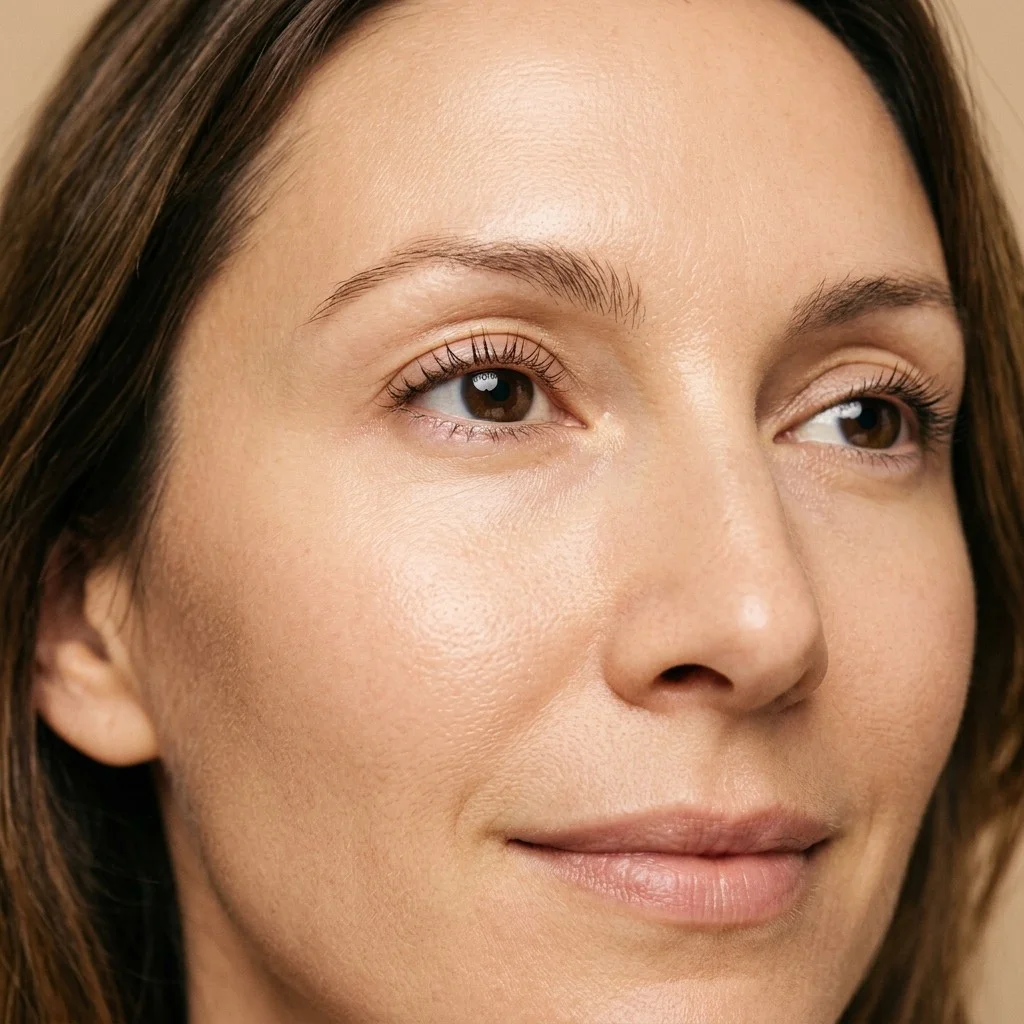
Dark circles are dark shadows or discoloration that appear under the eyes. They can make a person look tired or older and can be caused by a variety of factors such as genetics, aging, lack of sleep, or skin thinning. Dark circles can be treated with various cosmetic procedures such as injections, laser therapy, or topical creams.

See all treatments

Physician-guided routing for dark circles — cause-first diagnosis across all skin tones in Scottsdale.


Your Dark Circles Are Probably Not What You Think They Are

Dark circles under the eyes are a symptom — not a single condition. The same shadowed appearance can come from four completely different causes: melanin-driven pigmentation in the periorbital skin, dilated blood vessels showing through thin delicate skin, volume loss and tear trough hollowing that casts a shadow, or the familiar combination of lack of sleep, allergies, and fluid buildup. Most people have one dominant cause and one secondary. This is why topical creams with vitamin C or vitamin K help some patients meaningfully and do nothing for others — the cream may simply be treating the wrong problem.

At Desert Bloom, Dr. Natalya Borakowski, NMD starts every dark circles consultation with the diagnostic question: brown or blue-purple? Hollow or flat? Structural or lifestyle? The answer determines the entire plan. Pigmented dark circles in Fitzpatrick I–III route to Photo Facial; in Fitzpatrick IV–VI, the correct path is PRX-T33 and mandelic acid peels — laser is contraindicated. Hollow tear troughs route to Restylane or RHA filler. Vascular circles route to filler for cushion, or KTP laser for visible vessels in lighter skin tones. There is no one-size-fits-all answer here, and a consultation should feel like a diagnosis, not a menu.

Related hubs: Eye Bags (puffiness and fat herniation), Puffiness Under Eyes (fluid and lifestyle swelling), and Tear Trough Treatment (volume restoration in depth).

At a Glance

Scope. Four treatment paths for dark circles under eyes: Photo Facial (pigment, Fitz I–III), PRX-T33 / mandelic peels (pigment, Fitz IV–VI), Tear Trough Filler with Restylane or RHA (hollow + vascular cushion), RF Microneedling (shadow from skin laxity and aging). Pricing varies by modality; consult includes full cause mapping.

Provider & candidacy. Dr. Natalya Borakowski, NMD guides all dark circle treatment planning. Fitzpatrick IV–VI patients with brown/pigmented dark circles: no alexandrite or other melanin-targeting laser — PRX-T33 and chemical peels only. Nd:YAG 1064nm may be used for vascular (blue/purple) circles across all Fitzpatrick types but does not treat pigmentation. All skin tones seen.

Downtime & how to start. Most options carry zero downtime. Tear trough filler carries a 24–48 hour bruising risk and requires an injection-experienced provider. Chemical peels may produce 3–5 days of mild flaking. Schedule a 30-minute consultation — Dr. B maps the cause and routes to the right treatment before any session is booked.

What’s Causing Your Dark Circles?

Dark circles fall into four clinical categories. Most people have one dominant cause, sometimes two overlapping. Identifying the correct cause is the only way to choose the right treatment — this is why the consultation comes before the treatment plan, not after. The most common mistake in treating dark circles is assuming the cause without examining it: someone treating vascular circles with brightening topical creams, or someone using filler on a predominantly pigmented presentation, will not get satisfying results.

Pigmented (Brown or Tan)

Melanin deposited in the periorbital skin — either constitutional hyperpigmentation (genetic predisposition, runs in families) or sun-induced from too much sun exposure and UV damage over time. The skin itself has an actual color difference, not a shadow from anatomy. Most visible in Fitzpatrick III–VI. Periorbital hyperpigmentation can be symmetric or asymmetric. The circles appear even with full sleep and without puffiness.

Route: Photo Facial (Fitz I–III) · PRX-T33 / mandelic peel (Fitz IV–VI)

Vascular (Blue or Purple)

Thin, delicate skin around your eyes allows dilated blood vessels and venous pooling to show through. The color is blue-purple, not brown — and it worsens with fatigue, eye strain, too much alcohol, dehydration, and smoking, because all of these causes reduce blood flow efficiency or dilate peripheral vessels. As the aging process reduces collagen production, the skin underneath becomes even thinner and the vascular show increases. Often worse in the morning or after long periods at a screen.

Route: Tear Trough Filler (cushion layer) · Vein & Redness Removal (KTP, Fitz I–III)

Hollow / Volume Loss (Shadow)

Tear trough hollowing creates a shadows cast — not actual pigmentation or blood vessel show. The skin color is normal, but the concave anatomy of the lower orbital rim makes the area appear dark because of the way light falls. This is a structural problem, not a skin color problem. It worsens with the aging process, weight loss, and genetic bone structure. Filler adds volume that eliminates the shadow by restoring the natural convex contour under the lower eyelids.

Route: Tear Trough Filler (Restylane or RHA) — volume restoration

Lifestyle / Allergies / Puffiness

Lack of sleep causes pallor (blood flow slows to the face) and dilated blood vessels, making dark circles appear darker temporarily. Allergies trigger fluid buildup and swelling under the eyes — allergic shiners are a real phenomenon driven by nasal congestion and venous pooling. Dehydration, too much alcohol, tobacco, stress, and eye strain all worsen both vascular and shadow appearance. These causes are the most reversible. Getting enough sleep, reducing salt intake, using a cold compress to reduce swelling, and treating the underlying allergies can make a meaningful difference.

Route: Lifestyle changes + home remedies · allergy treatment · dermatology referral if persistent

Pigmented Dark Circles: Treatment Depends on Skin Tone

For brown or tan dark circles — periorbital hyperpigmentation driven by melanin — the treatment choice is not just about effectiveness. It is about safety. The same laser that safely targets melanin in Fitzpatrick I–III skin can cause paradoxical darkening and post-inflammatory hyperpigmentation in Fitzpatrick IV–VI. This is the most clinically significant routing decision on this page: if you have darker skin tones and pigmented dark circles, the correct path does not involve alexandrite or other melanin-targeting lasers.

Fitzpatrick IV–VI — Darker Skin Tones (No Laser)

In darker skin, melanin-targeting lasers carry a significant risk of post-inflammatory hyperpigmentation and paradoxical darkening. All pigment treatment here uses chemical and topical pathways only.

Fitzpatrick IV–VI: No Laser for Pigmented Dark Circles

Alexandrite 755nm and other melanin-targeting lasers are contraindicated for pigmented dark circles in darker skin tones. The risk of post-inflammatory hyperpigmentation (PIH) and paradoxical darkening is significant. Patients with Fitzpatrick IV–VI skin who have brown or tan dark under eye circles are treated exclusively with PRX-T33, mandelic acid peels, and topical iontophoresis at Desert Bloom.

Nd:YAG 1064nm may be used for vascular (blue/purple) dark circles in Fitzpatrick IV–VI — it reaches blood vessels without melanin affinity. But it does not treat pigmentation. The distinction between vascular and pigmented dark circles is confirmed at consultation before any device is selected. If you have darker skin and have been told laser is the answer for brown circles, we want to have that conversation in person.

Treatment Options by Cause

Each of the four dark-circle causes has a primary treatment path at Desert Bloom. Some presentations overlap — a hollowed tear trough with visible blood vessels is common — and a combination plan is often more effective than a single modality. Below are the key options, with the cause they address and the skin tone range where each is appropriate.

Tear Trough Filler (Restylane / RHA)Hyaluronic acid filler injected into the tear trough restores lost volume under the lower eyelids, eliminating shadows cast by hollow anatomy and providing a cushion layer that reduces visible blood vessel show-through for vascular circles. Restylane and RHA are the fillers used here — no Juvederm products in this area. Results typically last 12–18 months in the tear trough, depending on metabolism and product choice. Most patients see an immediate improvement after a single session.Best for: Hollow circles · Vascular circles with volume loss · All Fitzpatrick types
Photo Facial — Alexandrite 755nmTargets melanin pigment in periorbital hyperpigmentation. The Quanta EVO Alexandrite 755nm reaches superficial and mid-dermal melanin deposits, breaking them up and allowing the body to clear the dark tissues over 2–4 weeks following treatment. Reduces skin color irregularity under the eyes and can address any additional sun damage on the adjacent cheek skin simultaneously. Series of 3–5 sessions.Best for: Pigmented (brown) circles · Fitzpatrick I–III only — NOT for Fitz IV–VI pigment
PRX-T33 Chemical PeelNon-ablative trichloroacetic acid + hydrogen peroxide formulation that stimulates collagen production and brightens periorbital hyperpigmentation without thermal damage. No heat means no melanin affinity risk — the preferred pigment treatment for darker skin tones. Also useful in Fitz I–III as a standalone or in series with Photo Facial. Zero social downtime in most cases; mild redness settles within hours. Typically 4–6 sessions for periorbital hyperpigmentation.Best for: Pigmented circles · Fitzpatrick IV–VI (first-line) · Fitz I–III (adjunct or standalone)
Vein & Redness Removal (KTP 532nm)KTP laser targets the oxyhemoglobin in dilated blood vessels around the periorbital area. For vascular dark circles where you can see actual visible vessels contributing to the blue-purple color, targeted KTP treatment removes visible blood vessels at the source without affecting surrounding skin. Best for fair to medium skin tones where the vascular component is clearly identifiable. Not appropriate for Fitzpatrick IV–VI due to melanin affinity risk of 532nm.Best for: Vascular (blue/purple) circles with visible vessels · Fitzpatrick I–III
RF MicroneedlingRadiofrequency energy delivered via microneedles stimulates collagen production and skin tightening in the periorbital area. Addresses dark circles that arise from skin laxity and sagging lower eyelid skin — the shadow from excess skin folds and mild drooping. Also improves the overall skin quality around the eyes by thickening the delicate skin underneath, reducing vascular show-through over time. Multiple sessions required; results develop over 3–6 months.Best for: Shadow from skin aging and laxity · Skin thickening · All Fitzpatrick types

Compare All Dark Circle Treatment Options

FeatureTear Trough FillerPhoto FacialPRX-T33Vein & Redness RemovalRF Microneedling
Best for (cause)Hollow + vascular cushionPigmented / brown circlesPigmented / brown circlesVascular with visible vesselsShadow from laxity / aging
MechanismHA filler restores tear trough volumeAlexandrite 755nm targets melaninTCA+H₂O₂ stimulates collagen, brightensKTP 532nm targets oxyhemoglobin in vesselsRF+microneedle collagen remodeling
Fitzpatrick rangeAll typesI–III only (pigment)All types — first-line IV–VII–III onlyAll types
Sessions typical1 session (touch-up 12–18 mo)3–5 sessions4–6 sessions2–3 sessions3–4 sessions
Downtime24–48 hr bruising risk1–3 days mild redness0–4 hr rednessNone to minimal2–3 days redness/swelling
Results duration12–18 monthsMaintained with SPF3–6 month maintenanceLong-lasting per vesselDevelops over 3–6 months
Best for (cause)Hollow + vascular cushion
MechanismHA filler restores tear trough volume
Fitzpatrick rangeAll types
Sessions typical1 session (touch-up 12–18 mo)
Downtime24–48 hr bruising risk
Results duration12–18 months
Best for (cause)Pigmented / brown circles
MechanismAlexandrite 755nm targets melanin
Fitzpatrick rangeI–III only (pigment)
Sessions typical3–5 sessions
Downtime1–3 days mild redness
Results durationMaintained with SPF
Best for (cause)Pigmented / brown circles
MechanismTCA+H₂O₂ stimulates collagen, brightens
Fitzpatrick rangeAll types — first-line IV–VI
Sessions typical4–6 sessions
Downtime0–4 hr redness
Results duration3–6 month maintenance
Best for (cause)Vascular with visible vessels
MechanismKTP 532nm targets oxyhemoglobin in vessels
Fitzpatrick rangeI–III only
Sessions typical2–3 sessions
DowntimeNone to minimal
Results durationLong-lasting per vessel
Best for (cause)Shadow from laxity / aging
MechanismRF+microneedle collagen remodeling
Fitzpatrick rangeAll types
Sessions typical3–4 sessions
Downtime2–3 days redness/swelling
Results durationDevelops over 3–6 months
1 / 5
swipe to compare

Frequently asked questions

Why do I have dark circles even when I get enough sleep? Sleep is only one of several causes of dark circles under eyes. If your circles are still present after getting enough sleep and staying well-hydrated, the cause is likely structural or pigmentary rather than lifestyle-driven. Hollow tear troughs cast a shadow regardless of how much rest you get — this is an anatomic issue. Constitutional periorbital hyperpigmentation (genetic predisposition) creates a genuine skin color difference that sleep does not change. Vascular dark circles from thin delicate skin over blood vessels also persist with adequate sleep, though fatigue makes them temporarily worse. The practical question is whether your circles look the same whether you are rested or exhausted — if yes, the fix is probably not lifestyle.
Can eye cream actually fix dark circles? Topical creams with vitamin C, vitamin K, retinol, and caffeine can provide modest improvement for vascular and early pigmented dark circles — vitamin K may help reduce leaky capillary pooling, vitamin C is an antioxidant that can slowly brighten pigmentation, and caffeine constricts blood vessels temporarily to reduce puffiness. But eye cream cannot fill a hollow tear trough, cannot remove melanin deposits deep in the dermis, and cannot meaningfully reduce blood vessel size. For structural hollow circles or significant periorbital hyperpigmentation, topical skincare is maintenance support, not a primary treatment. Most people who report that eye cream ‘never worked’ were treating the wrong cause.
Are dark circles permanent? It depends on the cause. Hollow tear trough circles respond very well to filler — the improvement is immediate and lasting 12–18 months per session, indefinitely maintainable. Pigmented dark circles can be significantly reduced with a series of chemical peels or Photo Facial treatments, though sun protection is required to prevent recurrence. Vascular circles can be meaningfully reduced with filler and vessel-targeted laser. Lifestyle-driven circles (lack of sleep, dehydration, allergies, too much alcohol) improve with lifestyle changes and are among the most reversible. Genetic predisposition means some patients will always need maintenance; that is realistic, not a failure of treatment.
Is tear trough filler safe for dark circles? Yes, when performed by an experienced injector using the right product. Tear trough filler is one of the more technically demanding injection sites on the face — the periorbital anatomy includes important blood vessels, and overfilling creates a Tyndall effect (bluish discoloration) if the product is placed too superficially. At Desert Bloom, Dr. Borakowski uses Restylane or RHA fillers in this area. Juvederm products are not used for tear troughs here. The consultation includes candidacy assessment — not everyone is a good candidate for filler in this area, and Dr. B will say so directly. Risks include temporary bruising, swelling, and in rare cases vascular occlusion — managed with proper technique and hyaluronidase availability.
I have darker skin — what dark circle treatments are safe for me? Most treatments are available, but the pigment path is different. For vascular or hollow dark circles, your options are the same as any Fitzpatrick type: tear trough filler, RF microneedling, and lifestyle management. For pigmented (brown/tan) dark circles, laser is not used. Alexandrite 755nm and KTP 532nm both carry a significant risk of post-inflammatory hyperpigmentation and paradoxical darkening in Fitzpatrick IV–VI skin. The correct treatment for pigmented dark circles in darker skin tones is PRX-T33 (first-line), mandelic acid peels, and iontophoresis. Nd:YAG 1064nm is safe for vascular circles in all Fitzpatrick types but does not address pigmentation. This distinction is assessed at consultation — and it is one of the most important parts of the routing decision.
How many treatment sessions will I need for dark circles? It depends on the cause and severity. Tear trough filler typically requires one session with touch-ups every 12–18 months. Photo Facial for pigmented circles usually needs 3–5 sessions. PRX-T33 for periorbital hyperpigmentation is typically 4–6 sessions spaced 3–4 weeks apart. Vein and Redness Removal for visible vessels usually needs 2–3 sessions. RF Microneedling for laxity-related shadows typically requires 3–4 sessions with results developing over 3–6 months. Dr. Borakowski estimates the full treatment course at consultation — not session by session.
How much does dark circle treatment cost in Scottsdale? Pricing varies by modality. Chemical peels are generally the most accessible entry point. Tear trough filler pricing depends on the amount of product used per session. Laser sessions are priced per treatment area. RF Microneedling is typically priced per session in a series. Exact pricing is provided at consultation after the cause is identified — there is no useful single-number estimate without knowing which path applies to your situation. Desert Bloom offers complimentary consultations.

Working With Dr. Borakowski on Dark Circles

Dr. Natalya Borakowski, NMD has been practicing aesthetic medicine for over twenty years. Dark circles are one of the concerns she sees most frequently — and one where the gap between what patients have tried and what actually addresses the root problem tends to be largest. Most people arrive having tried multiple skincare products without satisfying results, often because the cause was never properly identified.

Her consultation for dark circles focuses on cause determination first: the color (brown vs blue-purple vs shadow), the response to rest and hydration, the anatomy of the tear trough, and the Fitzpatrick type — because skin tone directly determines which tools are appropriate. She does not recommend a treatment before she understands which of the four causes is dominant.

Dr. Natalya Borakowski holding a treatment vial in the Desert Bloom Skincare clinic in Scottsdale
Dr. Natalya Borakowski, NMD
Medically reviewed byDr. Natalya Borakowski, NMDFounder, Desert Bloom Skincare
“Dark circles are probably the concern I hear most from patients who’ve tried every eye cream and found it did nothing. In most cases, the cream was treating the wrong cause. Before I recommend anything, I want to know: is it brown, blue-purple, hollow, or some combination? That answer changes everything about the plan.”

Understand Your Dark Circles in Scottsdale

A dark circles consultation at Desert Bloom starts with identifying the cause — pigment, vascular, hollow, or lifestyle — before any treatment is recommended. Dr. Borakowski maps your specific presentation and routes you to the right modality, or tells you directly if lifestyle changes and home remedies are the better starting point.

Complimentary 30-minute consultations are available. No obligation to book a session. If the cause turns out to be better addressed elsewhere — by a dermatologist, allergist, or surgeon — we will tell you that directly.

References

  1. Ranu H, Thng S, Goh BK, Burger A, Goh CL “Periorbital hyperpigmentation in Asians: an epidemiologic study and a proposed classification.” Dermatol Surg. 2011. DOI
  2. Sheth PB, Shah HA, Dave JN “Periorbital hyperpigmentation: a study of its prevalence, common causative factors and its association with personal habits and other disorders.” Indian J Dermatol. 2014. DOI
  3. Roberts WE “Periorbital hyperpigmentation: review of etiology, medical evaluation, and aesthetic treatment.” J Drugs Dermatol. 2014.
  4. Goldberg RA, Fiaschetti D “Filling the periorbital hollows with hyaluronic acid gel: initial experience with 244 injections.” Ophthal Plast Reconstr Surg. 2006. DOI
  5. Sharad J “Dermal fillers for the treatment of tear trough deformity: a review of anatomy, treatment techniques, and their outcomes.” J Cutan Aesthet Surg. 2012. DOI

Treatments

  1. PDO Thread Lift$1180
    15 minutes and up
  2. PRP Facial | Biofiller Services$1,500
    60–90 min
  3. Restylane FillersOn demand
    15–45 min
  4. Salmon DNA Facial (LumEnvy PDRN)$350
    45–60 min
  5. Tear Trough Filler$595
    30 minutes and up

Consultation in skin care clinic

Desert Bloom Skincare Center offers personalized skincare consultation to help you achieve a flawless and radiant complexion. Book your appointment today and let our expert team of skincare professionals address your specific concerns and help you reach your skincare goals.

Visit Our Scottsdale Aesthetic Center

Address

10752 N 89th Place, Suite 122B,
ScottsdaleAZ 85260.

Phone:(480) 567-8180

E-mail:info@desertbloomskincare.com

Get Directions →

Location & Directions

Desert Bloom Skincare is conveniently located in the Shea Corridor of North Scottsdale, within Edwards Professional Park I — minutes from HonorHealth Scottsdale Shea Medical Center and the Mayo Clinic Scottsdale Campus.

↑↓
From the North / South: Take Loop 101 (Pima Freeway) and exit at E Shea Blvd. We are located just East of the freeway.
From Paradise Valley: Head East on E Shea Blvd toward North 90th Street.
P
Parking: Ample free parking is available directly in front of Suite 122B.

Areas We Serve

We proudly provide expert non-surgical rhinoplasty and PDO thread lifts to patients across the Southwest:

  • ScottsdaleNorth Scottsdale · McCormick Ranch · Gainey Ranch
  • Paradise Valley
  • PhoenixArcadia · Biltmore · North Phoenix
  • Fountain Hills
  • Cave Creek & Carefree

Contact usDo you have any questions?