Tag

Puffiness

Puffiness, also known as swelling or edema, is a condition where the skin appears bloated or swollen. This can occur in various parts of the body, such as the face, eyes, or legs, and can be caused by factors such as aging, genetics, diet, lack of sleep, or medical conditions. Puffiness can be treated with cosmetic procedures such as injections, laser therapy, or topical creams.

See all treatments

Under-eye and facial puffiness — find the root cause and the right path, physician-mapped in Scottsdale.


The Puffiness That Doesn’t Go Away Isn’t One Thing

Eye puffiness looks the same from outside but comes from four distinct mechanisms: fluid retention (soft, worst in the morning, changes through the day), fat pad herniation (structural, constant, no fluid involved), volume shadow from a hollowed tear trough (contrast, not swelling), and lymphatic congestion (diffuse, responds to drainage). Each has a different clinical answer — treating the wrong one accomplishes nothing.

At Desert Bloom, Dr. Natalya Borakowski, NMD identifies which mechanism is driving what you see before recommending anything. Tear trough filler, RF microneedling, PDO threads, and lymphatic facials are all available — along with honest referrals to an oculoplastic surgeon when the anatomy has moved past what a medical spa can address.

This page is part of our under-eye concerns cluster. See Eye Bags for anatomic lower-eyelid fat pad herniation and Dark Circles for pigment and vascular causes under the eye.

At a Glance

Scope. This hub covers four root causes of puffiness and maps each to the most appropriate treatment path — non-surgical cosmetic, home care, or specialist referral. Tear trough filler starts at $650; RF microneedling and thread consultations are complimentary.

Provider & candidacy. Dr. Natalya Borakowski, NMD oversees all treatment planning. Most lifestyle and volume-related causes are treatable without surgery across all Fitzpatrick types. Fat pad herniation requires oculoplastic evaluation before any cosmetic work.

Downtime & how to start. Zero downtime for facials and lymphatic work; 24–48 hours for filler; several days for RF microneedling. A consultation is the starting point — Dr. B assesses whether you are looking at fluid, structure, or volume before recommending anything.

What’s Causing Your Puffiness?

Under-eye puffiness and facial swelling have four main root causes — and the cause determines the treatment. Getting this wrong wastes time and money.

Fluid Retention

Soft, bilateral puffiness driven by high sodium, alcohol, allergies, poor sleep, or sleeping flat. Worst in the morning — reduces as you move upright and fluid drains. Cold compress, elevation, and salt reduction make a visible difference. Managing allergies is often the highest-leverage step.

Path: Lifestyle changes + lymphatic drainage facial + allergy care

Fat Pad Herniation (True Eye Bags)

The orbital septum weakens with genetics or age, allowing lower eyelid fat to prolapse forward — creating permanent bags that do not change morning to evening. Filler can soften the transition zone but does not remove herniation. Correction requires blepharoplasty with an oculoplastic surgeon.

Path: /eye-bags/ — surgical referral, not cosmetic spa work

Volume Loss + Skin Laxity

As the tear trough deepens, a hollow forms below the eye and casts a shadow that makes the skin above look puffier — contrast, not swelling. When tissue loses firmness and sags, that also reads as puffiness from the front. Tear trough filler addresses the hollow; RF microneedling and PDO threads address laxity.

Path: Tear trough filler, RF microneedling, or PDO threads

Lymphatic Congestion

When lymphatic drainage slows — from sleep position, dehydration, or systemic factors — fluid pools in the delicate periorbital skin and lower face. Soft, diffuse, often bilateral puffiness that responds to drainage massage (in-office or at home), elevated sleep position, and hydration.

Path: Lymphatic drainage facial + sleep posture + hydration

Puffiness, Eye Bags, and Dark Circles — Not the Same Problem

These three concerns get used interchangeably, but each has a different anatomy and a different treatment. Treating the wrong one is a common and expensive way to get no result.

Puffiness (this page) covers all four causes: fluid, fat pad displacement, volume-shadow contrast, and lymphatic slowdown. It is bilateral, often variable through the day, and soft to the touch when fluid-based. Firm, non-changing fullness points to structure.

Eye bags specifically refer to lower-eyelid fat pad herniation — a structural shift that does not respond to lifestyle changes, filler alone, or energy devices. If you have had persistent fullness under the eye that never changes through the day, the Eye Bags page covers what an evaluation for blepharoplasty looks like.

Dark circles are a color concern — pigment, thin skin, or post-inflammatory hyperpigmentation. The shadow under a hollowed tear trough can be confused with dark circles; one is a pigment problem, the other is volume. The Dark Circles page covers the Fitzpatrick-specific treatment ladder including PRX-T33 and brightening peels for darker skin tones.

Treatment Paths for Puffiness

Each treatment below maps to a specific cause. If you are not sure which cause applies to you, that is what the consultation is for — Dr. B will not route you to a treatment without first establishing what is driving what you see.

Tear Trough FillerFor puffiness caused by hollowing under the eye rather than true swelling. A small amount of HA filler placed in the tear trough fills the hollow, reduces the shadow, and smooths the lid-cheek junction.Best for: volume-shadow puffiness · See Tear Trough Filler →
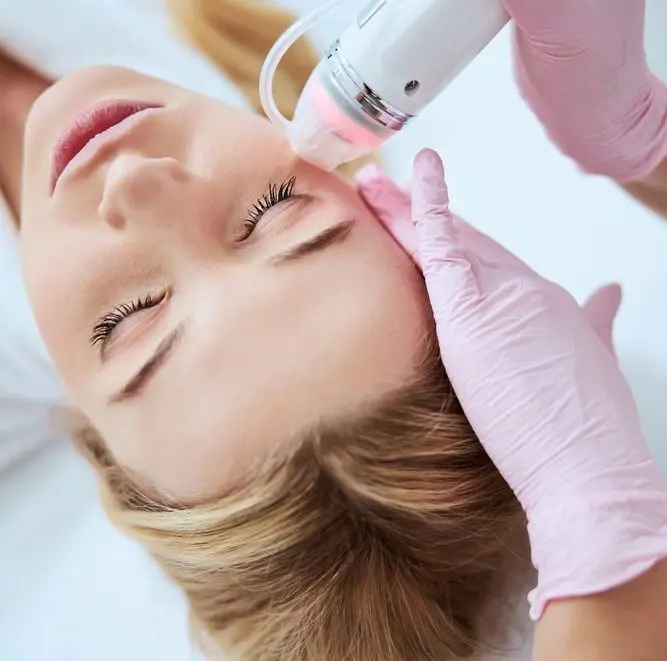
RF Microneedling (Virtue RF)When laxity above the puffiness zone allows lower eyelid skin and suborbicularis tissue to sag, Virtue RF tightens the tissue layer via fractional radiofrequency, triggering collagen remodeling over 3–6 months. Firms the envelope — reducing the heavy, tired appearance that accompanies genuine puffiness.Best for: laxity-driven sag above puff zone · See Virtue RF →
PDO Thread LiftFor lower-face sagging where tissue descent creates a heavy, swollen appearance along the jowl and lower cheek. PDO threads provide mechanical lift and stimulate collagen — addressing tissue position that makes the lower face look chronically puffy. More useful for mid-to-lower face than periorbital.Best for: lower-face sagging + tissue descent · See PDO Thread Lift →

Volume vs Fluid: Two Different Puffiness Paths

Most puffiness falls into one of two lanes. Structural-volume cases are handled in clinic; fluid-lifestyle cases start at home and come to clinic only when structural support is also needed.

Fluid & Lifestyle Path

Puffiness from excess fluid, poor drainage, or inflammation — addressed with home care, lifestyle changes, and supportive in-office work.

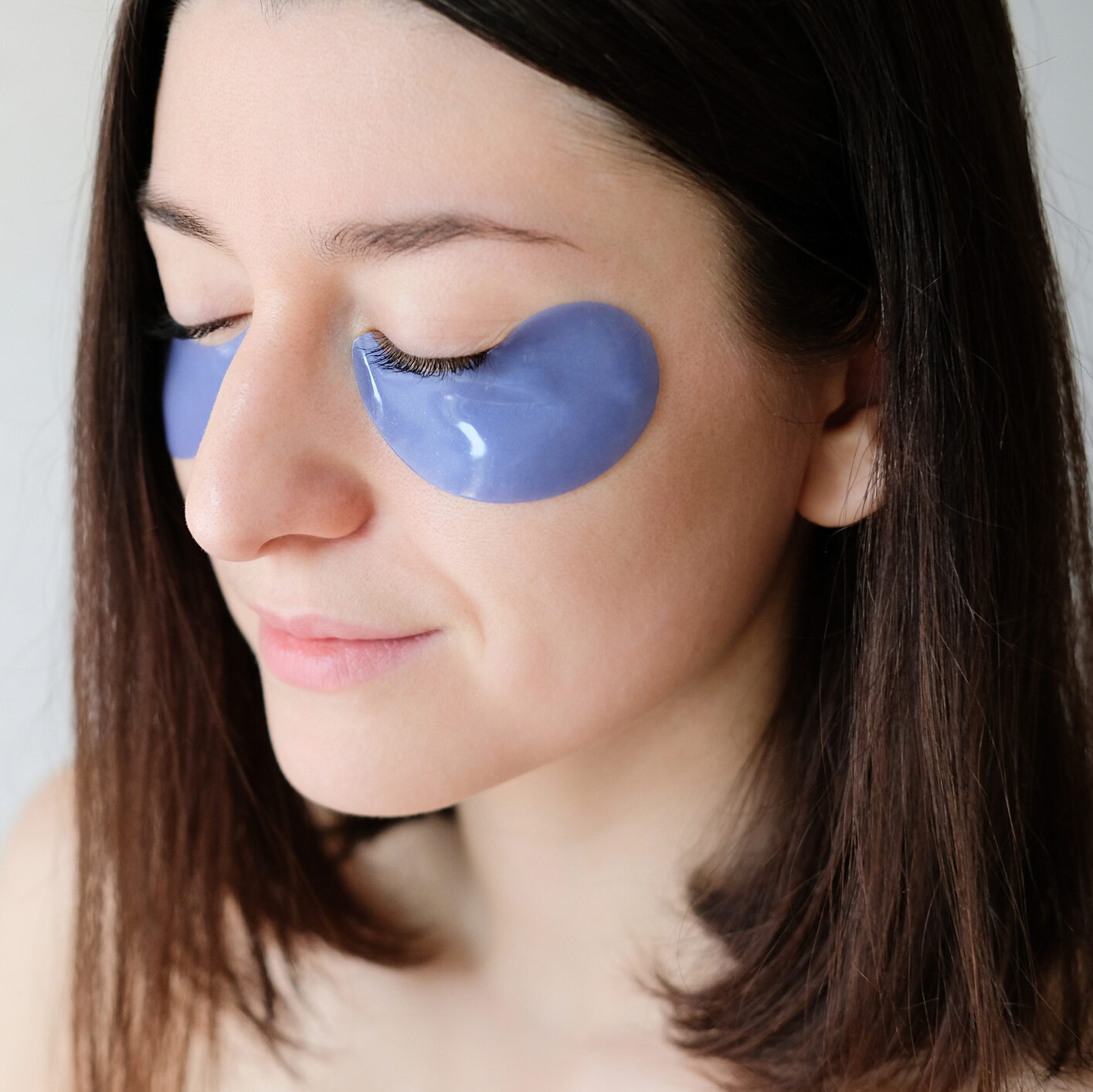
Cold Compress + ElevationCold constricts blood vessels and reduces fluid buildup. An extra pillow plus a chilled gel mask for 5–10 minutes reduces morning puffiness within 20–30 minutes for most people.
Sodium & Alcohol ReductionHigh salt intake is the most controllable driver of facial fluid retention. Reducing salty foods typically shows a visible difference within 48–72 hours. Alcohol dilates periorbital blood vessels and worsens fluid pooling.
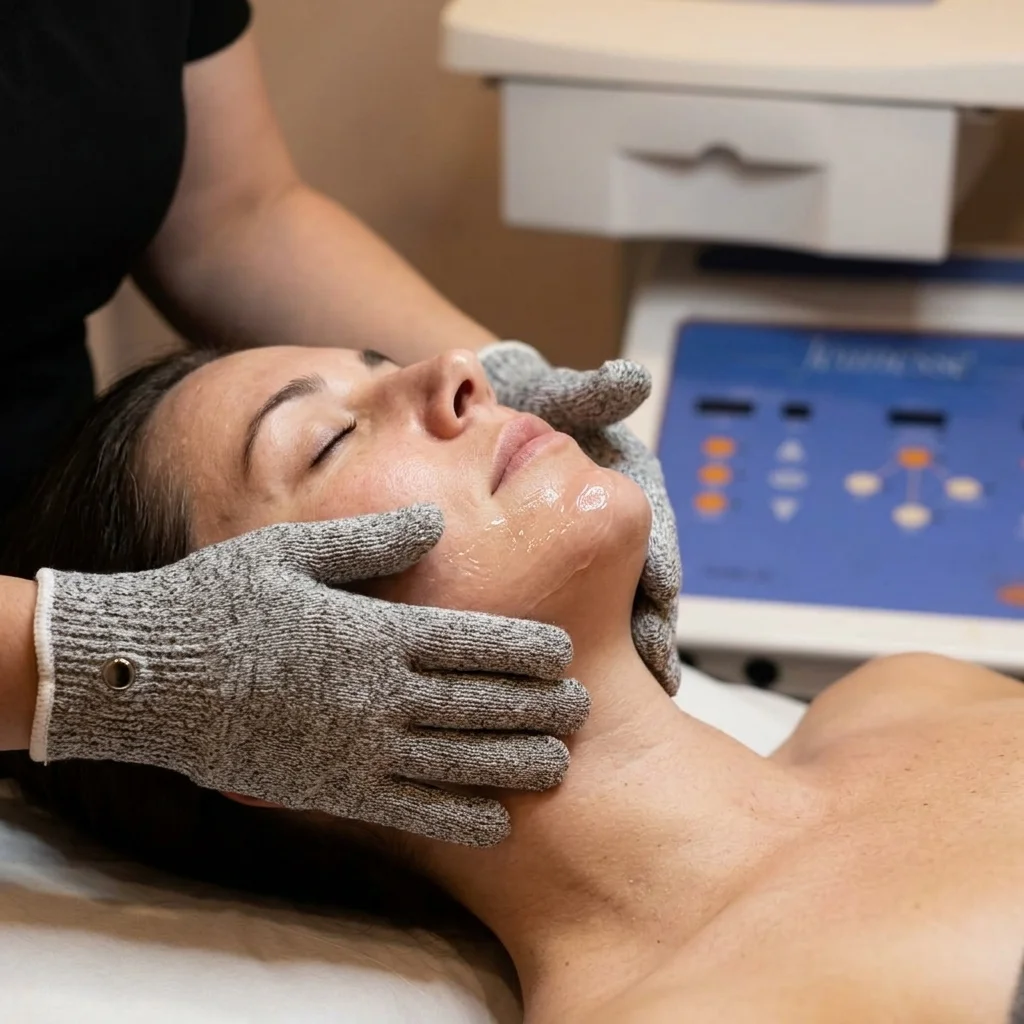
Lymphatic Drainage Facial + Eye CreamIn-office manual drainage of the periorbital lymphatic network. Most effective for soft morning puffiness that partially resolves on its own. A self-drainage technique and a caffeine or peptide eye cream recommendation are usually provided at the appointment for home use.
Allergy & Sleep ManagementAllergies trigger histamine release that dilates periorbital vessels — managing them is often the highest-leverage step when puffiness correlates with pollen, pets, or dust. Seven to nine hours of sleep lets the lymphatic system run its overnight drainage cycle.

Compare All Options for Puffiness

FeatureTear Trough FillerRF MicroneedlingPDO Thread LiftLymphatic FacialLifestyle / Home Care
Best forHollow shadow reading as puffinessLaxity above puff zone, tired skinLower-face sagging / tissue descentSoft lymphatic / fluid-retention puffinessDaily fluid puffiness, sleep, diet, allergy
Cause addressedVolume loss (structural)Skin + tissue laxityTissue descent (lower face)Lymphatic congestionFluid retention, lifestyle
Sessions1 session (touch-up ~12 months)3 sessions, 4–6 weeks apart1–2 sessionsMonthly or as neededOngoing / daily
Downtime24–48 hours (swelling risk)2–5 days2–5 daysNoneNone
Duration9–18 months12–18 months (gradual)12–18 monthsDays to weeks (adjunct)Ongoing maintenance
Price rangeFrom $650From $800/sessionFrom $1,200Ask at consult
Best forHollow shadow reading as puffiness
Cause addressedVolume loss (structural)
Sessions1 session (touch-up ~12 months)
Downtime24–48 hours (swelling risk)
Duration9–18 months
Price rangeFrom $650
Best forLaxity above puff zone, tired skin
Cause addressedSkin + tissue laxity
Sessions3 sessions, 4–6 weeks apart
Downtime2–5 days
Duration12–18 months (gradual)
Price rangeFrom $800/session
Best forLower-face sagging / tissue descent
Cause addressedTissue descent (lower face)
Sessions1–2 sessions
Downtime2–5 days
Duration12–18 months
Price rangeFrom $1,200
Best forSoft lymphatic / fluid-retention puffiness
Cause addressedLymphatic congestion
SessionsMonthly or as needed
DowntimeNone
DurationDays to weeks (adjunct)
Price rangeAsk at consult
Best forDaily fluid puffiness, sleep, diet, allergy
Cause addressedFluid retention, lifestyle
SessionsOngoing / daily
DowntimeNone
DurationOngoing maintenance
Price range
1 / 5
swipe to compare

When Puffiness Is a Medical Symptom, Not a Cosmetic Concern

Sudden or One-Sided Puffiness — Seek Urgent Medical Care, Not a Spa Appointment

This is not a cosmetic concern. Sudden-onset facial swelling — especially if one-sided, rapidly worsening, or accompanied by hives, shortness of breath, fever, or pain — may indicate anaphylaxis, infection, or cardiac/kidney-related fluid retention. These require emergency evaluation.

Thyroid eye disease (Graves’ orbitopathy) causes bilateral periorbital puffiness and proptosis requiring endocrinology and ophthalmology evaluation — not spa treatment. Eye dryness, lid retraction, or pressure behind the eye are red flags.

Chronic venous insufficiency can also cause periorbital puffiness that does not respond to cosmetic approaches. Leg or ankle swelling alongside facial fluid retention warrants a physician evaluation first.

The puffiness this hub addresses is bilateral, gradual-onset, follows a recognizable pattern (worse in the morning, tied to sleep or salt), and has no systemic symptoms. If yours does not fit, see a physician first.

Frequently asked questions

What is the difference between puffy eyes and eye bags? Puffy eyes refer to swelling or fluid accumulation in the periorbital area — it changes through the day, is often worse in the morning, and can be triggered by salt, allergies, lack of sleep, or alcohol. To get rid of puffy eyes from fluid, you address the cause: reduce salt, elevate your head, manage allergies, and use a cold compress or eye cream. Eye bags specifically describe lower-eyelid fat pad herniation, where the orbital fat has prolapsed forward. Fat pad herniation does not change morning to evening and does not respond to lifestyle changes. You cannot get rid of fat pad herniation without surgery — which is why distinguishing the two before any cosmetic work matters.
Why are my eyes puffy only in the morning? Morning puffiness that resolves through the day is almost always fluid-related. When you lie flat during sleep, fluid redistributes into the periorbital tissue overnight. The lymphatic system runs more actively when you are upright and moving, so the excess drains as the day progresses. High salt intake the evening before, alcohol, allergies, and poor sleep all make it worse. To get rid of morning puffiness quickly: sleep with your head slightly elevated, reduce salt and alcohol, and apply a cold compress or chilled eye cream first thing in the morning. These steps address the cause rather than masking it.
Does tear trough filler help with puffiness? Yes — for a specific type of puffiness. When the tear trough hollows with age, it creates a shadow at the base of the lower eyelid that makes the skin above it look puffier by contrast. Filling that hollow with hyaluronic acid filler smooths the lid-cheek junction and reduces that shadow, making the under-eye area look less puffy. However, if the puffiness is from fluid retention or true fat pad herniation, filler does not address the cause and may not improve the appearance. Getting the cause right before planning treatment is essential.
What home remedies actually reduce under-eye puffiness? The ones with genuine clinical support: cold compress (constricts blood vessels and reduces fluid buildup), elevating your head while sleeping, reducing salt intake (excess sodium drives fluid retention), managing allergies (antihistamines when relevant), staying hydrated (dehydration can worsen puffiness as the body retains fluid), cold water splash or refrigerated spoons, tea bags (cool, slightly damp — the tannins have mild vasoconstrictive properties), lymphatic self-massage, and a targeted eye cream with caffeine or peptides applied morning and night. A caffeine-based eye cream helps temporarily constrict vessels and reduce the appearance of puffiness — it will not get rid of structural causes, but it is a useful daily step for fluid-related puffiness. None of these fix fat pad herniation.
When should I see a doctor about facial puffiness? If the puffiness is sudden, one-sided, rapidly progressive, or accompanied by any systemic symptoms — hives, breathing difficulty, pain, fever, leg swelling, or changes in urination — seek urgent medical care immediately. These symptoms can indicate anaphylaxis, infection, or organ-related fluid retention. If you have persistent bilateral puffiness that does not fit the morning-only pattern and does not respond to lifestyle changes, a primary care physician should evaluate for systemic causes including thyroid dysfunction, kidney or heart issues, and chronic venous insufficiency before any cosmetic approach is considered.
Can RF microneedling or PDO threads help with puffiness? Yes, for specific causes. RF microneedling addresses periorbital skin laxity — when the lower eyelid skin has lost firmness and sags, it creates a tired, heavy appearance that can look like puffiness. Tightening the tissue improves this and can help get rid of the heavy, sagging look around the eye. PDO threads address tissue descent in the midface and lower face — when cheek tissue drops downward, the lower face can look chronically puffy or swollen. Neither treats fluid retention or fat pad herniation. These are secondary tools used when laxity or descent is part of the picture.
Is under-eye puffiness hereditary? In part, yes. The tendency for orbital septum weakness that leads to fat pad herniation runs in families — many people with early-onset eye bags trace it to a parent. The rate at which volume and collagen are lost in the periorbital area also has a genetic component. However, lifestyle factors — sodium, alcohol, sleep, allergies, hydration — are fully modifiable regardless of genetic predisposition. People with a family history of eye bags can minimize how prominent the herniation looks through consistent lifestyle management, but they may still need structural treatment earlier than others.

Working With Dr. Borakowski on Puffiness

Dr. Natalya Borakowski, NMD has spent over twenty years distinguishing cosmetic problems from medical ones. With puffiness, her first consultation question is always the same: does this change through the day? That single answer separates fluid from structure from volume-contrast — and each has a completely different answer.

She does not over-book. Fat pad herniation means a referral to an oculoplastic surgeon. A fluid pattern that calls for an elevated pillow and less sodium means she will say that. The consultation is an honest routing, not a booking.

Dr. Natalya Borakowski at Desert Bloom Skincare clinic in Scottsdale
Dr. Natalya Borakowski, NMD
Medically reviewed byDr. Natalya Borakowski, NMDFounder, Desert Bloom Skincare
“Puffiness gets oversimplified — people see it and immediately reach for filler or eye cream. The first question I always ask is whether it changes through the day. If it looks worse at 7 AM and settles by noon, we are talking about fluid dynamics. If it stays the same at 7 PM, that is structure — and structure needs a different conversation.”

Ready to Figure Out What’s Behind Your Puffiness?

A consultation here starts with understanding what you are actually seeing — whether it is fluid, structure, or volume — before anything is recommended. If the answer is a lifestyle change or a referral to a surgeon, we will tell you that directly.

Complimentary 30-minute consultations are available in Scottsdale. No obligation to book a treatment.

References

  1. Morley AMS, Taban M, Malhotra R, Goldberg RA. “Use of hyaluronic acid gel for upper eyelid filling and contouring..” Ophthalmic Plast Reconstr Surg. 2009. DOI
  2. Goldberg RA, Fiaschetti D. “Filling the periorbital hollows with hyaluronic acid gel: initial experience with 244 injections..” Ophthalmic Plast Reconstr Surg. 2006. DOI
  3. Dou W, Yang Q, Yin Y. “A randomized, split-face controlled trial on the safety and effects of microneedle fractional radiofrequency and fractional erbium-doped glass 1,565-nm laser therapies for baggy lower eyelids..” J Cosmet Laser Ther. 2021. DOI
  4. Khan G, Kim BJ, Kim DG. “Retrospective study of the absorbable braided polydioxanone threads' usefulness in the aged lower eyelids' rejuvenation..” J Cosmet Dermatol. 2022. DOI
  5. Yaedú RYF, Mello MAB, Tucunduva RA. “Postoperative orthognathic surgery edema assessment with and without manual lymphatic drainage..” J Craniofac Surg. 2017. DOI

Treatments

  1. Microcurrent non-surgical facelift$110
    45 minutes
  2. RF Microneedling$800
    90 and up
  3. Tear Trough Filler$595
    30 minutes and up

Consultation in skin care clinic

Desert Bloom Skincare Center offers personalized skincare consultation to help you achieve a flawless and radiant complexion. Book your appointment today and let our expert team of skincare professionals address your specific concerns and help you reach your skincare goals.

Visit Our Scottsdale Aesthetic Center

Address

10752 N 89th Place, Suite 122B,
ScottsdaleAZ 85260.

Phone:(480) 567-8180

E-mail:info@desertbloomskincare.com

Get Directions →

Location & Directions

Desert Bloom Skincare is conveniently located in the Shea Corridor of North Scottsdale, within Edwards Professional Park I — minutes from HonorHealth Scottsdale Shea Medical Center and the Mayo Clinic Scottsdale Campus.

↑↓
From the North / South: Take Loop 101 (Pima Freeway) and exit at E Shea Blvd. We are located just East of the freeway.
From Paradise Valley: Head East on E Shea Blvd toward North 90th Street.
P
Parking: Ample free parking is available directly in front of Suite 122B.

Areas We Serve

We proudly provide expert non-surgical rhinoplasty and PDO thread lifts to patients across the Southwest:

  • ScottsdaleNorth Scottsdale · McCormick Ranch · Gainey Ranch
  • Paradise Valley
  • PhoenixArcadia · Biltmore · North Phoenix
  • Fountain Hills
  • Cave Creek & Carefree

Contact usDo you have any questions?