Puffiness is fluid, not fat — and that changes the fix
Puffiness around the eyes and lower face is almost always one of two things — and they need opposite treatments. Fluid retention is soft, worse in the morning, and tied to sleep, salt, allergies, or lymphatic flow. Fat-pad herniation (true eye bags) is structural, constant through the day, and does not respond to lifestyle changes or topicals. Treating the wrong one is the most common reason people spend money on under-eye work and see no change.
This page maps the four causes of puffiness — fluid retention, lymphatic congestion, volume-shadow contrast, and fat-pad herniation — to the right path. Drainage and home care for morning fluid; in-clinic treatments when laxity or volume loss is part of the picture; an oculoplastic referral when the anatomy has moved. Dr. Natalya Borakowski, NMD assesses which mechanism is driving what you see before recommending anything.
Part of our under-eye cluster. See Eye Bags for lower-eyelid fat-pad herniation and Dark Circles for pigment and vascular causes under the eye.
The Five Lifestyle Drivers of Fluid Puffiness
Most morning puffiness traces back to a small set of controllable inputs. Address the one that fits your pattern before you reach for cosmetic work — fluid puffiness will not respond to filler or microneedling, and lifestyle changes show a visible difference in 48–72 hours.
- Sleep position and duration — flat sleep redistributes fluid into periorbital tissue; 7–9 hours lets the lymphatic cycle run.
- Sodium and alcohol — the most controllable drivers; high salt the night before causes morning swelling.
- Allergies — histamine dilates periorbital vessels; managing them is often the highest-leverage step.
- Lymphatic flow — slowed drainage from dehydration or sleep posture pools fluid in delicate skin.
- Hormonal cycle — predictable monthly fluid shifts that resolve on their own and need no treatment.
Puffiness vs Eye Bags — Different Anatomy, Different Answer
These terms get used interchangeably, but they describe different anatomy and need different treatment. Treating the wrong one is a common and expensive way to get no result.
Puffiness covers the fluid, lymphatic, and volume-contrast causes — bilateral, often variable through the day, and soft to the touch when fluid-based. Firm, non-changing fullness points to structure.
Eye bags specifically refer to lower-eyelid fat-pad herniation — a structural shift that does not respond to lifestyle changes, filler alone, or energy devices. If you have persistent fullness under the eye that never changes through the day, the Eye Bags page covers what a blepharoplasty evaluation looks like.
Dark circles are a color concern — pigment, thin skin, or vascular shadow. The shadow under a hollowed tear trough can be confused with dark circles; one is a pigment problem, the other is volume. The Dark Circles page covers the Fitzpatrick-specific treatment ladder.
Treatments Tagged Puffiness
Treatments That Address Puffiness
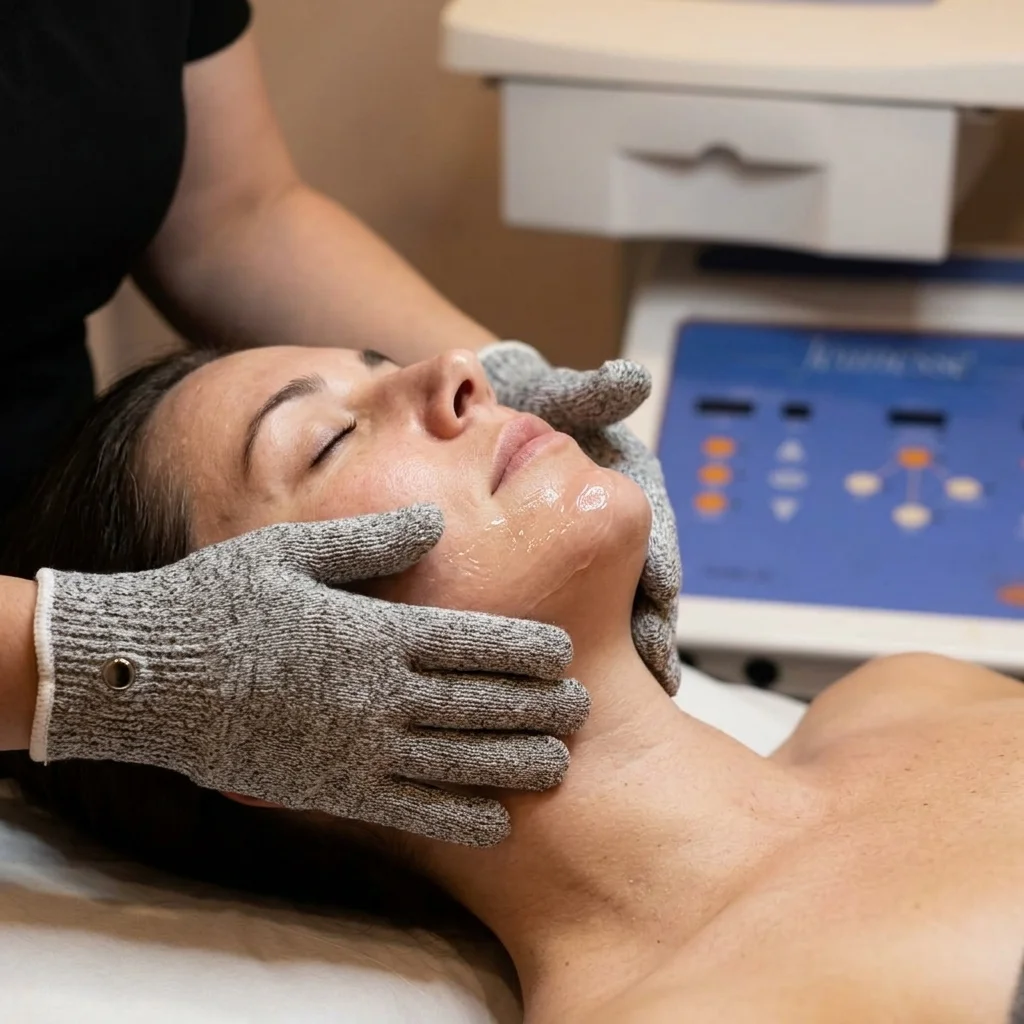
Lymphatic + tone
Microcurrent Facial
Low-level electrical current stimulates lymphatic drainage and re-tones the underlying muscle layer. Best for soft, bilateral puffiness driven by fluid retention or lymphatic slowdown. Zero downtime; results visible immediately after the session, build with a short series.

Volume shadow
Tear Trough Filler
A small amount of HA filler placed in the tear trough fills the hollow that casts a shadow at the lid-cheek junction. Best when the puffiness is volume-contrast rather than swelling. One session for most; touch-up around 9–18 months.
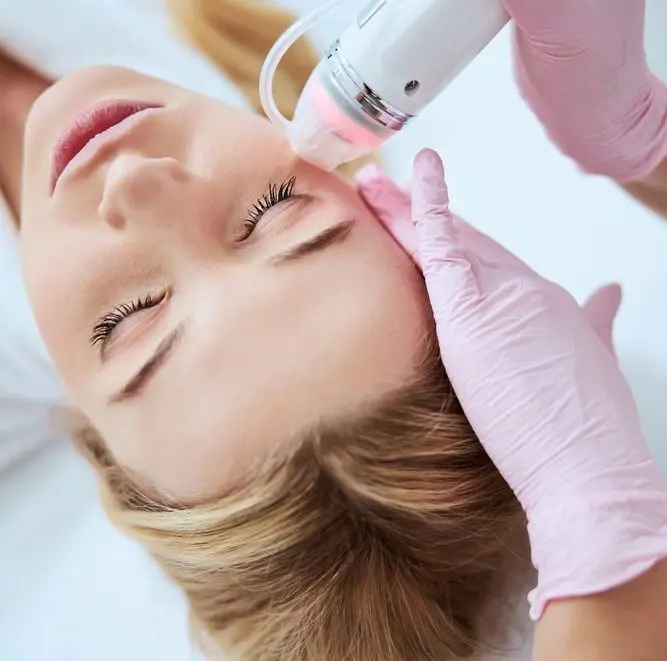
Skin + tissue laxity
RF Microneedling
Fractional radiofrequency tightens periorbital skin and the suborbicularis tissue layer, addressing the heavy, sagging look that often gets called puffiness. Three sessions, four to six weeks apart. Collagen remodeling builds over three to six months.
Find your path
Acute Morning Puffiness or Chronic Daily Puffiness?
The pattern of when it shows up tells you whether to start at home or in clinic.
It is worst at 7 AM and settles by noon.
→Start with home care + lymphatic facial — Sleep posture, sodium, alcohol, allergies, and lymphatic flow are the levers. Cold compress, head-elevated sleep, salt reduction, and antihistamines resolve most cases without treatment.
StructuralIt stays the same all day, every day.
→Book a consultation for assessment — Chronic, non-variable fullness points to structure — volume loss, skin laxity, or fat-pad herniation. Each has a different in-clinic answer or, for herniation, an oculoplastic referral.
Volume shadowIt is a dark hollow more than a puffy bulge.
→See Tear Trough Filler — That is volume-shadow contrast at the tear trough, not swelling. HA filler fills the hollow and reduces the shadow that reads as puffiness.
ReferralIt is firm, never changes, and runs in the family.
→See Eye Bags hub — That pattern fits fat-pad herniation — true eye bags. Lower blepharoplasty with an oculoplastic surgeon is the correct path; a medical spa is not the primary provider.
“The first question I always ask is whether it changes through the day. If it looks worse at 7 AM and settles by noon, we are talking about fluid. If it stays the same at 7 PM, that is structure — and structure needs a different conversation.”
Frequently Asked Questions
What is the difference between puffy eyes and eye bags?
Why are my eyes puffy only in the morning?
Does tear trough filler help with puffiness?
What home remedies actually reduce under-eye puffiness?
When should I see a doctor about facial puffiness?
Can microcurrent or RF microneedling help with puffiness?
Is under-eye puffiness hereditary?

Medically reviewed by
Founder, Desert Bloom Skincare · 17 Years Experience
References
- 1.
Goldberg RA, Fiaschetti D.. Filling the periorbital hollows with hyaluronic acid gel: initial experience with 244 injections.. Ophthalmic Plast Reconstr Surg; 2006;22(5):335-341.
- 2.
Morley AMS, Taban M, Malhotra R, Goldberg RA.. Use of hyaluronic acid gel for upper eyelid filling and contouring.. Ophthalmic Plast Reconstr Surg; 2009;25(6):440-444.
- 3.
Dou W, Yang Q, Yin Y.. A randomized, split-face controlled trial on the safety and effects of microneedle fractional radiofrequency and fractional erbium-doped glass 1,565-nm laser therapies for baggy lower eyelids.. J Cosmet Laser Ther; 2021;23(7-8):191-198.
- 4.
Yaedu RYF, Mello MAB, Tucunduva RA, et al.. Postoperative orthognathic surgery edema assessment with and without manual lymphatic drainage.. J Craniofac Surg; 2017;28(7):1816-1820.
- 5.
Funt D, Pavicic T.. Dermal fillers in aesthetics: an overview of adverse events and treatment approaches.. Clin Cosmet Investig Dermatol; 2013;6:295-316.
DOI: 10.2147/CCID.S50546