

Non-surgical jawline lifting and jowl correction — physician-guided in Scottsdale.


When Your Jawline Starts Losing Its Edge

That slow rounding of the lower face — where a once-defined jawline softens into a continuous curve with the neck — is one of the most consistent changes patients notice in their mid-40s and beyond. Jowling is not a single problem. It is the visible result of four simultaneous processes: bone resorption that reduces the mandibular scaffold, SMAS and soft-tissue descent, loss of skin elasticity from collagen and elastin decline, and fat-pad migration from the mid-face into the pre-jowl sulcus.

Dr. Natalya Borakowski, NMD approaches jowling the same way she approaches every structural concern: identify which driver or combination of drivers is dominant, then match the treatment to that driver. Treating all jowling with filler, or all jowling with threads, produces mediocre results. A plan built around your anatomy produces a defined jawline that still looks like you.

See also: Weak Chin — often co-presents with jowling. And Aesthetic Facial Balancing for multi-driver lower-face plans.

At a Glance

Scope. Five non-surgical treatment routes address jowling depending on what is driving it: PDO Thread Lift for SMAS descent, Jawline Filler (Restylane / RHA) for bone-volume loss, Virtue RF Microneedling for skin laxity, Botox for masseter-driven lower-face widening, and CO2 Laser for skin laxity in Fitz I–III. Treatments begin at $600 and combination plans typically range $1,200–$2,500 per session.

Provider and candidacy. Dr. Borakowski treats jowling across all Fitzpatrick types. CO2 laser is reserved for Fitz I–III — RF microneedling, fillers, Botox, and PDO threads are safe for all skin tones. Best candidates are adults with early-to-moderate jowling who want to avoid surgery. Severe laxity with significant neck banding or deep marionette lines may require a surgical consult.

Downtime and how to start. Botox and filler carry minimal downtime — mild bruising or swelling for 24–48 hours. PDO threads involve 3–5 days of mild tenderness. RF microneedling: 24–48 hours of redness. CO2 laser: 5–7 days of active healing. Start with a consultation — Dr. Borakowski maps the dominant drivers before any treatment is booked.

What Causes Jowling? The Four Drivers

Jowling is almost never a single-factor problem. Most patients present with two or three overlapping drivers — which is why treatment plans that match one modality to the whole problem rarely produce satisfying results. Understanding the four primary causes shapes every recommendation that follows.

Bone Resorption — The Scaffold Shrinks

The mandible and mid-face skeleton gradually resorb volume beginning in the mid-30s. As the bony scaffold underlying the lower face shrinks, the skin and soft tissue it was supporting have less structure to hang from. The pre-jowl sulcus — the depression just beside the chin — deepens as the mandibular border recedes. This is often the earliest structural sign, visible as a subtle loss of jawline sharpness before any significant skin laxity has developed. Bone-level changes alter the entire geometry of the lower face: the chin projects less, the mandibular angle softens, and the facial tissues above lose the foundational support that previously held them in place. Restoring that scaffold with hyaluronic acid filler is fundamentally different from adding volume for aesthetic enhancement — it is structural reconstruction.

Treatment direction: Jawline Filler (Restylane / RHA) to compensate for bone-level volume loss and restore the scaffold

SMAS and Soft-Tissue Descent

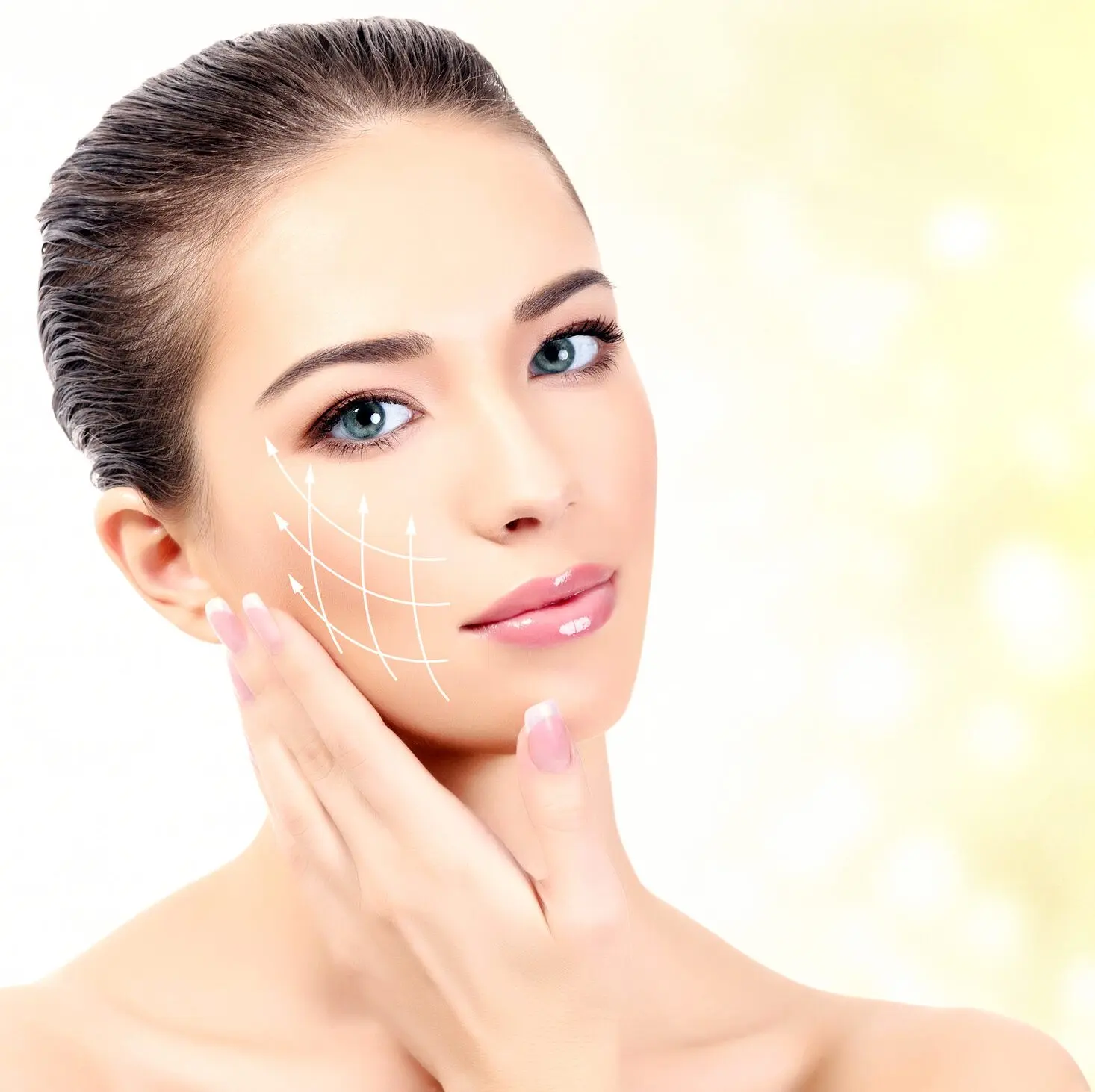
The superficial musculoaponeurotic system (SMAS) — the fibromuscular layer connecting skin to deeper facial structures — loses elasticity and descends over time. The soft tissue and fat pads anchored to it follow, sliding inferiorly along the facial ligaments from the mid-face into the jowl position. This descent is the primary reason jowling appears relatively suddenly in some patients: ligament integrity holds until a threshold, then fails rapidly. SMAS descent is distinct from skin laxity — it requires mechanical repositioning (threads), not just tightening. When the SMAS layer descends, it pulls the overlying skin with it; no amount of collagen stimulation will return that tissue to its original anatomical position. This distinction — repositioning versus tightening — is why the treatment routes for descended tissue and lax tissue are fundamentally different, and why combining the two often produces the best outcome.

Treatment direction: PDO Thread Lift for SMAS-level mechanical repositioning of descended soft tissue

Skin Laxity — Collagen and Elastin Decline

Collagen production peaks in the mid-20s and declines approximately 1% per year thereafter. Collagen and elastin are the structural proteins that give skin its tensile strength and elastic recoil. As collagen and elastin production slows and collagen breakdown accelerates — amplified by UV exposure, smoking, and significant weight fluctuations — the skin loses its ability to maintain firmness over the bony and soft-tissue framework. Skin laxity along the jawline allows what was once a taut border to become a graduated slope. Stimulate collagen production via RF energy or CO2 laser to restore structural support from within the dermis. For patients who want a youthful jawline without surgery, skin-tightening treatments that work at the dermal level are often the most accessible starting point — particularly when descent is not yet the dominant driver. In early jowling, collagen stimulation alone can meaningfully slow progression and restore definition.

Treatment direction: Virtue RF Microneedling (all Fitz); CO2 Laser (Fitz I–III only) for more pronounced skin laxity

Fat-Pad Migration and Masseter Effects

The buccal and malar fat pads that give the mid-face its youthful fullness descend with age and accumulate at the jawline, adding visible bulk to the jowl silhouette. Separately, masseter hypertrophy — from clenching, grinding (bruxism), or anatomic variation — widens the lower-face outline and creates a shadow that visually amplifies the jowl appearance. These two mechanisms are often confused: fat-pad descent creates anterior jowl fullness; masseter hypertrophy creates lateral lower-face width. The distinction matters for treatment selection. Note that buccal fat removal — a surgical procedure to reduce mid-face fat volume — is sometimes discussed in this context, but is not a treatment Desert Bloom offers or recommends for jowling. Jowling results from fat pad descent, not excess — removing fat in the wrong area worsens the structural deficit. Patients interested in surgical fat-based procedures are referred to a board certified plastic surgeon or board certified dermatologist with surgical credentials for a proper evaluation.

Treatment direction: Botox masseter reduction for hypertrophy-driven lower-face width; filler re-support for fat-pad descent

Genetics, lifestyle, and prior facial work all layer on top of these four primary drivers. Patients with a family history of early jowling, or those with a history of significant weight fluctuations, often present with more pronounced or earlier-onset jowl formation than their peers. Sun exposure and smoking accelerate collagen breakdown and skin laxity — early signs of jowl formation at the lateral cheek and jawline transition are a reliable signal to act before descent becomes the dominant driver.

Non-Surgical Jowls Treatment at Desert Bloom

Five treatment modalities address the different mechanisms driving jowling. Each targets a distinct layer or process — structural scaffold, soft-tissue position, skin laxity, or muscle volume. The right starting point depends on which driver is dominant at your consultation.

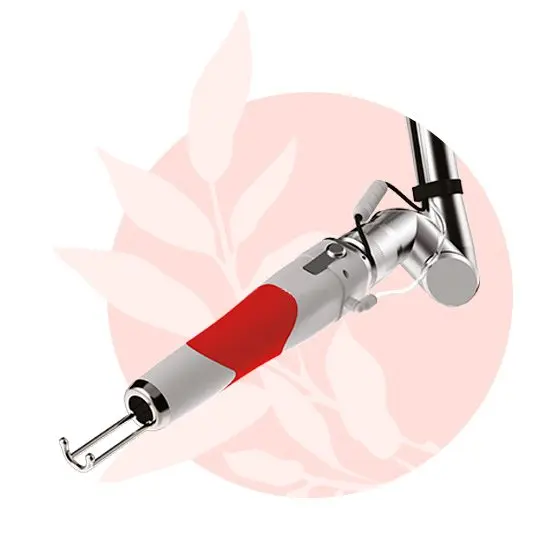
PDO Thread Lift — SMAS and Soft-Tissue RepositioningDissolvable polydioxanone threads are placed along the mid-face and jawline to physically re-anchor descended soft tissue. The lift addresses SMAS descent directly — repositioning the tissue rather than simply tightening skin over it. As threads dissolve over 4–6 months, they stimulate new collagen growth that sustains structural support. Particularly effective for mid-face and jowl descent in patients in their late 30s to early 50s. Results typically last 12–18 months. Minimal downtime; mild tenderness for 3–5 days. Among non surgical treatments for jowling, PDO threads are the only modality that mechanically repositions descended tissue rather than stimulating change from within — making them the preferred first-line option when SMAS descent is the dominant driver.Best for: SMAS descent, mid-face drop, early-to-moderate jowling · See PDO Thread Lift →
Jawline Filler — Structural Scaffold RestorationHyaluronic acid dermal fillers — Restylane or RHA — are injected along the mandibular border to compensate for bone resorption and restore the structural scaffold that the soft tissue needs for support. Strategic placement in the pre-jowl sulcus camouflages jowl fullness by elevating the depression beside it, creating the visual impression of a more defined jawline without lifting the jowl tissue itself. Often combined with chin filler for a coherent lower-face framework. Results last 12–18 months. This approach works because the visual perception of a youthful jawline depends heavily on the sharpness of the mandibular border — restoring the structural edge with filler produces a defined jawline that looks like your own anatomy, not an overcorrection.Best for: mandibular bone resorption, pre-jowl sulcus depth, structural scaffold loss · See Jawline Filler →
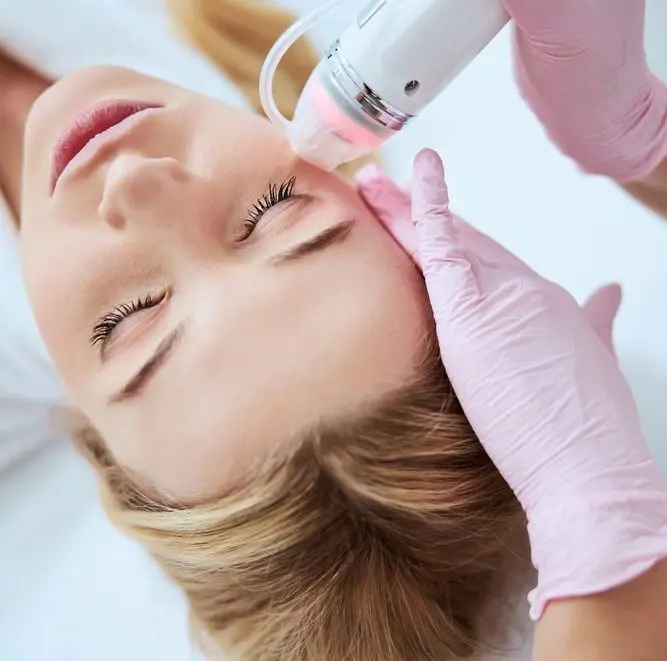
Virtue RF Microneedling — Collagen Tightening (All Fitz)The Virtue RF system delivers radiofrequency energy through insulated microneedles directly into the dermis, bypassing the epidermis. Thermal injury at the dermal level stimulates new collagen growth and collagen remodeling — tightening skin from within and improving skin elasticity over a series of sessions. Safe across all Fitzpatrick skin types (Fitz I–VI), making it the preferred skin-tightening route for patients with deeper skin tones. 2–3 sessions spaced 4–6 weeks apart; results build over 3–6 months as new collagen production matures. Among non-surgical treatments, RF microneedling occupies the most versatile position: it addresses skin laxity without imposing the Fitzpatrick restrictions of ablative laser, and it can be layered with threads or filler in a same-session combination plan for patients with overlapping drivers.Best for: skin laxity (all skin tones), collagen decline, early jowling · See RF Microneedling →
Botox Masseter Reduction — Lower-Face SlimmingWhen masseter hypertrophy is contributing to lower-face width and amplifying the jowl silhouette, Botox injected into the masseter muscle reduces its bulk over 4–8 weeks. The result is a narrower lower-face outline and softer mandibular angle — which reduces the visual contrast between the jowl and the surrounding jawline. Also used as a Nefertiti lift variant, injecting along the platysmal bands to tighten the jawline-to-neck transition. Results last 4–6 months; repeated treatment leads to gradual masseter atrophy.Best for: masseter hypertrophy, lower-face widening, Nefertiti jawline lift · See Botox →
CO2 Laser (Rohrer Phoenix) — Skin Laxity Fitz I–IIIAblative CO2 laser resurfacing removes the outer skin layers while delivering heat energy to deeper dermal tissue, triggering aggressive new collagen production and significant skin tightening. The Rohrer Phoenix CO2 system provides precise fractional and full-field ablation. Results are more dramatic than RF alone — but ablative CO2 laser is appropriate only for Fitzpatrick I–III (fair to medium skin tones) due to hyperpigmentation risk in darker skin. Downtime is 5–7 days of active healing. One session often sufficient; a second session may be recommended for moderate-to-severe skin laxity.Best for: significant skin laxity, Fitz I–III only — NOT for Fitz IV–VI · See CO2 Laser →

Most jowling plans combine two routes — PDO threads to reposition descended tissue plus RF microneedling or filler to address the underlying structural deficit. Aesthetic Facial Balancing coordinates these modalities in a single session when multiple drivers are present. Related concerns that often co-present: Double Chin, Facial Asymmetry, and Weak Chin.

Structural Lift vs. Tightening — Which Route Fits You?

Jowling treatment broadly divides into two routes: mechanical repositioning and structural support versus tissue tightening. The right entry point depends on whether the dominant driver is descent (tissue has moved) or laxity (tissue has lost structural integrity). Many patients benefit from both.

Compare All Jowling Treatment Options

FeaturePDO Thread LiftJawline FillerVirtue RFBotox MasseterCO2 Laser
Best forSMAS descent, mid-face and jowl repositioningBone resorption, pre-jowl sulcus depthSkin laxity — all Fitzpatrick typesMasseter hypertrophy, Nefertiti liftPronounced skin laxity Fitz I–III only
MechanismMechanical lift + collagen stimulation as threads dissolveHA filler rebuilds mandibular scaffold and fills pre-jowl sulcusRF energy into dermis stimulates new collagen productionNeuromodulator reduces masseter bulk; relaxes platysmal bandsAblative resurfacing triggers aggressive collagen remodeling
Sessions1 (touch-up at 6–9 mo optional)1 (maintenance 12–18 mo)2–3 spaced 4–6 weeks apart1 + maintenance every 4–6 mo1 (second session for severe laxity)
FitzpatrickAll typesAll typesAll types (I–VI)All typesFitz I–III ONLY — not for Fitz IV–VI
Downtime3–5 days mild tenderness24–48 hrs mild swelling / bruising24–48 hrs rednessNone to minimal5–7 days active healing
Best forSMAS descent, mid-face and jowl repositioning
MechanismMechanical lift + collagen stimulation as threads dissolve
Sessions1 (touch-up at 6–9 mo optional)
FitzpatrickAll types
Downtime3–5 days mild tenderness
Best forBone resorption, pre-jowl sulcus depth
MechanismHA filler rebuilds mandibular scaffold and fills pre-jowl sulcus
Sessions1 (maintenance 12–18 mo)
FitzpatrickAll types
Downtime24–48 hrs mild swelling / bruising
Best forSkin laxity — all Fitzpatrick types
MechanismRF energy into dermis stimulates new collagen production
Sessions2–3 spaced 4–6 weeks apart
FitzpatrickAll types (I–VI)
Downtime24–48 hrs redness
Best forMasseter hypertrophy, Nefertiti lift
MechanismNeuromodulator reduces masseter bulk; relaxes platysmal bands
Sessions1 + maintenance every 4–6 mo
FitzpatrickAll types
DowntimeNone to minimal
Best forPronounced skin laxity Fitz I–III only
MechanismAblative resurfacing triggers aggressive collagen remodeling
Sessions1 (second session for severe laxity)
FitzpatrickFitz I–III ONLY — not for Fitz IV–VI
Downtime5–7 days active healing
1 / 5
swipe to compare

Safety, Skin Type, and When to Consider Surgery

The majority of jowling cases presenting at Desert Bloom are addressable with non surgical treatments — PDO threads, dermal fillers, RF microneedling, Botox, or CO2 laser in Fitz I–III. Two categories require a different conversation: patients with Fitzpatrick IV–VI skin considering ablative laser, and patients with advanced laxity where the scope of non-surgical interventions has been exceeded and a surgical referral will produce a more meaningful outcome.

CO2 Laser Contraindicated in Fitz IV–VI — Surgical Referral Triggers for Advanced Laxity

Fitzpatrick IV–VI and ablative laser: CO2 laser resurfacing carries significant hyperpigmentation risk in medium-to-deep skin tones (Fitz IV–VI) and is not offered for jowling correction in these skin types at Desert Bloom. For Fitz IV–VI patients requiring skin tightening, Virtue RF Microneedling is the standard route. Erbium laser (safer for deeper tones) is available by referral if ablative resurfacing is strongly indicated.

Surgical referral — consider a facelift or neck lift consultation if: (1) Severe, long-standing jowling with deep platysmal banding and significant neck laxity that extends below the jawline; (2) Deep marionette lines combined with significant descent of the lower midface; (3) Significant excess skin — non-surgical treatments tighten, but cannot remove skin. Dr. Borakowski will tell you directly and honestly when the surgical conversation is appropriate. Referral to a board certified plastic surgeon does not require a separate referral from your primary care — we can coordinate directly.

Frequently asked questions

What causes jowling — and is it really aging or something else? Jowling is multi-driver: SMAS layer descent (the connective tissue scaffold that holds mid-face soft tissue), bone resorption along the mandible, masseter hypertrophy widening the lower face silhouette, fat pad migration, and collagen-elastin loss in the dermis. Two patients of the same age can show very different jowl patterns because their underlying drivers differ. We map which mechanism is dominant before recommending treatment — that’s why a one-protocol approach gives mixed results.
What treatment works best for early jowls — under 50? For mild-to-moderate laxity, RF microneedling (Virtue RF) and PDO thread lift are the two strongest non-surgical options. RF microneedling targets dermal collagen remodeling — best when laxity is the main issue. PDO threads physically reposition tissue along the jawline — best when descent is the dominant driver. Many patients benefit from combination protocols spaced over 6–12 months. Bone resorption typically isn’t yet a major factor at this stage.
Can dermal fillers fix jowls? Filler doesn’t ‘lift’ jowls in the lifting sense — it restores volume to adjacent areas (chin, mid-cheek, pre-jowl sulcus) so the jawline reads cleaner. For patients whose jowls are partly a perception problem caused by volume loss above and below them, strategic filler placement makes a meaningful visual difference. Filler alone won’t address true SMAS descent — that’s where threads or RF come in.
Are PDO threads safe for jowls? PDO threads are FDA-cleared and safe when placed by an experienced provider with proper anatomical mapping. Risks include asymmetry, palpable nodules, and rarely thread migration — most preventable through correct depth, vector, and patient selection. We use barbed PDO threads designed for jaw repositioning, placed in the SMAS layer with attention to facial nerve corridors. Recovery is 5–7 days of mild swelling and bruising.
How long do non-surgical jowl treatments last? PDO threads typically hold 12–18 months structurally, with collagen-stimulation effects continuing 6–12 months past dissolution. RF microneedling collagen remodeling holds 1–2 years with maintenance every 12–18 months. Filler-based volume restoration lasts 9–18 months depending on product (HA fillers 9–12 months, biostimulators like Sculptra 18–24 months). Long-term, jowling continues with age — these treatments slow and reset, not stop the process.
When is non-surgical not enough and a facelift becomes necessary? Honest answer: when laxity is severe enough that thread or RF can’t physically reposition tissue, or when the patient wants results that hold for 8+ years rather than 1–2. Surgical deep-plane facelift is the appropriate choice for advanced descent and for patients who prefer one definitive intervention over ongoing maintenance. Dr. Borakowski reviews surgical pros and cons during consult and refers to vetted plastic surgeons when surgery is the right answer — even though we don’t perform it ourselves.
Can losing weight cause or worsen jowls? Yes — particularly rapid weight loss. Loss of facial fat doesn’t redistribute uniformly; the deep fat compartments deflate first while the lower face skin envelope stays. The result is sagging jowls and a hollow mid-face — sometimes called ‘Ozempic face’ on GLP-1 medications. The fix combines volume restoration (filler or biostimulators in mid-face) with skin tightening (RF microneedling, threads). Slower weight loss preserves more facial structure.

Frequently Asked Questions

What exactly is jowling — and why does it happen?

Jowling is the visible sagging skin along the mandibular border that develops when the lower face loses its defined jawline. It results from four simultaneous processes: gradual bone resorption of the mandible (reducing the scaffold), SMAS and soft-tissue descent from the mid-face downward, loss of skin elasticity as collagen and elastin production decline, and migration of buccal fat pads into the jowl position. Most visible jowling involves at least two of these four drivers, which is why matching the treatment to the specific cause matters so much. The facial tissues — skin, subcutaneous fat, and SMAS — are interdependent: when one layer loses integrity, the others compensate until they can’t. This layered failure pattern is why jowling often looks like it appeared suddenly, even though the underlying changes were gradual. Jowling can also interact with adjacent structural concerns — patients with a prominent masseter or wide mandibular angle sometimes find that correcting lower-face width (Square Jaw) as part of the same plan improves the overall jawline result.

What is the most effective non-surgical treatment for sagging jowls?

There is no single most effective procedure — the most effective treatment for sagging jowls is the one matched to your dominant driver. PDO Thread Lift is the most effective for SMAS descent and tissue repositioning. Jawline Filler is most effective for pre-jowl sulcus depth from bone resorption. Virtue RF Microneedling is the preferred non-surgical skin tightening approach for all skin types. Many patients get the best results from a combination — typically threads plus filler, or filler plus RF. A consultation maps which combination fits your anatomy.

How many sessions are needed to treat jowls?

Filler and PDO threads are typically a single treatment session, with maintenance recommended every 12–18 months. RF microneedling usually requires 2–3 sessions spaced 4–6 weeks apart for optimal collagen production and skin tightening. Botox masseter reduction is a single treatment repeated every 4–6 months. CO2 laser is usually one session, with a second session considered for more significant skin laxity. A personalized treatment plan may combine modalities and can often address the primary drivers in one appointment.

Can fillers treat jowls — or do they make them worse?

Dermal fillers — specifically hyaluronic acid fillers like Restylane and RHA — are effective for jowling when the dominant driver is bone resorption and pre-jowl sulcus depth. Placed strategically along the mandibular border, filler rebuilds the scaffold and optically reduces the jowl depression. Placed incorrectly (directly into the jowl tissue), filler can add volume to the wrong area and worsen the appearance. This is why provider skill matters: the goal is to restore the jawline edge, not fill the jowl itself.

Are jowl treatments safe for darker skin tones?

Yes — with one important exception. PDO Thread Lift, Jawline Filler (Restylane/RHA), Virtue RF Microneedling, and Botox masseter reduction are all safe and appropriate for Fitzpatrick IV–VI skin tones. CO2 Laser is not recommended for Fitz IV–VI due to hyperpigmentation risk — RF microneedling is the standard skin-tightening route for patients with medium to deep skin tones. At your consultation, Dr. Borakowski will confirm your Fitzpatrick classification and match all recommendations accordingly.

When is a surgical facelift or neck lift necessary?

A surgical lift becomes the appropriate recommendation when: the degree of laxity significantly exceeds what non-surgical treatments can reposition (severe neck banding, deep platysmal bands), excess skin requires actual removal rather than tightening, or the combination of descent, volume loss, and skin laxity is extensive enough that non-surgical results would be incremental rather than meaningful. Dr. Borakowski will tell you directly if surgical scope is indicated — we have no interest in treating patients with non-surgical treatments when a surgical facelift or neck lift by a board certified plastic surgeon or board certified dermatologist with surgical credentials would serve them better. Referral can be coordinated at the consult. When surgical referral is appropriate, we communicate that clearly and can help identify qualified surgeons in the Phoenix–Scottsdale area — there is no reason to continue non-surgical treatment cycles when the anatomy has moved beyond their effective range.

How long do results last for non-surgical jowl treatments?

PDO Thread Lift: 12–18 months. Jawline Filler (Restylane/RHA): 12–18 months. Virtue RF Microneedling: results build over 3–6 months as new collagen production matures; maintained with annual or biannual sessions. Botox masseter: 4–6 months per treatment cycle. CO2 Laser: long-lasting collagen remodeling; many patients maintain results 2–3 years with good sun protection. No non-surgical treatment permanently reverses the aging process — maintenance is part of any long-term jowling plan.

Book Your Jowling Consultation in Scottsdale

Dr. Borakowski sees jowling cases across all skin types, ages, and severity levels. The consultation covers a full lower-face assessment — bone, soft-tissue, skin, and muscle — and produces a clear driver map and treatment plan before anything is scheduled. No obligation. Honest surgical referral if non-surgical scope does not apply.

Most patients leave the first appointment with a clear picture of which two or three modalities will make the most difference for their anatomy — and a realistic timeline and budget for each phase of their plan.

Treatments

  1. Cheek Filler720 per syringe
    ~45 min
  2. Chin Filler$720
    45–60 min
  3. Facial Balancing$1,600+
    60 min
  4. Facial Sculpting$850
    15 minutes and up
  5. Jawline Filler$600+
    45 min
  6. Microcurrent non-surgical facelift$110
    45 minutes
  7. Neck Thread Lift$1800 and up
    60 and up
  8. Non-Surgical Facelift$2500
    60 and up
  9. Non-Surgical Facial MasculinizationOn demand
    60 min
  10. PDO Thread Lift$1180
    15 minutes and up
  11. RF Microneedling$800
    90 and up
  12. Radiesse Filler$600
    30 min
  13. Restylane FillersOn demand
    15–45 min
  14. Sculptra$850
    60 min

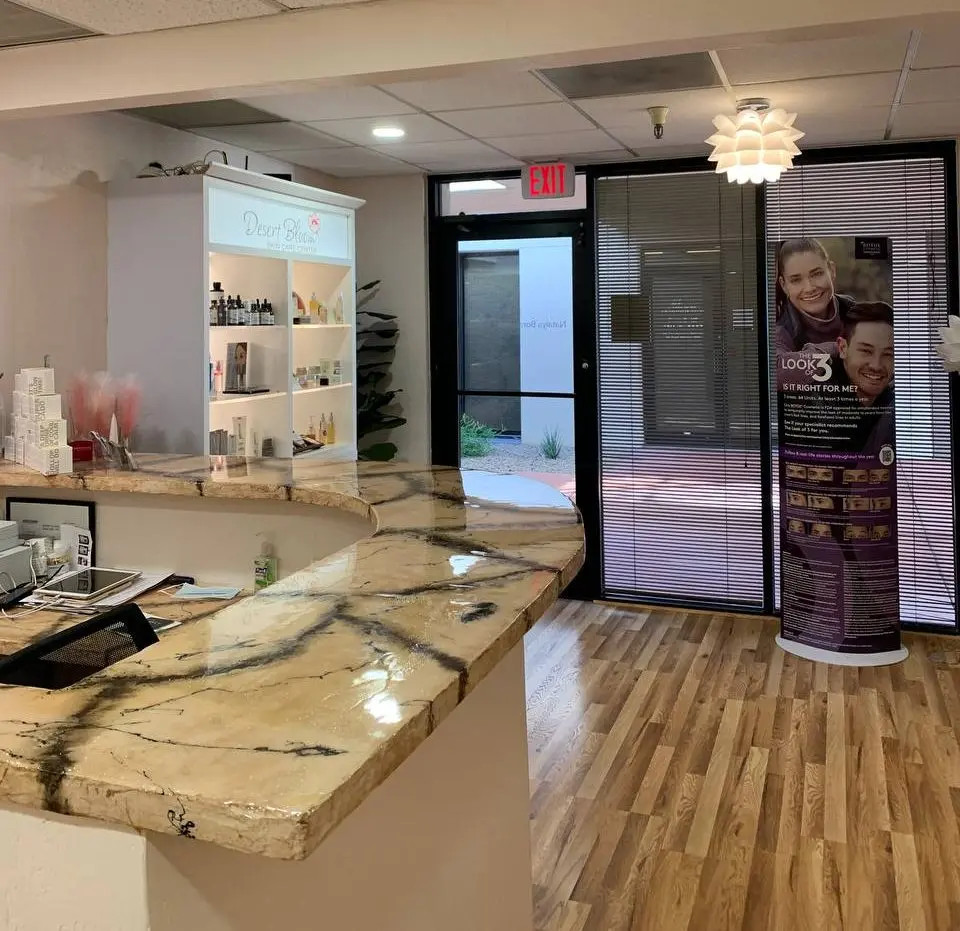
Consultation in skin care clinic

Desert Bloom Skincare Center offers personalized skincare consultation to help you achieve a flawless and radiant complexion. Book your appointment today and let our expert team of skincare professionals address your specific concerns and help you reach your skincare goals.

Visit Our Scottsdale Aesthetic Center

Address

10752 N 89th Place, Suite 122B,
ScottsdaleAZ 85260.

Phone:(480) 567-8180

E-mail:info@desertbloomskincare.com

Get Directions →

Location & Directions

Desert Bloom Skincare is conveniently located in the Shea Corridor of North Scottsdale, within Edwards Professional Park I — minutes from HonorHealth Scottsdale Shea Medical Center and the Mayo Clinic Scottsdale Campus.

↑↓
From the North / South: Take Loop 101 (Pima Freeway) and exit at E Shea Blvd. We are located just East of the freeway.
From Paradise Valley: Head East on E Shea Blvd toward North 90th Street.
P
Parking: Ample free parking is available directly in front of Suite 122B.

Areas We Serve

We proudly provide expert non-surgical rhinoplasty and PDO thread lifts to patients across the Southwest:

  • ScottsdaleNorth Scottsdale · McCormick Ranch · Gainey Ranch
  • Paradise Valley
  • PhoenixArcadia · Biltmore · North Phoenix
  • Fountain Hills
  • Cave Creek & Carefree

Contact usDo you have any questions?