
Soften the Smile Lines, Keep the Smile
Crow's feet — sometimes called laugh lines — fan from the outer corners of the eyes after years of squinting, sun exposure, and natural collagen loss. They begin as dynamic lines that appear only when you smile and gradually settle into static creases visible at rest. Most people notice them in photos before they notice them in the mirror.
At Desert Bloom, Dr. Natalya Borakowski, NMD begins every crow's feet assessment with one question: are your lines still purely dynamic, or have they started to etch into the skin? That answer decides whether the plan is a neuromodulator alone, a neuromodulator paired with RF microneedling, or — for deep, photodamaged lines — a resurfacing escalation.
Crow's feet are one concern within the broader family of wrinkles we address, alongside frown lines and forehead lines. All three route back to the anti-aging hub.
At a Glance
- Primary cause
- Orbicularis oculi contraction + collagen and elastin loss in thin periorbital skin
- First-line plan
- Neuromodulator (Botox, Dysport, or Daxxify) for dynamic lines
- When lines are etched
- Add RF microneedling; CO2 Cool Peel for deep, photodamaged wrinkles
- Downtime
- None for neuromodulators · 24–48 hr redness for RF MN · 3–5 days for CO2 Cool Peel
- Consultation
- 30 minutes with Dr. Borakowski to map dynamic vs static and the right combination
What Are Crow's Feet?
Crow's feet are the wrinkles that spread outward from the outer corners of the eyes. They begin as dynamic wrinkles — visible only when you smile, squint, or laugh — and gradually develop into static wrinkles that remain when your face is fully at rest.
The skin around the eyes is the thinnest on the face, with minimal subcutaneous fat and fewer oil glands than any other region. The outer corners move with almost every facial expression, and each contraction of the orbicularis oculi slowly folds the upper layers of skin along the same lines. Over time, collagen production slows, elastin breaks down, and those folds settle into visible creases.
We classify crow's feet in two stages because the stage decides the treatment. Dynamic crow's feet appear only with movement — address the muscle and the lines soften dramatically. Static crow's feet have etched into the skin itself — the muscle contribution is still there, but now there's structural damage underneath. A careful assessment during your consultation reveals exactly where you stand.
Dynamic Crow's Feet
When a Neuromodulator Is Enough

If your lines disappear when your face relaxes, the orbicularis oculi is doing all the work. A precisely dosed neuromodulator — Botox, Dysport, or Daxxify — relaxes the muscle at the outer canthus and softens the fan pattern without freezing your expressions. Most patients start here and stay here for years.
- Lines only visible when smiling or squinting
- No structural collagen loss yet
- Typical age: late 20s to mid-30s
- Maintenance every 3–6 months depending on product
Static Crow's Feet
When Collagen Rebuild Is Needed

Once lines remain visible between neuromodulator cycles, the problem has shifted from muscle movement to structural collagen loss. RF microneedling delivers radiofrequency energy into the dermis to rebuild collagen around the lateral eye. For deep, photodamaged wrinkles, CO2 Cool Peel resurfaces the surface layer and reaches deeper collagen remodeling than RF can.
- Lines visible at rest, not just in motion
- Periorbital skin shows texture and crepe
- Typical age: mid-30s onward (earlier with sun damage)
- Plan: neuromodulator + RF microneedling, or CO2 Cool Peel for deep lines
Procedures
Treatments for Crow's Feet
Each procedure addresses a different mechanism. We choose between them based on whether your crow's feet are still dynamic, have become static, or have reached the deep, etched stage with surrounding photodamage.

Dynamic · First-line
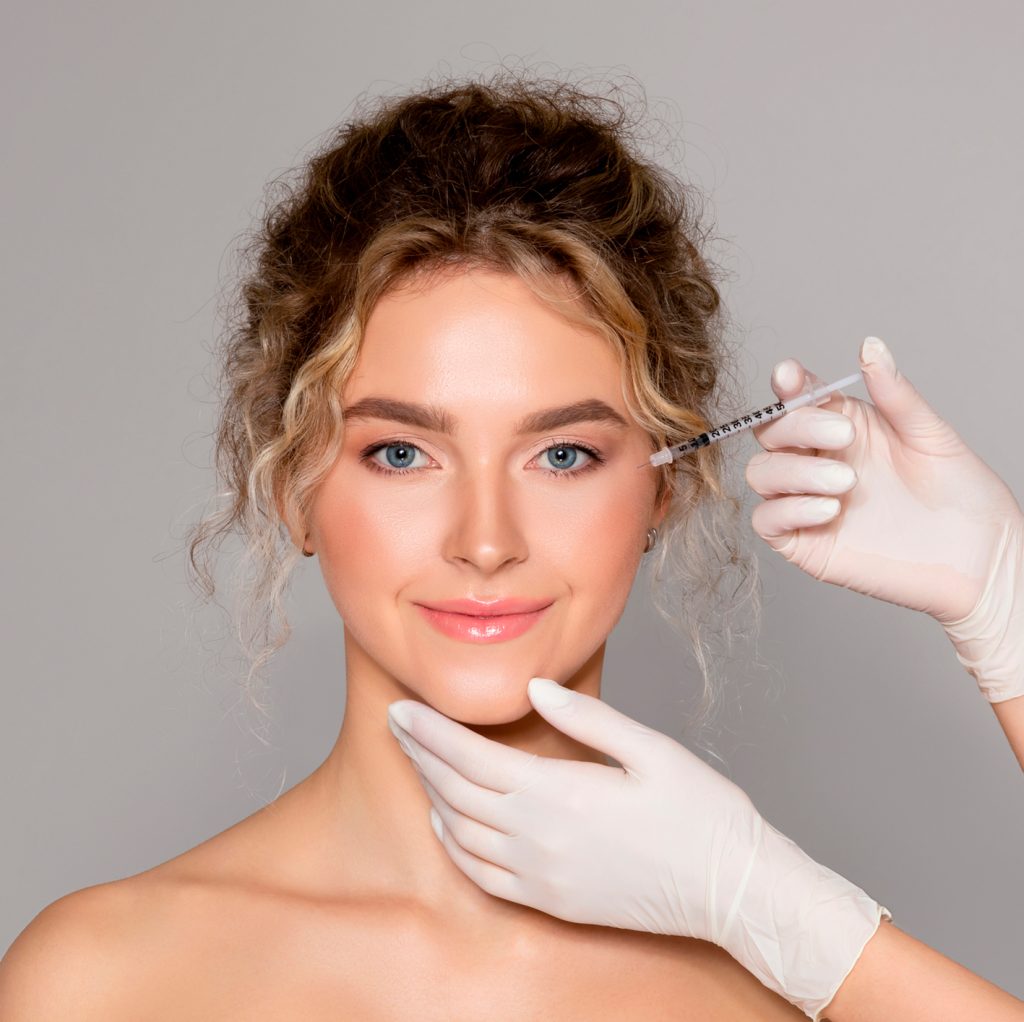
Botox Treatment
Precise botulinum toxin dosing relaxes the orbicularis oculi at the outer canthus. Predictable 3–4 month duration lets Dr. Borakowski titrate around the thin eye area. Typical dose 16 units across both eyes (per Natalya's matrix — 16 for under 30, 20 for 30–45, 24 for 45+).
Dynamic · Wider spread
Dysport
Same botulinum toxin mechanism as Botox with a slightly broader diffusion — useful when crow's feet fan widely across the temple. Duration 3–4 months. Dosing roughly triple Botox units (48 for under 30, 60 for 30–45, 72 for 45+).
Dynamic · 6-month duration
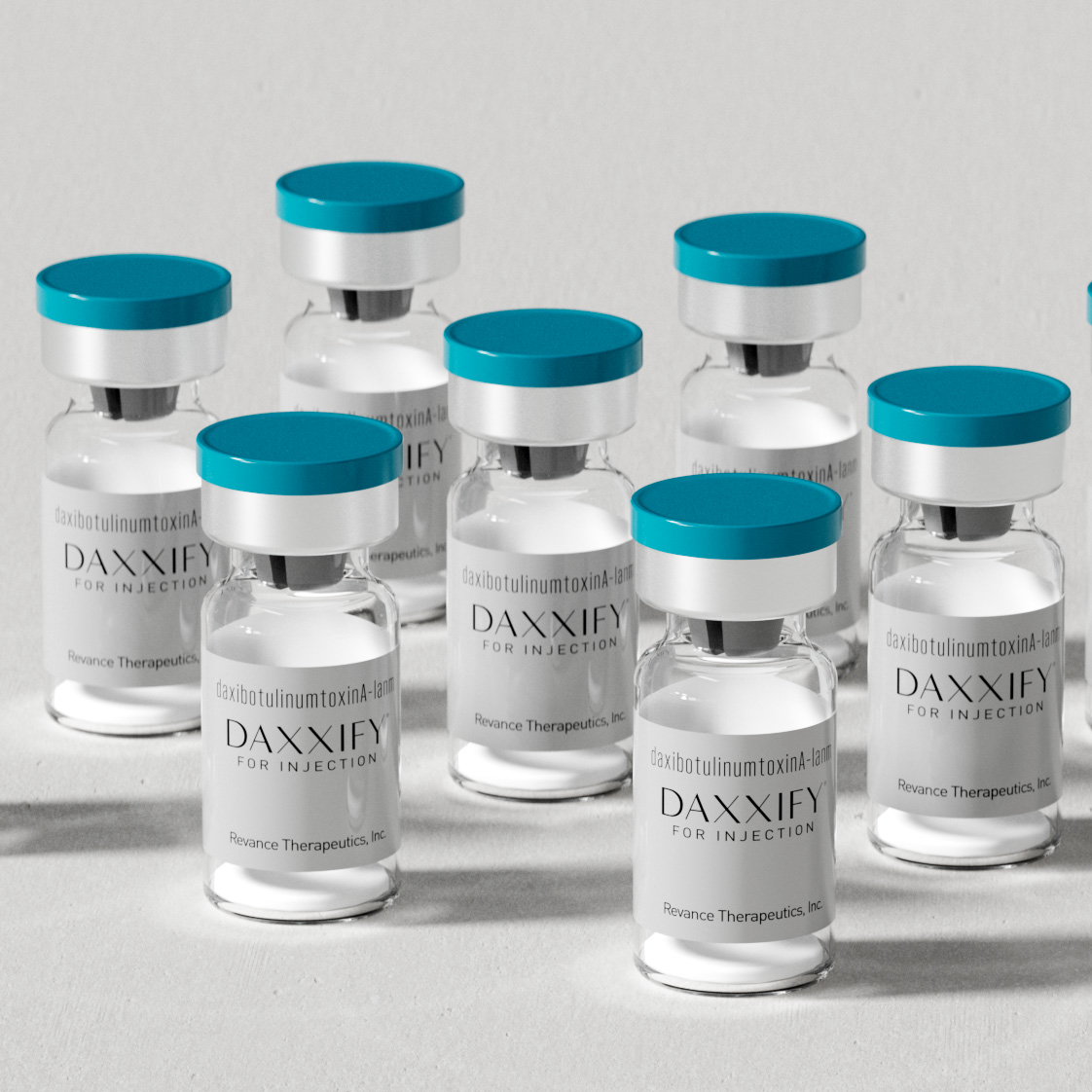
Daxxify
PEG-peptide carrier extends duration of daxibotulinumtoxinA to roughly six months — double a standard Botox cycle. Best for established neuromodulator patients who want fewer visits. Dosing doubles Botox units (32 for under 30, 40 for 30–45, 48 for 45+).

Static · Collagen rebuild
RF Microneedling
Radiofrequency energy delivered through fine needles stimulates new collagen and tightens thin lateral eye skin. Addresses the etched-in line that botulinum toxin alone cannot reverse. Series of 3 sessions 4–6 weeks apart; results develop over 3–6 months. Best paired with a neuromodulator.

Deep lines · Resurfacing
CO2 Cool Peel
Fractional ablative resurfacing for deep crow's feet with periorbital photodamage. Removes damaged surface cells and triggers deeper collagen remodeling than RF can reach. Cool Peel protocol shortens recovery to roughly 3–5 days versus traditional CO2 resurfacing. Single session; reserved for non-first-timers.
Start with what you see
Find your match
Pick the line that sounds most like yours — we'll point you to the right starting procedure.
My lines appear only when I smile or squint.
→See Botox, Dysport, Daxxify — Dynamic crow's feet — neuromodulator alone usually solves it.
StaticLines stay visible even when my face is at rest.
→See RF Microneedling — Static crow's feet — pair a neuromodulator with collagen-stimulating RF microneedling.
Deep + photodamageMy crow's feet are deep with crepey, sun-damaged skin around them.
→See CO2 Cool Peel — Deep periorbital wrinkles with photodamage — CO2 Cool Peel is the right escalation.
First-timeI want a fast first treatment without committing long-term.
→See Botox — Start with Botox — predictable 3–4 month duration lets you adjust.
ReturningI'm an established neuromodulator user and want fewer visits.
→See Daxxify — Daxxify lasts roughly six months — half the visit frequency.
Wide patternMy crow's feet fan widely across my temples.
→See Dysport — Dysport's slightly broader diffusion often suits a wider line pattern.
Neurotoxin Dosing for Crow's Feet
Total units across both eyes, by age group — based on Dr. Borakowski's clinical dosing matrix. Final dose is adjusted in person based on muscle strength and line pattern.
| Botox | Dysport (×3) | Daxxify (×2) | |
|---|---|---|---|
| Under 30 | 16 units | 48 units | 32 units |
| 30–45 | 20 units | 60 units | 40 units |
| 45+ | 24 units | 72 units | 48 units |
| Typical duration | 3–4 months | 3–4 months | 5–6 months |
| Onset | 3–7 days | 2–5 days | 1–2 days (initial); full at 2 weeks |
| FDA status for crow's feet | On-label (lateral canthal lines) | Off-label | Off-label |
Botox
- Under 30
- 16 units
- 30–45
- 20 units
- 45+
- 24 units
- Typical duration
- 3–4 months
- Onset
- 3–7 days
- FDA status for crow's feet
- On-label (lateral canthal lines)
Dysport (×3)
- Under 30
- 48 units
- 30–45
- 60 units
- 45+
- 72 units
- Typical duration
- 3–4 months
- Onset
- 2–5 days
- FDA status for crow's feet
- Off-label
Daxxify (×2)
- Under 30
- 32 units
- 30–45
- 40 units
- 45+
- 48 units
- Typical duration
- 5–6 months
- Onset
- 1–2 days (initial); full at 2 weeks
- FDA status for crow's feet
- Off-label
Crow's Feet — Common Questions
At what age do crow's feet usually start?
How many units of Botox do I need for crow's feet?
What's the difference between dynamic and static crow's feet?
When is CO2 Cool Peel better than RF microneedling?
Can crow's feet be prevented?
Are neuromodulators safe around the eyes?
Does RF microneedling hurt around the eyes?

Medically reviewed by
Founder, Desert Bloom Skincare · 17 Years Experience
References
- 1.
Carruthers JD, Lowe NJ, Menter MA, et al.. A multicenter, double-blind, randomized, placebo-controlled study of the efficacy and safety of botulinum toxin type A in the treatment of glabellar lines. J Am Acad Dermatol; 2002;46(6):840-849.
- 2.
Beer KR.. Comparative evaluation of the safety and efficacy of botulinum toxin type A and topical creams for treating moderate-to-severe glabellar rhytides. Dermatol Surg; 2006;32(2):184-197.
- 3.
Ascher B, Rzany B, Grover R.. Efficacy and safety of botulinum toxin type A in the treatment of lateral crow's feet: double-blind, placebo-controlled, dose-ranging study. Dermatol Surg; 2009;35(10):1478-1486.
- 4.
U.S. Food and Drug Administration.. BOTOX Cosmetic (onabotulinumtoxinA) — Prescribing Information. FDA; updated 2024.
- 5.
Cheles D, Vinshtok Y, Gershonowitz A.. Microneedling With RF-Assisted Skin Penetration Improves the Hard-to-Treat Periorbital Wrinkles. J Cosmet Dermatol; 2024.
DOI: 10.1111/jocd.16559
- 6.
Beleznay K, Carruthers JD, Humphrey S, Jones D.. Avoiding and Treating Blindness From Fillers. Dermatol Surg; 2015;41(10):1097-1117.
Individual results vary. Botox, Dysport, and Daxxify are FDA-approved neuromodulators; use for crow's feet is on-label (Botox for lateral canthal lines) or off-label depending on the specific product and dosing. All procedures discussed on this page are medical and carry some risk of bruising, swelling, asymmetry, or other side effects. Dr. Borakowski reviews the complete list of potential risks during your consultation.
Content reviewed by Dr. Natalya Borakowski, NMD · Last updated June 2026.