
Oily skinProfessional Treatments for Oily Skin at Desert Bloom Skin Care Center
7 professional treatments for oily, acne-prone, and congested skin — matched to your skin type, tone, and concern.
Find Your Treatment
When Shine Shows Up by Noon and Pores Never Close
Oily, shiny by mid-morning despite twice-daily cleansing — that is a skin type, not a hygiene problem. Stripping it with harsh cleansers or alcohol-based toners can disrupt the barrier and make oiliness feel worse — often creating the cycle patients describe as “more shine, more washing, more shine again.”
At Desert Bloom Skincare in Scottsdale, a facial treatment for oily skin is built around regulation, not elimination — deep cleansing that does not strip, peels that dissolve trapped sebum, and laser or infusion facials that calm the oil-breakout cycle at the source. Dr. Natalya Borakowski, NMD, oversees the medical plan; Licensed Aestheticians perform the facials. Which of the seven options below fits your skin is decided during the in-room skin analysis.
Sibling hub: for male-skin protocols, see the men’s skin care hub.
At a Glance
Scope. 7 options for oily, acne-prone, and congested skin. Pricing $55 (teen facial) → $675 (deep Erbium resurfacing).
Provider & candidacy. Dr. Natalya Borakowski, NMD oversees the medical plan; Licensed Aestheticians perform facials. All Fitzpatrick types served — device and depth are matched to phototype at the in-room skin analysis.
Downtime & how to start. Several options carry no required downtime; resurfacing options have the most recovery. Every plan starts with an in-room skin analysis — book a complimentary consultation to identify the right first treatment.
Why Your Skin Produces Too Much Oil
Oily skin is driven mostly by genetics and hormones — sebaceous glands vary in size and activity, and androgens, cortisol, and cycle-linked hormonal shifts push them to produce more sebum. Scottsdale’s climate is a quiet compounding factor: heat lowers sebum viscosity, UV triggers a mild protective oil response, and indoor AC dehydrates the surface while glands keep producing oil underneath.
Overwashing, alcohol-based toners, and harsh scrubs make it worse. When the skin barrier is stripped, dehydration and irritation can make oiliness feel worse on the surface — the rebound cycle many patients notice after aggressive cleansing. Blotting papers can help manage midday shine, but they do not replace a treatment plan for clogged pores, excess sebum, or barrier damage. This is the single most common reason oily skin deteriorates on an aggressive home-care routine.
Genetics & Hormones
Genetics is the primary driver — if your parents had oily skin, your sebaceous glands are likely larger and more active, and there is no changing that baseline, only managing its effects.
Androgens stimulate sebum production, which is why oily skin peaks during puberty, menstrual cycles, pregnancy, and perimenopause. Stress hormones like cortisol also trigger excess oil production — a cycle that worsens when you are already overwhelmed.
Scottsdale’s Climate
High temperatures cause skin to sweat, which mixes with sebum and sunscreen to create that heavy, congested surface feeling. Sun exposure triggers sebaceous glands to ramp up oil production as a protective response — the more time spent outdoors in Scottsdale’s sun, the oilier skin may become.
Indoor air conditioning adds another layer: it dehydrates the skin surface while sebaceous glands keep producing oil underneath, creating a combination of surface dryness and oil that confuses product choices.
Wrong Products & Overwashing
Using harsh cleansers, alcohol-based toners, or washing four or five times daily strips surface oil and triggers sebum rebound — your skin compensates by producing even more oil than before.
Skipping moisturizer has the same effect: when the skin surface is dehydrated, sebaceous glands overcompensate with excess oil to restore balance. Heavy, pore-clogging creams compound the problem differently — they trap sebum rather than hydrating without adding oil.
Diet & Lifestyle
While genetics and hormones are primary, lifestyle factors can push oily skin from manageable to overwhelming. High-glycemic foods, dairy, chronic stress, and inadequate sleep have all been associated with increased sebum production.
These don’t cause oily skin independently — but they can make an already oily skin type harder to control between professional treatments and home care routines.
Who This Page Is For
Adults and teens in Scottsdale with excess oil production, T-zone shine, visible pores, or oily skin that repeatedly develops clogged pores and breakouts. Severe cystic acne needs dermatology first. For male-coded oily skin queries, our oily skin treatment for men hub is the routing entry — same seven treatments apply with male-skin protocol adjustments (higher sebum output, beard-zone congestion, thicker dermis).
Classic signs of oily skin: visible shine across the T-zone — forehead, nose, chin — within a few hours of washing; enlarged pores, especially on the nose and inner cheeks; makeup that slides or disappears by midday; frequent blackheads and clogged pores that develop into breakouts; skin that feels greasy or heavy; blotting papers that pick up visible oil within an hour or two.
Oily vs. combination skin: if your cheeks stay relatively dry while your T-zone shines, you may have combination skin rather than fully oily. The distinction matters — treatment approaches differ. A skin assessment identifies which type you’re dealing with, so you’re not addressing the wrong concern.
Treatment Grid — 7 Oily-Skin Facials and Lasers
Seven options, ordered by how often patients with oily skin start on them. Each card names the one thing it does that home products cannot.
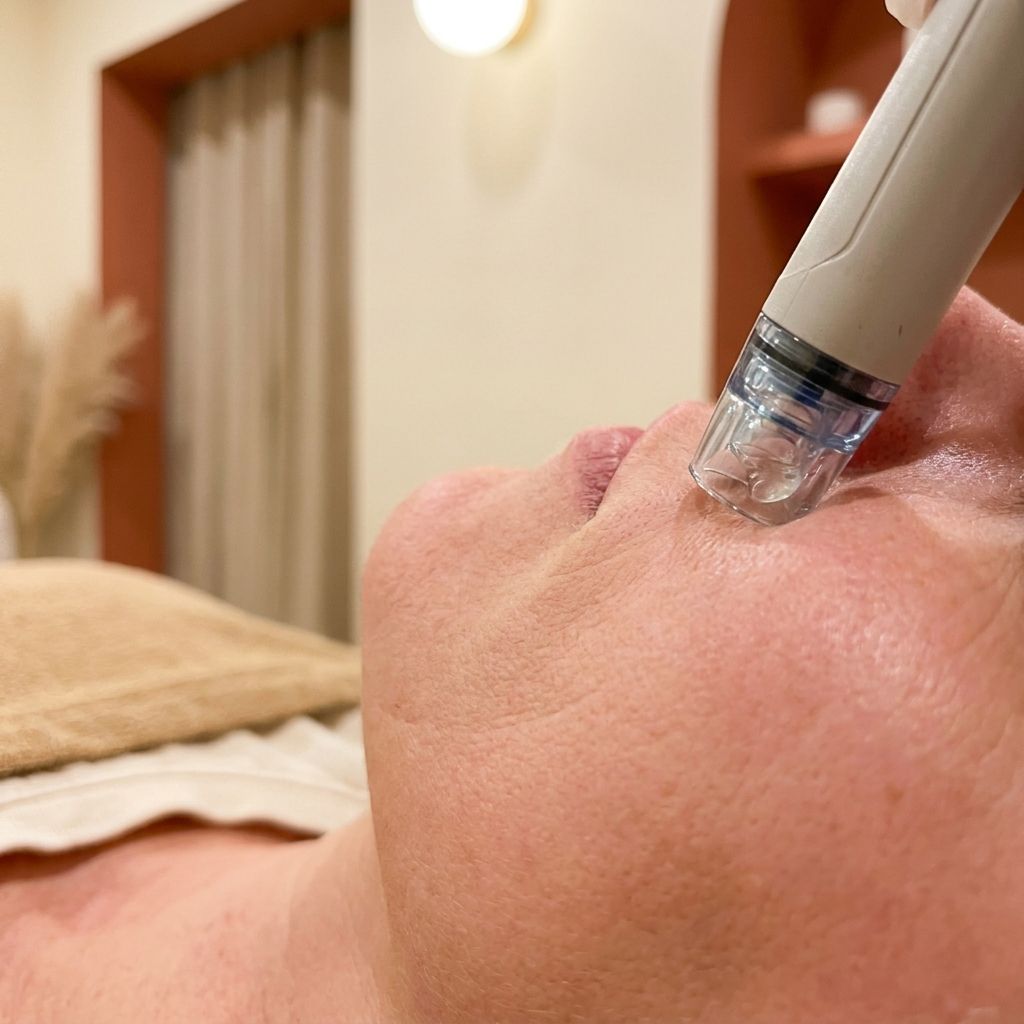
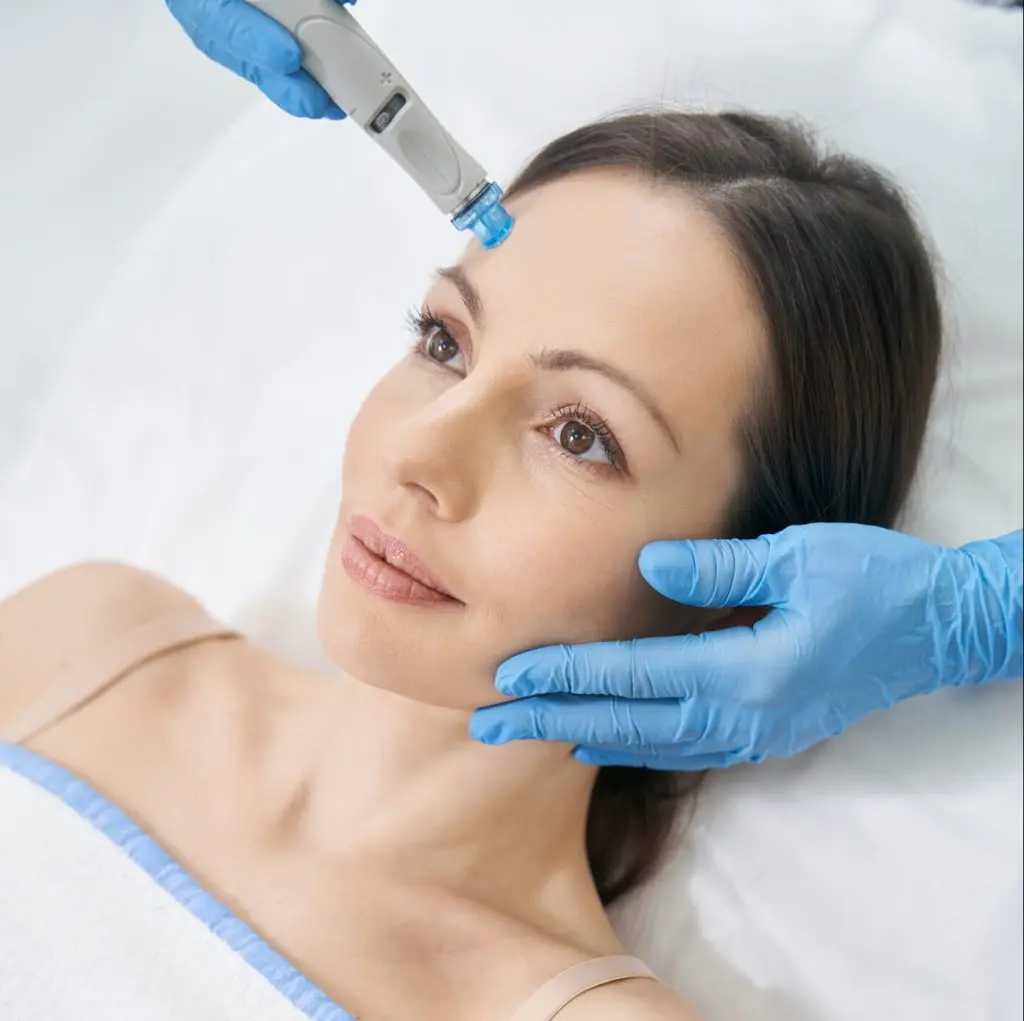
What makes it distinct: the HydraFacial MD Vortex-Fusion system (BeautyHealth) extracts sebum and debris from inside pores using vortex suction — without aggressive manual squeezing — while infusing a balancing serum. Deeply cleanses AND hydrates in one step.
Choose this if: primarily oily, no active cystic breakouts, want something repeatable every 4–6 weeks.Starting at $149 · See HydraFacial for oily skin →
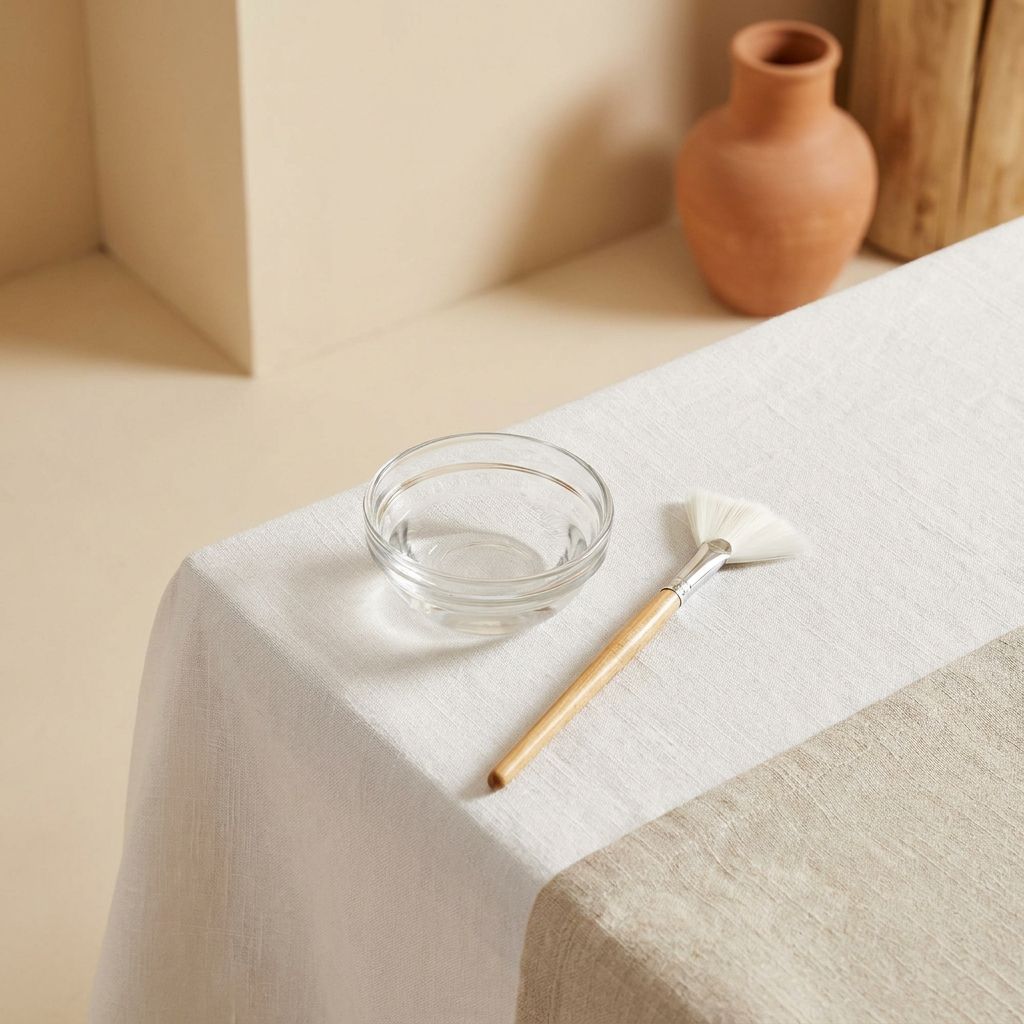
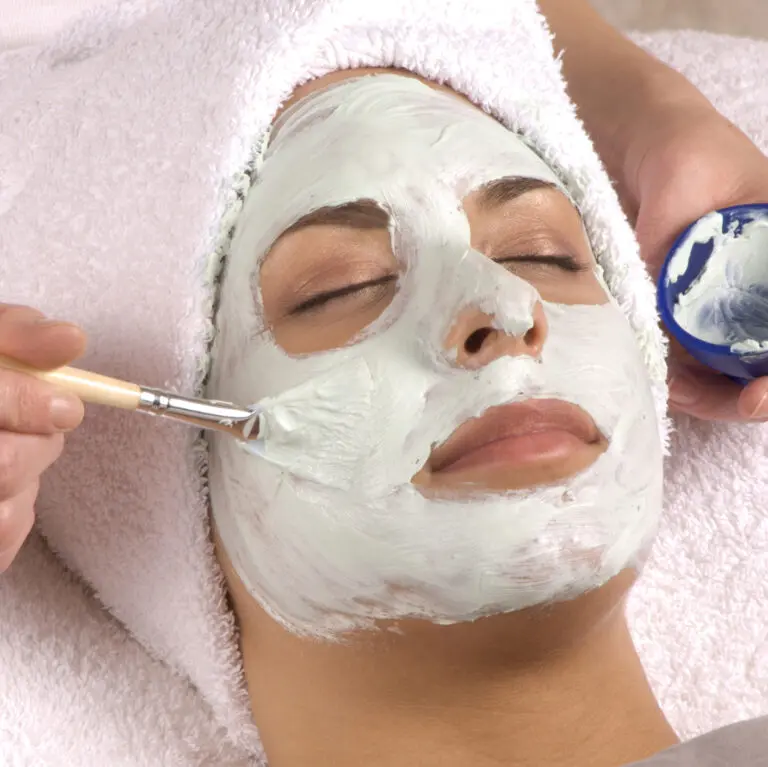
What makes it distinct: salicylic acid (BHA) is oil-soluble — it penetrates into the sebum inside the pore and dissolves buildup that water-based actives cannot reach. PCA Skin and Dermaquest peels at superficial-to-medium depth; deep phenol peels are not offered.
Choose this if: pores feel blocked no matter what you use, or texture has returned after HydraFacials alone.$125 per 45-min session · See custom chemical peel for oil control →
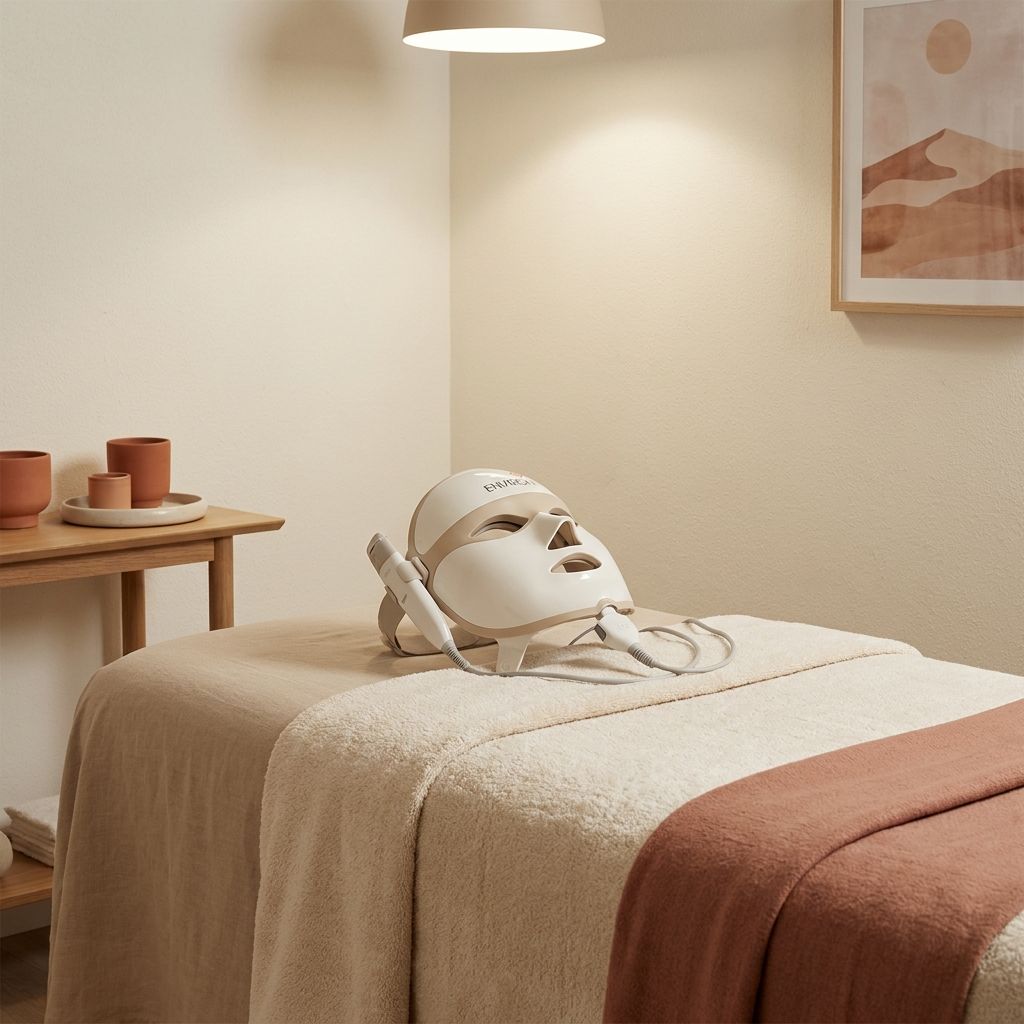
What makes it distinct: the Environ DF device combines galvanic current (iontophoresis) and low-frequency ultrasound (sonophoresis) to drive Vitamin A, Vitamin C, peptides, and CoQ10 into the skin. Rebuilds the barrier while normalizing sebum rather than stripping.
Choose this if: your oily skin is reactive, sensitized, or peels/HydraFacials have made things worse. Note: heavy closing mask — not recommended if claustrophobic.$249 · 4–6 sessions · See Flawless Skin iontophoresis + sonophoresis →
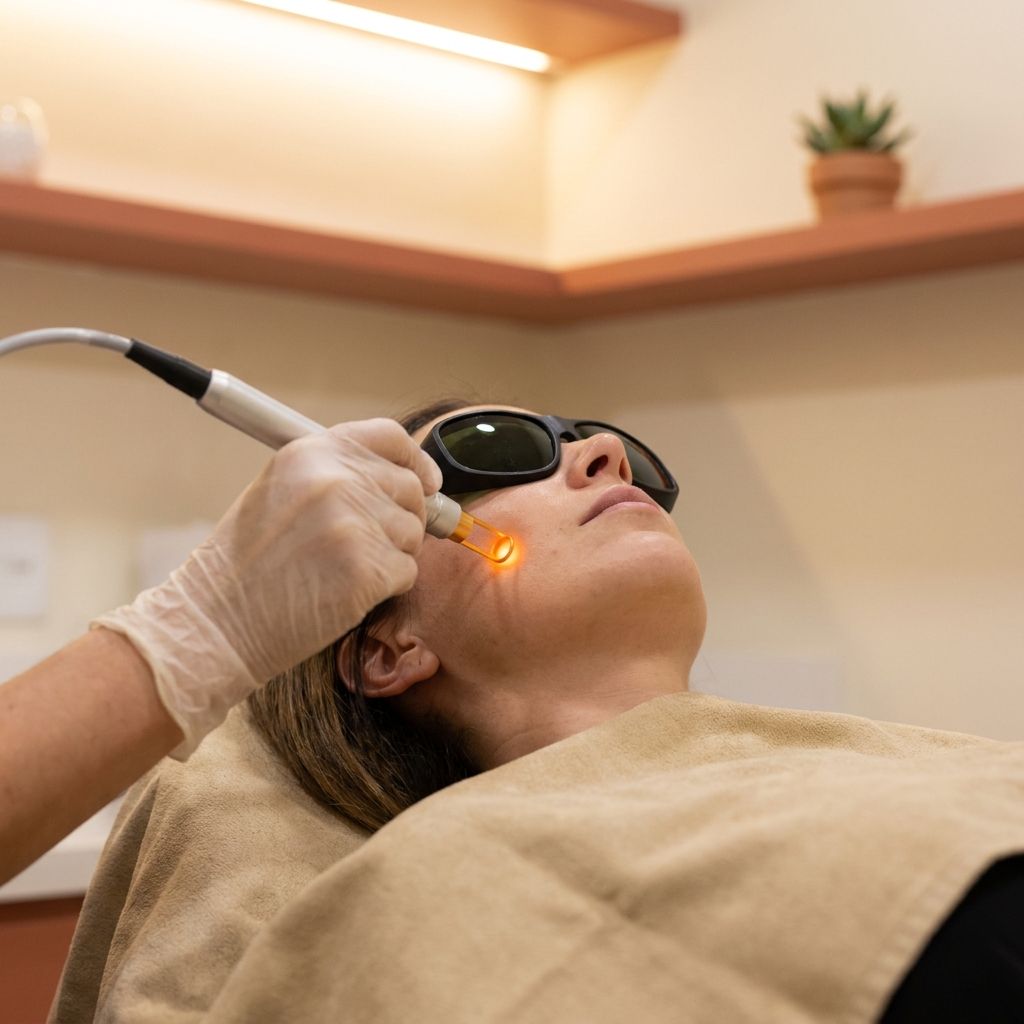
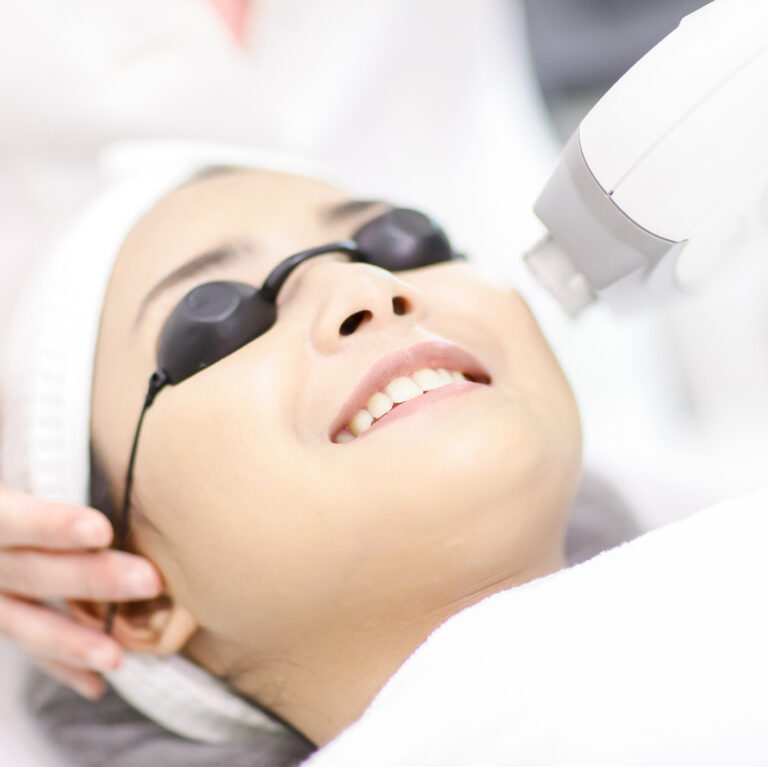
What makes it distinct: the Elluminate Mini uses Nd:YAG 1064 nm on the Quanta Q-Plus, a wavelength commonly selected for safer treatment across Fitzpatrick I–VI when settings are matched to skin type. No required downtime. The only laser option on this hub appropriate for Fitzpatrick IV–VI.
Choose this if: want a laser-grade approach to oily/acne-prone skin; medium-to-deep tone; no-downtime finish.$275 per session · 5-session package $1,075 · See laser facial for oily skin →
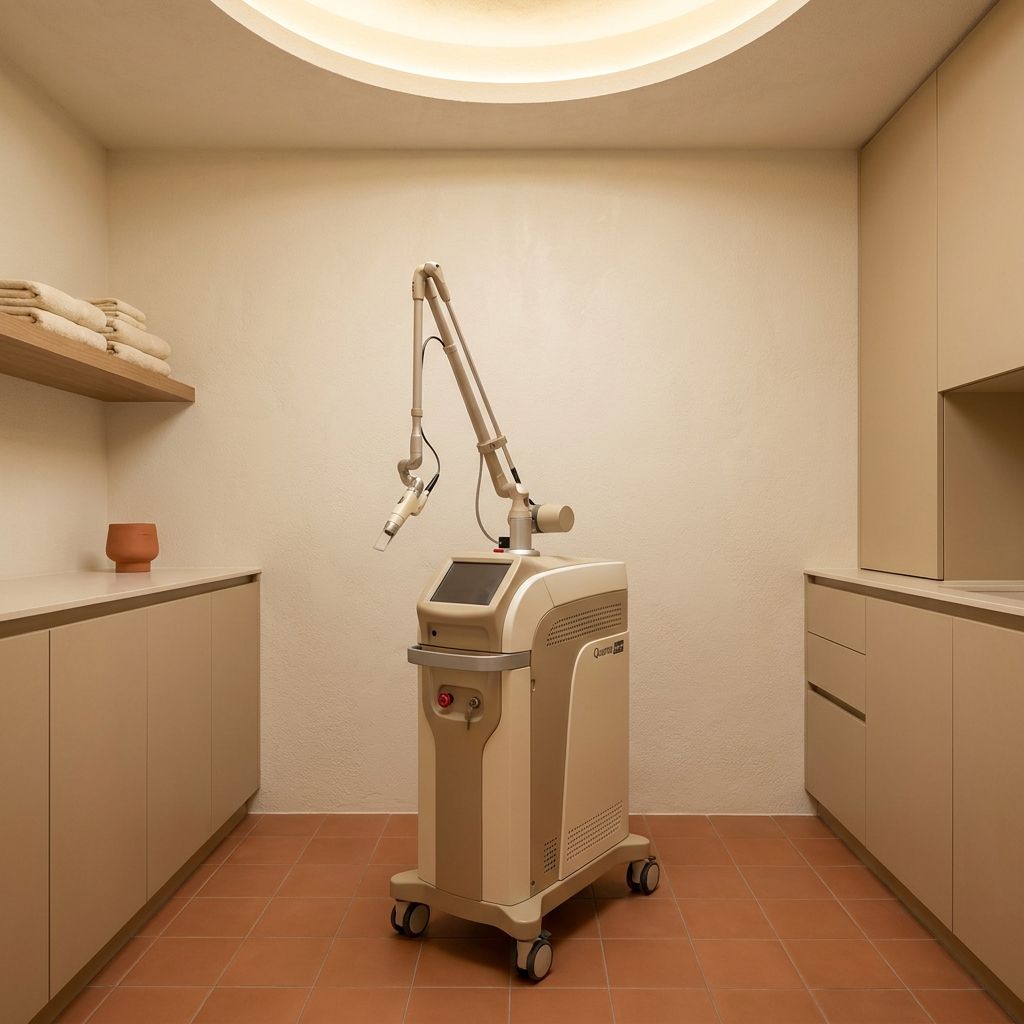
What makes it distinct: Quanta EVO Erbium resurfaces at superficial-to-medium depth for scar remodeling, heals faster than CO2. Best for Fitzpatrick I–III; higher phototypes route to Elluminate Mini first.
Choose this if: old acne scars from years of oily-skin breakouts, Fitzpatrick I–III.Fractional $275 · Deep $675 · Typically 3 sessions · See Erbium laser resurfacing →
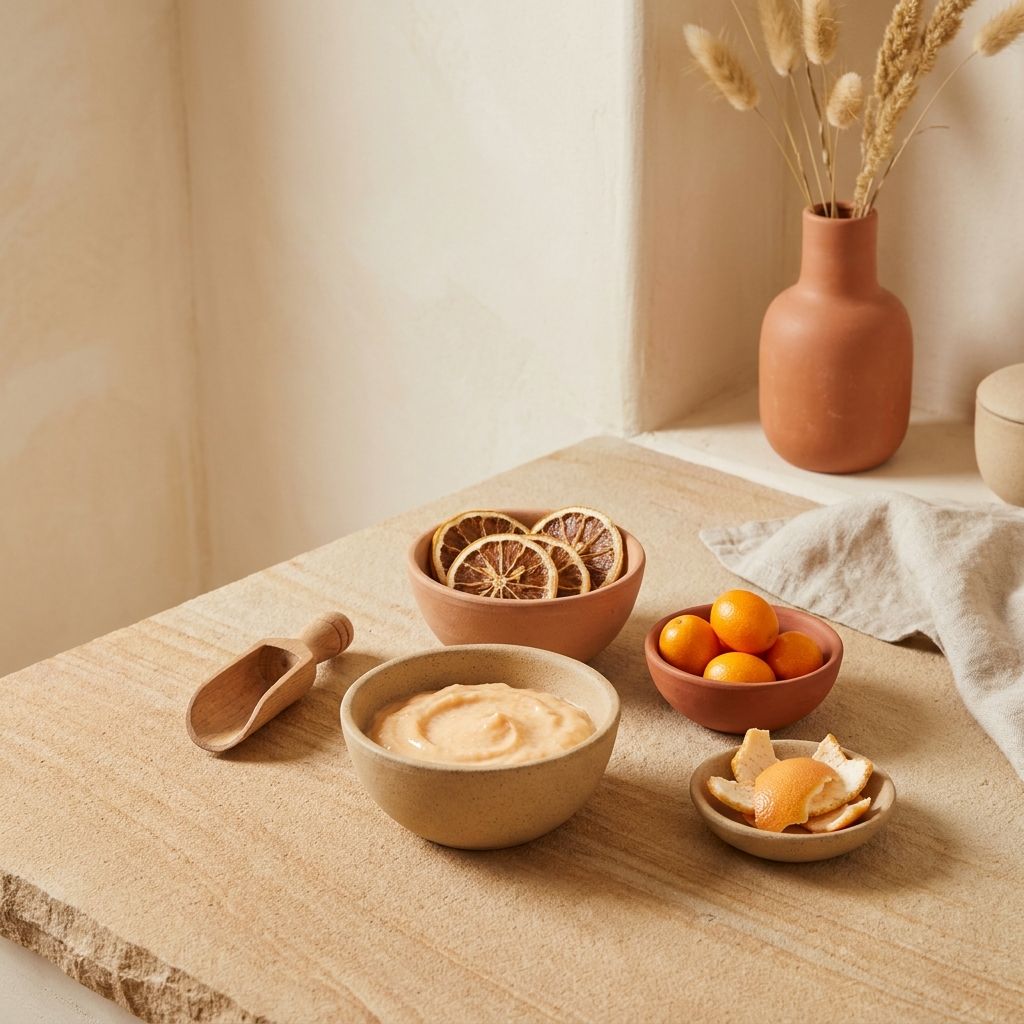
What makes it distinct: a 7-step protocol with farm-sourced AHA fruit enzymes (papaya, pineapple, citrus), CBD pressure-point massage, and a custom botanical mask. Oil-balancing without suction, devices, or aggressive exfoliation.
Choose this if: acids irritate you, you react to fragrance, or you prefer a botanical approach.60 min $100 · 90 min $135 · See organic signature facial →
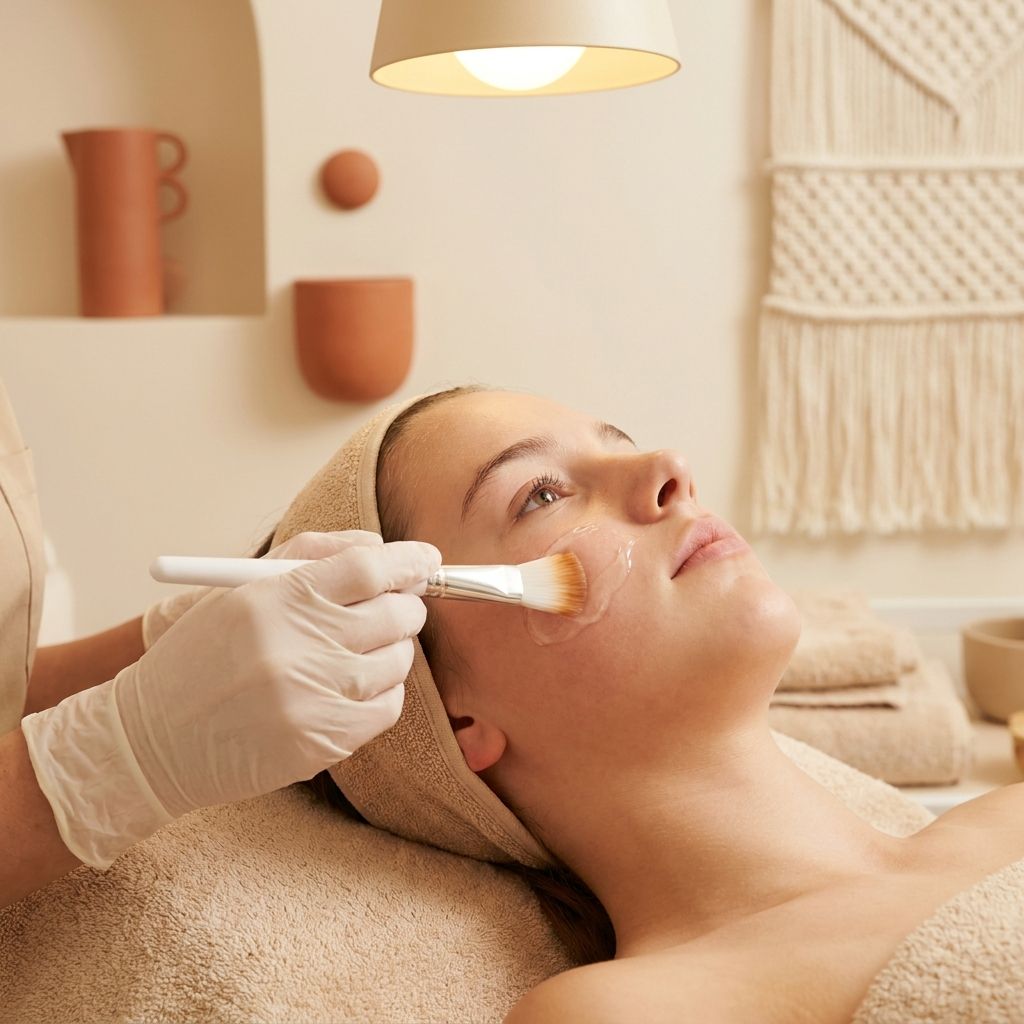
What makes it distinct: a 30-minute enzyme peel (papain/bromelain or Detox gel) + gentle extractions + high-frequency ozone — built for adolescent skin. For severe teen acne, we upgrade to Detox Acne Treatment; this facial is the starter.
Choose this if: patient is 13–18, oily, newly breaking out. Parents welcome first visit.$55 · New acne: every 2 weeks × 2–3 visits, then monthly · See teen facial →
How to Choose Your First Oily-Skin Treatment
For people with oily skin, the right starting point depends less on shine alone and more on whether the skin is congested, inflamed, scarred, sensitive, or barrier-damaged. At home, many do better with a lightweight oil-free moisturizer instead of skipping moisturizer completely. The quickest filter is what is bothering you most right now:
Surface shine & maintenance
Skin is primarily oily with no active breakouts or barrier damage.
Congestion & clogged pores
Pores feel persistently blocked; texture doesn’t clear with facials alone.
Reactive, barrier-damaged, or over-stripped
Oily but also irritated, sensitized, or worsened by past aggressive treatments.
Laser, teen & male-specific
Laser-curious patients, adolescents, or male-coded oily skin.
Most patients combine two: a peel or HydraFacial every 4–6 weeks, plus a laser facial every 8–12 weeks. The first skin analysis identifies skin type, sebum pattern, Fitzpatrick type, and barrier status — and the aesthetician recommends which of the seven to start on.
Safety and Candidacy Across the Grid
Oily skin is not itself a contraindication, but individual treatments have specific safety notes the spoke pages cover in detail.
Fitzpatrick IV–VI: Erbium resurfacing is not first-line — route to Elluminate Mini or non-laser options.
Active cystic or pustular acne: HydraFacial and chemical peel deferred until inflammation calms; start with dermatology for severe cystic cases.
Claustrophobia: the Flawless Skin Facial closes with a heavy mask — not recommended.
Recent isotretinoin (Accutane): peels, lasers, resurfacing deferred 6–12 months.
Pregnancy: some actives deferred; Organic Signature Facial may be modified without CBD after in-room screening.
Recent sunburn, broken skin, active herpes outbreak: all treatments deferred.
Frequently asked questions
How much does a facial treatment for oily skin cost in Scottsdale?
Starting prices run $55 (teen) to $675 (deep Erbium). Most maintenance patients are on HydraFacial ($149) or Custom Chemical Peel ($125). See the full price list at /price-list/ for current packages.Which is the best facial treatment for large pores and oily skin?
The Custom Chemical Peel with BHA — salicylic acid is oil-soluble and penetrates into the pore to dissolve trapped sebum. HydraFacial works well as monthly maintenance between peels.Is laser treatment safe for oily skin on darker skin tones?
Yes — the Elluminate Mini uses Nd:YAG 1064 nm on the Quanta Q-Plus, a wavelength commonly used safely across Fitzpatrick I–VI when settings are matched to skin type. Erbium resurfacing is generally reserved for lighter phototypes (I–III).What about oily skin treatment for men?
The seven treatments above are used on all genders. Men typically have higher sebum output and thicker skin; the /mens-skin-care/ hub is the male-specific entry point with male-skin protocol notes.How often should I repeat a facial for oily skin?
Every 4–6 weeks for HydraFacial or Custom Chemical Peel. Laser facials every 3–4 weeks during a series, then monthly. Teen facials every 2 weeks × 2–3 visits, then every 4 weeks.Will a facial strip my skin and cause more oil?
A well-designed professional facial does the opposite. Stripping triggers sebum rebound. Every option on this grid is built around balance — HydraFacial extracts without scrubbing, peels include hydration, Environ rebuilds the barrier, lasers target oil glands without surface damage.Your Oily-Skin Medical Oversight

“Oily skin is a skin type to work with, not a problem to strip away. When we regulate from within, the surface follows.”
Dr. Natalya Borakowski, NMD, is the medical director at Desert Bloom Skincare. With a naturopathic background in cell biology and genetics, she evaluates oily skin as a physiological pattern — hormonal, barrier-related, and lifestyle-driven. She oversees device selection, peel depth, and combination protocols across the seven options on this hub. Facials are performed by our Licensed Aesthetician team under her direction.
Book Your Oily Skin Assessment in Scottsdale
Every oily-skin plan at Desert Bloom starts with an in-room skin analysis — Fitzpatrick type, barrier status, sebum pattern, history. From there we choose one of the seven treatments (or a pair) and build a maintenance cadence that fits your skin and schedule.
Consultations are complimentary. No obligation to book a treatment on the same visit.
Individual results vary. Information on this hub is educational and not a substitute for in-person clinical assessment. See each spoke page for full protocol, candidacy, and aftercare detail.
References
- “An update on the role of the sebaceous gland in the pathogenesis of acne.” Dermato-Endocrinology. 2011. DOI(PMID 21519409)
- “Sebaceous gland lipids.” Dermato-Endocrinology. 2009. DOI(PMID 20224686)
- “Glycerol and the skin: holistic approach to its origin and functions.” British Journal of Dermatology. 2008. DOI(PMID 18510666)
- “European evidence-based (S3) guideline for the treatment of acne — update 2016.” Journal of the European Academy of Dermatology and Venereology. 2016. DOI(PMID 27514932)
- “Efficacy and safety of azelaic acid (AzA) gel 15% in the treatment of post-inflammatory hyperpigmentation and acne: a 16-week, baseline-controlled study.” Journal of Drugs in Dermatology. 2011. (PMID 21637899)
Oily skin
- Custom chemical peel$10045 minutes
- Erbium Laser Resurfacing$275-$67545 minutes and up
- HydraFacial$199-$29945 minutes and up
- Iontophoresis Facial Scottsdale AZ | No Downtime Results$24990 min
- Laser facial$27560 minutes
- Organic Desert Bloom Signature Facial$100-$13560 minutes and up
- Teen facial$5530 minutes
Consultation in skin care clinic
Desert Bloom Skincare Center offers personalized skincare consultation to help you achieve a flawless and radiant complexion. Book your appointment today and let our expert team of skincare professionals address your specific concerns and help you reach your skincare goals.
Visit Our Scottsdale Aesthetic Center
Address
10752 N 89th Place, Suite 122B,Scottsdale, AZ 85260.
Phone:(480) 567-8180
E-mail:info@desertbloomskincare.com
Get Directions →Location & Directions
Desert Bloom Skincare is conveniently located in the Shea Corridor of North Scottsdale, within Edwards Professional Park I — minutes from HonorHealth Scottsdale Shea Medical Center and the Mayo Clinic Scottsdale Campus.
Areas We Serve
We proudly provide expert non-surgical rhinoplasty and PDO thread lifts to patients across the Southwest:
- ScottsdaleNorth Scottsdale · McCormick Ranch · Gainey Ranch
- Paradise Valley
- PhoenixArcadia · Biltmore · North Phoenix
- Fountain Hills
- Cave Creek & Carefree