
Desert Bloom Skincare

Tag

Dehydration

Your Skin Isn’t Dry — It’s Thirsty Dehydrated skin is a water deficit, not an oil deficit — and the distinction matters. Dehydration is a temporary, correctable state that can affect oily, combination, and normal skin types just as readily as dry. When the epidermis lacks water, skin feels tight after cleansing, fine lines look […]

See all treatments
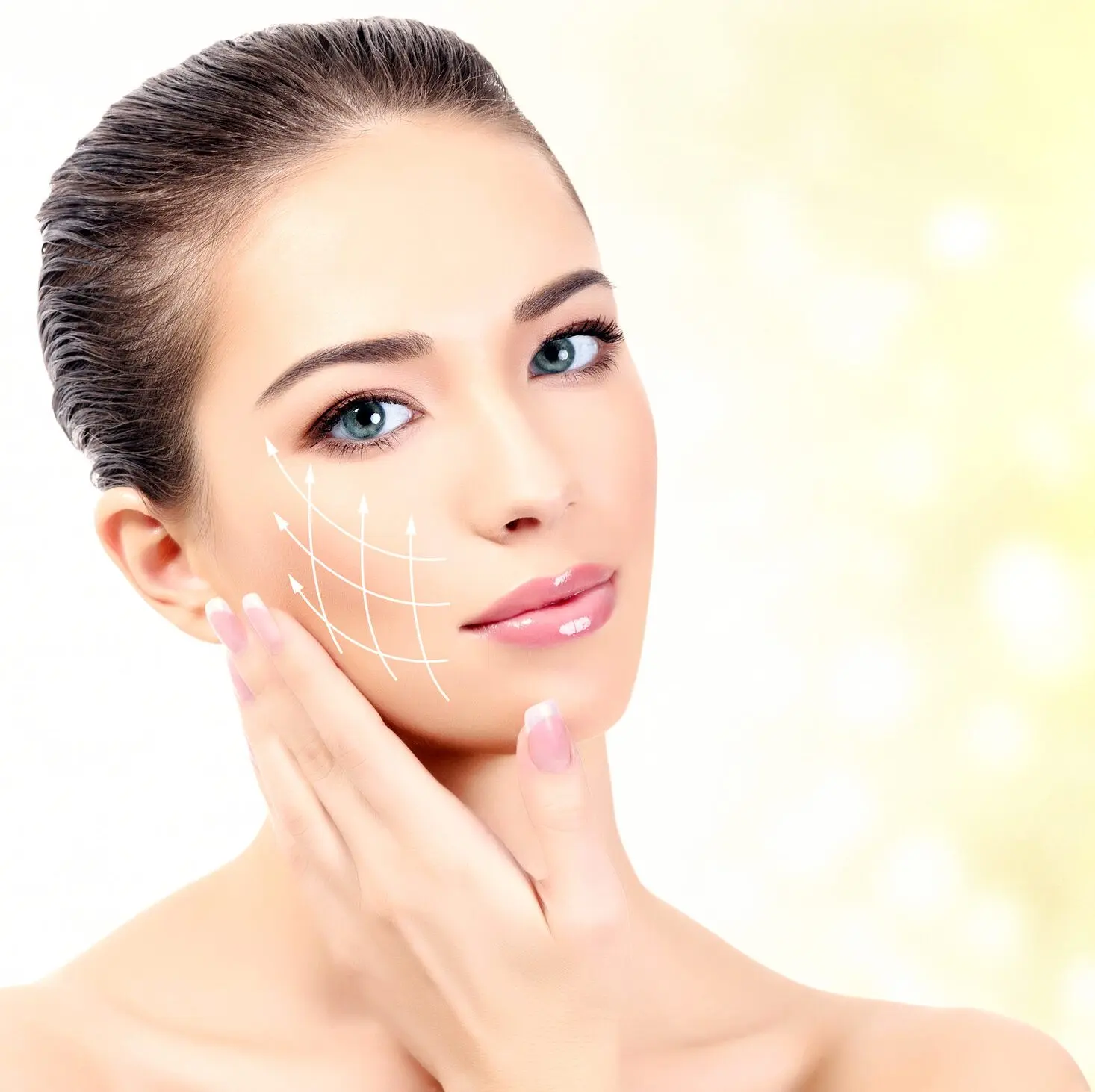
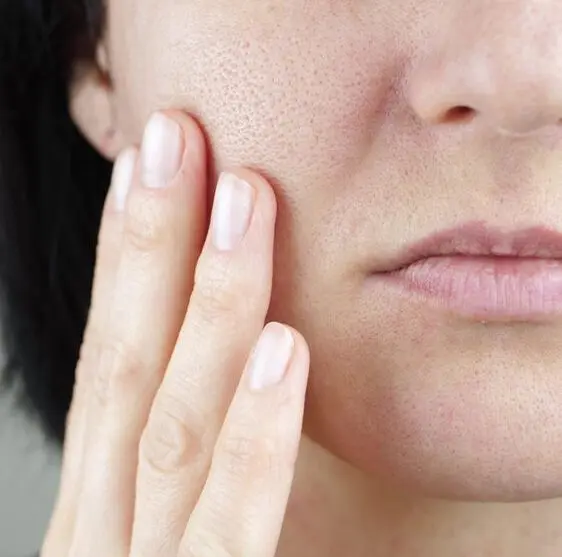
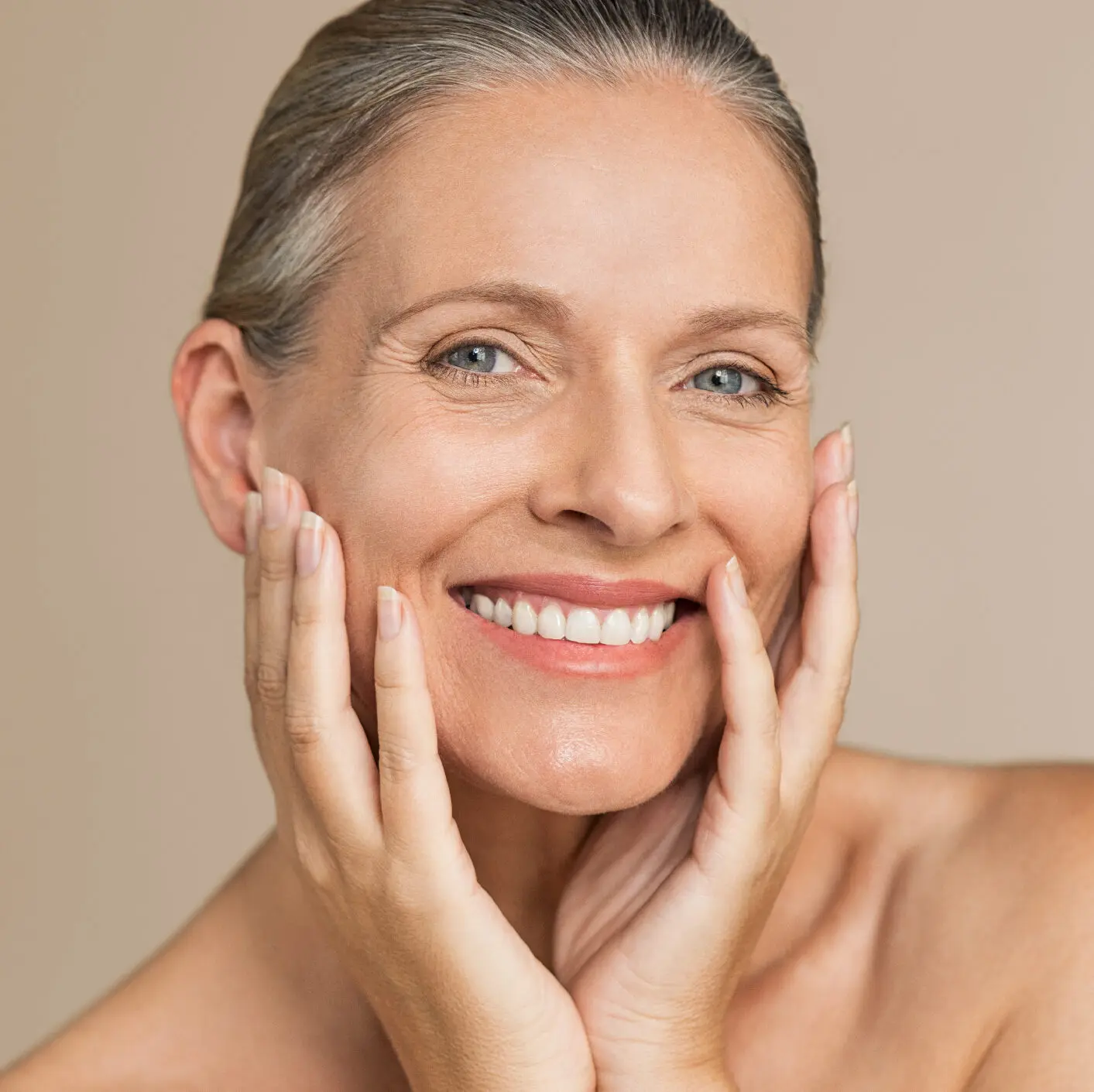
Dehydrated skin — fine lines and tightness at Desert Bloom Skincare Scottsdale

Your Skin Isn't Dry — It's Thirsty

Dehydrated skin is a water deficit, not an oil deficit — and the distinction matters. Dehydration is a temporary, correctable state that can affect oily, combination, and normal skin types just as readily as dry. When the epidermis lacks water, skin feels tight after cleansing, fine lines look worse than they are, makeup settles into texture, and the surface stops reflecting light evenly. Dry skin, by contrast, is a structural lipid deficit — a skin type, not a passing condition. The right treatment route depends on which one you actually have, and most patients have some combination.

At Desert Bloom Skincare in Scottsdale, Dr. Natalya Borakowski, NMD maps what is driving the water loss before recommending treatment. Arizona's climate — persistent low humidity compounded by indoor air conditioning — is the single biggest accelerant we see. HydroGlass Facial, HydraFacial, Iontophoresis, Salmon DNA, and SkinVive each address dehydration through a different mechanism, and the right choice depends on whether the issue is acute (climate, post-flight, post-peel) or chronic (declining HA production, persistent barrier compromise).

Related concerns: Dry Skin for lipid-deficit guidance, and Dullness when flat tone is the dominant symptom.

At a Glance

Scope
Five in-clinic hydration treatments — surface infusion, transdermal delivery, and intradermal HA — plus a routing framework for acute vs chronic dehydration.
Price range
From $85 (mesotherapy single session) to $650 (SkinVive). HydroGlass and HydraFacial start at $299; iontophoresis $249; salmon DNA $350.
Provider
Dr. Natalya Borakowski, NMD oversees the medical plan; Licensed Aestheticians perform the facial protocols.
Candidacy
All Fitzpatrick types and all skin types — including oily and combination. Dehydration is not exclusive to dry skin.
Downtime
None for HydraFacial, HydroGlass, and iontophoresis. Mild swelling 24–48 hrs for SkinVive. Pinpoint marks 24 hrs for salmon DNA.
How to start
A complimentary in-room skin analysis identifies whether the dehydration is acute or chronic, and which mechanism the right treatment addresses.

Start here

Dehydrated Skin vs Dry Skin — Different Conditions, Different Fixes

Dehydrated skin lacks water in the epidermis — a temporary state that fluctuates with season, environment, and habits. Dry skin lacks sebum at a structural level — a skin type you are born with. Symptoms overlap (tightness, dullness, sometimes flaking) but the treatment logic is different. Dehydration responds to humectants, barrier repair, and in-clinic hydration. Dry skin needs lipid-rich moisturizers as a long-term protocol. A practical self-check: if a hydrating serum plus moisturizer still leaves skin feeling tight two hours later, dehydration is the driver — water is not being retained, and a richer cream alone will not fix it.

Start with the dominant driver

Four Drivers of Skin Dehydration

Match the symptom you notice most to the pathway that addresses it. Most patients present with two or more drivers stacked — the consult identifies the primary and any secondary.

Five core options

Treatments for Dehydrated Skin at Desert Bloom

Five professional treatments address skin dehydration through different mechanisms — from surface infusion to intradermal HA delivery. The right choice depends on dehydration severity, skin type, and whether the goal is an immediate result or a lasting internal correction.

HydroGlass Facial (HydroPeptide)

From $299 · Zero downtime

HydroGlass Facial (HydroPeptide)

A HydroPeptide-based 3-step protocol: dual-acid resurface, peptide-rich infusion, and a finishing hydration mask. Visible plumpness and luminosity same day. Strong fit for event-prep and patients who want clinical-grade hydration without injectables or downtime.

See HydroGlass details

From $299 · Zero downtime

HydraFacial

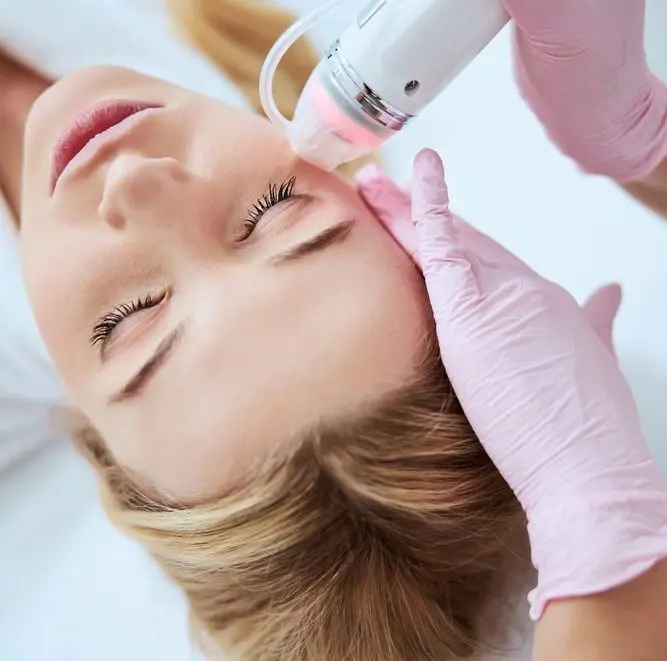
Three-step vortex-fusion: cleanse, extract, infuse. Delivers hyaluronic acid, antioxidants, and peptide serums directly into a freshly cleared pore. Strongest for active dehydration with congestion or uneven texture; an excellent monthly maintenance option in Arizona's climate.

See HydraFacial details
Iontophoresis Facial

$249 · Zero downtime

Iontophoresis Facial

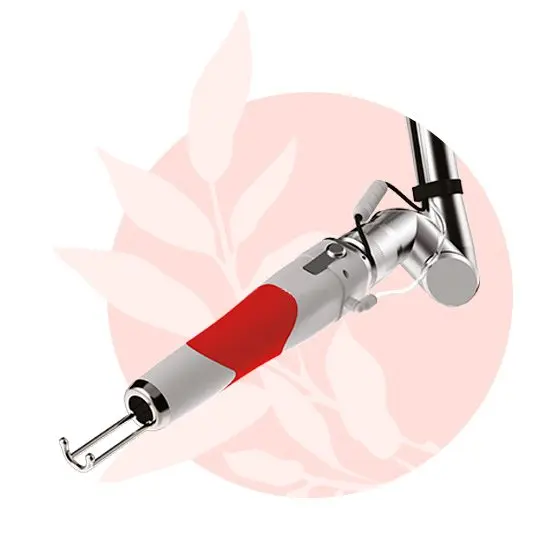
Low-level electrical current temporarily widens skin channels so hydrating actives (HA, vitamin C, peptides) penetrate deeper than topical application allows. Needle-free injectable-depth delivery. A good maintenance option between mesotherapy or SkinVive sessions, or for patients who want results without injections.

See Iontophoresis details
Salmon DNA Facial (LumEnvy PDRN)

$350 · Minimal downtime

Salmon DNA Facial (LumEnvy PDRN)

Polydeoxyribonucleotide derived from salmon DNA activates the A2A adenosine receptor pathway, stimulating fibroblast activity and endogenous HA and collagen production. Addresses dehydration biologically — improving the skin's ability to produce and retain water rather than simply adding it. Best for barrier-compromised or aging skin with fine lines.

See Salmon DNA details
SkinVive by JUVÉDERM

$650 · 24–48 hrs swelling

SkinVive by JUVÉDERM

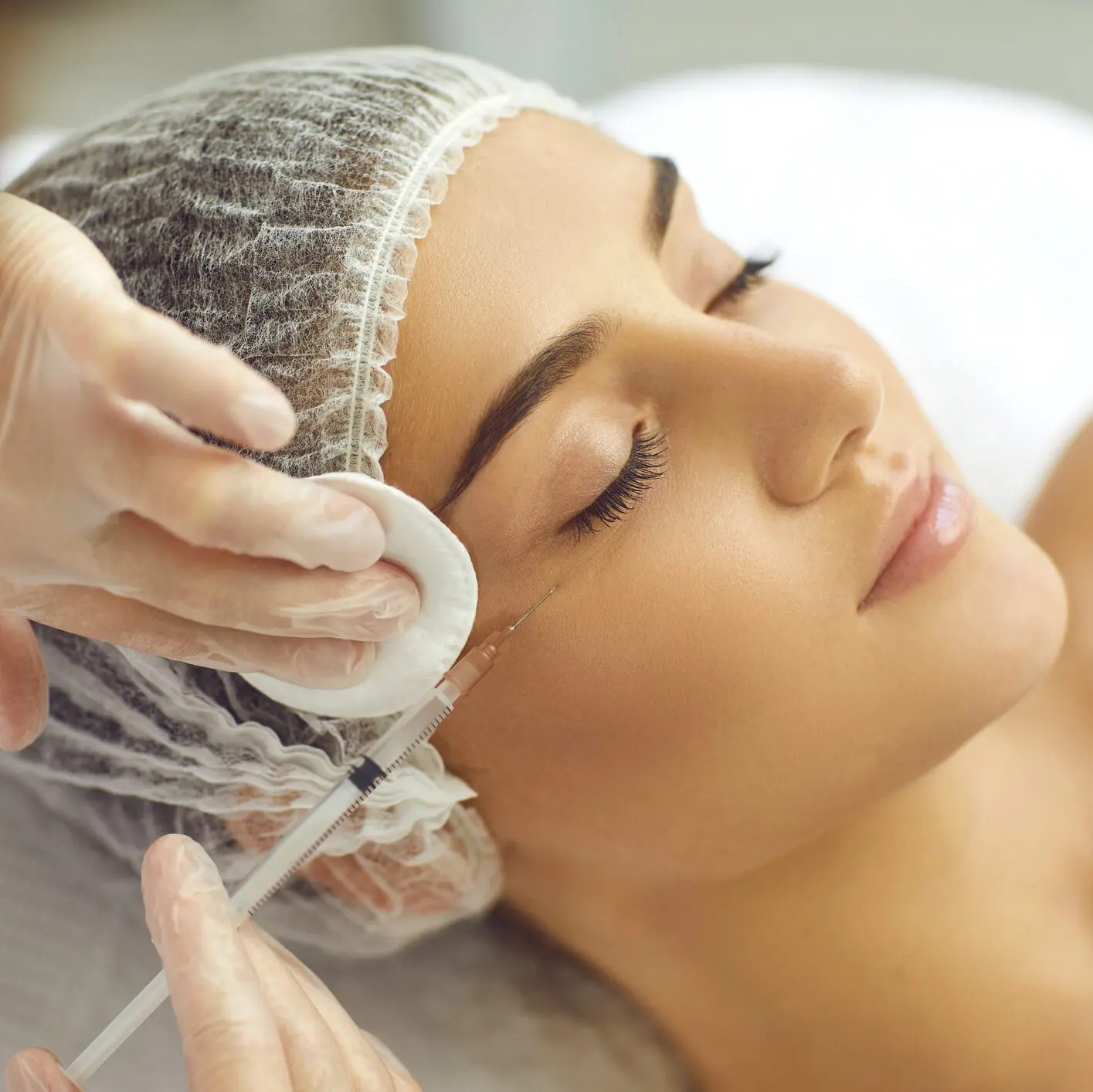
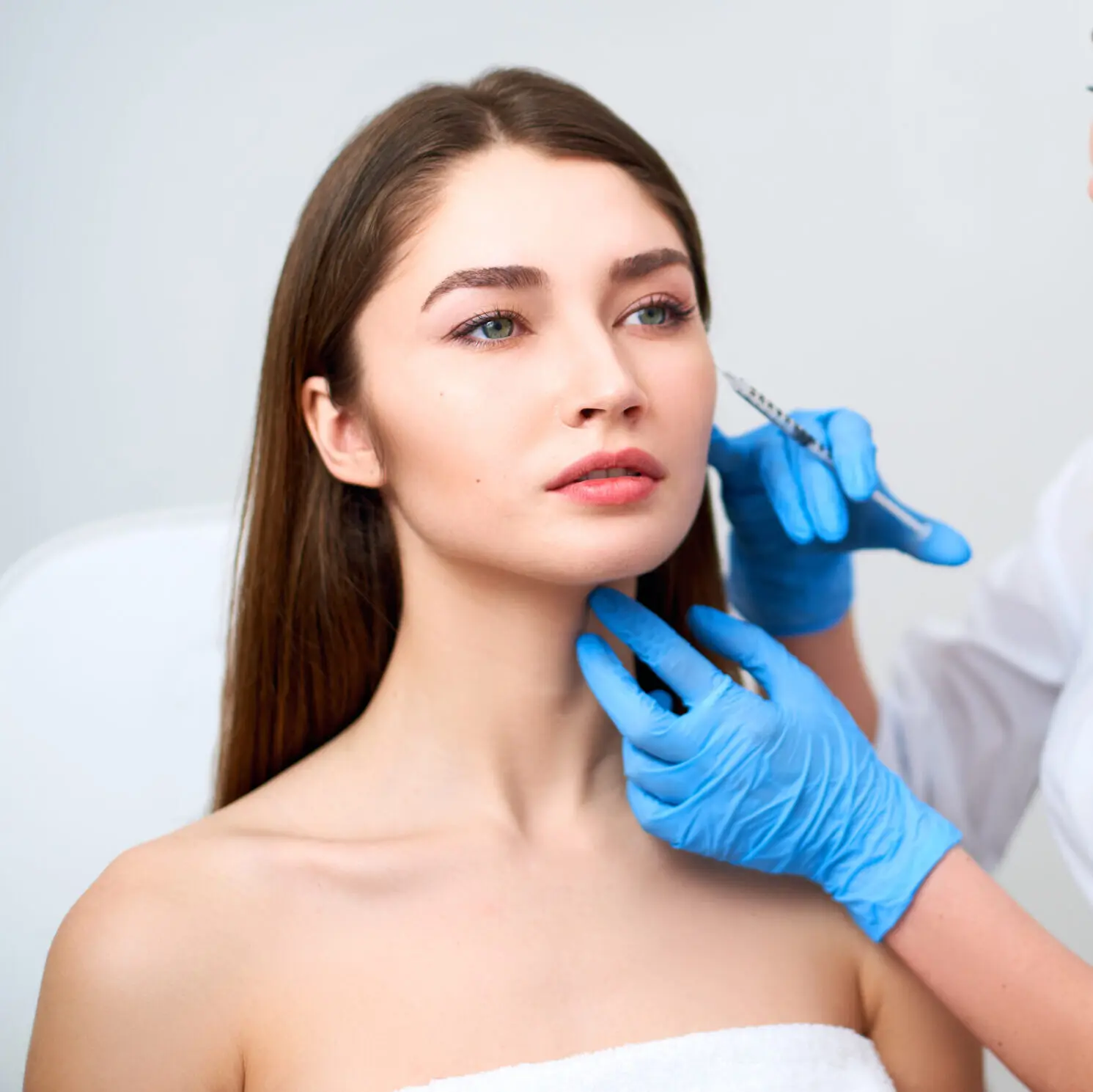
Smooth, non-volumizing hyaluronic acid delivered into the mid-dermis via micro-injections. Unlike topical HA, intradermal HA restores the skin's internal water-binding reservoir. Approximately 6 months of durable hydration from a single session — the most efficient option for chronic dehydration in patients over 35.

See SkinVive details

In-Clinic Infusions vs HA Injectables vs Topicals

Three categories of hydration intervention — different mechanisms, costs, and durations. Most chronic-dehydration patients combine an injectable foundation with monthly facial maintenance and a daily topical protocol.

In-Clinic Infusions

Examples
HydraFacial, HydroGlass, Iontophoresis, Salmon DNA
Mechanism
Surface and transdermal delivery — actives infused into the epidermis
Best for
Acute dehydration; event prep; monthly maintenance
Downtime
None to minimal redness
Duration
2–4 weeks per session
Cost
$249–$350 per session

HA Injectables

Examples
SkinVive, Mesotherapy / NCTF skin boosters
Mechanism
Intradermal HA — restores the dermal water-binding reservoir from within
Best for
Chronic dehydration; HA depletion after 35; lasting internal correction
Downtime
24–48 hrs mild swelling (SkinVive); 24 hrs pinpoint marks (mesotherapy)
Duration
~6 months (SkinVive); 4–6 weeks per mesotherapy session
Cost
$85–$650 per session

Topicals (Home)

Examples
HA serum + ceramide moisturizer + occlusive + SPF
Mechanism
Humectants pull water in; occlusives lock it; barrier ingredients reduce TEWL
Best for
Daily baseline; supporting and extending any in-clinic result
Downtime
None
Duration
Continuous when used daily
Cost
Variable; protocol typically $80–$200/month

Frequently Asked Questions

What is the difference between dehydrated skin and dry skin?
Dehydrated skin lacks water — a temporary state that can affect all skin types, including oily. Dry skin lacks oil — a structural skin type characterized by low natural sebum. Symptoms overlap (tightness, dullness, sometimes flaking) but the treatment logic differs. Dehydration responds to humectants, barrier repair, and in-clinic hydration. Dry skin needs lipid-rich moisturizers as a long-term protocol. Many patients have both at once.
Can oily skin be dehydrated?
Yes — and it is one of the most common misconceptions we see. Oily skin produces excess sebum, but sebum does not retain water. If the barrier is compromised or HA production is low, oily skin loses water just as readily as any other type. Dehydrated oily skin often presents as a shiny surface with tightness and fine lines underneath. The fix is hydrating actives plus barrier-supportive ingredients — not more cleansing or stripping products.
What are the signs of dehydrated skin?
Tightness within minutes of cleansing; fine accordion-like lines that disappear when skin is hydrated; dullness; exaggerated under-eye shadows; makeup that settles into texture; increased breakout sensitivity; and loss of bounce when you press the cheek. A simple check: gently pinch the cheek — if skin holds the pinched shape briefly before relaxing, dehydration is likely a factor.
How does Arizona's climate affect skin dehydration?
Scottsdale and Phoenix have some of the lowest ambient humidity levels in the United States — routinely below 20% in fall and winter, sometimes single digits. At those levels water evaporates from the skin faster than it can be replenished even with a healthy barrier. Indoor HVAC removes additional moisture. Patients relocating from coastal climates often see new dehydration signs within their first season. Seasonal in-clinic hydration is a practical maintenance strategy here.
What treatment works fastest for skin dehydration?
HydraFacial and HydroGlass deliver the most immediate visible result — plumpness and luminosity the same day, in roughly 45 minutes. For lasting internal correction, SkinVive results develop over 1–2 weeks post-treatment and hold for approximately 6 months. Mesotherapy and salmon DNA show progressive improvement over a series. For event prep, choose HydraFacial. For chronic dehydration with the goal of reducing maintenance frequency, SkinVive is the most efficient option.
How long does it take to rehydrate skin?
Surface-level dehydration can improve visibly within 1–3 days with the right topical protocol (HA serum plus occlusive). Deeper or chronic skin dehydration — where dermal HA is depleted — takes 2–4 weeks with consistent care and improves significantly faster with in-clinic treatment. After a SkinVive session, most patients see stable improvement at the 2-week mark. After a mesotherapy series, dehydration typically resolves within 4–6 weeks of the final session.
Is SkinVive the same as a regular dermal filler?
No. SkinVive by JUVÉDERM is a hyaluronic acid skin booster — it uses a smooth, non-volumizing HA formulated specifically to stay in the mid-dermis and improve skin quality from within. It does not add volume, lift, or reshape features. Cross-linked dermal fillers (Restylane, RHA) provide structural support and volume correction — a different category of product. SkinVive is the only JUVÉDERM product currently offered at Desert Bloom.
Can I combine hydration treatments?
Yes, and most chronic-dehydration patients see the strongest results from combinations. A common stacked plan: SkinVive once or twice per year as an internal HA foundation, monthly HydraFacial or HydroGlass for surface maintenance, plus a daily topical protocol (HA serum, ceramide moisturizer, SPF). Iontophoresis fits as a needle-free option between injectable sessions. Dr. Borakowski sequences treatments so each enhances rather than overlaps the next.
“Dehydrated skin is one of the most over-treated and under-diagnosed conditions I see. Patients use more moisturizer, switch to richer creams, and still feel tight by noon — because the issue is water retention and barrier integrity, not the product on top. Once we identify whether the driver is TEWL, HA depletion, the Arizona climate, or a skincare routine that is actively making it worse, the right treatment is usually straightforward.”
Dr. Natalya Borakowski, NMD

Medically reviewed by

Dr. Natalya Borakowski, NMD

Founder, Desert Bloom Skincare · 17 Years Experience

References

  1. 1.

    Proksch E, Brandner JM, Jensen JM. The skin: an indispensable barrier. Experimental Dermatology; 2008;17(12):1063-1072.

    DOI: 10.1111/j.1600-0625.2008.00786.x

  2. 2.

    Rawlings AV, Harding CR. Moisturization and skin barrier function. Dermatologic Therapy; 2004;17 Suppl 1:43-48.

    DOI: 10.1111/j.1396-0296.2004.04s1005.x

  3. 3.

    Papakonstantinou E, Roth M, Karakiulakis G. Hyaluronic acid: a key molecule in skin aging. Dermato-Endocrinology; 2012;4(3):253-258.

    DOI: 10.4161/derm.21923

  4. 4.

    Cavallini M, Papagni M, Ryder TJ, Patalano M. Skin quality improvement with VYC-12, a new injectable hyaluronic acid: objective results using digital analysis. Dermatologic Surgery; 2019;45(12):1598-1604.

    DOI: 10.1097/dss.0000000000001932

  5. 5.

    Sundaram H, Cassuto D. Biophysical characteristics of hyaluronic acid soft-tissue fillers and their relevance to aesthetic applications. Plast Reconstr Surg; 2013;132(4 Suppl 2):5S-21S.

    DOI: 10.1097/PRS.0b013e31829d1d40

Scottsdale, Arizona

Start with a conversation, not a treatment plan

A consultation with Dr. Borakowski is a screening first. If the treatment you came in asking about isn't the right tool, she'll tell you — and point you toward what is.

Book a consultation

Visit our Scottsdale aesthetic center

Address

10752 N 89th Place,
Ste 122B · Scottsdale, AZ 85260

Phone: (480) 567-8180

E-mail: info@desertbloomskincare.com

Get directions

Location & directions

Conveniently located in the Shea Corridor of North Scottsdale, within Edwards Professional Park I — minutes from HonorHealth Scottsdale Shea and the Mayo Clinic Scottsdale Campus.

  • From the North / South: Take Loop 101 and exit at E Shea Blvd, just East of the freeway.

  • Parking: Ample free parking directly in front of Suite 122B.

Areas we serve

  • Scottsdale

    North Scottsdale · McCormick Ranch · Gainey Ranch

  • Paradise Valley

  • Cave Creek & Carefree

Book now Call us