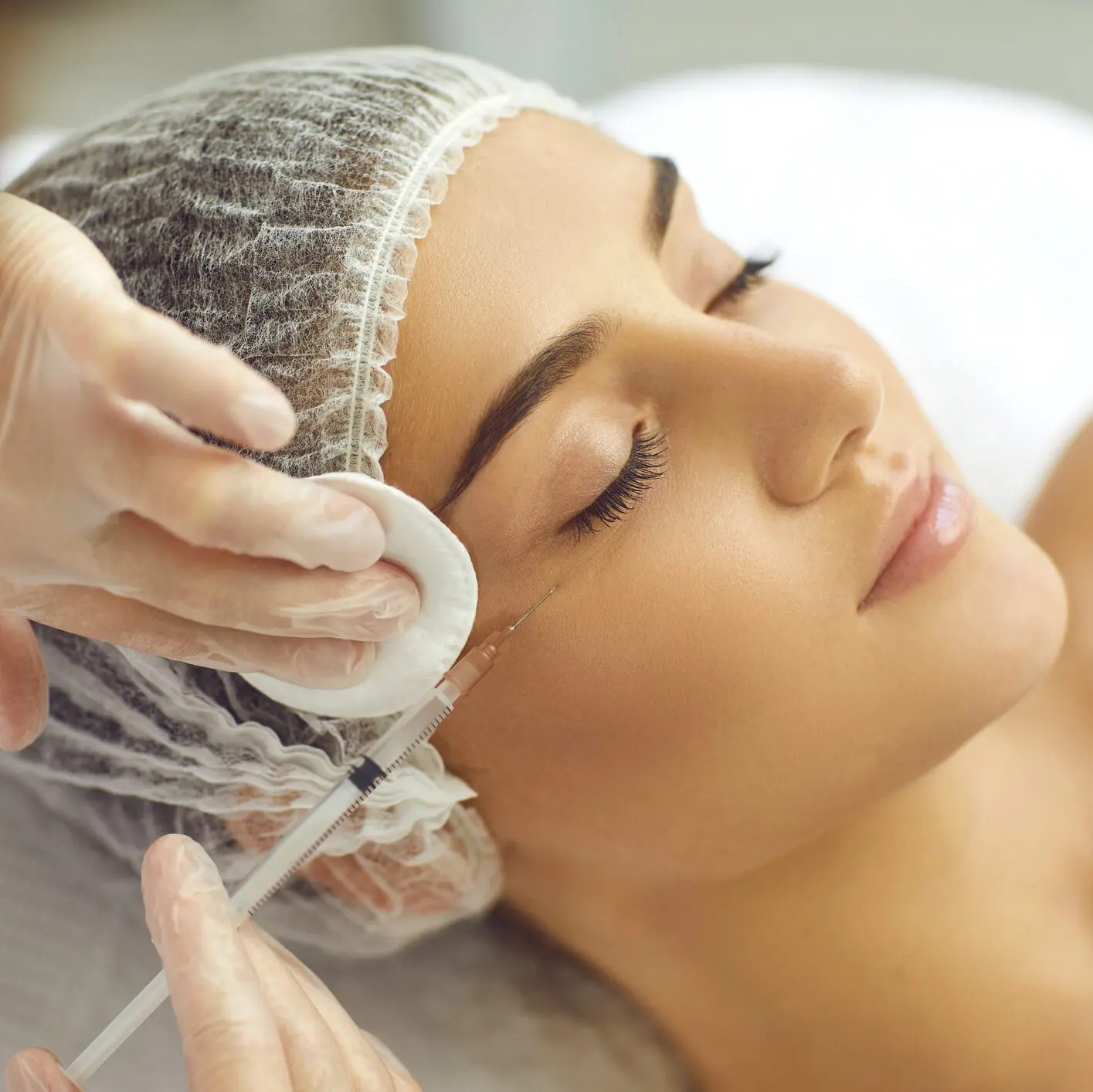
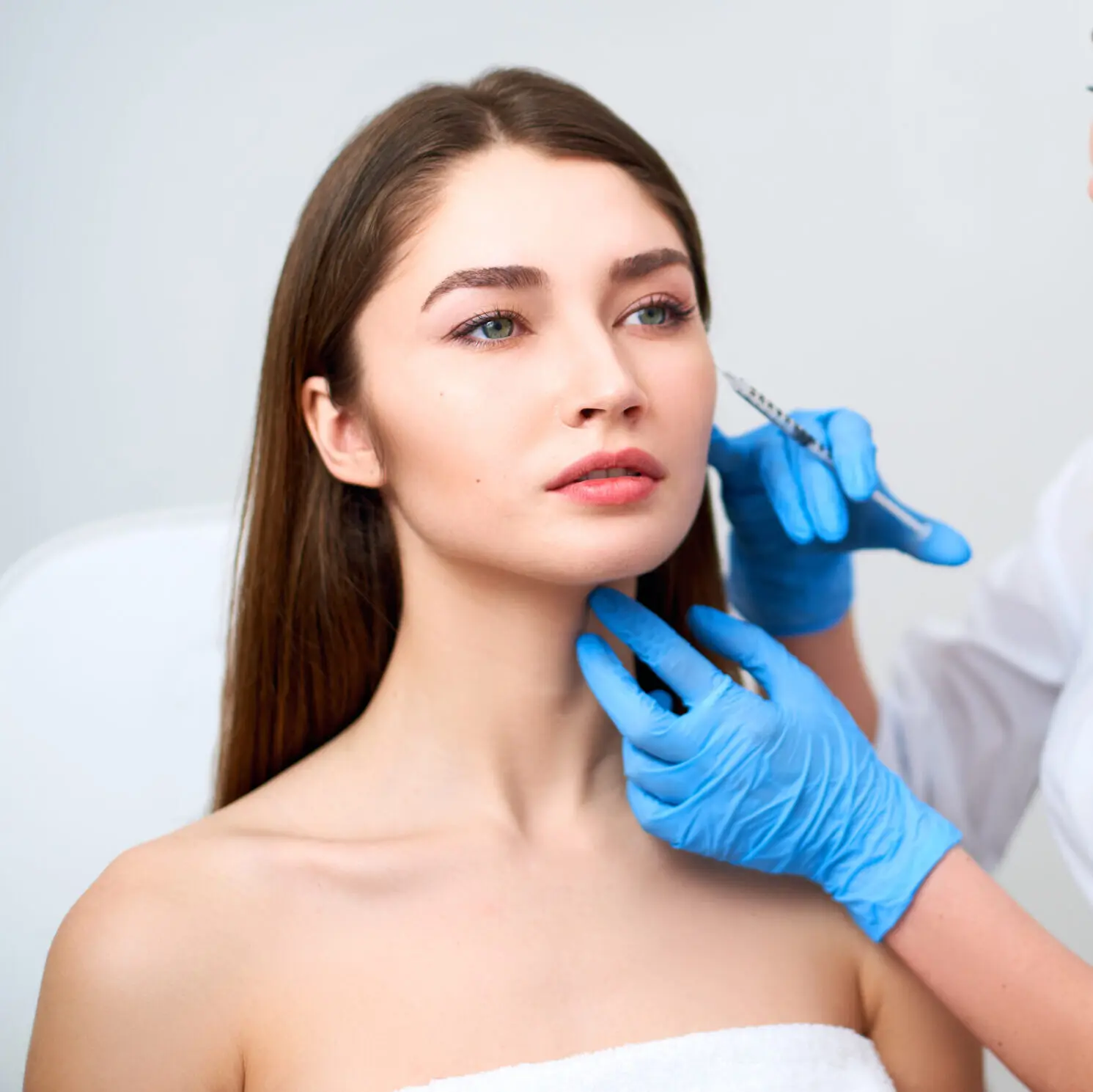

Dr. Natalya is amazing and extremely knowledgeable which she passes on to her patients. She made me feel informed and educated on all of the things that I wanted to start incorporating into my journey of aging gracefully. She takes her time in everything she does during an office visit and is able to make your own individual beauty into being even more beautiful. I am beyond happy with all of the treatments I have had l with Desert Bloom and will be referring my friends and family.
Medical aesthetics treatments in Scottsdale, az
Consultation in skin care clinic
Desert Bloom Skincare Center offers personalized skincare consultation to help you achieve a flawless and radiant complexion. Book your appointment today and let our expert team of skincare professionals address your specific concerns and help you reach your skincare goals.
Solutions by problem type
Acne
Anti-Aging
Combination Skin
Dry Skin
Hyperpigmentation
Men's skin care
Oily skin
Sensitive Skin
Teenage Skin
TestimonialsWhat customers saying for Google
Thuy P.
5 months ago
Natalie Brown
5 months ago
I’ve had the best experience at Desert Bloom Skincare! Natalya is amazing!! She really listens to you and educates you on all aspects of a procedure. Her work looks very natural and the results are always beautiful. So glad I found her. 💖
Stacie Sholer
9 months ago
Dr. Natalya is a true face genius! My experiences with her have been extraordinary. The way that she creates the desired result is very subtle and mine was phased one procedure per month for the last 9 months. She creates very natural and subtle yet extraordinary looks. I highly recommend her, I will be a customer for life!
Paula Zufelt
a year ago
I've seen Dr Natalya for three mesotherapy appointments. She thoroughly explained the treatment before starting and made sure I was comfortable the whole time. Dr Natalya is professional and knowledgeable, while being warm and friendly. I was so pleased with my experience. She is a gem! I 100% recommend
Willie Manns
a year ago

Natalya and Lindsey are awesome. They have be treating my skin for the past two years since I was 16 and it has been nothing but excellence in all their services. Recently I moved from just getting teen facials to cupping, and it gave me more energy and relieved stress that had been bundling up. I would highly recommend their services for any teenager, and my parents have said the pricing is very fair.
Ashley Luna
a year ago

Dr. Natalya is beyond amazing! I’ve had several treatments from her and I leave her office really happy every single time. She knows exactly what you need to enhance your beauty and still look natural. I completely trust her! She and her husband are the nicest people you will meet. Make an appointment and I promise you’ll continue to go back!
About us
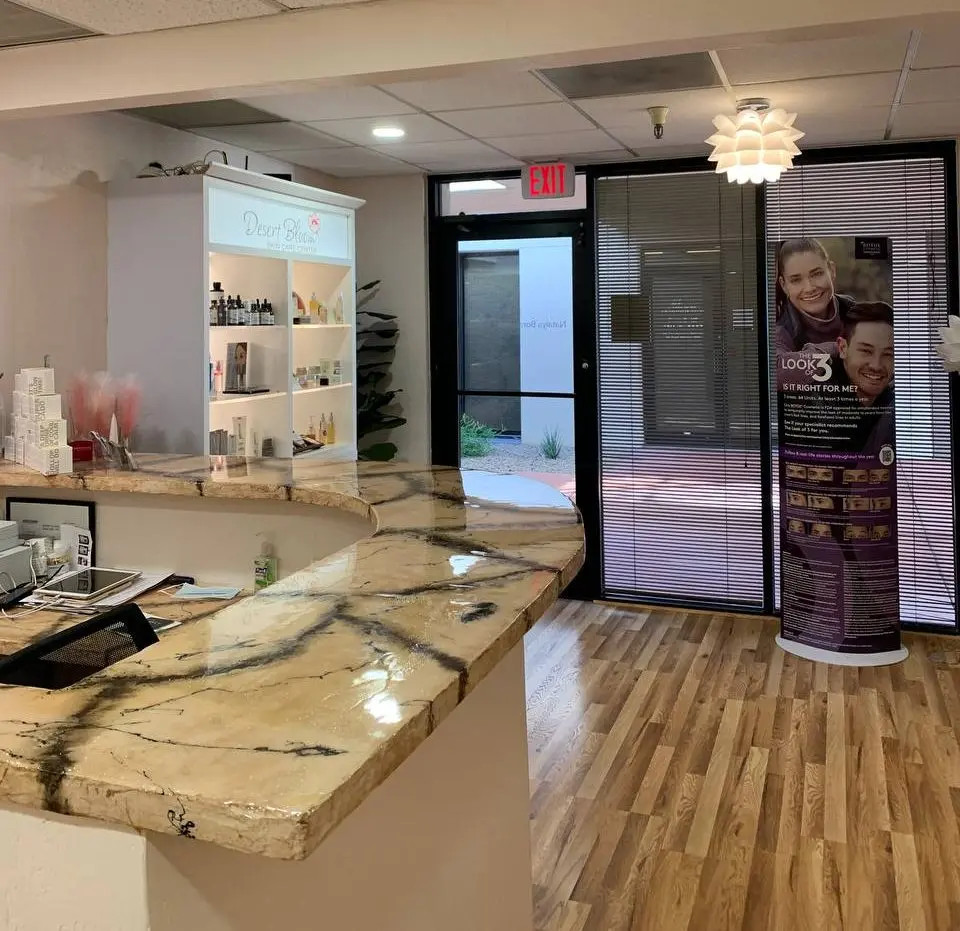
Desert Bloom Cosmetology Clinic offers an unparalleled experience in skincare. Our inviting and knowledgeable staff are committed to providing top-notch service tailored to your individual skin care needs. As soon as you step inside our welcoming facility, you'll be greeted by experienced professionals who prioritize your well-being. Our clinic is equipped with state-of-the-art technology to ensure the highest quality of care. From personalized consultations to customized treatments, we're here to help you achieve supple, glowing skin that reflects your natural beauty. With Desert Bloom, you can trust that you're in capable hands every step of the way. Read more
Our team Naturopathic physician, licensed aesthetician
and owner of Desert Bloom skincare
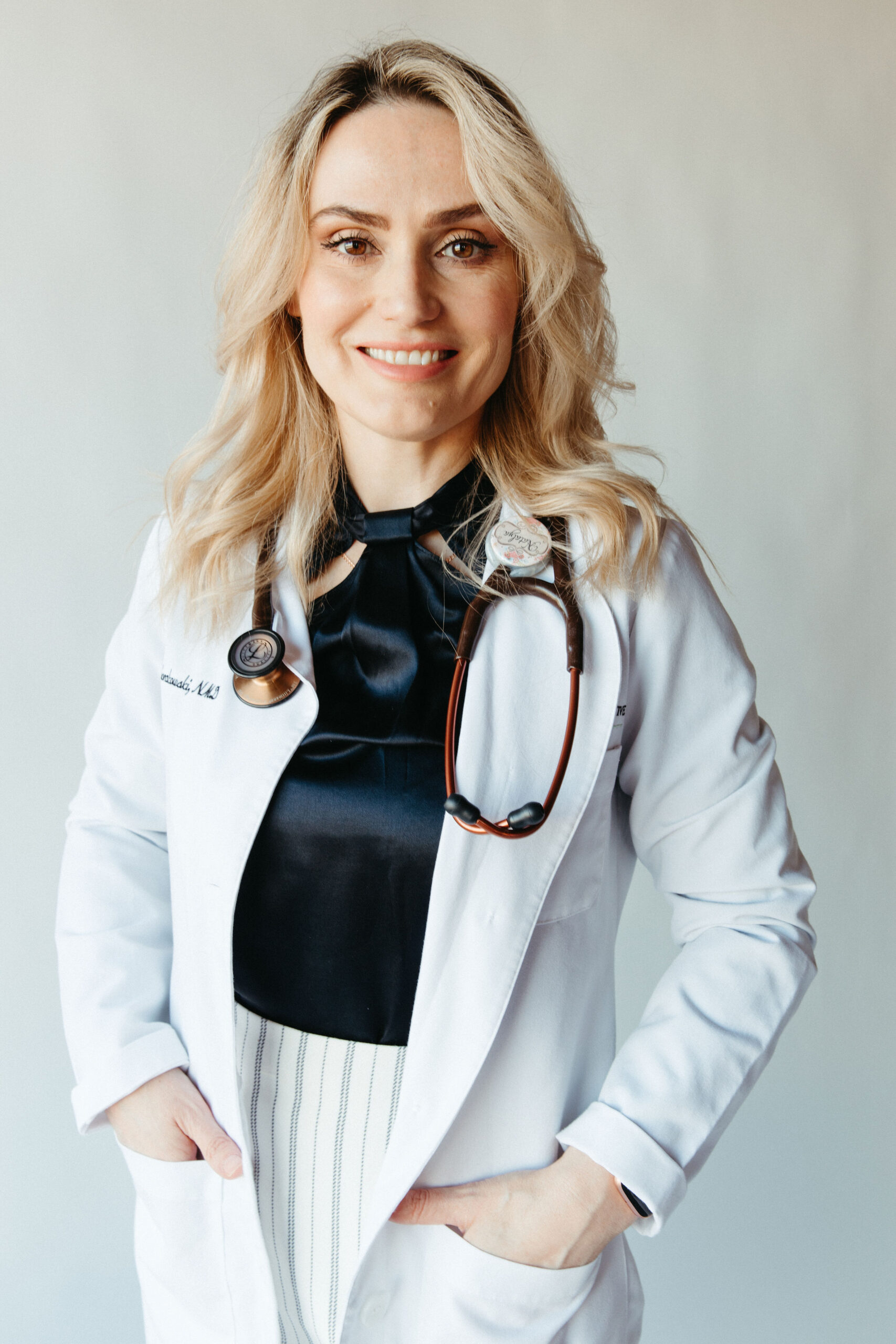
Natalya Borakowski
Naturopathic Physician and internationally trained aesthetic specialist. Dr Natalya graduated from SCNM and supports natural and wholistic approach to skincare and beauty. She is an expert in PDO threads, ultrasound guided filler correction, facial sculpting and contouring.
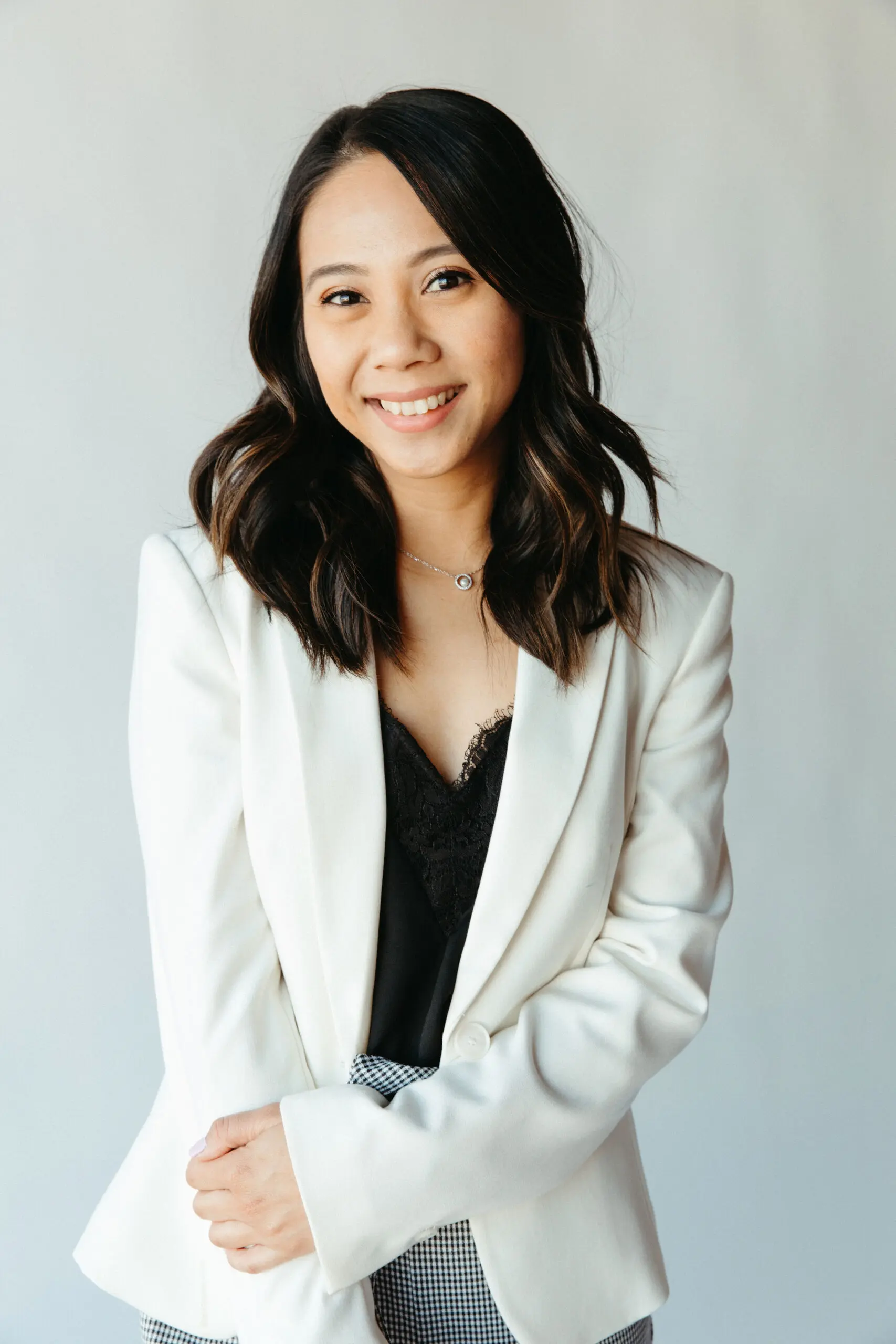
Lheslie Rabe
Licensed aesthetician and the skin expert. Lheslie is passionate about skincare. Her treatments will transform your skin on to new level of glow and radiance, while taking your soul on the journey of peace and relaxation.
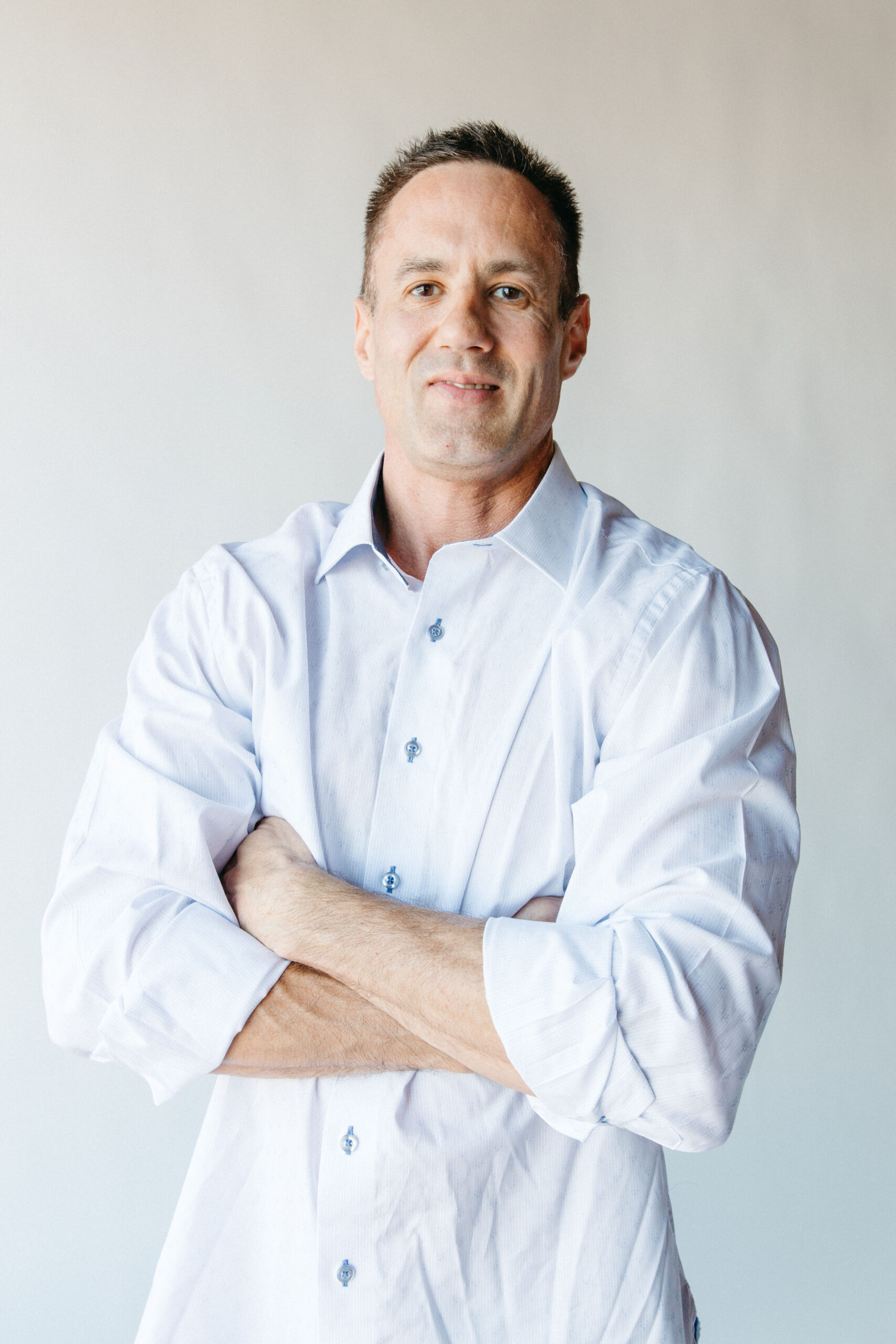
Brian Borakowski
Licensed exercise physiologist, nutritionist and the brain behind all Desert Bloom operations. He graduated ASU with bachelors degree in nutrition and runs Desert Bloom Skincare with his wife Dr. Natalya. Trust Brian with all questions about nutrition and healthy lifestyle, as well as all marketing inquiries.
AS SEEN ON
Frequently asked questions
What is clinical skincare?
Clinical skincare refers to skincare products and treatments that are developed and administered under the guidance of licensed medical professionals, such as dermatologists or aestheticians. These products and treatments often contain active ingredients and are designed to address specific skin concerns, such as acne, aging, or pigmentation.What does a skin care clinic do?
A skin care clinic provides a range of specialized skincare treatments and services. These may include facials, chemical peels, laser therapy, microdermabrasion, and more. Skin care clinics are staffed by trained professionals who can assess your skin, recommend treatments, and provide expert guidance on skincare products.How do I choose a good skin care clinic?
When choosing a skin care clinic, consider factors such as the qualifications and experience of the staff, the range of services offered, the clinic's reputation, and client reviews. It's important to select a clinic that is licensed, clean, and follows safety protocols.What happens at a skin consultation?
During a skin consultation, a skincare professional will assess your skin's condition, discuss your concerns and goals, and recommend a personalized skincare plan. They may use tools like a skin analyzer to evaluate your skin's texture, hydration levels, and any underlying issues. This consultation helps determine which treatments and products are best suited to your skin's needs.Visit Our Scottsdale Aesthetic Center
Address
10752 N 89th Place, Suite 122,Scottsdale, AZ 85260.
Phone:(480) 567-8180
E-mail:info@desertbloomskincare.com
Get Directions →Location & Directions
Desert Bloom Skincare is conveniently located in the Shea Corridor of North Scottsdale, within Edwards Professional Park I — minutes from HonorHealth Scottsdale Shea Medical Center and the Mayo Clinic Scottsdale Campus.
From the North / South:
Take Loop 101 (Pima Freeway) and exit at E Shea Blvd. We are located just East of
the freeway.
From Paradise Valley:
Head East on E Shea Blvd toward North 90th Street.
Parking:
Ample free parking is available directly in front of Suite 122.
Areas We Serve
We proudly provide expert non-surgical rhinoplasty and PDO thread lifts to patients across the Southwest:
- ScottsdaleNorth Scottsdale · McCormick Ranch · Gainey Ranch
- Paradise Valley
- PhoenixArcadia · Biltmore · North Phoenix
- Fountain Hills
- Cave Creek & Carefree