Sun Spots
Sun spots, also known as age spots or liver spots, are small, flat, darkened areas of the skin that typically appear on sun-exposed areas of the body. They are a result of sun exposure and aging, and can be treated with various cosmetic procedures such as laser therapy, chemical peels, or topical creams.
See all treatments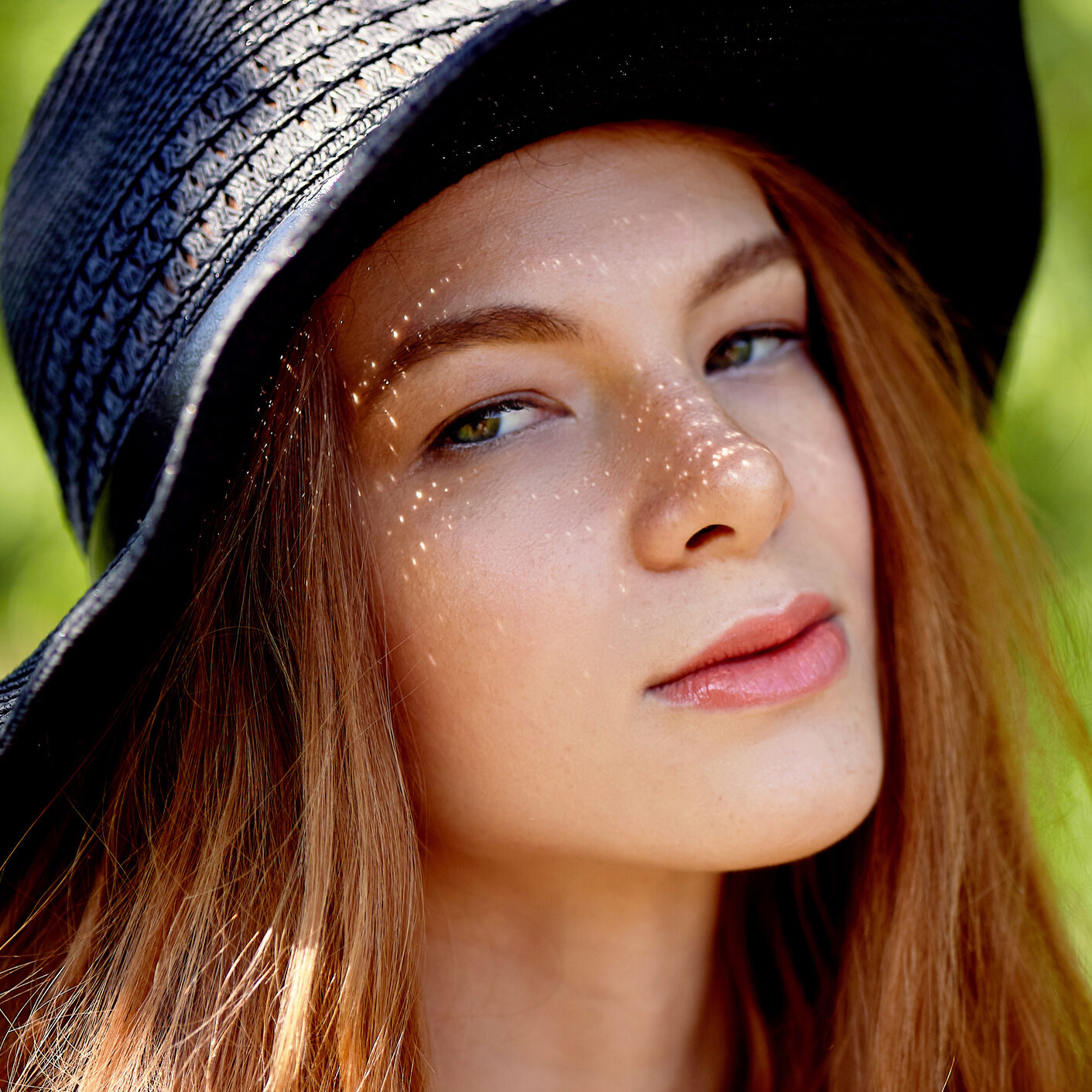
Flat UV-induced brown spots — matched to the right treatment by Fitzpatrick skin type. Laser for lighter tones, PRX-T33 and peels for darker skin, in Scottsdale.
Find Your Treatment
Those Scattered Brown Spots After Years of Arizona Sun — Flat, Stubborn, and Not Freckles
Sun spots (solar lentigines) are flat, UV-induced pigment spots that form where cumulative sun exposure has outpaced the skin’s ability to redistribute melanin evenly. They’re not freckles — which are genetic and fade seasonally. They’re not melasma — which is hormone-driven, symmetrical, and routes to a completely different protocol. And they’re not the slightly raised seborrheic keratoses that need a dermatologist’s assessment first. Sun spots are a discrete record of UV exposure: each spot is a cluster of overstimulated melanocytes that formed wherever Arizona’s year-round high UV index has hit hardest, year after year, until the skin’s natural repair cycle fell behind. They’re benign, treatable, and won’t fade on their own without intervention.
At Desert Bloom, Dr. Natalya Borakowski, NMD routes sun spot treatment by Fitzpatrick skin type — because the safe approach for lighter skin is not the safe approach for darker skin. For Fitzpatrick I–III, selective photothermolysis (IPL / Alexandrite 755nm) targets melanin clusters precisely, with spots darkening briefly before shedding over 7–14 days. For Fitzpatrick IV–VI, that same melanin affinity becomes a liability: on medium-to-dark skin, the device cannot reliably distinguish spot melanin from background skin melanin, and the result can be burns or post-inflammatory hyperpigmentation worse than the original spots. The correct non-laser path — PRX-T33 biorevitalization, Dermaquest mandelic peels, iontophoresis — delivers visible correction without thermal risk. The consultation determines the routing; no single device fits every skin tone for this concern.
Sibling concerns: Age Spots (discrete isolated clusters — same Fitzpatrick routing logic), Melasma (hormone-driven symmetrical patches — different protocol), Hyperpigmentation (broader pigment umbrella including UV + PIH + hormonal causes).
At a Glance
Scope. Five in-clinic options across two Fitzpatrick-gated paths: IPL/Photofacial and Alexandrite 755nm for Fitz I–III; PRX-T33 (Unicorn Facial), Dermaquest mandelic peels, and Iontophoresis Facial for all skin tones including Fitz IV–VI. Starting from ~$175 for surface treatments; laser series range higher depending on spot density and area treated.
Provider & candidacy. Dr. Borakowski assesses spot morphology, density, and Fitzpatrick type at consultation. Alexandrite 755nm and IPL are contraindicated for pigment on Fitzpatrick IV–VI — high melanin affinity creates burn and PIH risk on darker skin. Any spot with ABCDE warning signs (asymmetry, irregular border, multiple colors, diameter >6mm, or recent change) is referred to a dermatologist before cosmetic treatment is initiated.
Downtime & how to start. Ranges from none (iontophoresis, PRX-T33 with 3–5 days light surface peeling) to 7–14 days post-darkening and shedding with laser/IPL. SPF 50+ broad-spectrum sunscreen daily is mandatory after any pigment treatment — Arizona UV will re-trigger treated spots without consistent protection. Book a consultation; you don’t need to know your Fitzpatrick type in advance.
What Causes Sun Spots?
Sun spots form where UV radiation has consistently overstimulated melanin production — and the four cards below map that mechanism to the clinical picture, including why the spots appear where they do and who develops them most readily.
Cumulative UV Damage — the Primary Driver
The sun emits both UVA and UVB radiation. UVA penetrates into the dermis and is the dominant driver of solar lentigo formation; UVB causes the acute burns most people are familiar with. Together, they trigger melanocytes — the pigment-producing cells in the outer skin layer — to overproduce melanin as a protective UV response. Each episode of sun exposure adds to a lifelong tally. Sun spots are the visible record of that tally once it exceeds what the skin can redistribute evenly.
In Scottsdale, where the UV index exceeds 10 (Very High to Extreme) for much of the year, that tally accumulates faster than in lower-UV climates. Tanning beds carry the same UV load — patients with dense sun spots frequently report a history of indoor tanning in their twenties or thirties.
Photoaging — UV as a Structural and Pigment Problem
UV radiation does more than stimulate melanin: it degrades collagen and elastin fibers in the dermis, thins the skin over time, and disrupts the skin’s ability to distribute melanin uniformly after each UV hit. Solar lentigines are therefore both a pigment marker and a photoaging marker — they appear alongside fine lines and loss of elasticity because they share the same UV origin.
This is why sun spots respond well to treatments that address both texture and pigment together — PRX-T33, for instance, drives collagen stimulation and melanin suppression simultaneously rather than targeting melanin in isolation.
Hormonal Overlap — When Estrogen Amplifies UV Effects
Sun spots are primarily UV-driven — but estrogen can amplify melanocyte sensitivity to UV, particularly in perimenopausal women and patients on oral contraceptives or HRT. This creates an overlap zone: a patient may present with what looks like sun spots but is partly or fully melasma — a condition with a different protocol where heat-based lasers are contraindicated even for lighter skin tones.
The clinical distinction matters: melasma is typically symmetrical, patches rather than discrete spots, with a gray-brown hue, and correlates with hormonal fluctuation. When the history includes pregnancy-related pigment changes or OCP use, a consultation assessment is especially important before choosing any device. See melasma treatment options at Desert Bloom →
Skin Tone, Risk, and Who Develops Sun Spots
- Fitzpatrick I–III: Lowest baseline melanin density, highest susceptibility to discrete solar lentigines from UV — but also the group for whom laser treatment carries the lowest risk. Spots tend to be well-defined, tan-to-dark-brown, sharply bordered.
- Fitzpatrick IV–VI: Higher baseline melanin provides some UV buffering, but these skin tones are not immune — UV-related pigment changes appear as more diffuse, less discrete clusters. These tones are also where laser pigment treatment is contraindicated.
- Site predilection: Chronically sun-exposed areas — face (cheeks, temples, forehead), hands, décolleté, shoulders, forearms. Spots rarely appear on consistently covered areas, confirming UV as the exclusive driver.
- Age of onset: Sun spots can appear from the mid-twenties onward with high acute UV exposure (beach, outdoor sports); isolated clusters on older patients reflect decades of moderate accumulation.
Which Treatment Is Right for Your Skin Tone?
Fitzpatrick skin type is the primary gate for sun spot treatment selection — not the size of the spots, not how long they’ve been there. The reason is specific to how pigment lasers work: Alexandrite 755nm and IPL/Photofacial both operate by targeting melanin clusters selectively. On Fitzpatrick I–III, background melanin density is low enough that the device can reliably distinguish spot melanin from surrounding skin. On Fitzpatrick IV–VI, background melanin density closes that gap — the device cannot target spot melanin without also affecting surrounding skin, and the result can be thermal burns, blistering, or post-inflammatory hyperpigmentation significantly worse than the original spots. The non-laser path exists precisely because it achieves visible results without thermal risk on any Fitzpatrick type.
Do not schedule Photofacial or Alexandrite 755nm for sun spot correction if your skin is Fitzpatrick IV or darker. Both devices have high melanin affinity — on medium-to-dark skin tones, they cannot reliably distinguish spot melanin from surrounding skin melanin. The outcome can be burns, blistering, or post-inflammatory hyperpigmentation worse than the original spots. Note also: Nd:YAG 1064nm targets oxyhemoglobin (vascular laser) — it is not indicated for pigment on any skin tone. The correct path for Fitzpatrick IV–VI sun spots is: PRX-T33 (Unicorn Facial) → Dermaquest mandelic chemical peels → Iontophoresis with brightening actives. Dr. Borakowski confirms Fitzpatrick type at every consultation before any device selection is made.
Fitzpatrick I–III — Laser-Eligible Path
Lighter skin tones where Alexandrite 755nm and IPL can distinguish spot melanin from surrounding skin. Photo Facial or Alexandrite leads; peels and iontophoresis support maintenance.
Fitzpatrick IV–VI — Non-Laser Path Only
Medium-to-dark skin tones where heat-based pigment lasers are contraindicated. PRX-T33 leads; mandelic peels and iontophoresis build and maintain correction without thermal risk.
Sun Spot Treatments at Desert Bloom
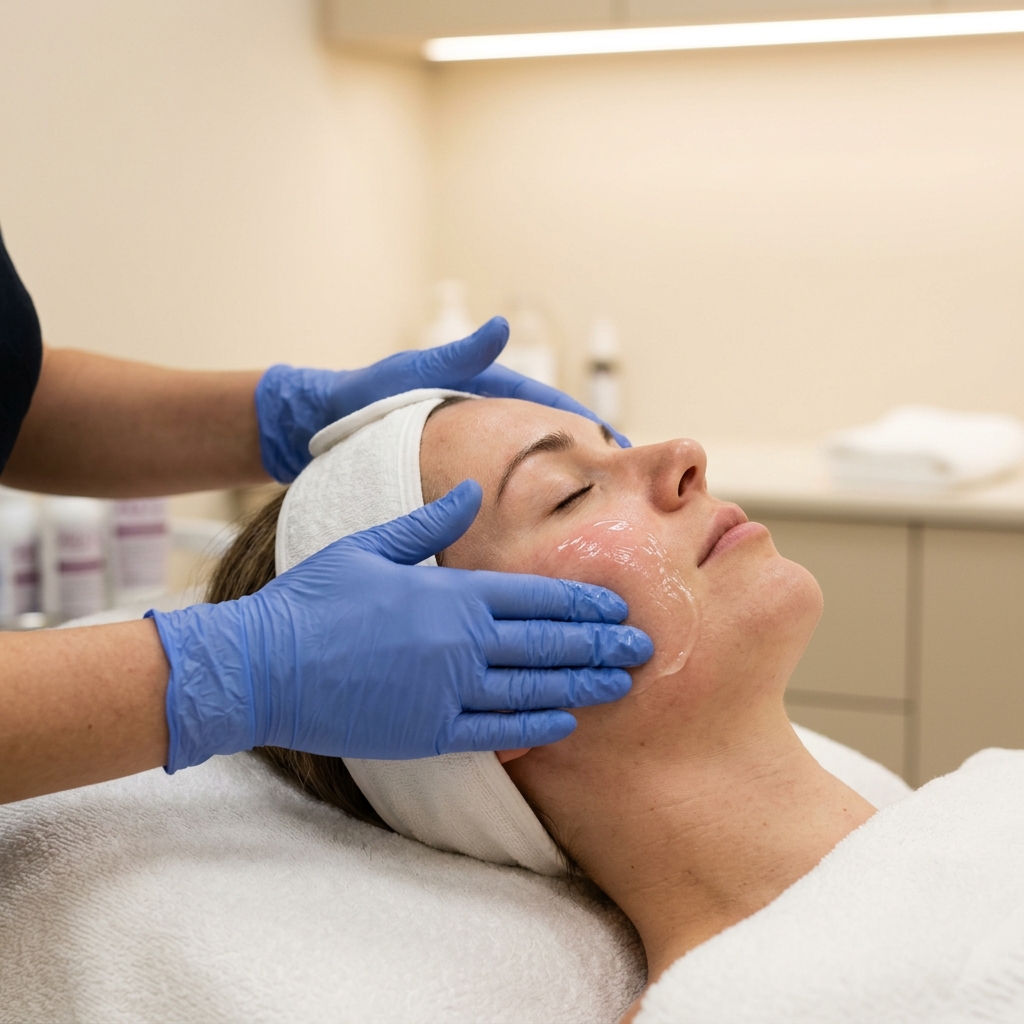
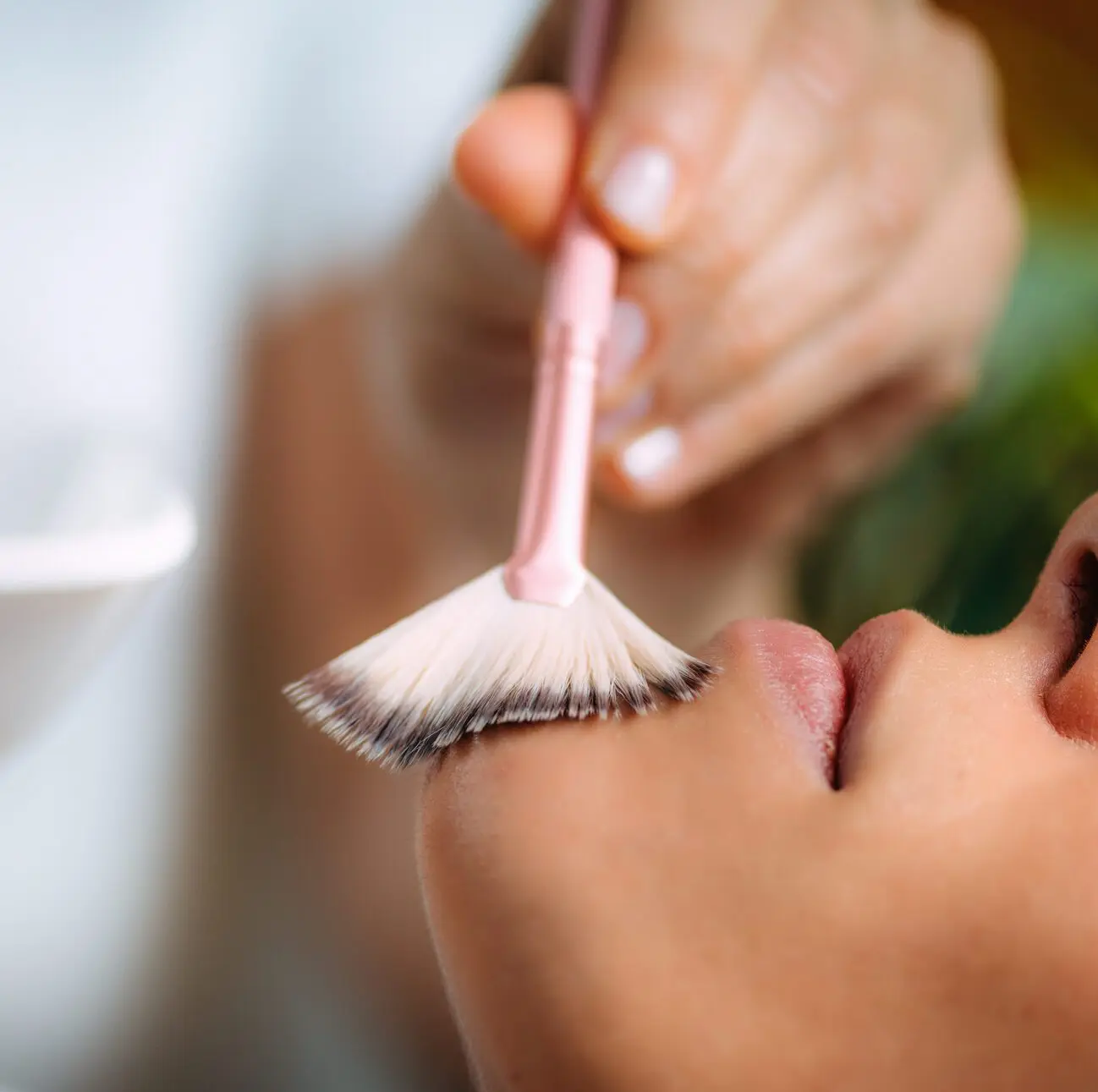
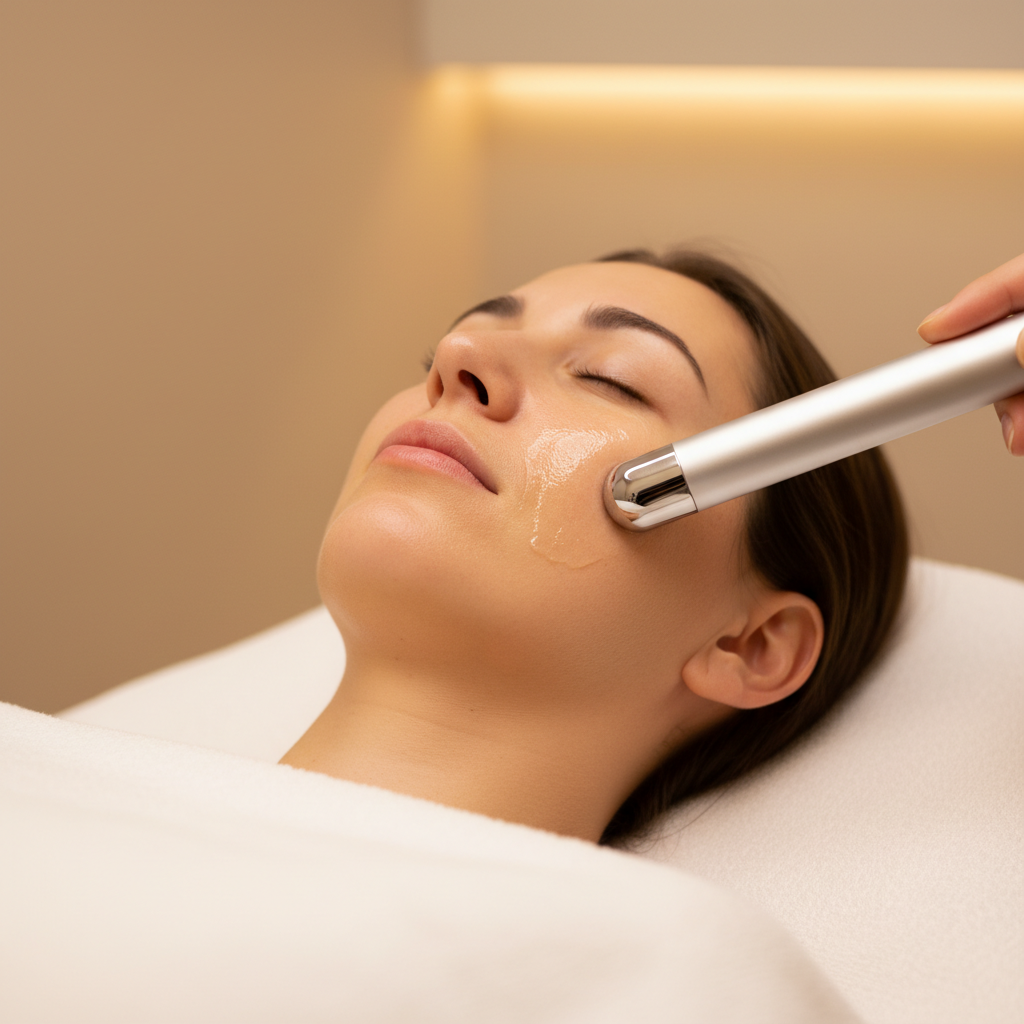
Five in-clinic options — each card below links to the full treatment page with procedure details, candidacy, downtime, and Scottsdale pricing.

Compare Sun Spot Treatment Options
Five options across two Fitzpatrick-gated paths. The Fitz column is the critical gate — all other factors are secondary to skin type safety.
| Feature | Photofacial/IPL | Alexandrite 755nm | Unicorn Facial | Chemical Peel | Iontophoresis |
|---|---|---|---|---|---|
| Fitzpatrick | I–III ONLY | I–III ONLY | All (I–VI) | All (I–VI) | All (I–VI) |
| Mechanism | Broad-spectrum IPL — selective photothermolysis | Alexandrite 755nm — focused melanin targeting | PRX-T33 biorevitalization + kojic acid | Acid exfoliation — mandelic / TCA | Electrical brightening active delivery |
| Downtime | 7–14 days darkening then shedding | 7–14 days darkening then shedding | 3–5 days mild surface peeling | 3–7 days light-moderate peeling | None |
| Sessions typical | 1–3 | 1–3 | 3–5 | 4–6 | Ongoing monthly |
| Best for | Diffuse UV scatter, lighter tones | Discrete isolated spots, Fitz I–III | Sun spots + tone, all Fitz incl. IV–VI | Diffuse pigment, stepwise, all Fitz | Brightening maintenance, zero downtime |
| Starting price | $250+ | $250+ | $350+ | $175+ | $175+ |
Darker Skin Tones, Suspicious Lesions, and When to See a Dermatologist
Two safety points belong on every sun spot page. The first is worth restating plainly: for Fitzpatrick IV–VI patients, Alexandrite 755nm and IPL are not the path for pigment. This is not a precaution — it is a contraindication. Nd:YAG 1064nm laser, while safe on darker skin, targets oxyhemoglobin (vascular — rosacea, spider veins) and is not a pigment device. The correct path for darker skin tones at Desert Bloom is PRX-T33 → Dermaquest mandelic peels → iontophoresis. These options deliver real, visible results without thermal risk or PIH exposure.
The second point is about lesion screening. Most flat, uniformly tan-to-brown spots with regular borders that have been present for years and are stable are straightforward solar lentigines — appropriate for aesthetic treatment. Any pigmented spot with ABCDE warning signs should prompt a dermatologist visit before cosmetic treatment is initiated: Asymmetry, irregular Border, multiple Colors within the same lesion, Diameter greater than 6mm, or recent Evolution in size, shape, or texture. A lesion that bleeds, itches, or has developed raised texture over what was previously a flat brown spot needs medical evaluation to rule out lentigo maligna (a melanoma precursor that can closely mimic a large age spot), seborrheic keratosis with atypical features, or other pigmented lesions that require a biopsy rather than a laser. At Desert Bloom, Dr. Borakowski reviews spot morphology at consultation and will refer to a dermatologist whenever a lesion shows atypical clinical features. Aesthetic treatment is not initiated on any suspicious pigmented lesion.
Fitzpatrick IV–VI sun spot path at Desert Bloom: PRX-T33 (Unicorn Facial) → Dermaquest mandelic chemical peels → Iontophoresis with brightening actives (vitamin C, tranexamic acid, niacinamide). No laser, no thermal risk, no PIH exposure. At-home adjuncts: SPF 50+ broad-spectrum daily, prescription hydroquinone if indicated, topical retinoids, vitamin C serum.
See a dermatologist first if any spot shows: Asymmetry · Irregular or poorly defined border · Multiple colors within one lesion · Diameter >6mm · Recent change in size, texture, or color · Bleeding or itching. These are not cosmetic concerns — they require a clinical biopsy evaluation to rule out lentigo maligna or melanoma before any treatment is applied.
Frequently asked questions
What are sun spots, and are they the same as age spots?
Clinically, sun spots and age spots (solar lentigines / liver spots) are the same condition — flat, UV-induced, tan-to-brown melanin clusters on chronically sun-exposed skin. ‘Sun spots’ typically describes the diffuse scattered pattern that appears earlier from intense acute UV exposure (beach, outdoor sport). ‘Age spots’ or ‘liver spots’ describes the more isolated, darker clusters that accumulate over decades. Both route identically at Desert Bloom: Fitzpatrick type determines the safe device, not what you call the spots.Can sun spots be treated on darker skin tones?
Yes — but not with laser. Alexandrite 755nm and IPL (Photofacial) are contraindicated for pigment on Fitzpatrick IV–VI: high melanin affinity means these devices cannot reliably distinguish spot melanin from background skin melanin on darker skin, and the result can be burns, blistering, or post-inflammatory hyperpigmentation worse than the original spots. The correct path for Fitzpatrick IV–VI is: PRX-T33 (Unicorn Facial) → Dermaquest mandelic chemical peels → Iontophoresis brightening. These options achieve visible results without thermal risk.What’s the difference between sun spots and freckles?
Freckles (ephelides) are genetic — they appear in childhood or early adolescence, most heavily in Fitzpatrick I–II skin, and fade seasonally (lighter in winter, darker in summer) and with age. Sun spots are UV-accumulated: they appear in adults, typically from the mid-twenties onward, do not fade seasonally or with reduced sun exposure, and deepen with continued UV exposure. If a spot appeared in childhood and lightens in winter, it’s likely a freckle. If it appeared in adulthood and is stable or darkening, it routes as a solar lentigo.How do sun spots differ from melasma?
Sun spots are UV-driven: discrete, sharply bordered, tan-to-dark-brown, appearing on sun-exposed sites, no hormonal component. Melasma is hormone-driven: symmetrical gray-brown patches across cheeks, forehead, and upper lip, closely correlated with estrogen fluctuation from pregnancy, birth control, or HRT — and worsened by UV. Critically, heat-based lasers can trigger or worsen melasma even on lighter skin tones, which makes correct diagnosis before choosing a device essential. If your pigment followed a pregnancy or OCP use, see /melasma/ for the melasma-specific protocol.Will sun spots come back after treatment?
Treated spots fade permanently — the treated melanin clusters shed and do not regenerate. However, new spots can form on previously clear skin with continued UV exposure, especially in Scottsdale where UV index is high year-round. SPF 50+ broad-spectrum sunscreen applied daily, with reapplication every two hours during peak sun hours, is mandatory after any pigment treatment. Without consistent sun protection, new spots can appear within months of completing treatment.How do I know if a dark spot needs a doctor before cosmetic treatment?
Apply the ABCDE rule: Asymmetry (one half differs from the other), irregular Border (ragged, notched, or blurred edges), multiple Colors within the same lesion (brown, black, red, white, or blue), Diameter greater than 6mm, or Evolution (any change in size, shape, color, or texture — or a new symptom like bleeding or itching). Any of these signs means dermatologist evaluation before cosmetic treatment to rule out lentigo maligna (a melanoma precursor that can mimic a large sun spot) or other atypical pigmented lesions. A raised, bleeding, or itching spot is not a cosmetic concern — it’s a clinical one.How many sessions does sun spot treatment take?
Photofacial/IPL and Alexandrite: 1–3 sessions for most isolated sun spot clusters. PRX-T33 (Unicorn Facial): 3–5 sessions. Chemical peels: 4–6 sessions. Iontophoresis Facial: ongoing monthly maintenance. Total depends on spot density, depth, and area treated. Diffuse full-face pigment across years of Arizona sun typically requires more sessions than a handful of isolated spots. Dr. Borakowski estimates the number of sessions at your consultation based on your specific presentation.
“Sun spots and age spots are the same condition, and they’re among the most reliable treatments I do — the spots darken, shed, and clear. The part that isn’t reliable is offering laser to a patient with Fitzpatrick IV or V skin for pigment. I see patients who’ve had that happen elsewhere. The correct tool for darker skin is PRX-T33 and mandelic peels, and those work very well. The routing decision is straightforward once you know the skin type.”
Start Your Sun Spot Assessment in Scottsdale
Sun spots are among the most reliably correctable pigment concerns — a focused consultation gives you a clear treatment path before you invest in any procedure. Dr. Borakowski assesses spot morphology, density, and Fitzpatrick skin type in person, then routes you to the right treatment for your skin: laser for Fitz I–III, PRX-T33 and peels for Fitz IV–VI, or a combined approach depending on what’s presented.
You don’t need to know your Fitzpatrick type before you arrive. You don’t need to have tried topicals first. And there’s no obligation after the consultation — just a clear plan you can move forward with at your own pace, in Scottsdale.
References
- “Treatment of solar lentigines.” J Am Acad Dermatol. 2006. DOI
- “Autocrine and paracrine regulation of melanocytes in human skin and in pigmentary disorders.” Pigment Cell Res. 2004. DOI
- “Treatment of Solar Lentigines: A Systematic Review of Clinical Trials.” J Cosmet Dermatol. 2025. DOI
- “Melasma, a photoaging disorder.” Pigment Cell Melanoma Res. 2018. DOI
Treatments
- CO2 Cool Peel$625
- CO2 Laser Resurfacing$625-$150060 minutes
- Custom chemical peel$10045 minutes
- Erbium Laser Resurfacing$275-$67545 minutes and up
- Laser resurfacing treatment$67530 and up
- Mesotherapy1ml-$8560 minutes
- Photo Facial$175-$57515 minutes and up
Consultation in skin care clinic
Desert Bloom Skincare Center offers personalized skincare consultation to help you achieve a flawless and radiant complexion. Book your appointment today and let our expert team of skincare professionals address your specific concerns and help you reach your skincare goals.
Visit Our Scottsdale Aesthetic Center
Address
10752 N 89th Place, Suite 122B,Scottsdale, AZ 85260.
Phone:(480) 567-8180
E-mail:info@desertbloomskincare.com
Get Directions →Location & Directions
Desert Bloom Skincare is conveniently located in the Shea Corridor of North Scottsdale, within Edwards Professional Park I — minutes from HonorHealth Scottsdale Shea Medical Center and the Mayo Clinic Scottsdale Campus.
Areas We Serve
We proudly provide expert non-surgical rhinoplasty and PDO thread lifts to patients across the Southwest:
- ScottsdaleNorth Scottsdale · McCormick Ranch · Gainey Ranch
- Paradise Valley
- PhoenixArcadia · Biltmore · North Phoenix
- Fountain Hills
- Cave Creek & Carefree