

Find Your Treatment
Dermal Fillers in Scottsdale, AZ
Most patients aren’t looking for “more filler.” They’re trying to understand why the face looks different and what will restore balance without looking done. At Desert Bloom Skin Care in Scottsdale, Arizona, Dr. Natalya Borakowski selects from hyaluronic acid fillers, poly-L-lactic acid biostimulators, calcium hydroxylapatite, and permanent options. Each injectable filler is chosen based on your facial anatomy and the specific areas being treated, rather than picked from a menu or a trend.
Not every patient who comes to Desert Bloom leaves with a filler appointment. Some concerns are better addressed with neuromodulators, RF microneedling, or a combination approach. Dr. Borakowski will tell you directly which direction makes sense for your face.
Dermal fillers are one of several injectable categories at Desert Bloom, alongside neurotoxin treatments and PDO thread lifts.
Not sure which treatment fits? Book a consultation and get a plan for your skin
At a Glance
What it is: Injectable treatments that restore facial volume, smooth wrinkles and folds, and contour facial features.
What it treats: Volume loss, deep folds, lip shape, cheek and mid-face deflation, chin and jawline definition, hollow temples and tear troughs, nose profile, skin hydration.
Filler families: HA (reversible) · Poly-L-lactic acid (Sculptra) · Calcium hydroxylapatite (Radiesse) · PMMA permanent (Bellafill) · PRP autologous gel.
Reversibility: HA fillers can be dissolved with hyaluronidase. Sculptra, Radiesse, and Bellafill are not.
Duration: 6 months to 5+ years depending on filler material and treatment area.
Downtime: Minimal. Most patients return to normal activities within 24–48 hours.
What Are Dermal Fillers?
Dermal fillers are injectable substances (most commonly gel formulations based on hyaluronic acid) placed beneath the skin’s surface to restore volume, fill wrinkles, and reshape facial features. The FDA has approved several distinct filler materials for cosmetic use, each formulated for different depths and treatment areas.
The science starts with facial aging. As we age, we lose facial fat in pockets beneath the skin, a process accelerated by weight loss (including rapid loss from GLP-1 medications). Bones remodel, reducing structural support. Collagen production declines. Injectable fillers address these changes by replacing what the body has lost or stimulating natural collagen synthesis over time.
At Desert Bloom in Scottsdale, filler treatments are outpatient procedures. Sessions typically take 45–75 minutes including numbing time. Most filler products contain lidocaine for comfort. Patients may experience temporary swelling, redness, or bruising at the injection site. These signs typically resolve within days. The filler decision is medical, not aesthetic. Dr. Borakowski reviews your medical history, discusses any medications (including blood thinners, aspirin, and ibuprofen), and evaluates facial anatomy before selecting a product.
Filler Families: How the Materials Differ
Not all dermal fillers work the same way. The material determines how long results last, whether the treatment is reversible, and which areas it can safely address.
Hyaluronic Acid Fillers: Restylane & RHA
HA is naturally found in skin, connective tissue, and around blood vessels. HA fillers are gel formulations that add immediate volume and smooth lines by attracting and holding water. At Desert Bloom, Dr. Borakowski uses Restylane and RHA (Resilient Hyaluronic Acid) formulations, selected by treatment area and degree of facial movement. RHA fillers are cross-linked to move with the face, making them well-suited for areas with greater expression dynamics. HA fillers are the only category reversible with hyaluronidase, which is a meaningful safety advantage. HA filler injections typically last 6–24 months depending on the product. Under-eye (tear trough) longevity is different. Dr. Borakowski’s clinical experience is that filler in this zone can last substantially longer, often many years. Explore the Restylane family
Poly-L-Lactic Acid: Sculptra
Sculptra uses poly-L-lactic acid (PLLA) to stimulate the body’s own collagen production rather than filling directly. The right choice for widespread volume loss rather than adding definition to a specific contour. Requires 2–3 sessions and takes time to show full results. In return, results last two years or more, reflecting restored collagen rather than added gel. Not reversible with hyaluronidase. Explore Sculptra
Calcium Hydroxylapatite: Radiesse
Radiesse uses calcium hydroxylapatite microspheres in a gel carrier. It gives an immediate structural effect plus longer-term collagen stimulation. Used most often for deep lines, jawline contour, and areas requiring firmer structural support. Results typically last 12–24 months; biostimulation means many patients require little or no maintenance after correction is achieved. Not reversible with hyaluronidase. Learn about Radiesse
PMMA Permanent: Bellafill
Bellafill contains polymethylmethacrylate (PMMA) microspheres in a bovine collagen carrier. The PMMA portion is permanent, lasting five years or longer. FDA-approved for nasolabial folds; the appropriate choice when temporary fillers have repeatedly corrected the same area without long-term success. Not reversible with hyaluronidase. Patients should understand this permanence before proceeding. See Bellafill details
PRP Biofiller
PRP Biofiller uses your own platelet-rich plasma, which is drawn, processed, and injected as an autologous gel. A natural, synthetic-free option, because the hyaluronic acid it uses is not cross-linked and is similar to the hyaluronic acid your body makes, unlike the cross-linked hyaluronic acid in dermal fillers. It is used for skin quality and mild volume correction. Learn about PRP Biofiller
Treat a Specific Area
Tap a zone on the face or choose from the list. Each area has its own technique, product selection, and recovery profile.

Reshape the Whole Face
These are multi-zone treatment plans designed around a specific goal. Dr. Borakowski maps the full face and selects products for each area in one session.
Facial Balancing
Goal: Proportional correction across multiple areas, cheeks, lips, chin, jawline, in one session

Facial Sculpting
Goal: Defined cheekbones, jawline contour, and structural volume, built layer by layer
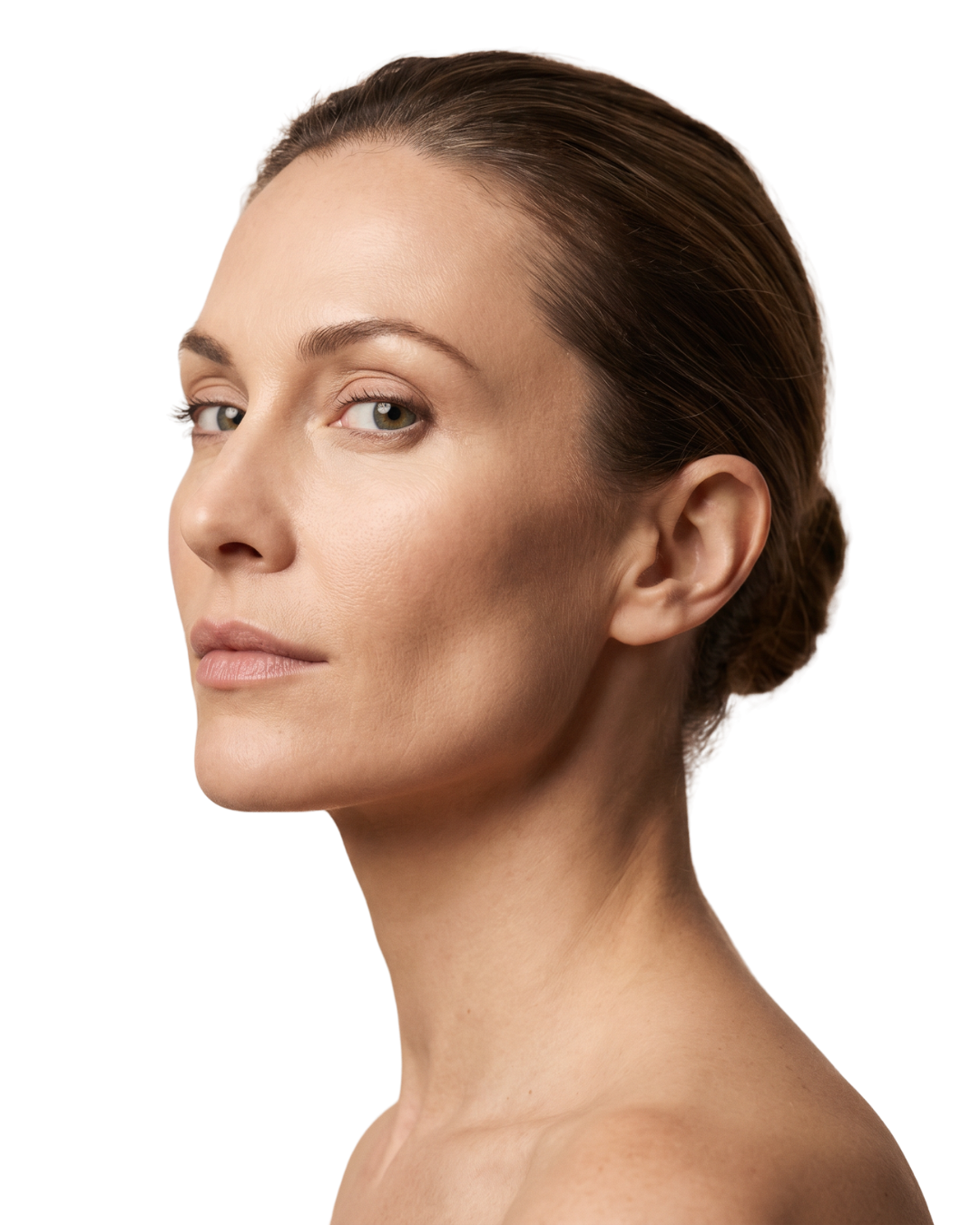
Facial Masculinization
Goal: Stronger jaw, broader chin, angular cheekbones, with filler placed for masculine structure
Filler Products We Use
Dr. Borakowski selects the product based on where it’s going and how long you want it to last. Below are the products in the treatment room and why each one exists.
Hyaluronic Acid Fillers
Instant results. Reversible. Last 6–24 months. The most versatile category, with different formulations for different areas.
Collagen Stimulators
Results build gradually as your body produces new collagen. Longer-lasting than HA, but not reversible.
Permanent & Skin Quality
For patients who want lasting results or skin-level improvement without adding volume.
Fix Previous Filler Work
Overfilled lips. Migrated cheek filler. Asymmetry from another provider. These are some of the most common consultations at Desert Bloom.
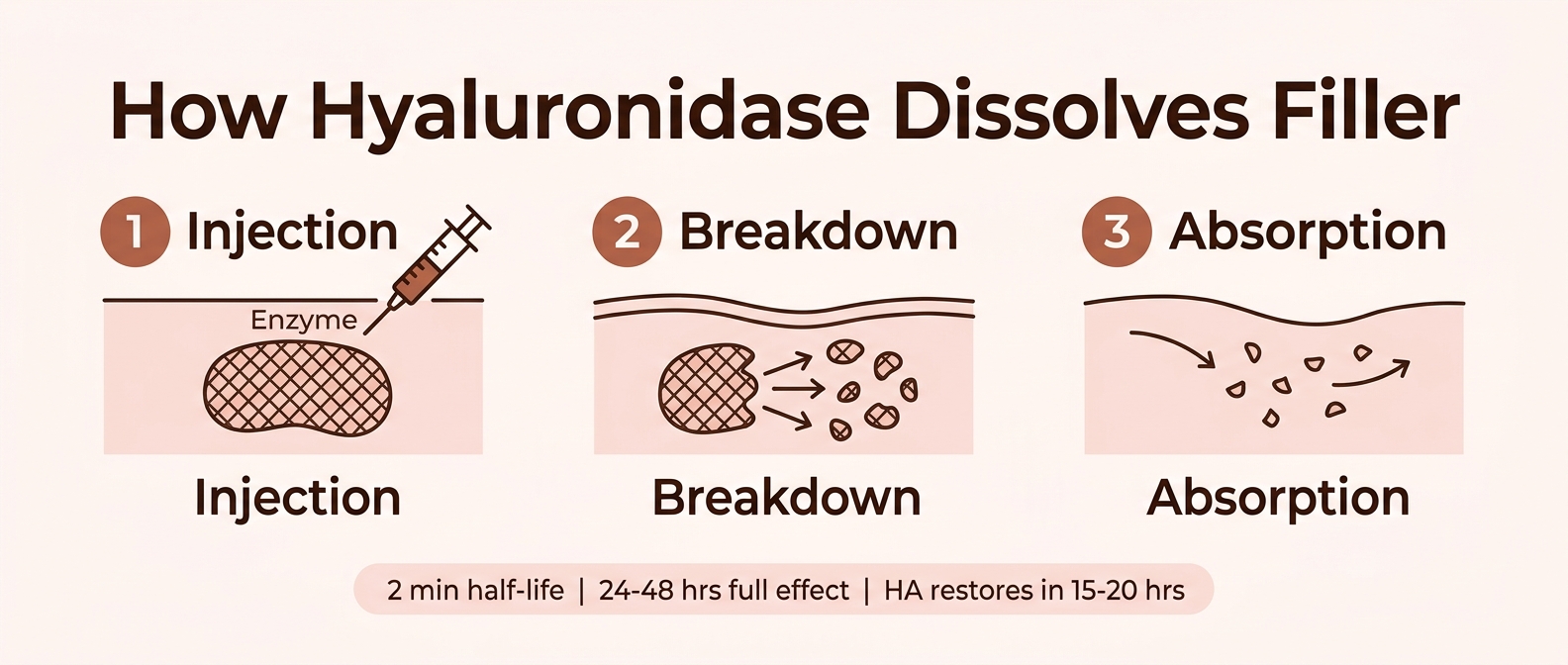
Dr. Borakowski dissolves HA fillers with hyaluronidase and can correct shape and symmetry, often in the same visit. If the original work used a non-dissolvable product, she’ll discuss what’s realistic.
Ozempic Face and Volume Loss After Weight Loss
Rapid weight loss from Ozempic, semaglutide, or Wegovy accelerates facial volume loss, hollowing cheeks, temples, and under-eye areas faster than natural aging would. Many patients in Scottsdale notice these changes within months of starting treatment.
Dr. Borakowski uses Sculptra and structural HA fillers to rebuild what the face lost to weight change, restoring proportional volume without overcorrecting. The goal is to match your face to how you feel after the weight loss, not to undo the weight loss itself.

How to Choose the Right Filler
The most common patient question is “which filler?” This is how Dr. Borakowski approaches the decision:
- Restoring cheek, lip, or under-eye volume, with results that can be reversed if needed: HA fillers (Restylane family, RHA) are typically the first choice. Results appear the same day. Hyaluronidase dissolves them if correction is needed.
- Widespread volume loss, with hollowing across multiple zones, for natural-looking, long-lasting restoration: Sculptra builds collagen over time. Requires 2–3 sessions and 3–6 months to show full results, but lasts two years or more.
- Deep structure (jawline, deep nasolabial folds, areas needing both immediate volume and long-term collagen support): Radiesse provides both effects and works well for firmer facial architecture.
- Same nasolabial fold treated repeatedly with temporary fillers and keeps returning: Bellafill’s permanent PMMA may be the appropriate long-term solution. Significant decision given the permanence.
- Skin quality (dullness, dehydration, fine surface texture) rather than volume or contour: PRP Biofiller may be more relevant than a traditional filler.
- Unsure: that’s exactly the point of the consultation: to identify what your face actually needs, not to force it into a filler plan.
Safety and Vascular Occlusion
Filler is not casual medicine. In the right hands, it is predictable and manageable. In the wrong hands, the same product can create avoidable problems.
The most serious rare risk from any filler injection is vascular occlusion, which happens when filler material is accidentally injected into or compresses a blood vessel, restricting blood flow. This can, in the most severe cases, cause tissue necrosis, vision changes, or stroke. The risk is low, but when it occurs the consequences develop quickly.
Dr. Borakowski’s approach to this risk: detailed review of facial anatomy at each injection site, careful technique, slow injection speed, and small bolus volumes. Desert Bloom maintains a full emergency protocol, including hyaluronidase on hand for immediate use. Dr. Borakowski has advanced hands-on training in facial injection anatomy and presented at IMCAS in Paris in January 2025.
Allergic reactions, infection, and (extremely rarely) blindness are additional risks. Blood thinners, bleeding disorders, and certain medications increase bruising risk and should be disclosed during your medical history review. For patients with prior filler work from other providers, Dr. Borakowski may recommend a dissolution appointment before placing new product.
Fillers vs. Botox: What’s the Difference?
Patients in Scottsdale often ask whether they need fillers or Botox injections. They do different things, and most patients benefit from both.
| Dermal Fillers | Botox / Neuromodulators | |
|---|---|---|
| How it works | Injectables that fill, smooth, and contour areas of the face | Relaxes muscles that cause expression lines |
| Best for | Volume loss, deep folds, contouring, facial features | Forehead lines, crow’s feet, frown lines |
| Results last | 6 months to 5+ years (varies by product) | 3–4 months |
Fillers restore what aging and weight loss take away. Botox prevents new lines from forming. Dr. Borakowski often combines both in the same visit. Explore Botox and neuromodulator options
Dermal Filler Cost in Scottsdale
Injectable filler pricing at Desert Bloom in Scottsdale starts from $500 per syringe. Total cost depends on the product and number of syringes, which is determined during your assessment.
| Product | Type | Starting Price |
|---|---|---|
| Revanesse Versa | HA filler | $500/syringe |
| Restylane Lyft / Contour | HA filler | $740–$750/syringe |
| Restylane Defyne | HA filler | $720/syringe |
| RHA Collection | HA filler | Consultation pricing |
| Radiesse | Calcium hydroxylapatite | $600/syringe |
| Sculptra | Poly-L-lactic acid | $850/vial |
| Bellafill | PMMA permanent | $800/syringe |
Most treatments require 1–3 syringes. Biostimulators like Sculptra may need multiple sessions. A complimentary consultation covers cost before you commit. View the full price list
Questions
Frequently asked questions
Are dermal fillers safe?
Yes, when performed by a provider with formal training in facial anatomy and extensive clinical experience. All filler products at Desert Bloom are FDA-approved medical devices. Risks include swelling, bruising, infection, and rare vascular occlusion. Dr. Borakowski’s 18 years of experience and direct anatomical training help minimize serious complications.
Can dermal fillers be dissolved?
HA fillers (Restylane, RHA, Revanesse Versa) can be dissolved with hyaluronidase, typically within hours. Sculptra, Radiesse, and Bellafill are not reversible with hyaluronidase. If you are uncertain about committing to a permanent filler or biostimulator, starting with an HA filler is the lower risk first step.
How long do dermal fillers last?
HA fillers: typically 6–24 months depending on the specific product and area treated, though under-eye (tear trough) filler can last substantially longer, often many years. Sculptra: two years or more. Radiesse: 12–24 months, with biostimulation meaning many patients require little or no maintenance once correction is achieved. Bellafill: five years or longer. Individual factors such as how the body absorbs filler, facial movement, and lifestyle affect how long results last for each person.
How do I know which filler is right for me?
Dr. Borakowski selects from multiple filler options based on your anatomy, the specific areas being treated, and your goals for duration and reversibility. She may recommend a different product than what you came in asking for. The right filler depends on what your face actually needs, not what you’ve read about.
What’s the difference between dermal fillers and Botox?
Fillers add volume, smooth folds, and reshape contours. Neuromodulators like Botox relax the muscles that cause expression lines (frown lines, crow’s feet, forehead lines). They address different concerns and work through different mechanisms. Dr. Borakowski often uses both in the same visit when the patient’s face benefits from both.
Will fillers look natural?
Natural-looking results depend on product selection, injection technique, and, critically, restraint. Overfilling is the most common cause of unnatural filler results. Dr. Borakowski’s clinical philosophy: less product placed precisely in the right anatomical plane is more effective than larger volumes chasing volume for its own sake.
Can filler from another provider be fixed?
Yes. Dr. Borakowski dissolves HA fillers with hyaluronidase and can correct asymmetry or overfilling, often in the same visit. Non-dissolvable fillers like Bellafill, Sculptra, or Radiesse require a different management approach, discussed during consultation.
Ready to talk it through? Book a consultation and we will look at your goals, explain your options and give you a clear plan and price.