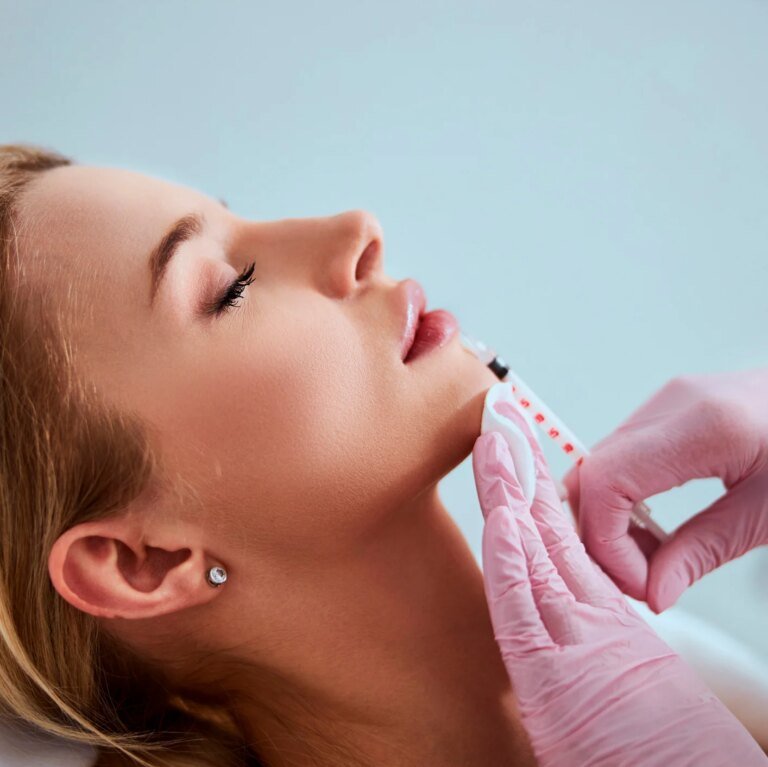
Perfect Results with Dermal Fillers and Other Procedures


Dermal fillers are a popular cosmetic procedure for facial rejuvenation. These injectable fillers work wonders in restoring fullness, smoothing skin folds, and enhancing facial features. But their potential is amplified when combined with other treatments. Here, we’ll explain the benefits, address common concerns, and discuss how these procedures can help you achieve a youthful, natural look.
Article’s contents
- What Are Dermal Fillers?
- Why Combine Dermal Fillers with cosmetic procedures?
- Popular Treatment Combinations
- Key Considerations for Combining Procedures
- Addressing Risks and Side Effects
- When Fillers Are Not Suitable
- Benefits of Dermal Fillers
- Choosing the Right Professional
- Conclusion
- Frequently asked questions
What Are Dermal Fillers?
Dermal fillers are soft tissue liquid implants injected beneath the skin to add volume, smooth wrinkles, and reduce fine lines. They’re commonly used for areas like smile lines, crow’s feet, frown lines, and marionette lines. Popular types of dermal fillers include:
- Hyaluronic acid fillers, such as Restylane and RHA, which are versatile and effective for plumping lips and enhancing cheekbones.
- Poly-l-lactic acid biorejuvenators, such as Sculptra, which stimulate collagen production to restore fullness over time.
- Calcium hydroxylapatite fillers, like Radiesse, perfect for deeper wrinkles and volume enhancement, as well as skin tightening.
- Polymethylmethacrylate (PMMA) and collagen fillers, like Bellafill, offering long-lasting correction for deep and superficial creases, as well as acne scars.
Dermal fillers use a gel-like substance to provide immediate results. However, like any medical treatment, dermal filler procedures can have risks. Patients may experience redness, swelling, bruising, or discomfort at the injection site. Choosing an experienced physician, such as Dr. Natalya Borakowski at Desert Bloom Skin Care, helps ensure safety and optimal results.
Have a question about your own skin? Book a consultation at Desert Bloom in Scottsdale
Why Combine Dermal Fillers with cosmetic procedures?
A combined approach allows you to:
- Enhance results: Address multiple concerns, like volume loss, crow’s feet, or scars, in one session.
- Save time: Perform complementary treatments during one visit to the doctor’s office.
- Minimize downtime: Recover from multiple procedures simultaneously.
Combining fillers with other procedures can improve the skin’s texture and tone while addressing volume loss, providing a natural, youthful look.
Popular Treatment Combinations
- Fillers and Botox
- Botox relaxes muscles that cause creases, such as on the forehead, while fillers like Restylane or RHA restore volume in cheeks and lips. This combination smooths both dynamic and static wrinkles for a harmonious result.
- Fillers and Chemical Peels
- Chemical peels, such as the gentle peel in the Desert Reset treatments, exfoliate the skin to improve texture and reduce scars or fine lines, while fillers like Sculptra or Radiesse restore lost volume. Together, these treatments provide a refreshed, youthful appearance.
- Fillers and Laser Treatments
- Laser therapy stimulates collagen production and improves tone, while fillers like Bellafill correct volume loss. Used together, they work well for rejuvenating the entire face.
- Fillers and PDO threads
- Combining dermal fillers with PDO thread procedures like non-surgical facelifts can enhance results by adding volume to areas that threads alone cannot address.
Key Considerations for Combining Procedures
- Potential Complications
- Overfilling may result in an unnatural look.
- Certain combinations, such as RF microneedling and fillers, may lead to breakdown of the filler due to heat.
- Some patients may experience allergic reactions, inflammation, or other side effects.
- Health and Allergies
- Inform your practitioner of any history of allergies, medical conditions like high blood pressure, or previous cosmetic treatments to minimize risks.
- Safety Standards
- Ensure your practitioner uses FDA-approved fillers and adheres to the highest safety standards. Only an experienced, licensed physician should perform these treatments.
Addressing Risks and Side Effects
While fillers are generally safe, potential risks include:
- Redness, swelling, or bruising at the injection site.
- Rare but serious complications, such as blindness, HIV transmission, or infection.
- Bleeding, inflammation, or discomfort in sensitive individuals.
Choosing fillers tested in clinical trials and working with an experienced professional can help reduce risks.
When Fillers Are Not Suitable
Some treatments cannot be combined with dermal fillers, and in certain cases dermal filler removal may be recommended before proceeding with alternative procedures:
- Facial fat grafting (e.g., liposuction) due to the risk of overcorrection.
- Procedures like RF microneedling, which may interfere with the filler’s integrity.
Benefits of Dermal Fillers
- Versatile Applications
- Correct lines and wrinkles, smooth crow’s feet, and enhance lips with options like Restylane, RHA, or Sculptra.
- Minimal Downtime
- Quick, in-office procedures performed with minimal disruption to your daily routine.
- Customizable Results
- Choose the best filler, such as Radiessefor volume or Bellafillfor long-lasting results, based on your needs.
Choosing the Right Professional
Always select a practitioner with:
- Expertise in aesthetic medicine and facial anatomy.
- Access to FDA-approved fillers like Restylane, RHA, or Sculptra.
- Proven experience with soft tissue fillers and related procedures.
Conclusion
Combining dermal fillers with other cosmetic procedures like Botox, chemical peels, or lasers can rejuvenate your appearance and restore fullness to your face. Whether you choose fillers like Restylane or Bellafill, or explore advanced options like Sculptra, the key to success lies in selecting the right professional.
For safe, effective treatments, consult Dr. Natalya Borakowski at Desert Bloom Skin Care. Email us today to schedule your consultation and discover how these innovative treatments can help you look and feel your best!
Frequently asked questions
How do dermal fillers help reduce wrinkles?
Dermal fillers are injectable treatments designed to smooth wrinkles and restore volume to the face. Fillers like Restylane and RHA work by adding a gel-like substance under the skin, instantly reducing the appearance of fine lines and wrinkles.
What is the difference between a Botox injection and a filler?
Botox targets dynamic wrinkles caused by muscle movement, such as crow’s feet and forehead lines, by relaxing the muscles. Dermal fillers, on the other hand, address volume loss and static wrinkles by filling in areas under the skin. Combining Botox with fillers often produces more complete results.
What are calcium hydroxylapatite fillers?
Calcium hydroxylapatite fillers, such as Radiesse, are made from a naturally occurring substance found in bones. They are ideal for treating deeper wrinkles and restoring volume in areas like the cheeks and jawline.
How do hyaluronic acid fillers work?
Hyaluronic acid fillers, such as Restylane and RHA, use a gel derived from a naturally occurring substance in the skin. They hydrate and plump the skin, smoothing wrinkles and enhancing facial features like lips and cheekbones.
Can dermal fillers stimulate collagen production?
Yes, certain fillers like Sculptra and Radiesse stimulate collagen production over time, improving skin elasticity and creating a more youthful appearance.
Are dermal fillers FDA-approved?
Yes, many dermal fillers, including Restylane, RHA and Bellafill, are FDA-approved for treating wrinkles, adding volume, and enhancing facial contours. Always confirm that your practitioner uses certified products.
What complications can occur with dermal fillers?
While fillers are generally safe, potential complications include redness, swelling, bruising, or discomfort at the injection site. Rare risks, such as infection or allergic reactions, can occur, especially if non-FDA-approved products are used. Always consult an experienced, licensed physician to minimize risks.
What is polymethylmethacrylate (PMMA), and how is it used in fillers?
PMMA is a long-lasting material used in fillers like Bellafill. These fillers are ideal for correcting deep wrinkles and creating durable results. Bellafill is a permanent filler.
How can I find a qualified provider for my dermal filler procedure?
Look for a licensed physician with expertise in aesthetic medicine and experience using FDA-approved fillers, such as Dr. Natalya Borakowski at Desert Bloom Skin Care. A consultation is essential to discuss your goals and ensure you are working with a skilled professional.
How do I schedule a consultation for dermal fillers?
You can schedule a consultation by calling Desert Bloom Skin Care at (480) 567-8180 or booking online. This initial meeting allows you to discuss your concerns, explore treatment options, and learn about products like Restylane, RHA, or Sculptra.
Are dermal fillers suitable for all signs of aging?
Dermal fillers address volume loss, wrinkles, and facial contours. However, they may not be effective for severe sagging or advanced aging, where surgical options might be more appropriate. A consultation at Desert Bloom can guide you to the best treatment for your needs.
Have a question about your skin? Book a consultation at Desert Bloom in Scottsdale and we will explain your options, what to expect and the cost.