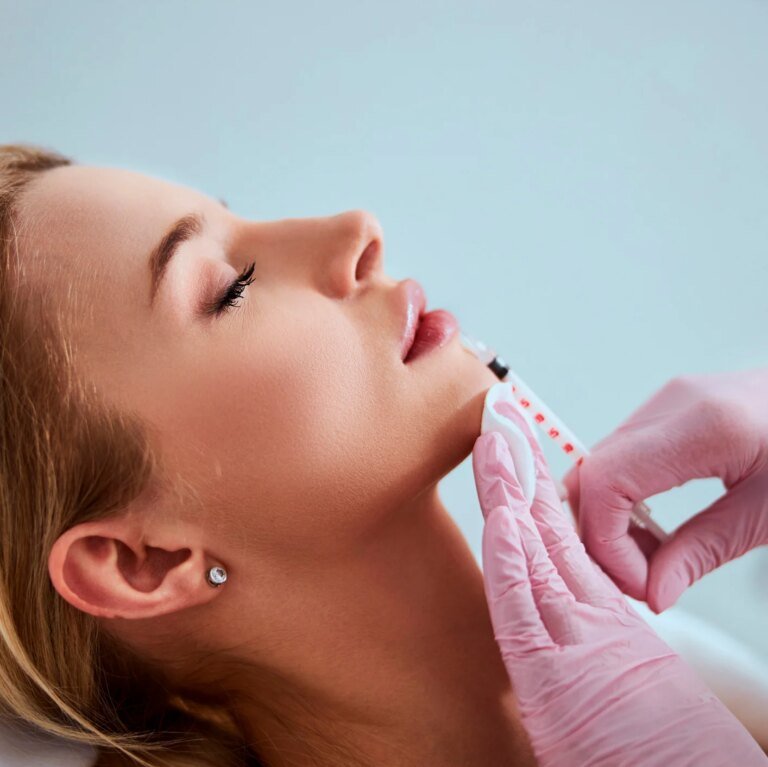
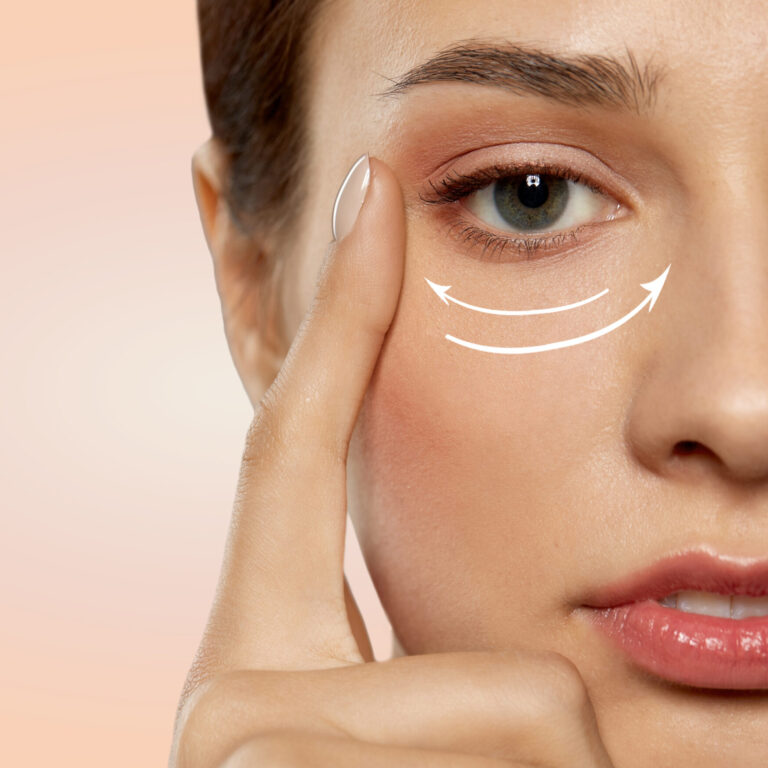
5 benefits of the PDO thread lift over traditional facelift surgery
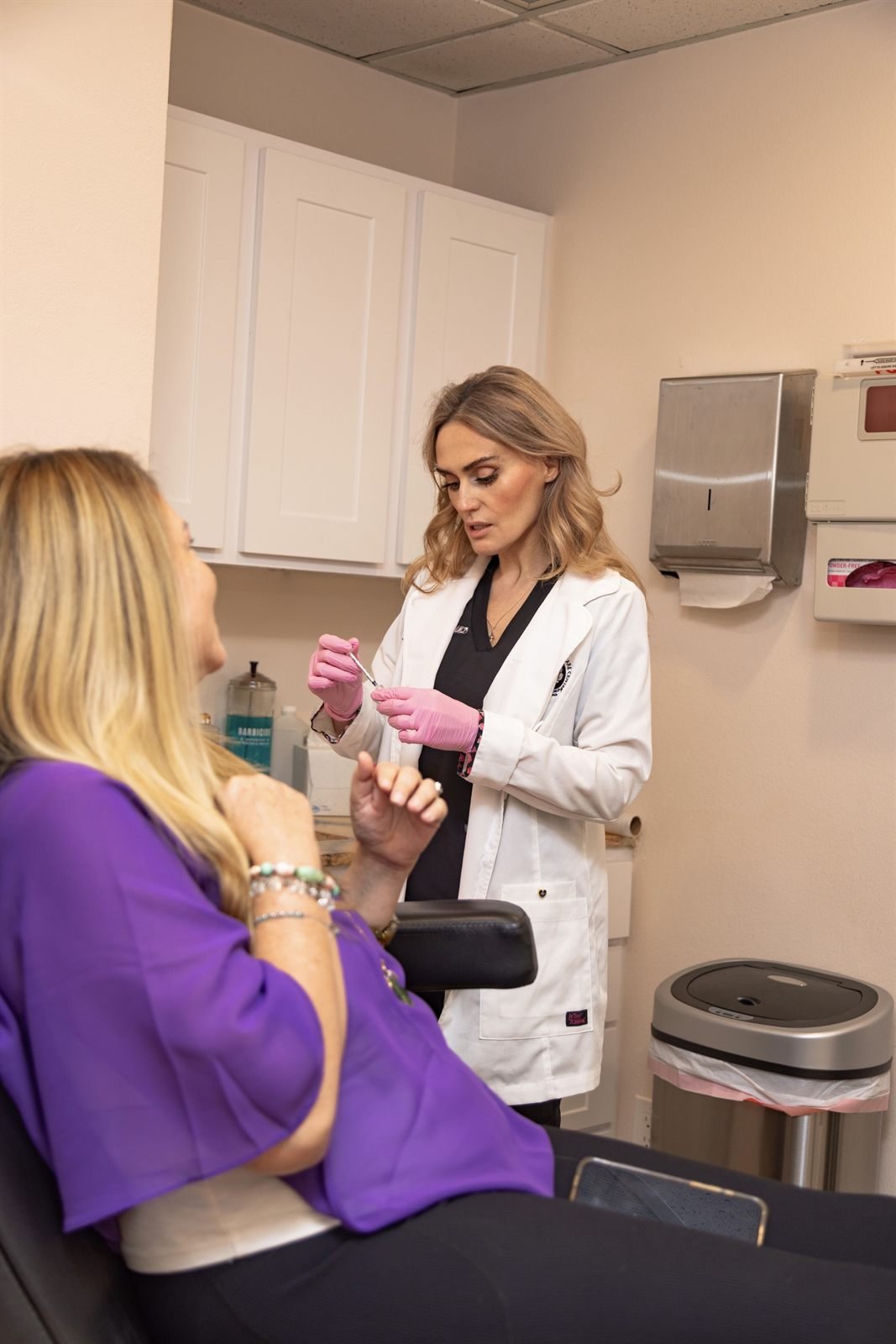
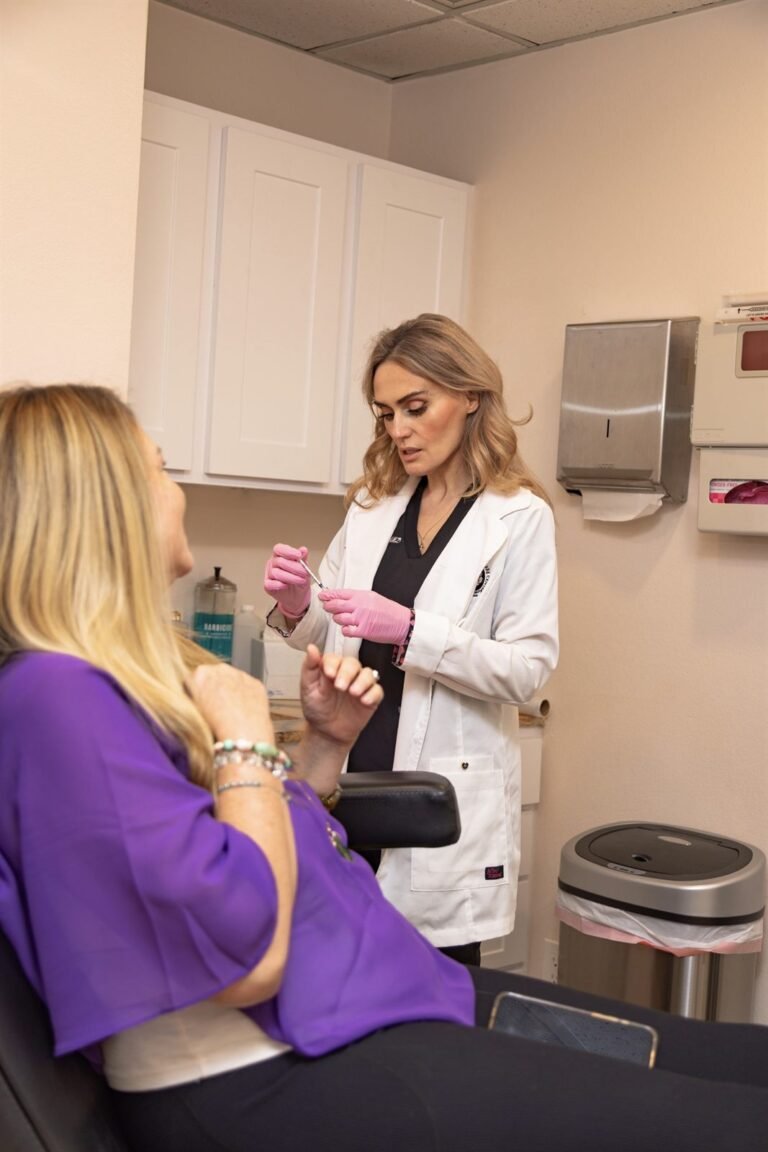
Considering a facelift but concerned about surgery, recovery time, and cost? Discover the PDO thread lift, a non-surgical alternative with minimal downtime, natural results, cost-effectiveness, and versatile treatment areas for customized outcomes. Contact us today for more information or to address any queries about the PDO thread lift procedure.
Article’s contents
- 1. Recovery in Days, Not Weeks
- 2. Local Anesthesia vs. General
- 3. Lower Entry Cost, With an Important Asterisk
- 4. Adjustable as You Age, Not a Permanent Commitment
- 5. Collagen Induction: A Skin-Quality Mechanism Facelift Surgery Is Not Designed to Provide
- When Surgery Is the Right Answer
- Recovery: What to Expect Day by Day
- Frequently asked questions
PDO thread lifts are not a replacement for facelift surgery. They serve different patients with different needs. When significant laxity needs structural repositioning, surgery is the right answer. If a consultation with me ends there, I’ll tell you clearly.
For the right patient, though, threads are simply the right tool. If you’re in that window where you’re noticing the early shift, where the face is changing but surgery feels like too much, these five differences matter a great deal.
1. Recovery in Days, Not Weeks
After a PDO thread procedure at Desert Bloom, most patients return to work within two to four days. There’s bruising and sometimes mild swelling. It looks like you had something done, not like you had surgery. Traditional facelift recovery is a different category entirely: two to four weeks of limited activity, bandaging, drain management, and a period where you cannot present yourself publicly. For patients with demanding careers, caregiving responsibilities, or simply a low tolerance for extended downtime, this difference often decides the question.
Still, the reason surgery takes longer to heal is precisely why it achieves more. The tissue repositioning is deeper, the correction more significant. If the laxity requires that level of intervention, rushing back to work in four days isn’t a trade-up. Know which situation you’re in before choosing based on recovery time alone.
Have a question about your own skin? Book a consultation at Desert Bloom in Scottsdale
2. Local Anesthesia vs. General
Thread lifts are performed under local anesthesia, which numbs only the treatment zones. You remain awake, oriented, and leave under your own power. General anesthesia, required for facelift surgery, carries a distinct risk profile: cardiovascular stress, nausea, recovery from the anesthetic itself, and the logistical reality of surgical clearances for anyone with underlying health conditions. For patients who are older, have hypertension, or are simply not candidates for general anesthesia, this can be a real barrier to surgery.
Local anesthesia has limits too: you will feel pressure during the procedure. It’s tolerable for the vast majority of patients, but it’s not the numb absence of experience that general provides. Patients who are particularly anxious about in-office procedures should discuss this with me before booking. The goal is a calm, informed patient, not a committed one.
3. Lower Entry Cost, With an Important Asterisk
A PDO thread lift at Desert Bloom costs significantly less than a surgical facelift. We’re comparing a few thousand dollars to ten, fifteen, or more when you factor in surgical fees, anesthesiology, facility, and post-op care, depending on surgeon, facility, anesthesia, and geography. Costs vary widely; current ranges should be confirmed at consultation. For patients who are not ready for surgery financially, or for whom surgery isn’t appropriate yet, threads offer a real option at a real cost. That matters.
The asterisk: threads dissolve. PDO threads absorb over six to twelve months, and while the collagen stimulation continues for some time after that, results are not permanent. Most patients who choose threads will repeat the treatment at some point. Over a ten-year span, repeat procedures can approach or exceed a one-time surgical investment. I tell every patient this. The accurate frame is “threads have lower upfront cost with an ongoing maintenance model,” rather than “threads are cheaper than surgery.” That framing helps people make a clear-eyed decision.
4. Adjustable as You Age, Not a Permanent Commitment
Facelift surgery creates a definitive structural change. That can be excellent. A well-executed facelift by a skilled surgeon produces durable, natural-looking results that hold for years. But it also means that the face you create today is the face you’re building forward from. For patients in their early forties who are beginning to see a shift but whose face is still changing, that permanence isn’t always a strength.
Threads are temporary by design. That is an advantage for patients who want to address what they’re seeing now without closing off future options. As your face continues to change, as volume shifts, as anatomy evolves, treatment can adapt. You’re not locked into a snapshot of your face from 2026. Some patients find this flexibility exactly right for where they are in the process.
5. Collagen Induction: A Skin-Quality Mechanism Facelift Surgery Is Not Designed to Provide
In one area, threads do something surgery cannot replicate: they stimulate your skin’s own collagen production. PDO threads are biocompatible. As the body resorbs them, the inflammatory response triggers new collagen synthesis in the treatment zones. Over three to six months, this adds a real improvement in skin texture, firmness, and density on top of the lift. Think of it as scaffolding that trains the tissue to support itself more effectively.
Facelift surgery repositions tissue, but it doesn’t improve the intrinsic quality of the skin. That’s a meaningful difference for patients who are concerned about the quality and thickness of the skin surface as well as its position. For some patients, threads combined with complementary treatments like RF microneedling address both position and quality at the same time, in a way surgical facelift alone does not.
At Desert Bloom we currently use PDO, PLLA and PCL threads. Aptos absorbable threads are pending FDA approval and not yet performed.
When Surgery Is the Right Answer
If you have significant platysmal banding in the neck, substantial jowling that requires deep-plane repositioning, or loose skin that clearly exceeds what threads can address, threads won’t fix that. In that situation, threads are an inadequate option. A good consultation doesn’t always end with a procedure. Sometimes it ends with a recommendation for surgery, which can achieve what the situation actually requires. I have no interest in treating a surgical candidate with threads.
The patients who do best with PDO threads are those in an earlier stage (noticing the jowl beginning to form, a softening of definition in the lower face, or the corners of the mouth starting to pull down) whose anatomy isn’t yet demanding the structural correction that only surgery provides. That’s the window. Candidacy assessment is everything.
| Factor | PDO Thread Lift | Traditional Facelift |
|---|---|---|
| Anesthesia | Local (awake) | General (sedated) |
| Recovery | 2–4 days typical | 2–4 weeks typical |
| Upfront cost | Lower | Significantly higher |
| Duration of results | 12–24 months (threads dissolve) | 5–10+ years |
| Collagen induction | Yes, skin quality improves | No, repositioning only |
| Adjustability | Repeatable, adaptable | Permanent structural change |
| Best for | Early-stage laxity, lower-risk patients | Significant laxity, structural correction needed |
| Suitable for advanced laxity | No | Yes |
Recovery: What to Expect Day by Day
Thread lift recovery is manageable, but it requires patience in the first week. The timeline at Desert Bloom usually runs like this.
Bruising and mild swelling are normal. Most patients manage with over-the-counter pain relief. Avoid touching or compressing the treated areas. Sleep with your head raised.
Swelling subsides significantly. Skin may feel slightly firm or dimpled where threads were placed. This resolves as the tissue relaxes. Most patients return to work by day 4.
The threads are fully integrated. Avoid strenuous exercise, extreme facial expressions, and dental procedures for three to four weeks. Results look natural from this point.
PDO threads stimulate collagen synthesis in the surrounding tissue. Skin density and firmness improve progressively through this phase, and the collagen benefit outlasts the thread itself.
PDO absorbs over six to twelve months. Collagen scaffolding remains. Results at this stage reflect the combined benefit of lifting and skin quality improvement. Follow-up assessment recommended.
Frequently asked questions
Am I a good candidate for PDO threads instead of a facelift?
The main factor is degree of laxity. If you’re noticing early jowling, mild skin loosening in the mid-face or lower face, or softening of facial contours, but your anatomy hasn’t yet crossed the threshold that requires surgical repositioning, threads are worth evaluating seriously. If laxity is advanced, or if you have significant platysmal banding in the neck, surgery will serve you better. Candidacy assessment at consultation determines this.
How long do PDO thread results last?
The threads themselves dissolve over six to twelve months. The collagen stimulation they trigger continues for several months beyond that. Most patients see meaningful results for twelve to twenty-four months. A significant number choose a repeat treatment at that point. Threads work on a maintenance model rather than as a one-time permanent fix, so budget accordingly.
Can I combine PDO threads with other treatments?
Yes, and combination approaches often produce better outcomes than threads alone. RF microneedling addresses skin quality and collagen density from a different mechanism. Restylane or RHA fillers can restore volume that threads don’t address. These options address different anatomical problems, so they work well together. At Desert Bloom, a full assessment determines which combination makes sense for your specific anatomy and goals.
What’s the risk of threads going wrong?
Serious complications from PDO threads, such as infection, are uncommon when performed by an experienced provider using appropriate technique. The more realistic risk is mild bruising, which is temporary. If you’ve seen alarming before-and-after images online, they typically reflect either poor candidacy selection or inadequate technique. Our page on thread complications covers this in detail.
Is the PDO thread procedure painful?
Local anesthesia numbs the treatment zones effectively, but you will feel pressure during thread placement. Most patients describe it as tolerable. It is not painless, but it is manageable. Patients with significant anxiety about in-office procedures should discuss this before booking. Some providers offer light oral sedation; I’m happy to discuss what makes sense for your comfort level.
How does this compare to a non-surgical facelift overall?
PDO threads are one component of what’s often called a non-surgical facelift approach: a combination of treatments (threads, filler, energy devices) that together address the changes surgery would address individually. The advantage is customization and lower risk. The limitation is that it cannot replicate the structural correction of deep-plane surgery. Whether the combination approach is sufficient depends entirely on your anatomy.
Will I look overdone or pulled?
Not if threads are placed correctly and dosing is conservative. The goal is structural support that reads as rested, not pulled. Overdone results typically come from over-correction or poor candidate selection, and both are avoidable with experienced injectors and careful candidacy assessment. My approach is conservative: restore the definition and support your face had, not manufacture a different face. The best outcomes are the ones where people notice something positive has changed but can’t identify exactly what.
Have a question about your skin? Book a consultation at Desert Bloom in Scottsdale and we will explain your options, what to expect and the cost.