Reversing Ozempic Face Aging: A Scientific Guide to Restoring Skin Quality After Significant Weight Loss


In this article, we go beyond the discussion of fillers and look at cellular science. You will learn the real reason why skin loses its radiance during rapid weight loss and which proven methods can help restore its health, smoothness, and natural glow.
Article’s contents
- The Cellular Impact of Ozempic: Why Does Rapid Weight Loss Cause Facial Aging?
- Clinical Correction of Ozempic Face Aging: Professional Treatments
- Gentle Peel in the Desert Reset Treatments
- HydraFacial Syndeo in the Desert Reset Treatments
- Collagen Induction Therapy (Microneedling)
- Supporting Your Skin During Ozempic Use: Evidence-Based At-Home Skincare
- Frequently asked questions
Achieving your target weight through lifestyle changes and medications like Ozempic is a significant health accomplishment. However, many find that their facial appearance doesn’t quite keep pace. The term “Ozempic Face,” popularized on social media, often refers to the loss of facial volume. But beyond the hollowing caused by the loss of facial fat, the quality of the skin itself often suffers, leading to dullness, uneven texture, and a general loss of vibrancy.
This is a predictable physiological response to significant weight loss. Ozempic, with the generic name semaglutide, is part of a class of medications highly effective for weight management and controlling blood sugar levels. The resulting rapid reduction in body weight and subcutaneous fat can accelerate signs of facial aging. While treatments like dermal fillers are excellent for restoring lost facial volume, they don’t address the decline in skin quality.
In this article, we will break down the cellular and structural processes behind these changes and explore the proven methods to restore your skin’s health and radiance after Ozempic use.
To fully understand the structural facial changes, we recommend reading our main guide: ‘What is “Ozempic Face”?’
The Cellular Impact of Ozempic: Why Does Rapid Weight Loss Cause Facial Aging?
The catabolic state, characteristic of rapid weight loss from a reduced calorie intake, triggers a cascade of reactions that affect the skin’s homeostasis and skin elasticity. The effects of Ozempic on weight are profound, but the speed of the change is what challenges the skin.
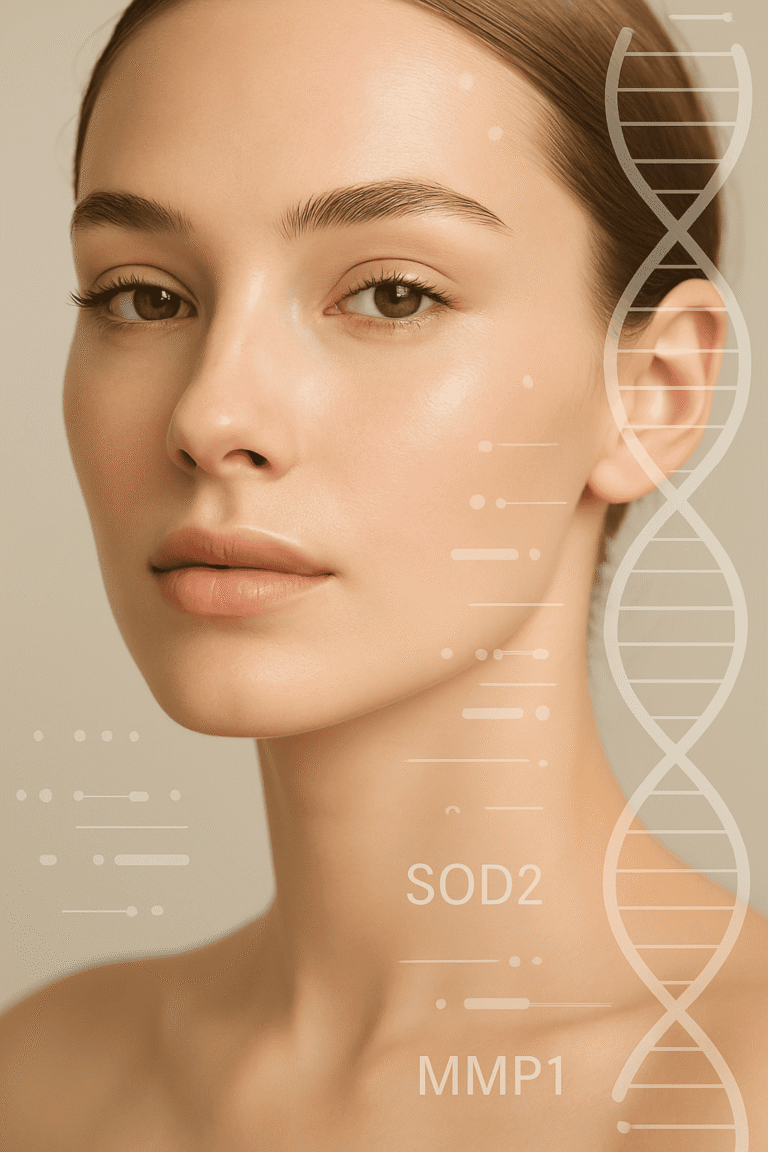
- Oxidative Stress: Accelerated metabolism and the breakdown of adipose tissue increase the production of reactive oxygen species (ROS). This oxidative stress damages cellular membranes, proteins (including collagen), and DNA, which leads to premature aging and a dull complexion.
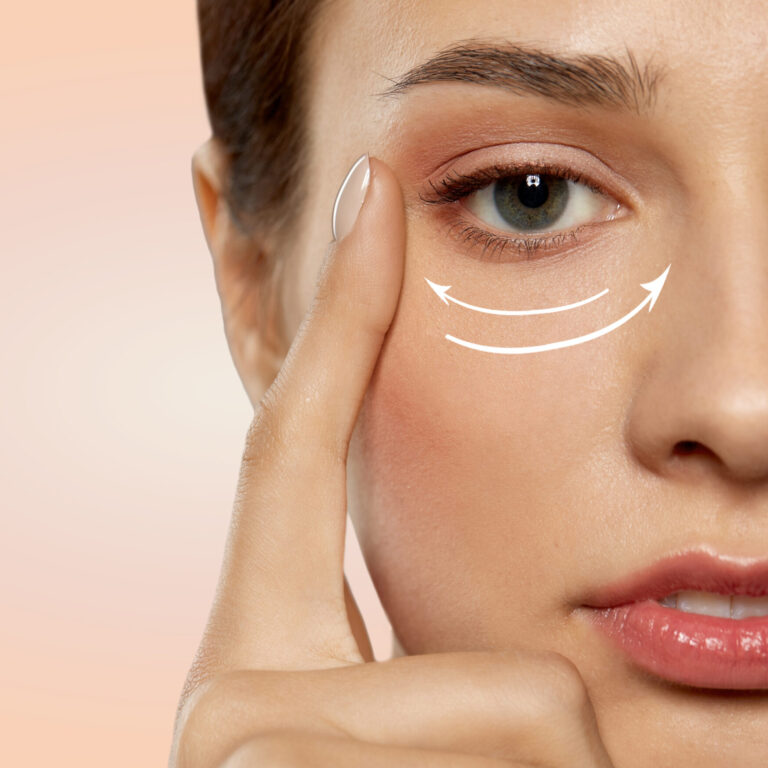
- Dehydration and GAGs Depletion: The levels of glycosaminoglycans (GAGs), including hyaluronic acid, decrease within the dermal matrix. As GAGs are responsible for binding water, their deficiency leads to internal skin dehydration, a loss of turgor, and reduced elasticity.
- Impaired Cellular Renewal: Stress and nutrient deficiencies can slow the epidermis’s natural renewal cycle. This results in hyperkeratosis (an accumulation of dead corneocytes in the stratum corneum), which makes the skin’s surface uneven, rough, and unable to properly reflect light.
Have a question about your own skin? Book a consultation at Desert Bloom in Scottsdale
Clinical Correction of Ozempic Face Aging: Professional Treatments
To effectively combat these changes and address resulting textural issues or loose skin, a multi-level approach is necessary. This combines professional procedures, often more effective than topical treatments alone, with targeted at-home care. These methods are distinct from plastic surgery, which addresses more significant laxity.
Gentle Peel in the Desert Reset Treatments
- Mechanism of Action: Chemical peels based on alpha-hydroxy acids (AHA), such as glycolic or lactic acid, induce a controlled keratolysis. They weaken the bonds between corneocytes, promoting their uniform exfoliation and stimulating epidermal regeneration. This not only immediately improves skin texture but also stimulates collagen synthesis in the long term.
- Clinical Result: Reduction in dullness, smoothing of the skin’s microrelief, and improved light-reflecting properties.
HydraFacial Syndeo in the Desert Reset Treatments
- Mechanism of Action: This technology utilizes the patented Vortex-Fusion® method, which combines mechanical exfoliation, comedone extraction, and the simultaneous infusion of serums rich in antioxidants, peptides, and hyaluronic acid. This approach significantly increases skin hydration levels and antioxidant status.
- Clinical Result: Immediate and pronounced hydration, cleared pores, and a radiant complexion.
Collagen Induction Therapy (Microneedling)
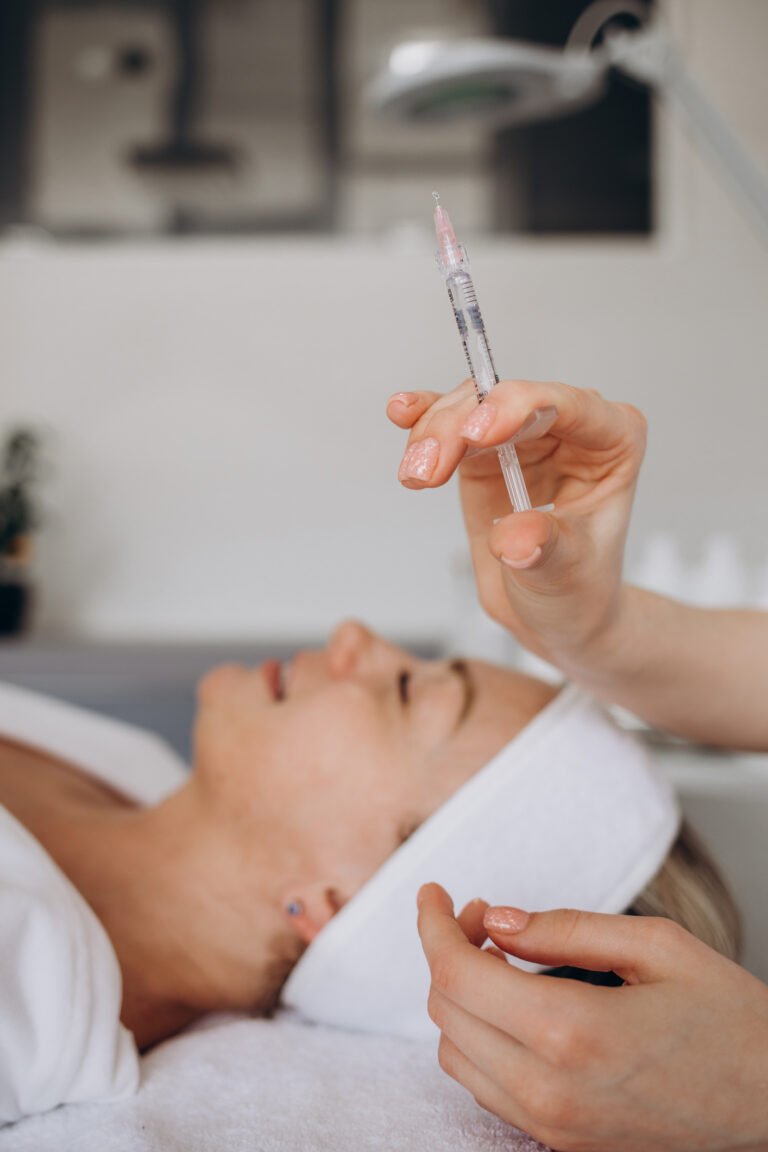
- Mechanism of Action: Microneedling creates millions of micro-channels in the skin, initiating a wound-healing cascade. This process releases growth factors (including TGF-beta) that stimulate fibroblast activity. As a result, the synthesis of new, healthy type I and III collagen, elastin, and GAGs begins, leading to a denser dermis and improved texture.
- Clinical Result: Increased firmness, smoothing of fine lines and atrophic scars, and an overall improvement in skin quality and texture.
Supporting Your Skin During Ozempic Use: Evidence-Based At-Home Skincare
Maintaining a healthy diet is crucial, but topical skincare provides targeted support. A consistent at-home regimen is essential for amplifying and maintaining the results from clinical procedures.
- L-Ascorbic Acid (Vitamin C): It is not only a potent antioxidant that neutralizes ROS but is also a critical cofactor for the enzymes involved in collagen synthesis. Its topical application helps protect the skin from photodamage and improve its radiance.
- AHA/BHA Acids: Regular use of exfoliants in low concentrations supports a normal cell turnover cycle, preventing hyperkeratosis and maintaining skin smoothness.
- Niacinamide (Vitamin B3): Niacinamide stimulates the synthesis of ceramides and other lipids in the stratum corneum. This strengthens the barrier function and reduces transepidermal water loss (TEWL), which is crucial for maintaining hydration.
Frequently asked questions
Is Ozempic face a temporary or permanent side effect?
The term “Ozempic face” describes two phenomena: loss of facial fat and decreased skin quality. The fat loss is as permanent as the weight loss itself; the facial volume does not spontaneously return. The resulting changes, like hollows and loose skin, are also permanent but treatable with procedures like dermal fillers for volume and skin tightening or even plastic surgery for significant laxity. However, skin quality issues like dullness, dehydration, and poor texture are temporary and can be significantly improved with the clinical and at-home treatments discussed in this article.
Do all users of Ozempic experience facial aging or is it rare?
It’s not rare, but it is not a direct side effect of the drug itself. Rather, it’s a consequence of the rapid, significant weight loss that semaglutide facilitates. The visibility of these changes depends on several factors: the degree of weight lost, the person’s age, genetics, pre-existing skin elasticity, and lifestyle. Someone who loses a large amount of body weight very quickly is more likely to see these effects than someone with a more gradual loss.
Is Ozempic face linked to other health risks besides cosmetic concerns?
“Ozempic face” is purely a cosmetic term describing a change in facial appearance and is not a health risk in itself. However, the medication, like any in its class of medications, has its own list of possible side effects (most commonly gastrointestinal) that are unrelated to the face. It is crucial to be under the care of a healthcare provider during Ozempic use to monitor overall health and manage your weight loss safely to achieve a healthy weight.
Have a question about your skin? Book a consultation at Desert Bloom in Scottsdale and we will explain your options, what to expect and the cost.